
Why path lighting looks simple until it isn’t
If you are evaluating an outdoor LED lighting manufacturer, the first mistake is assuming a walkway light is just a small lamp in the dirt. It is not. A good system has to do several jobs at once: guide people safely, mark edges without glare, hold up to weather, and still look like it belongs with the house instead of like it escaped from a parking lot.
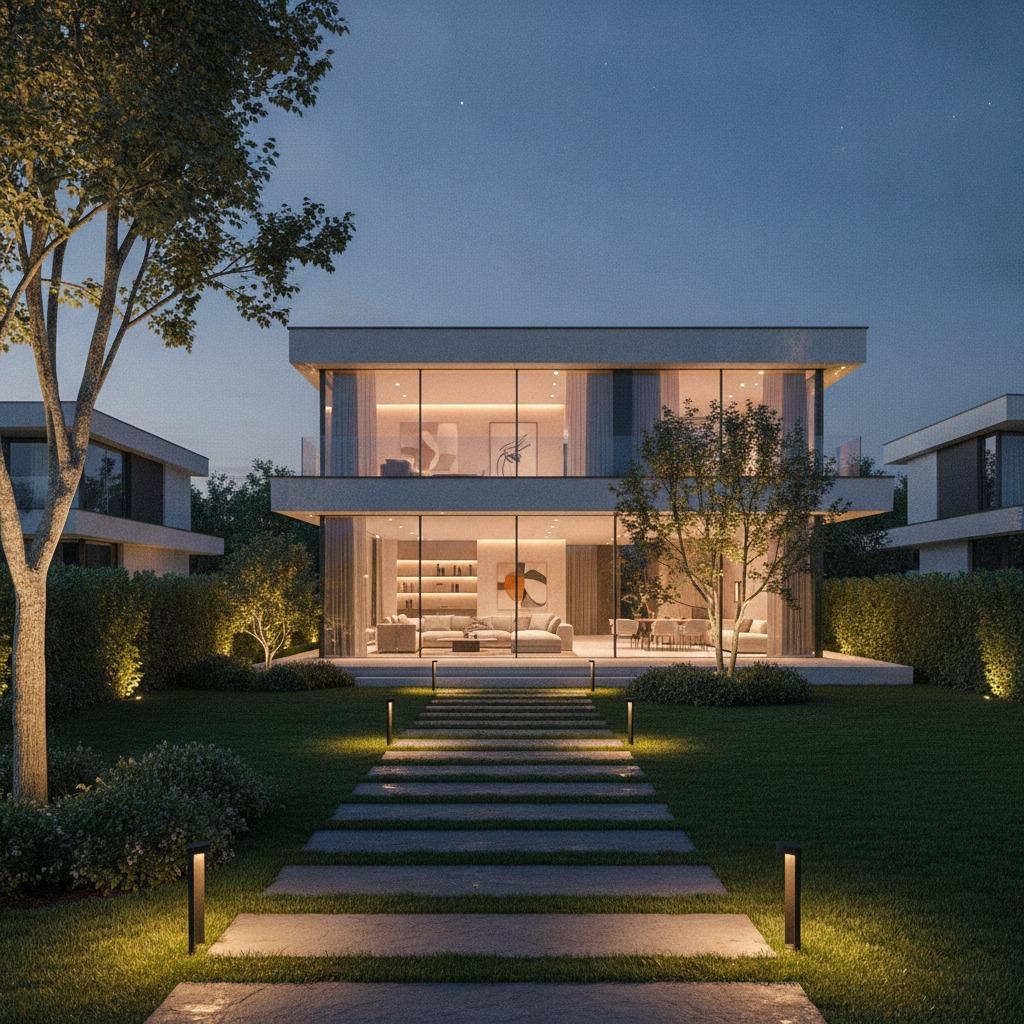
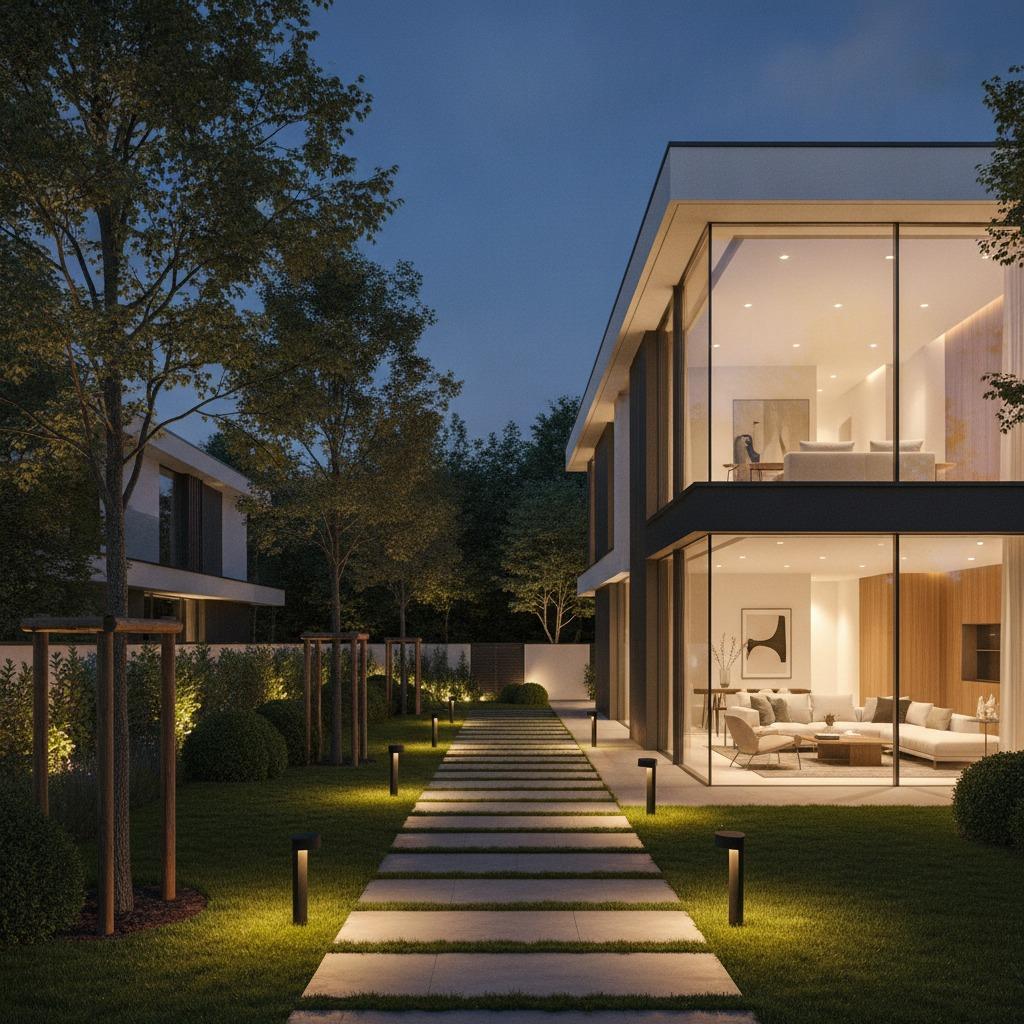
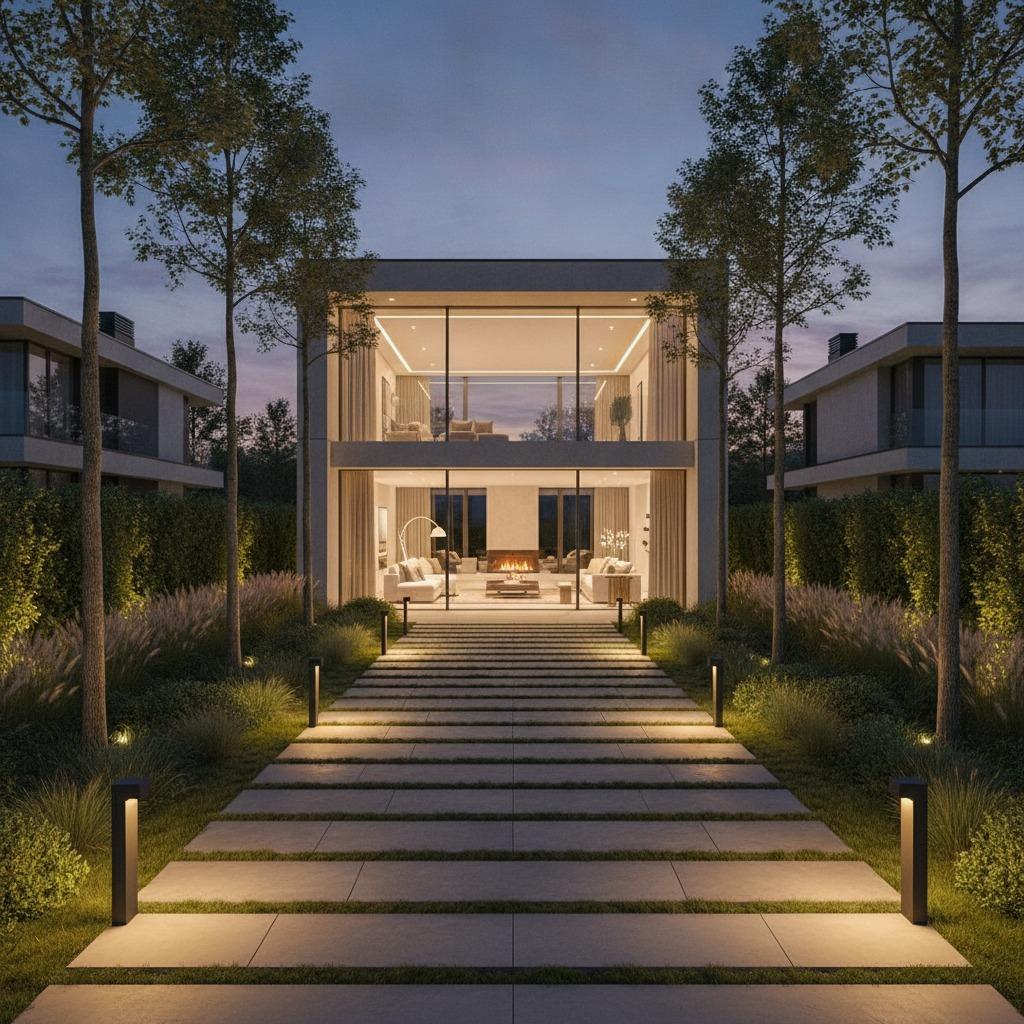
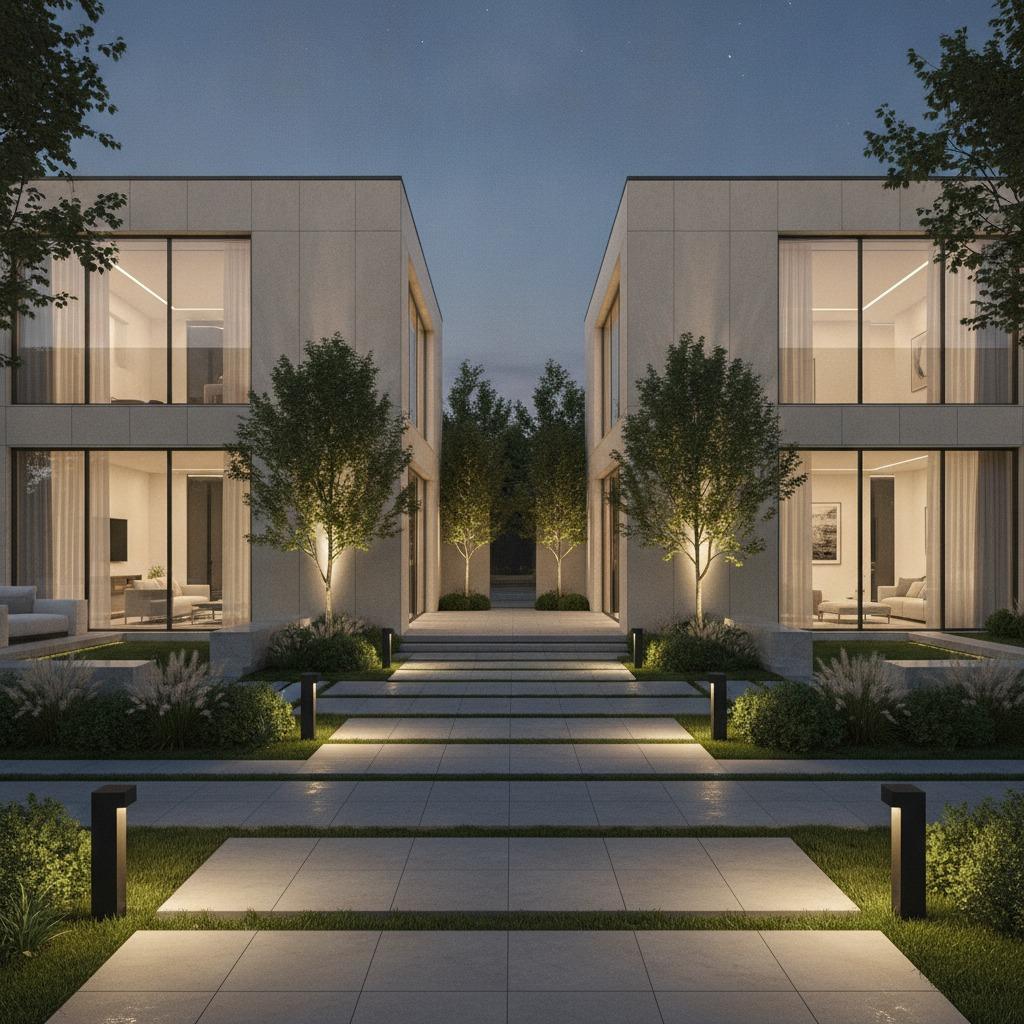
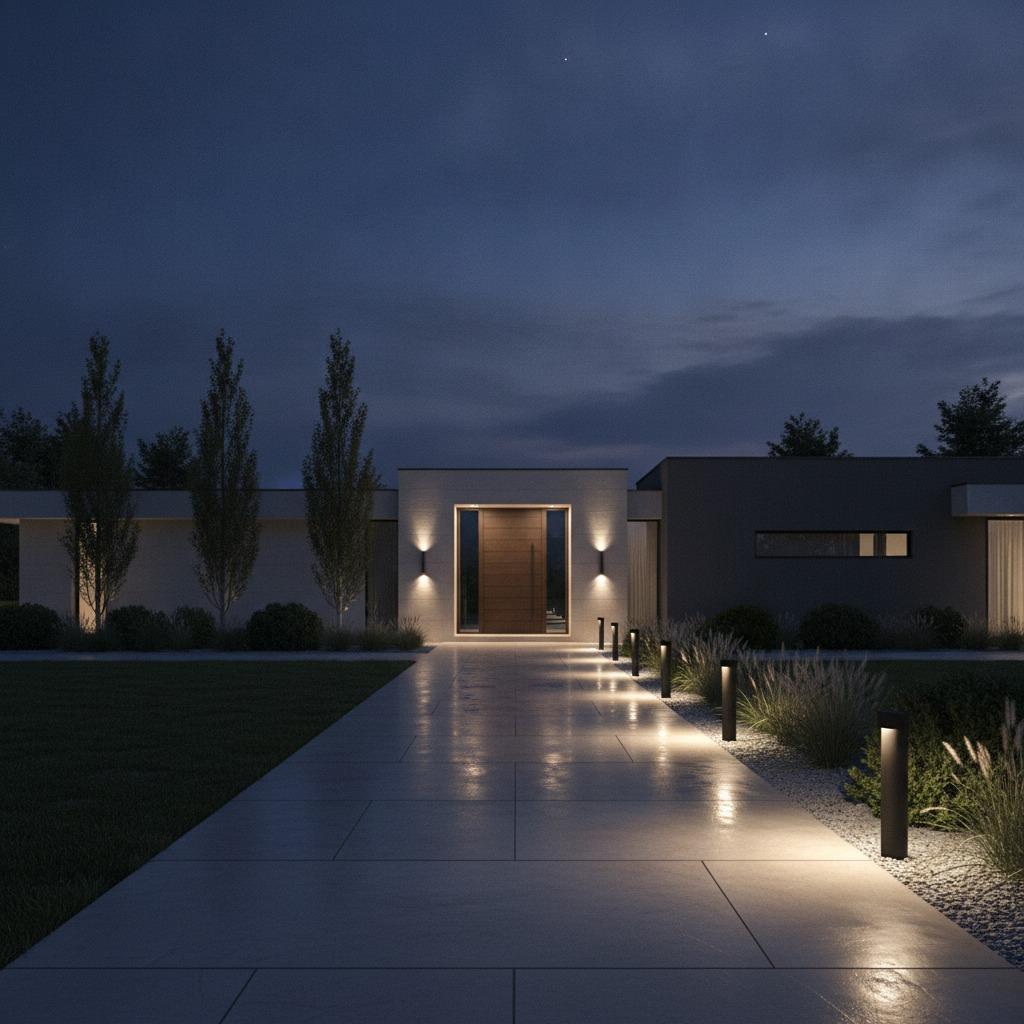
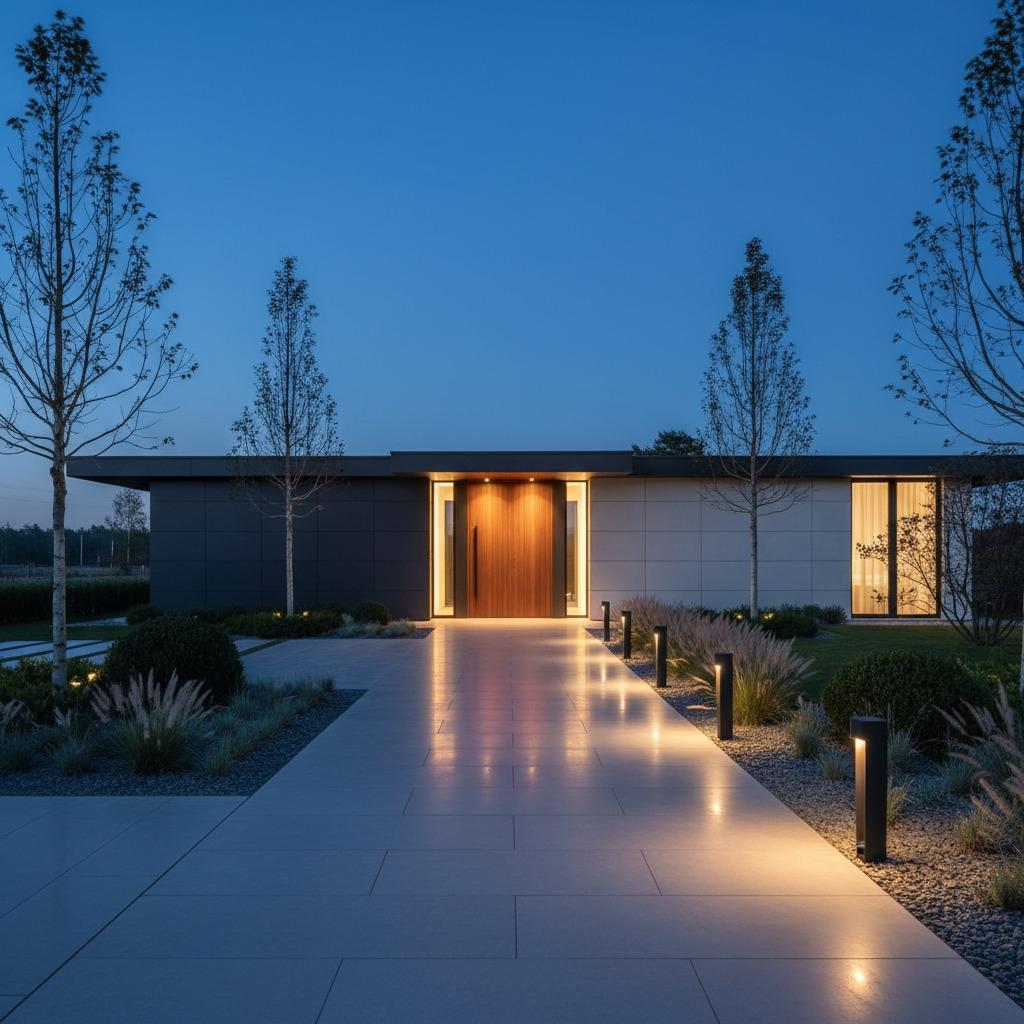
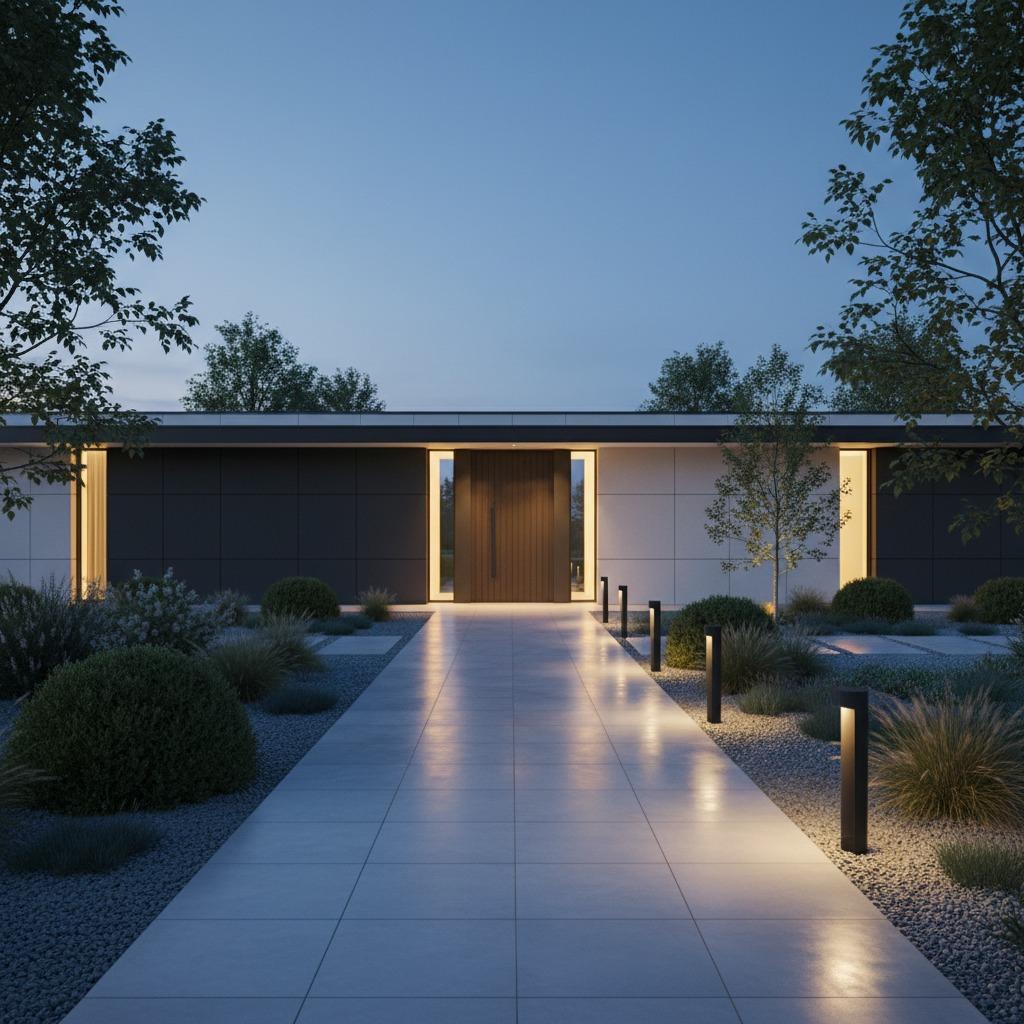
The scene behind most buyer questions is familiar: a driveway or garden path lined with low, evenly spaced bollard-style fixtures, each casting a warm band of light near the top. That kind of outdoor LED lighting is popular because it does the practical work quietly. No spotlight drama, no runway effect. Just enough visibility to keep guests from testing the warranty on their ankles.
What the right fixture is supposed to do
For residential exteriors, outdoor LED light manufacturer choices usually come down to three things: visibility, durability, and visual restraint. A path light should define the route without turning the landscape into a mini stadium. Warm white output is often preferred for that reason. It feels softer at night and is easier on the eyes than harsh blue-white light, especially around homes, patios, and entry drives.
The visible product style here—short cylindrical posts with a dark matte finish and a bright band near the top—fits a common landscape lighting use case. The geometry is restrained, almost architectural. That matters because lighting is part utility, part curb appeal. When the fixtures are aligned and consistent, they make a driveway or walkway look intentional rather than patched together after dark with good intentions and a hardware-store receipt.
Quick buyer comparison: what to look for
Path and bollard lights
Designed for low-level guidance along walkways, drive edges, and garden routes. Best when you want controlled light, not broad illumination.
Architectural exterior lighting
Used when the fixture needs to support a building’s design language as much as the lighting plan. This is where an outdoor architectural LED lighting manufacturer tends to focus on cleaner lines and more refined finishes.
Landscape accent lighting
Better for highlighting planting beds, steps, or features. Useful, but not the same thing as route-marking light.
Selection criteria that actually matter
When sourcing from an LED outdoor lighting manufacturer, the spec sheet can be crowded with numbers. Some of them are useful. Some are decorative in a spreadsheet kind of way.
Start with the basics:
Material and finish: the visible housings appear to be dark-coated metal or painted metal/plastic with a matte black or charcoal finish. That finish helps the fixture disappear by day and reduces visual clutter around modern homes.
Light distribution: for paths and drive edges, look for controlled illumination that stays near the fixture instead of spilling everywhere. Too much spread can create glare and visual noise.
Mounting and spacing: the photo shows multiple identical fixtures installed at consistent intervals. That is worth noting because lighting quality often depends more on spacing than on sheer brightness.
Application fit: a LED landscape lighting manufacturer should be able to support residential exterior use cases, but the buyer still has to match the fixture to the site. A narrow garden path and a broad driveway do not want the same treatment, no matter how persuasive the catalog photo is.
Common mistakes buyers make
The biggest one is over-lighting. More output is not always better. On a walkway, excessive brightness can flatten the landscape and create uncomfortable contrast between lit and unlit areas.
Another mistake is treating outdoor LED lighting as a purely decorative purchase. It is a safety product first. The design has to survive moisture, dust, and temperature swings, and the light has to keep working after the first season of weather does its little field test.
A third issue is ignoring consistency. Mixed fixture heights, mixed color temperatures, or mixed spacing can make a clean path look like a sample board from three different projects.
Practical questions to ask before you source
What environment will the fixtures live in: coastal air, irrigated garden beds, dry inland heat, or frequent freeze-thaw cycles?
Is the goal route definition, ambient atmosphere, or both?
Will the lighting be integrated into a broader residential landscape plan, or is it a standalone path solution?
Can the supplier support repeatability across a project, so the second order matches the first without a scavenger hunt?
FAQ for sourcing teams
Is this type of fixture only for residential use?
No. The same form factor can be used in hospitality, multi-family, and low-rise commercial settings if the design and performance fit the site.
Should I choose warm white or cool white?
For paths and garden edges, warm white is usually the safer aesthetic choice. Cool white can work in some modern settings, but it is less forgiving.
What makes one supplier better than another?
Usually not a clever brochure. It is consistency, clear product information, and the ability to match the fixture to the application without hand-waving.
What to do next
If you are comparing an outdoor LED lighting manufacturer for a walkway, driveway, or residential exterior project, focus on the fixture’s real job: guiding people safely while fitting the site visually. Ask for product details that confirm form, finish, mounting, and intended application. Then check whether the supplier understands the difference between lighting a path and flooding a property with light, which, unfortunately, some projects still manage to do with remarkable enthusiasm.