
Why outdoor path lighting is never just “decoration”
An outdoor LED lighting manufacturer is often judged by the prettiest thing in the frame, but buyers know the real job is less glamorous: keep people moving safely after dark without turning the landscape into a runway. That matters for residential entrances, villa approaches, hospitality grounds, and any walkway where one bad step becomes a complaint—or worse, a liability.
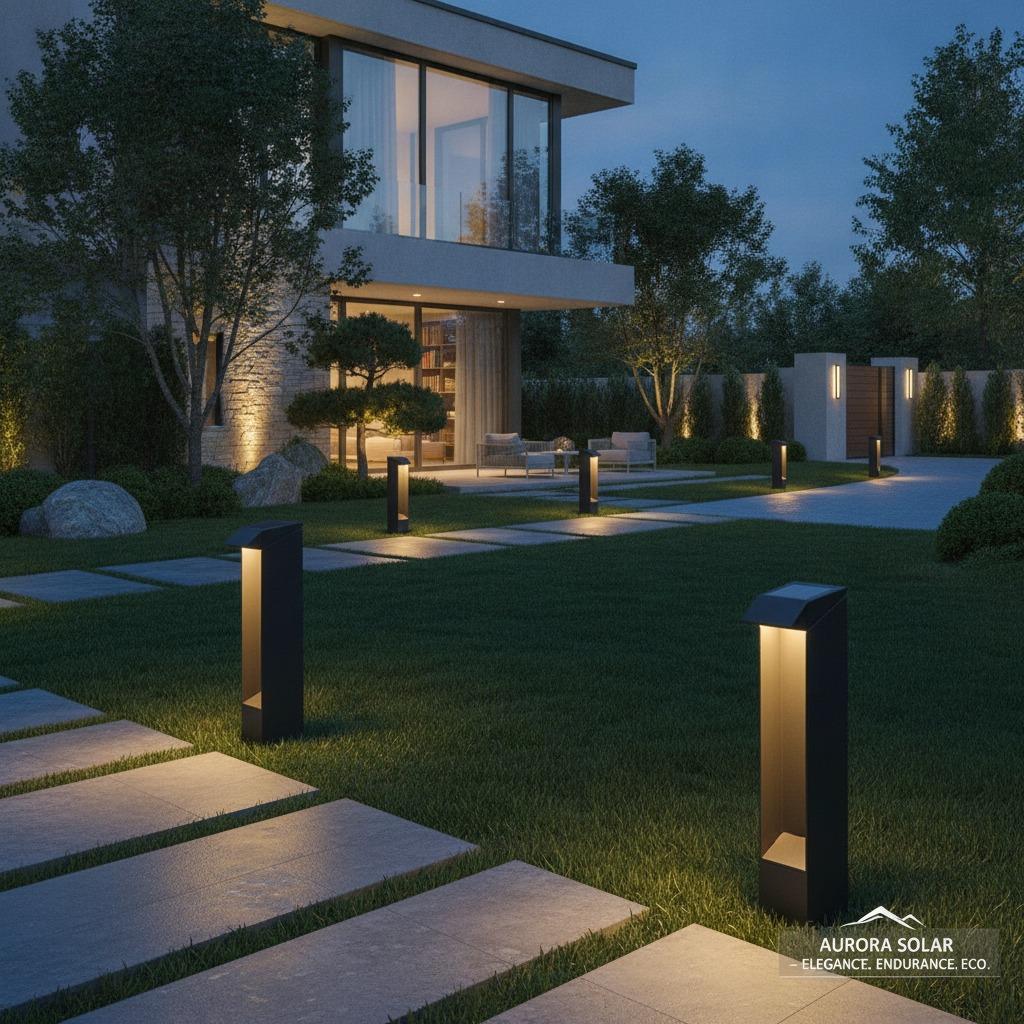
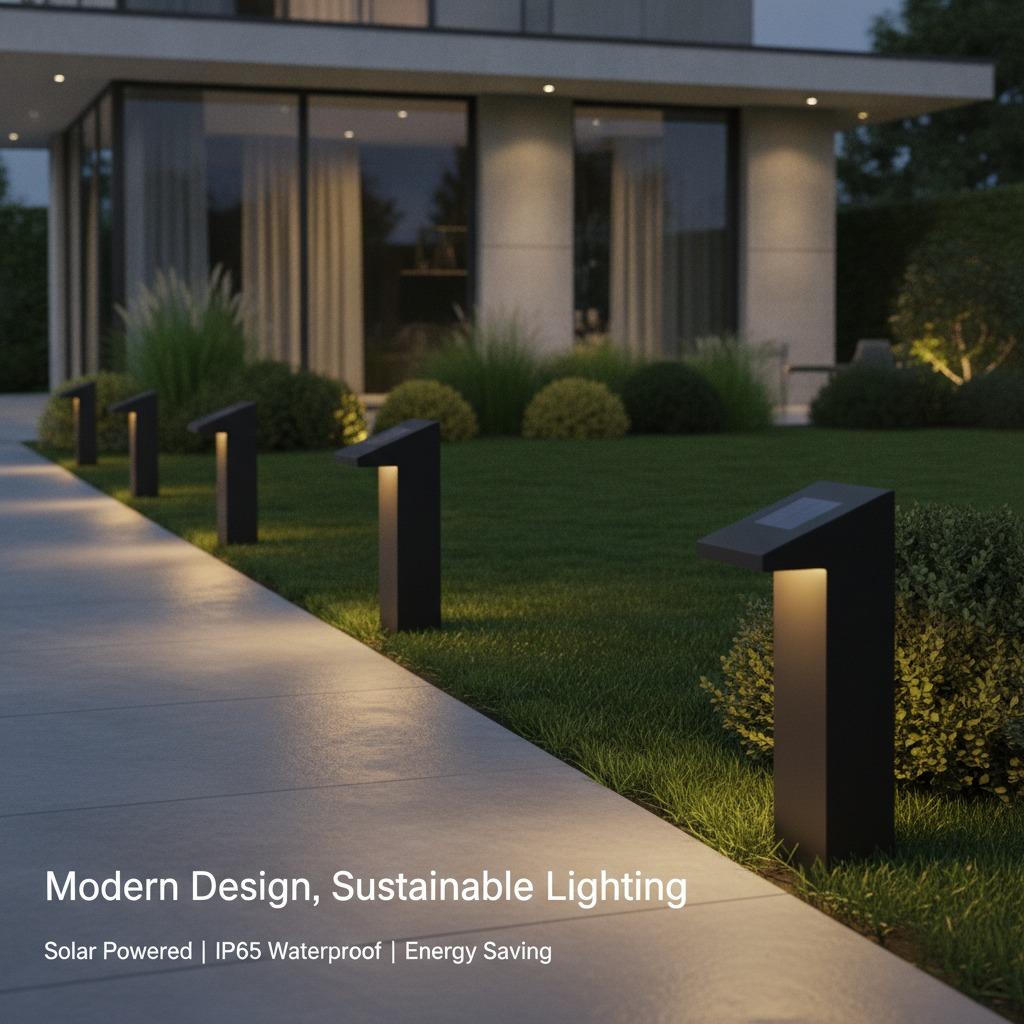
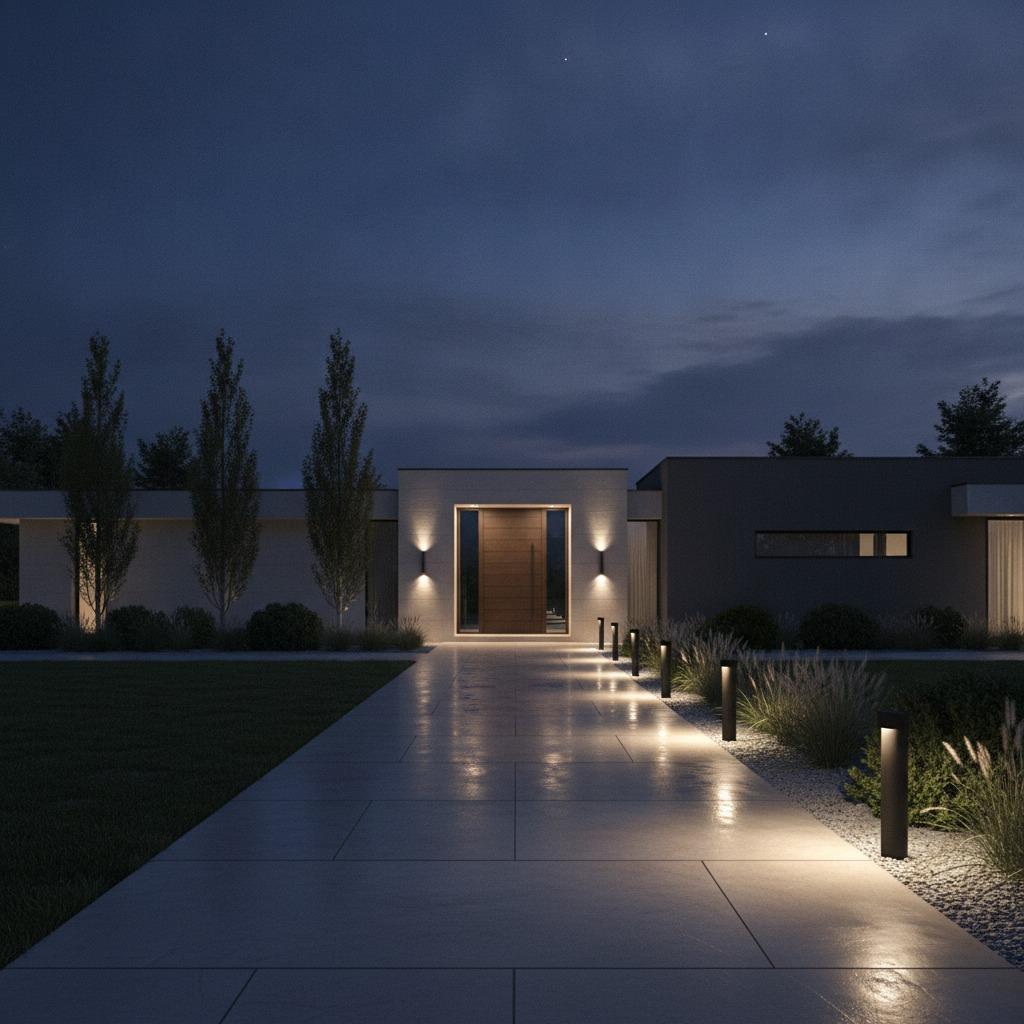
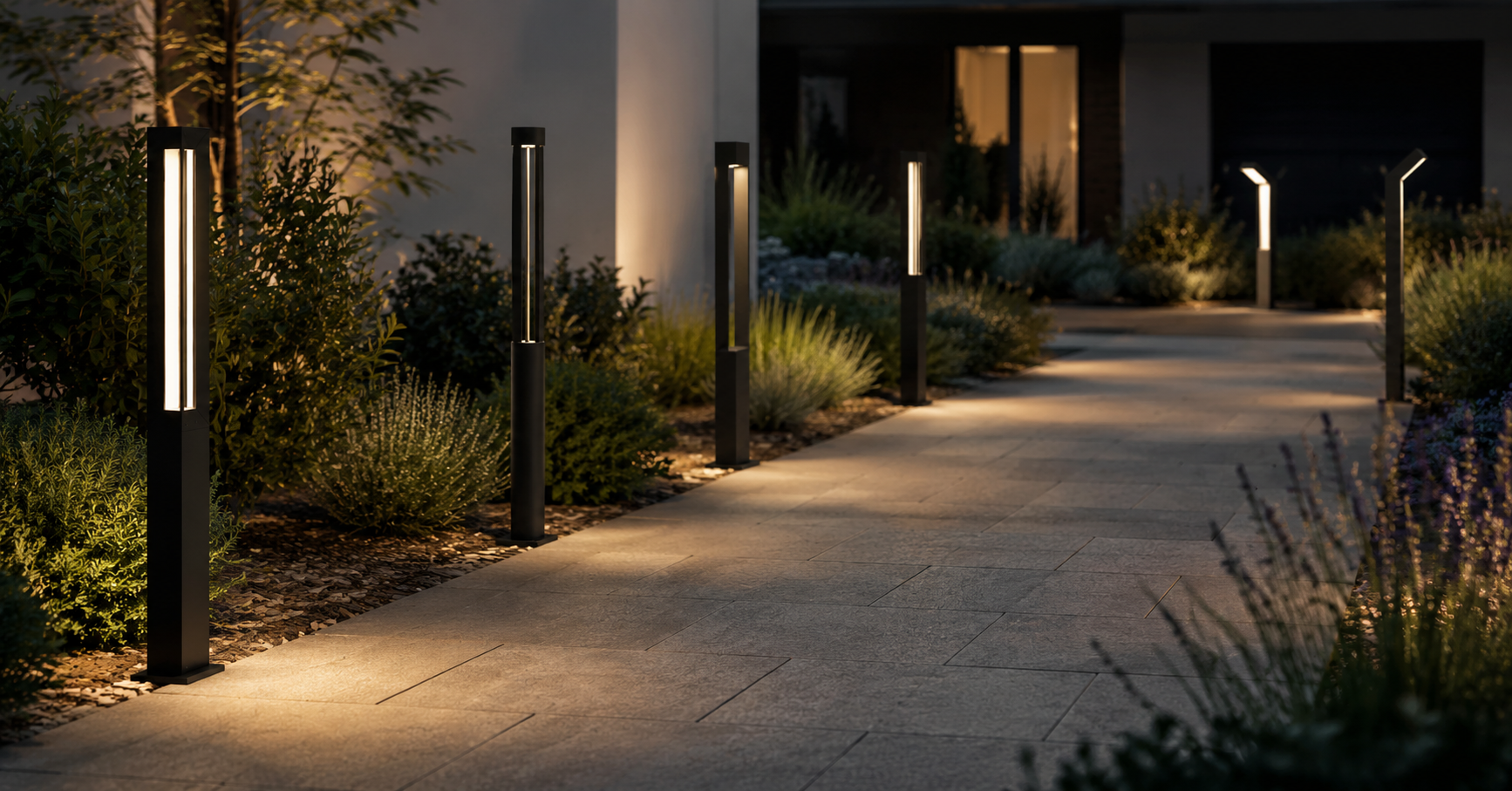
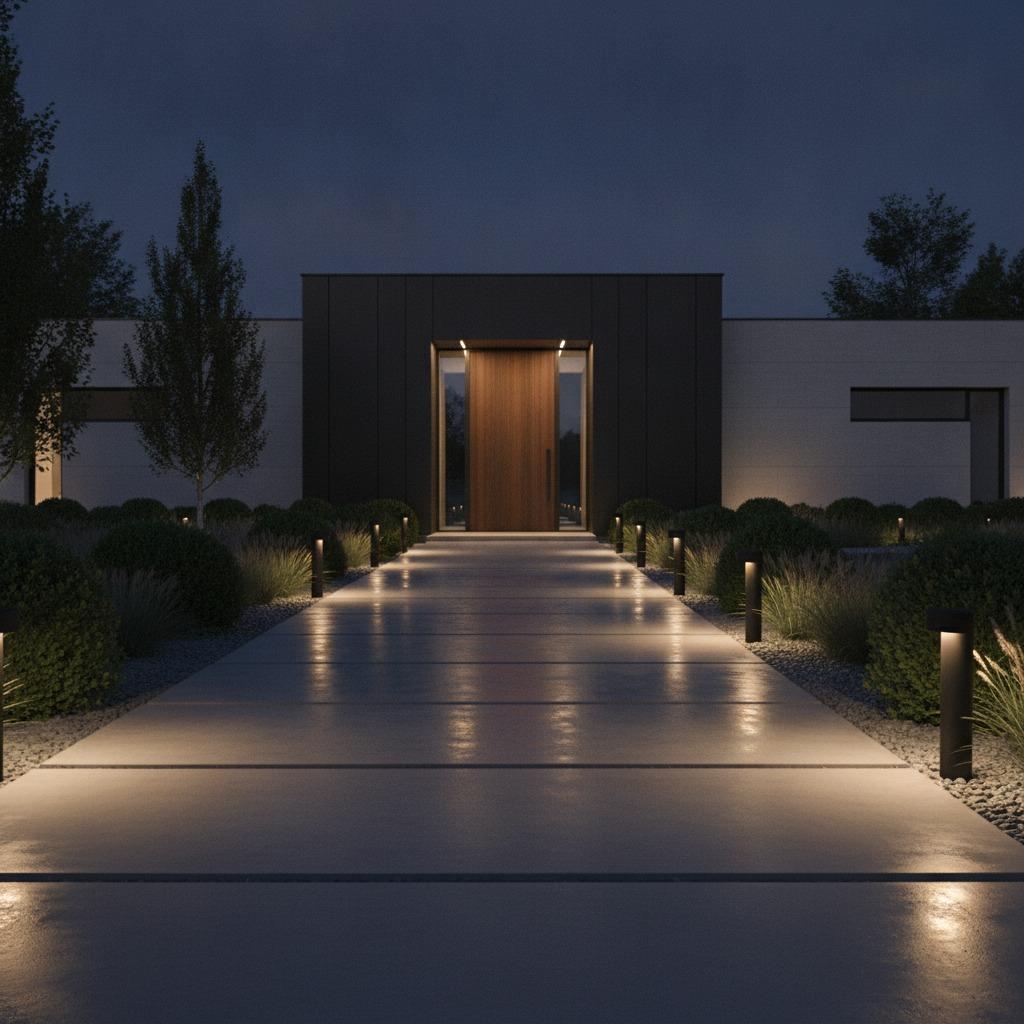
The visible fixture style here is a good example of practical design doing quiet work. Short, freestanding bollard-style lights, spaced in a line along the path, give the eye a rhythm to follow. The warm glow is gentle, not theatrical. In other words, it helps people see where they’re going without blinding them like a badly aimed flashlight at a campsite.
What this type of LED outdoor lighting is doing well
This category of LED outdoor lighting is usually chosen for guidance, perimeter definition, and atmosphere. The form factor matters. A compact vertical post with a narrow illuminated band near the top creates low-level visibility close to the ground, which is exactly where trips and missteps happen. For designers, that makes it useful on garden edges, driveways, pathways, and entry sequences where the lighting should support the architecture instead of wrestling it for attention.
The matte black cylindrical housing also does some heavy lifting visually. Dark finishes tend to recede in daylight, so the fixtures don’t clutter the landscape when they are off. At night, the illuminated band becomes the focal point. It is a small trick, but a useful one.
Quick buyer takeaways before you compare suppliers
1. Match the fixture to the job
A path light is not a floodlight wearing a hat. Buyers looking for an outdoor LED light manufacturer should first decide whether they need wayfinding, accent lighting, or broader area illumination. Bollards and pathway lights are best when the goal is controlled, low glare guidance.
2. Ask where the light is supposed to land
In a real project, the difference between “pleasant” and “why is this so dim?” often comes down to distribution. A warm white band near the top can feel inviting, but the real question is whether it gives enough usable light on the walking surface. That’s a specification issue, not a brochure issue.
3. Finish and form are not cosmetic afterthoughts
If you are comparing an outdoor architectural LED lighting manufacturer with a more generic supplier, look closely at the housing geometry and surface finish. A clean cylindrical body, compact footprint, and consistent spacing can make a walkway look intentional rather than patched together. Landscape work is often judged by what people do not notice.
Common mistakes buyers make with outdoor path lighting
One mistake is over-lighting a border and flattening the landscape. Too much brightness along a narrow path can erase shadows and make the scene feel sterile. Another is choosing a fixture that looks good in daylight but has poor nighttime control. If the light source is exposed or too aggressive, the result is glare right at eye level, which is the opposite of hospitality.
A third mistake is treating every outdoor installation like a one-size-fits-all project. A LED landscape lighting manufacturer should be able to discuss layout, spacing, and visual intent, not just send a catalog link and wish you luck.
What to ask an outdoor LED lighting manufacturer
For sourcing teams, the useful questions are usually the unexciting ones. What is the housing material? Is the finish suitable for long-term outdoor exposure? How is the diffuser integrated? Is the fixture intended for linear spacing along a path, or is it more of a standalone accent? If the supplier cannot answer these clearly, that is a small warning bell. Not a siren, but definitely a bell.
You should also ask whether the product line includes variations for different landscape styles. Some projects need the fixture to disappear into a modern setting; others want a more decorative presence. The right outdoor LED lighting manufacturer will understand that these are not the same brief wearing different shoes.
FAQ: a few practical questions
Is this fixture better for residential or commercial use?
Based on the visible design, it can suit both, especially where the goal is walkway guidance and a restrained architectural look. The final fit depends on performance details that are not visible here.
Why use a warm white appearance?
Warm light tends to feel softer and more inviting in garden and approach settings. It is often preferred where people want visibility without the cooler, harsher look associated with some utility lighting.
What should buyers check first?
Check the application, the housing quality, the outdoor suitability, and the light distribution. Those four items usually matter more than the marketing language.
Choosing the right supplier for the project
If your brief calls for outdoor LED lighting that guides movement, supports the landscape, and avoids visual clutter, the supplier should be able to show more than a pretty rendering. Ask for fixture family options, mounting details, and clear product data once the shortlist is real. For now, the key lesson is simple: a good path light does not shout. It leads.
If you are comparing an outdoor LED lighting manufacturer, an outdoor LED light manufacturer, or a LED outdoor lighting manufacturer for your next project, start with the walkway itself. The best fixture is the one that makes people walk naturally, glance once, and keep going without thinking about it. That is the whole point.