
What buyers really want from a Solar Lawn Light Manufacturer
When sourcing from a Solar Lawn Light Manufacturer, most buyers are not just looking for a decorative fixture. They are trying to solve a very practical problem: how to light a path, define a circulation zone, and improve night-time safety without creating glare, trenching costs, or a heavy maintenance burden. That is especially true for private gardens, villa entrances, courtyards, and landscape projects where the lighting has to look calm in daylight and useful after dark.
The best Solar Lawn Lights do more than “turn on at night.” They guide people along stepping-stone paths, mark edges clearly, and add a warm layer of ambiance without overpowering the garden. For sourcing managers and product teams, the real decision is usually about balance: appearance, durability, ease of installation, and how well the fixture fits the project’s visual language.
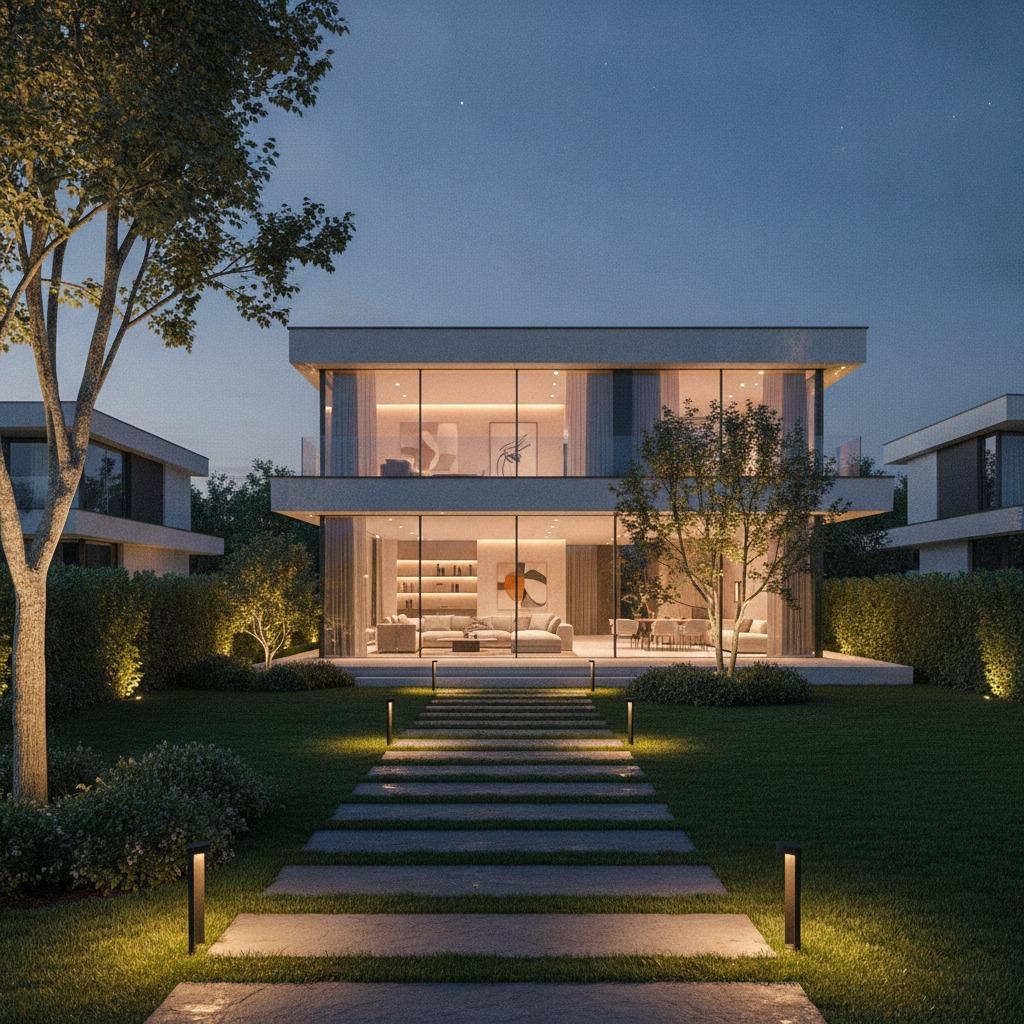
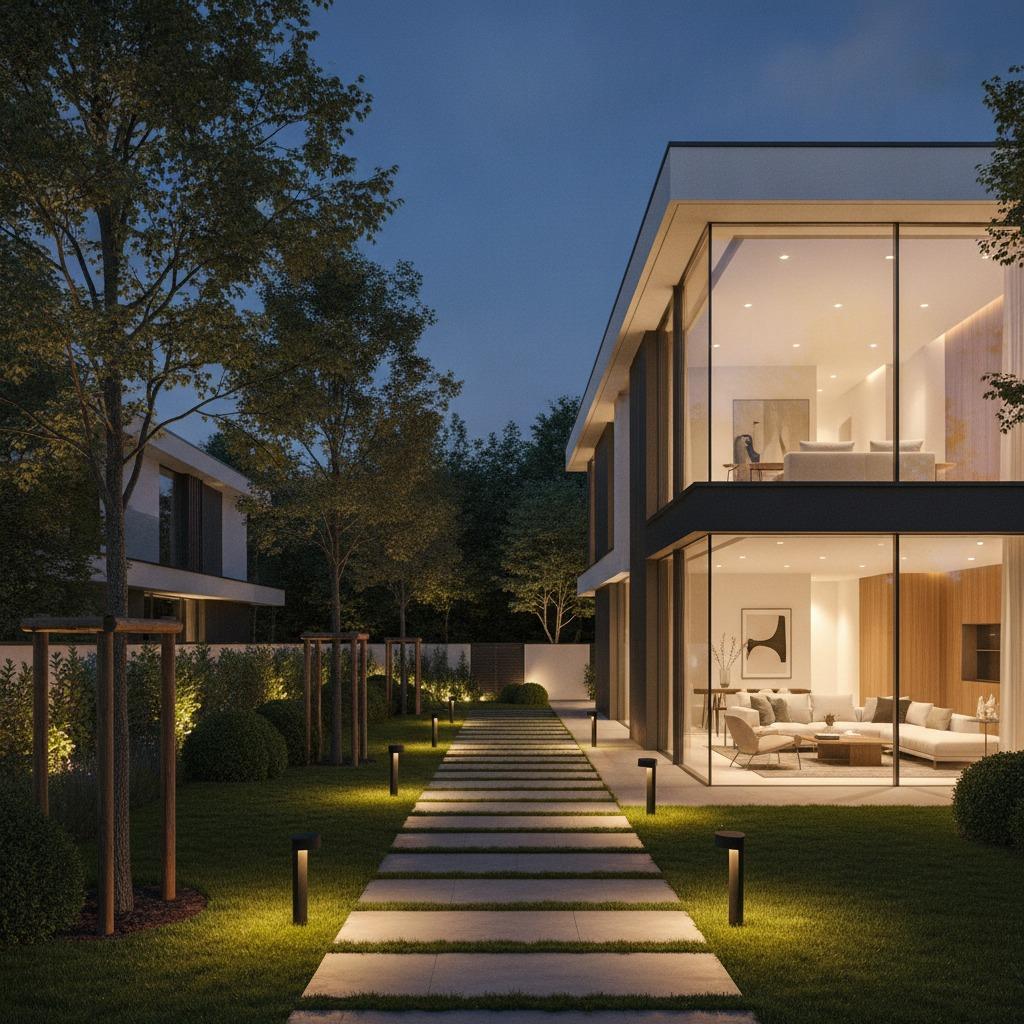
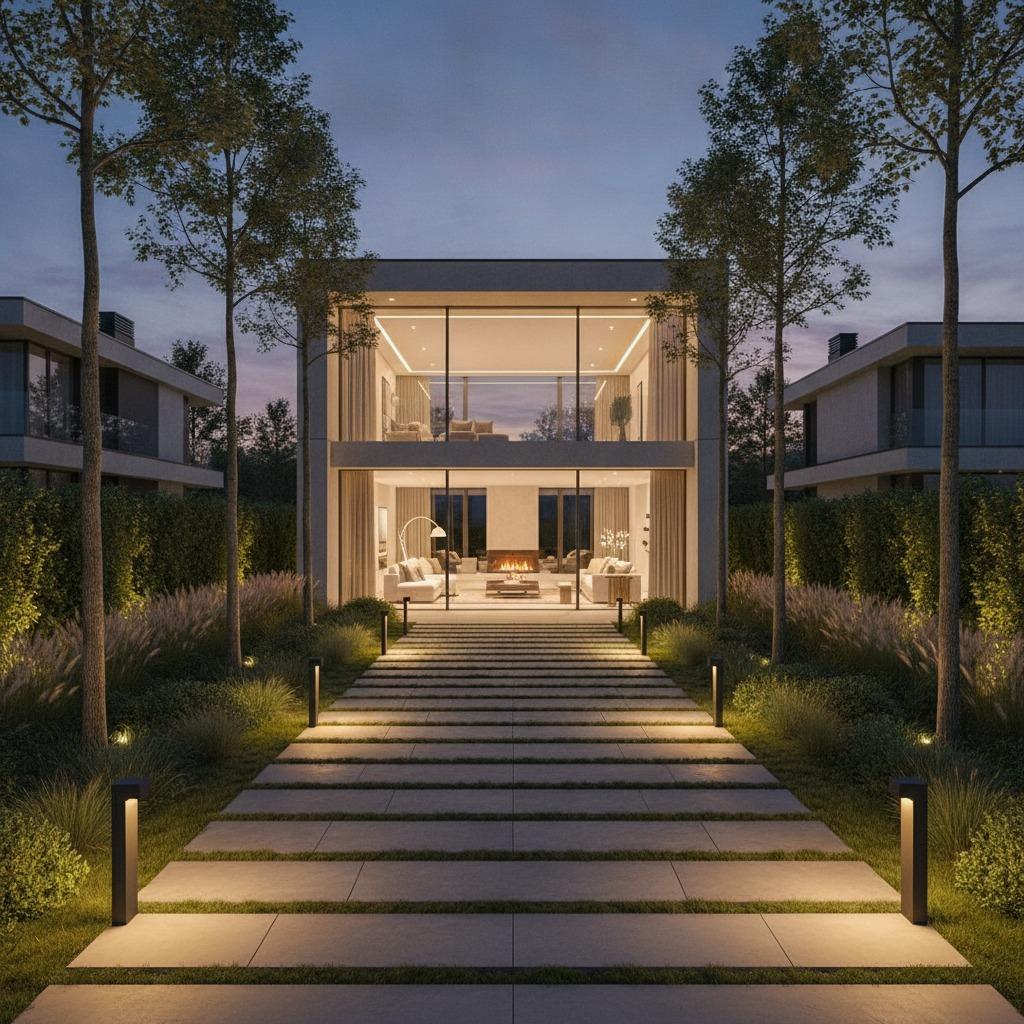
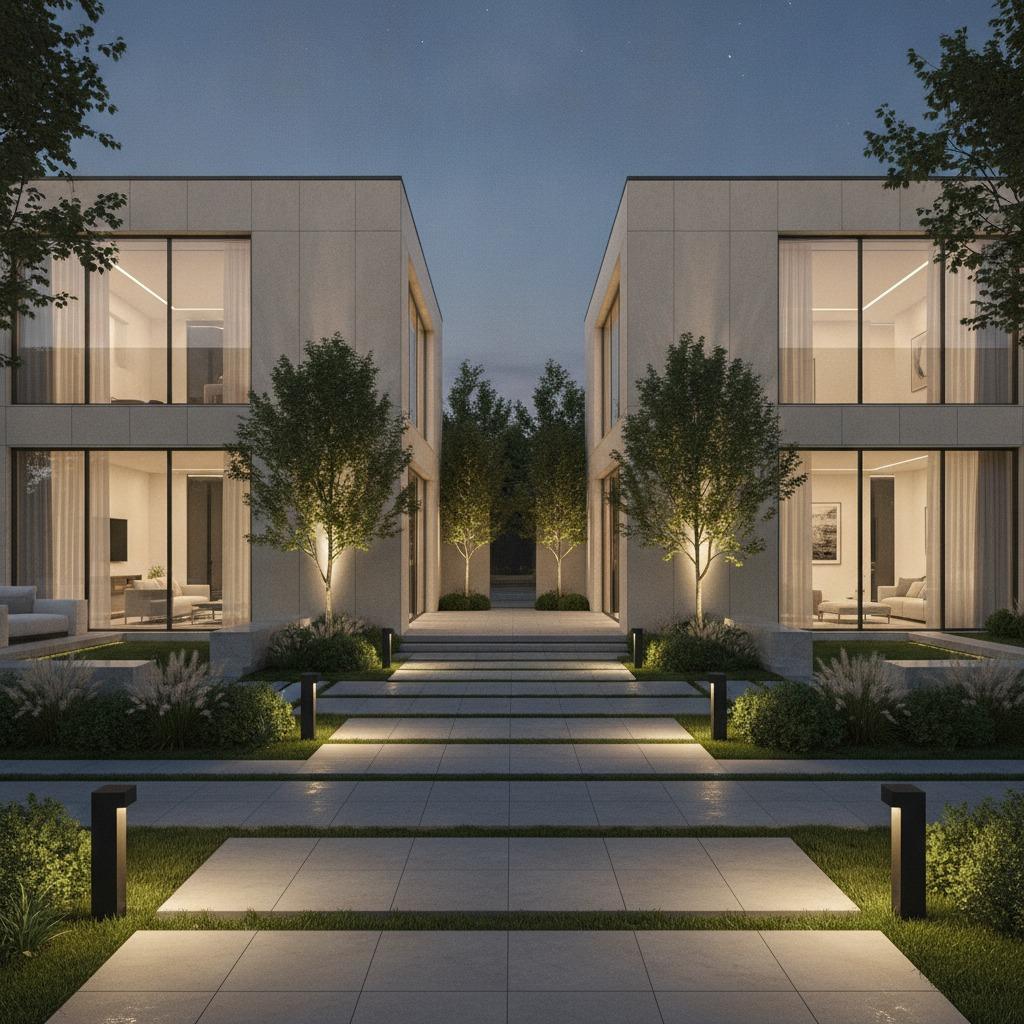
What the product image tells you
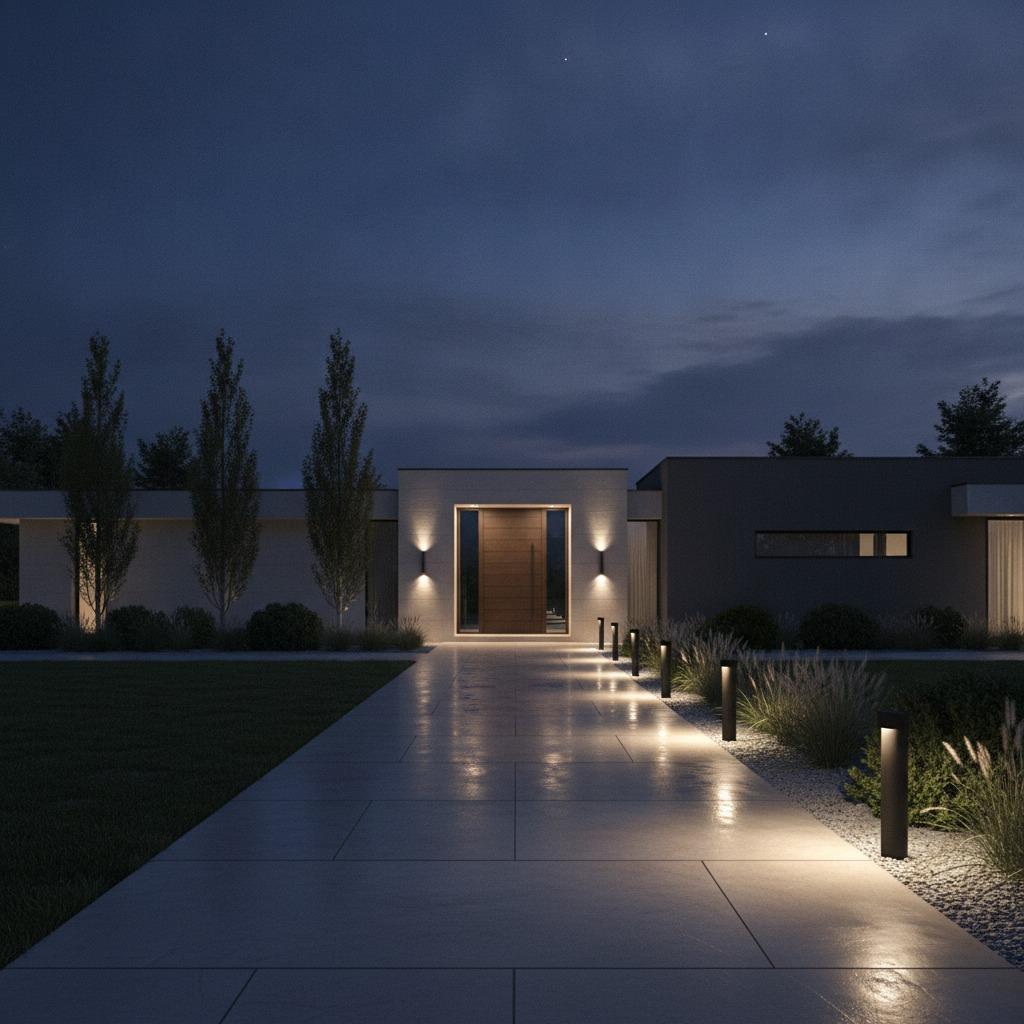
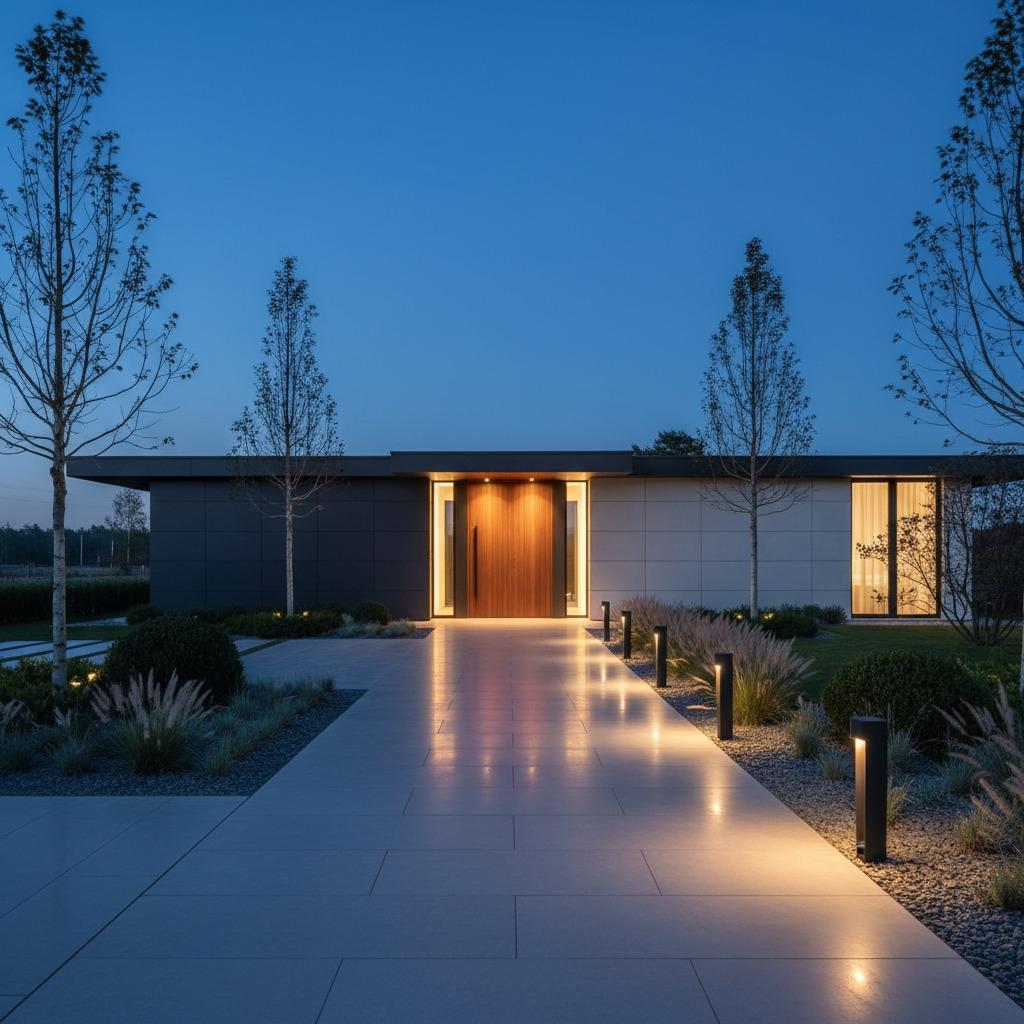
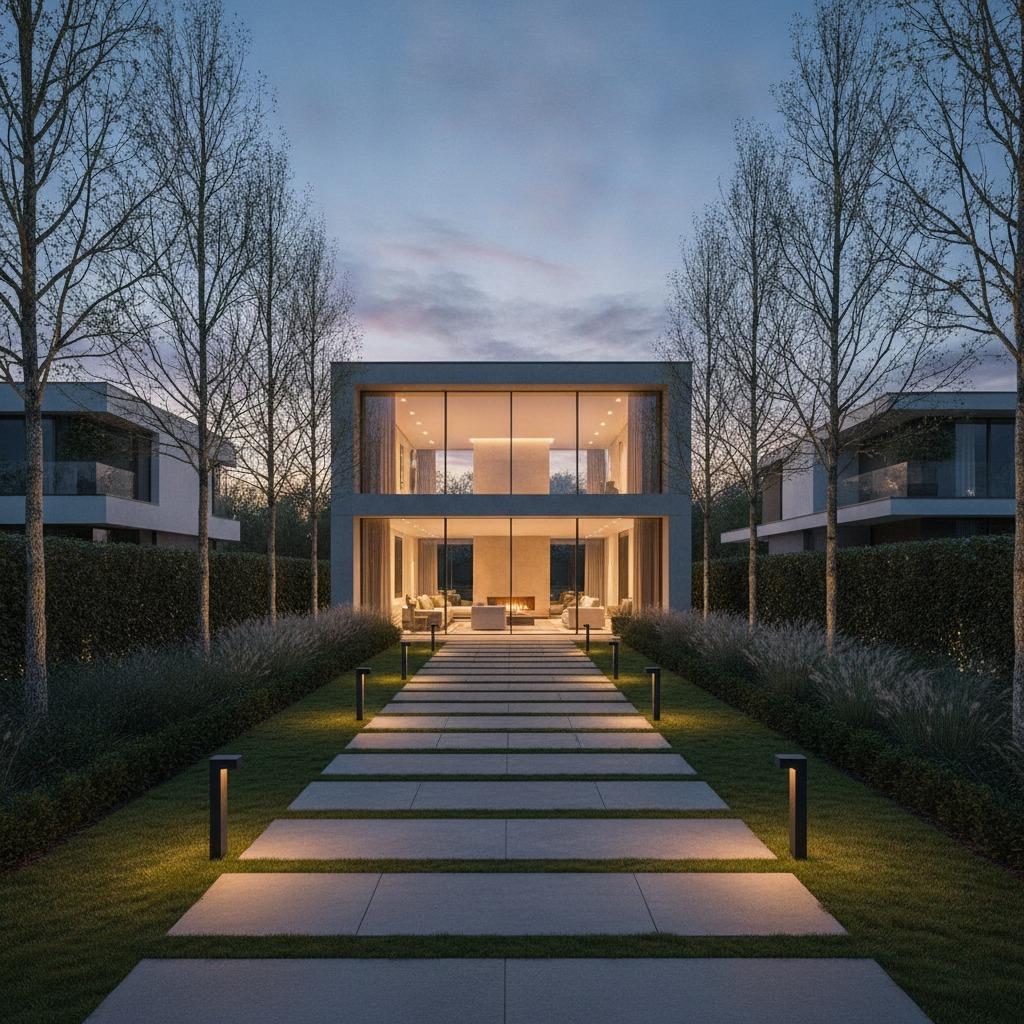
The visible fixture style in this category is low-profile and orderly, set at regular intervals along a walkway. That pattern matters. It suggests the product is being used as pathway lighting rather than broad-area illumination, which is the right approach for most residential landscape applications.
A few practical points stand out:
The light is cast downward and outward, which helps keep the beam controlled and preserves sightlines.
The warm-white effect creates a welcoming tone rather than a harsh utility look.
The short mounting height reduces glare, which is a common complaint with poorly chosen Outdoor Solar Lights.
The dark matte or satin finish also helps the fixtures sit quietly in the landscape. In this category, visual restraint is often a selling point. Buyers usually want the garden to look intentional, not over-lit or overly technical.
Why solar pathway lighting is a useful category to source
Solar lighting can be attractive because it reduces wiring complexity and can simplify installation in finished landscapes. That does not mean every project should use it. But for many residential and light commercial applications, Garden Solar Lights are a sensible option when the goal is low-energy, low-disruption accent lighting.
For buyers, the category is useful because it often serves three functions at once:
Wayfinding for night movement
Safety along steps, paths, and edges
Visual definition for planting beds, paving, and lawn boundaries
That combination is why buyers should evaluate these fixtures as both a lighting product and a landscape component. A good-looking fixture that performs badly on a path is still a poor choice.
Key selection criteria for project buyers
1. Light distribution
For paths and stepping-stone routes, the beam should illuminate the walking surface without producing hot spots or distracting glare. A warm, evenly spread glow is usually more effective than a bright, narrow beam.
2. Mounting height and spacing
Low mounting height works well when the aim is to define a route rather than flood it. The regular spacing shown in this category is a good reminder that layout matters as much as fixture design. Too far apart, and the path feels broken. Too close, and the installation can look busy or overdone.
3. Finish and visual integration
A dark finish often helps the fixture blend into soil, grass, mulch, or paved surroundings. In premium residential settings, that visual quietness can be more important than buyers initially expect.
4. Weather resistance and build quality
This is where sourcing teams should slow down and ask detailed questions. Do not assume that all Solar Lawn Lights are built the same way. Confirm the actual material, sealing, and outdoor suitability claims from the supplier before committing to a project.
Common mistakes when sourcing outdoor landscape lights
One common mistake is choosing by appearance alone. A fixture may look refined in a photo, but if it creates glare or feels flimsy in outdoor conditions, it will not satisfy the end user for long.
Another mistake is overspecifying brightness. For a garden walkway, more light is not always better. The visible design approach here is about controlled guidance, not stadium-level output. Buyers who understand that tend to choose better products.
A third issue is ignoring installation context. A linear path with stepping stones has different needs than a driveway or a broad lawn. The product should match the circulation pattern, not fight it.
What to ask a Solar Lawn Light Manufacturer before ordering
Before placing an order, buyers should ask for the basics in writing: exact material, light source type, weatherproof performance details, installation requirements, and available sizes or finishes. If the manufacturer cannot clearly explain how the product is intended to be used, that is a warning sign.
It is also worth asking whether the fixture is designed primarily for decorative accent use, functional path illumination, or a mix of both. That answer helps avoid mismatched expectations later, which is where many landscape lighting projects run into trouble.
FAQ
Are Solar Lawn Lights suitable for private gardens?
Yes, especially where the goal is to outline paths, improve visibility, and keep the lighting soft and residential in character.
Do Outdoor Solar Lights always replace wired lighting?
Not always. They can be a strong fit for many small to mid-scale landscape projects, but they are not a universal substitute for wired systems.
What makes Garden Solar Lights practical for pathway use?
Their low mounting position, simple placement along a route, and ability to create a controlled warm glow make them well suited to circulation areas.
Next step for buyers
If your project needs pathway lighting that looks clean in daylight and supports safe movement at night, start by comparing fixture form, material clarity, and outdoor performance details rather than focusing only on price. A capable Solar Lawn Light Manufacturer should be able to explain how the product supports residential walkways, garden routes, and perimeter accents without overpromising. That is the kind of sourcing conversation that usually leads to fewer surprises later.