
What Buyers Really Need from a Solar Lawn Light Manufacturer
When sourcing from a Solar Lawn Light Manufacturer, most buyers are not just shopping for a lamp. They are trying to solve a site-planning problem: how to light a path, guide movement, and keep a landscape looking deliberate after dark. For residential villas, garden walkways, hospitality grounds, and modern home exteriors, that usually means Solar Lawn Lights that are low-glare, visually quiet, and consistent from fixture to fixture.
The best products do not shout for attention. They define circulation routes, mark edges, and add a warm nighttime layer without turning the garden into a runway. That matters because exterior lighting sits at the intersection of safety, aesthetics, and maintenance. Get one of those wrong and the whole installation feels off.
Why This Lighting Style Is So Often Specified
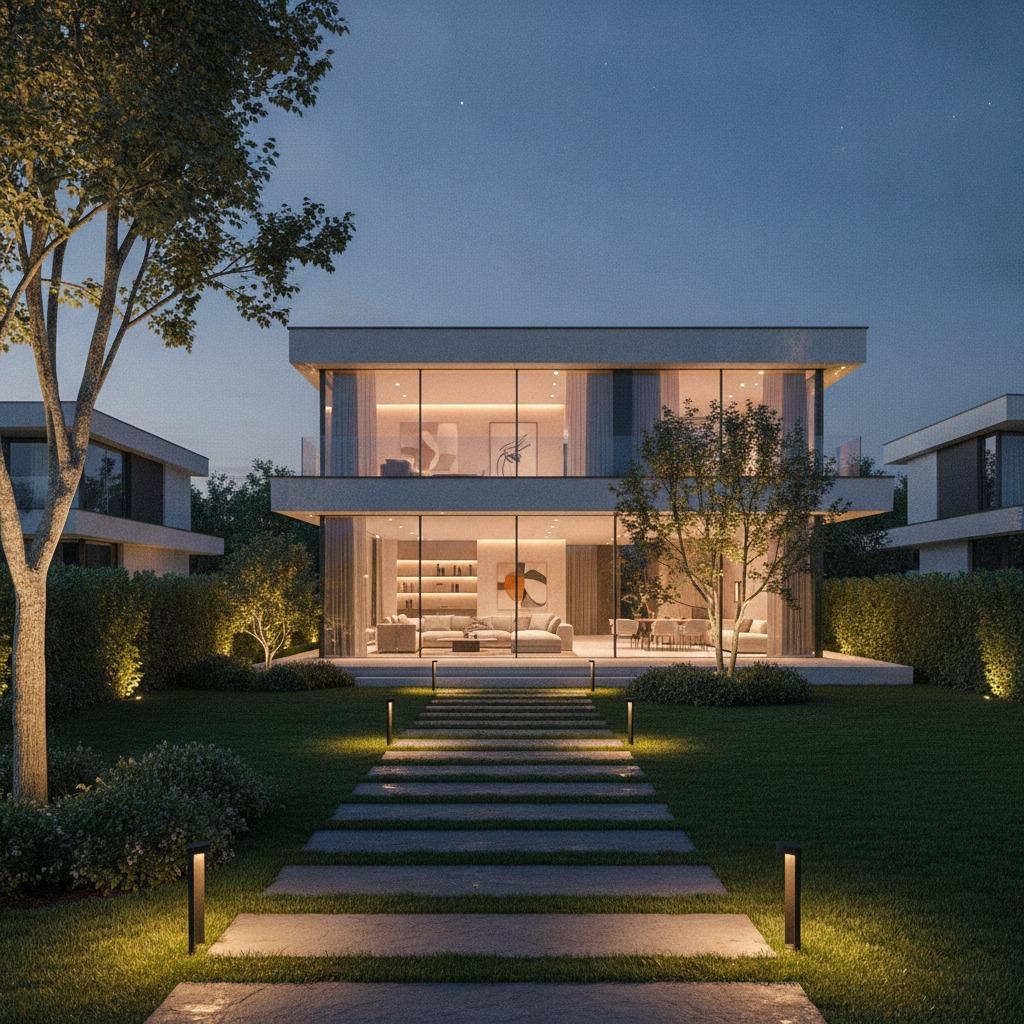
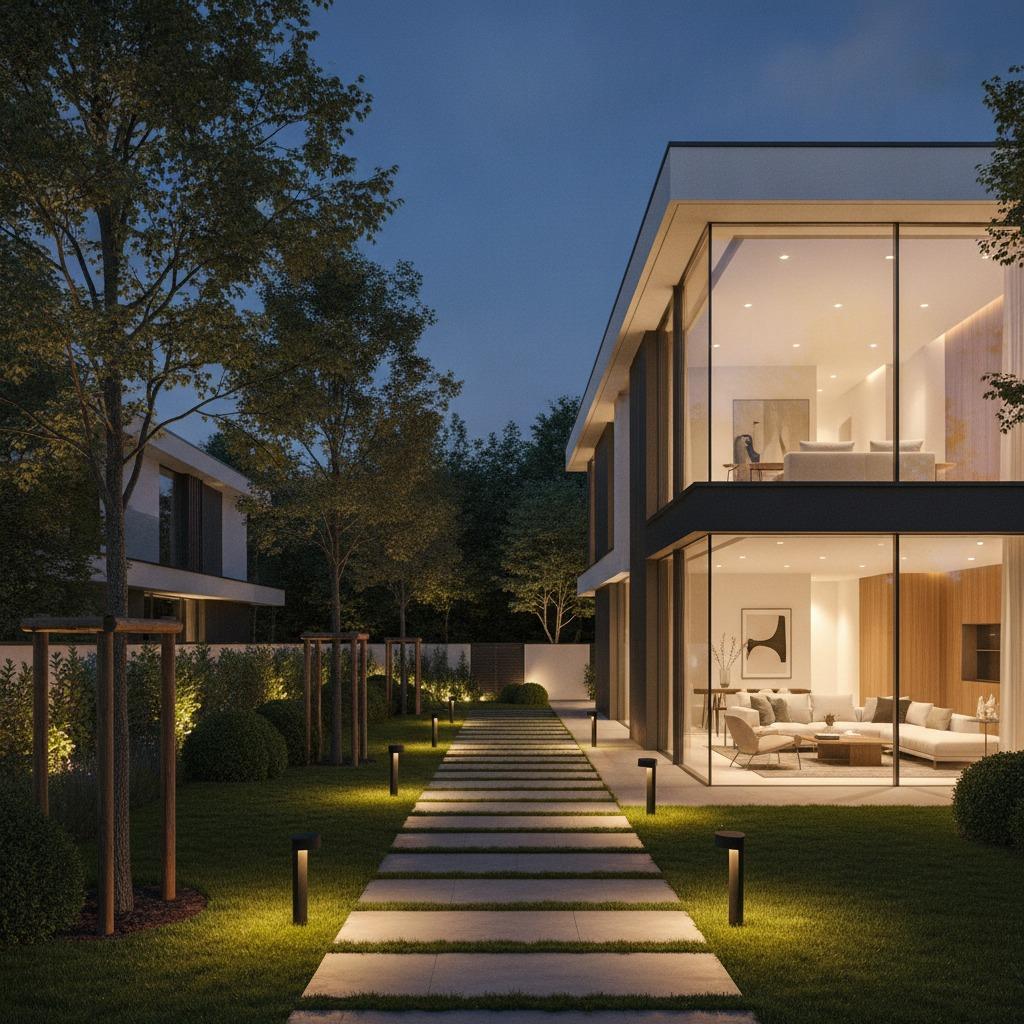
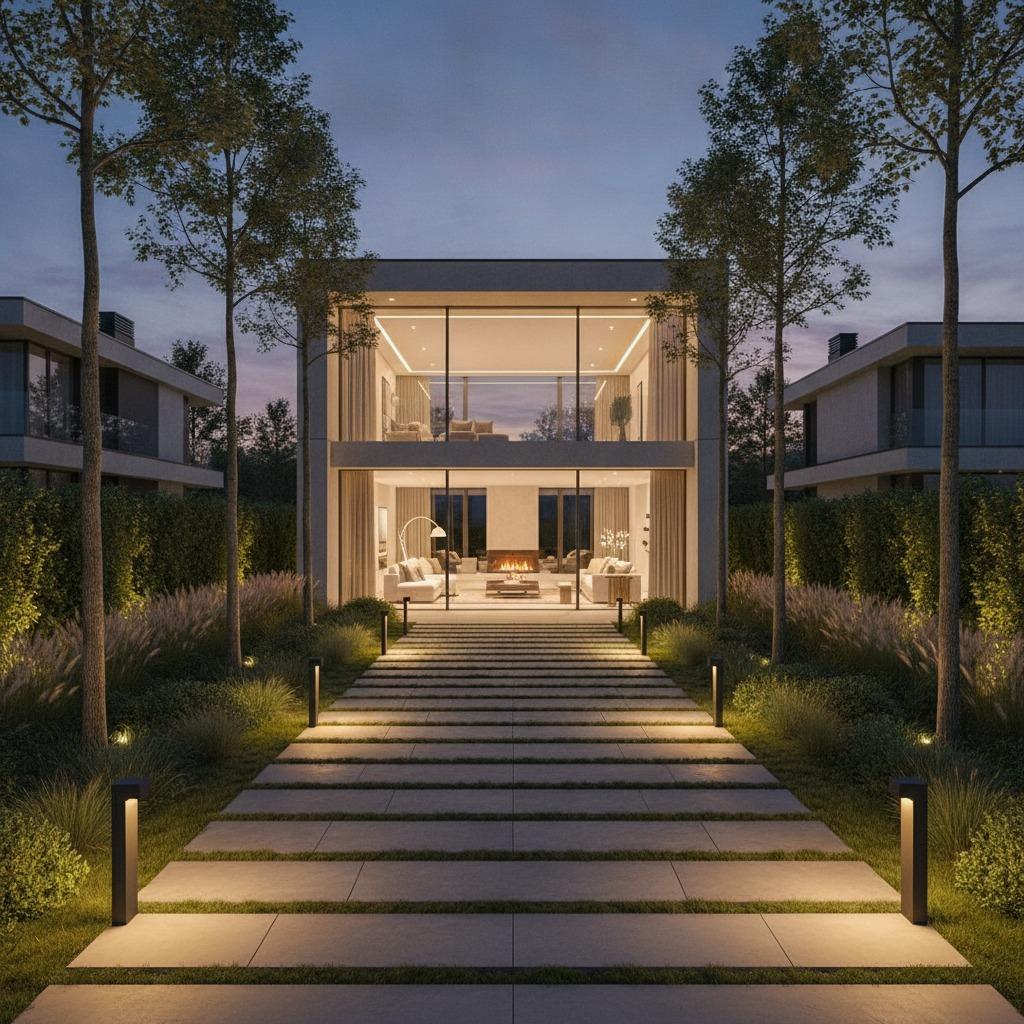
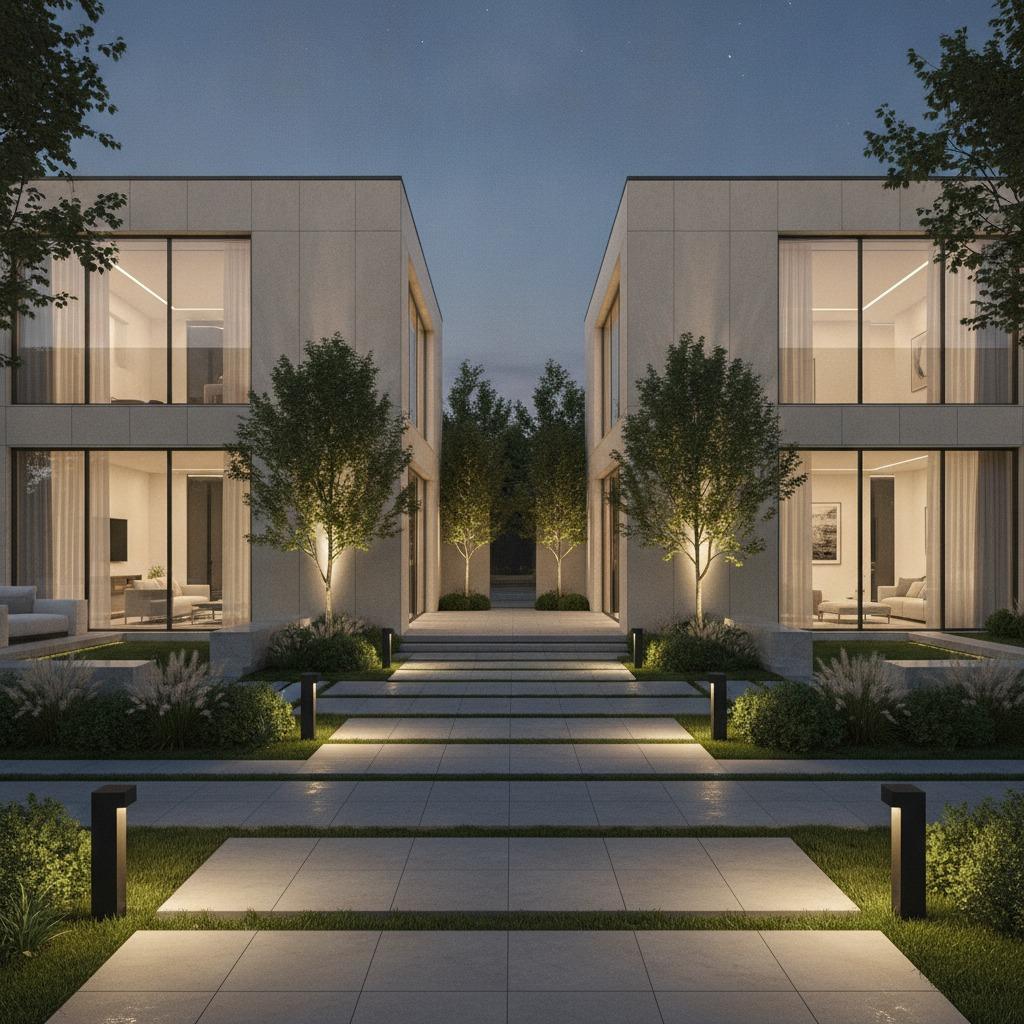
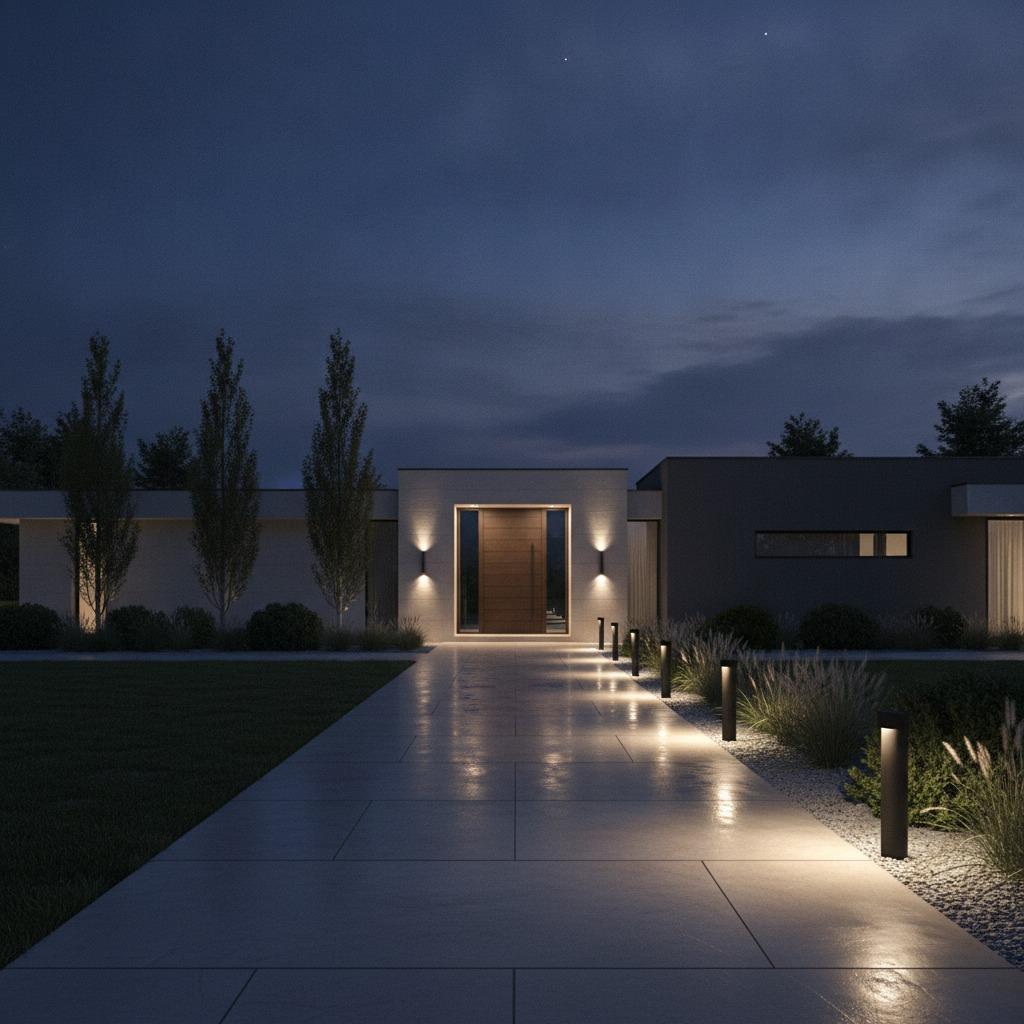
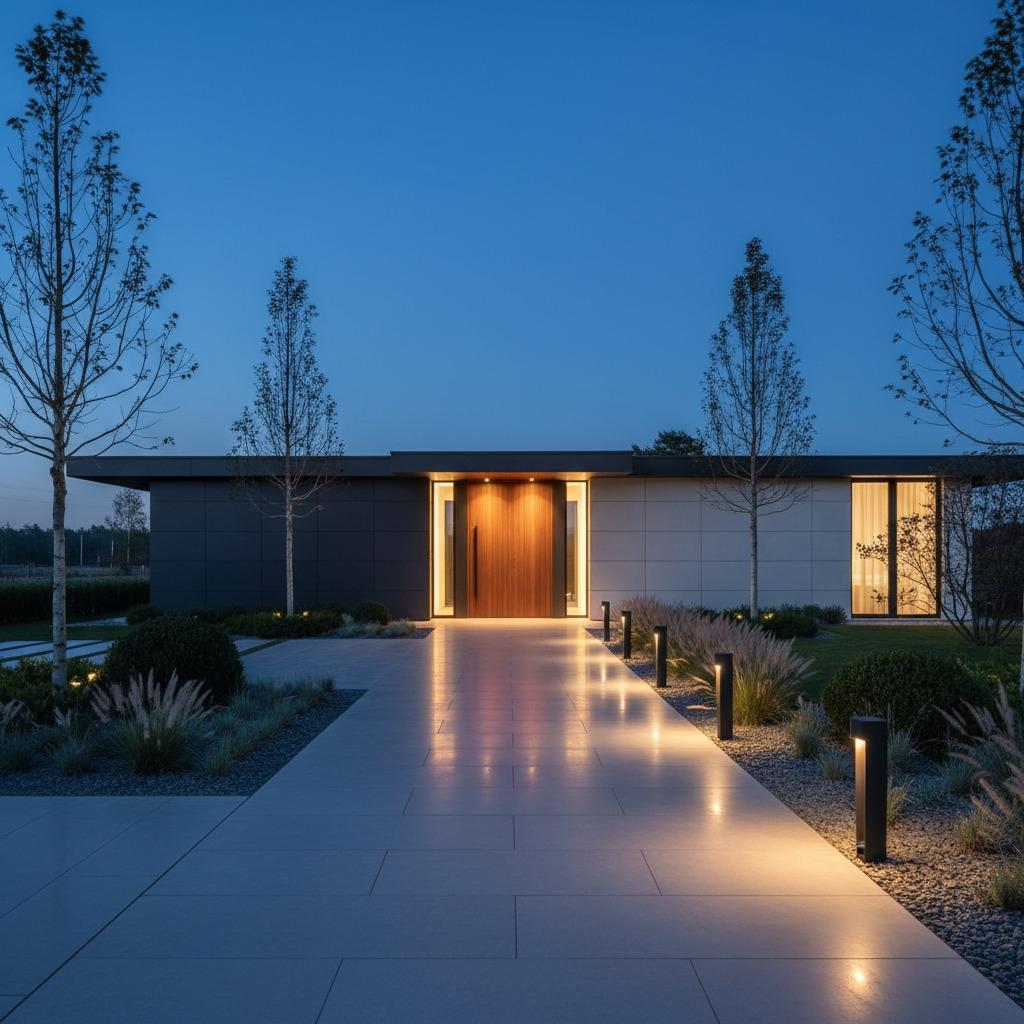
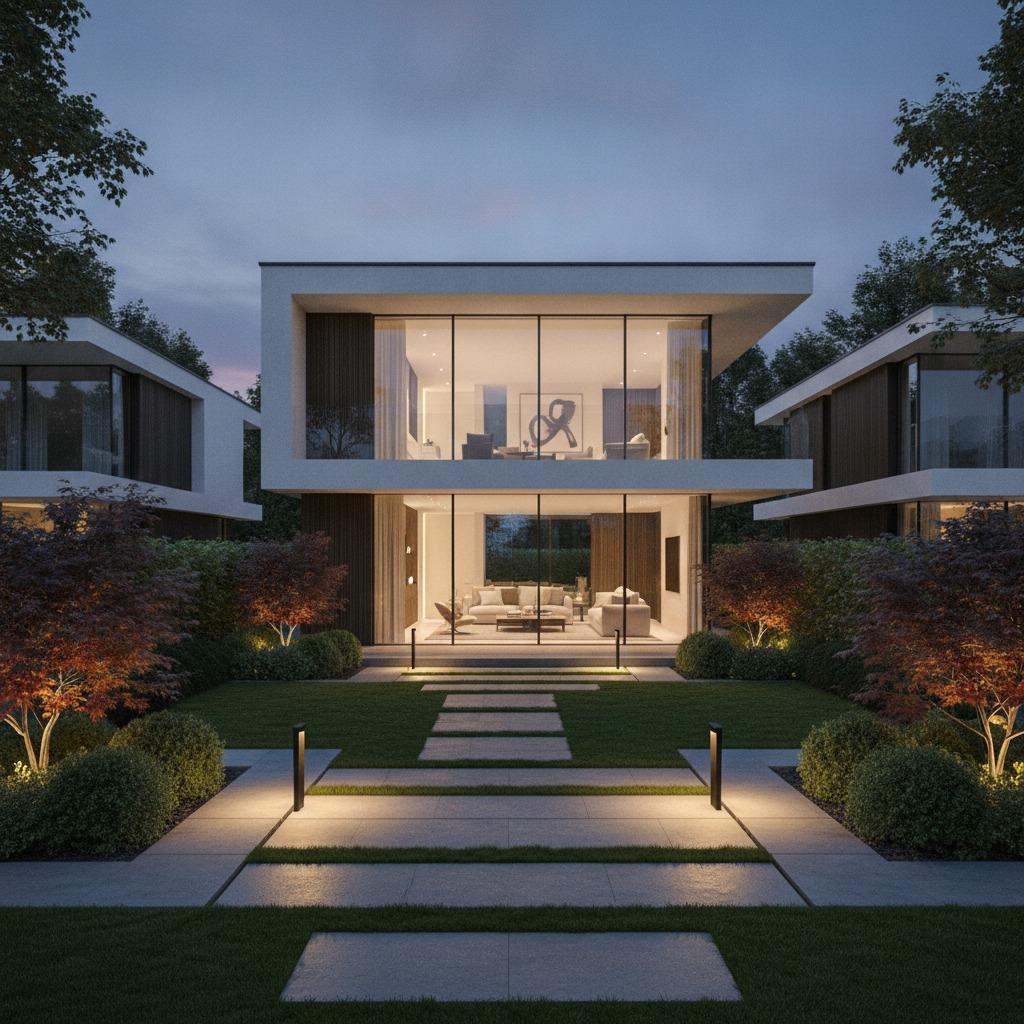
The product type visible in many contemporary landscape projects is a mix of low-profile bollard/path fixtures and, in some layouts, recessed or step-style linear lights along paving edges. Used together, they create a clear route with a calmer visual footprint than pole lights or floodlights. The result is practical: people can see where to walk, but the light source itself stays restrained.
That is a useful distinction for buyers comparing Outdoor Solar Lights against conventional wired landscape fixtures. Solar can reduce trenching and simplify installation in some projects, but the real decision is broader. You need to ask whether the site has enough sun exposure, whether the lighting will be used every night, and whether the project is meant to prioritize quick deployment or long-run performance. There is no single answer that fits every driveway or garden path.
Common Product Formats and What They Do
Low-profile bollard lights
These are the fixtures many people picture first. They are short, vertical posts installed at regular intervals along a driveway or path. In contemporary settings, they often use dark matte or satin-finish housings with a rectangular geometry, which helps them blend into hardscape layouts rather than dominate them. For route definition, they are dependable and easy to read visually.
Recessed or linear path lighting
Some projects also integrate light bands near ground level, tucked into edges or steps. These are especially helpful where the design calls for subtle guidance and a clean architectural look. They can be a smart choice for step safety, edge marking, and highlighting paving lines, though buyers should be careful: recessed fixtures are only as good as the installation details around them.
Garden accent lighting
Garden Solar Lights often do more than illuminate the ground. They can support the overall composition of a landscape by adding warm pools of light, framing planting beds, or linking the building façade to the exterior walkways. The key is restraint. Too much brightness flattens the garden and makes it look improvised.
Selection Criteria That Matter More Than Marketing Copy
Start with the site. A south-facing open lawn, a shaded courtyard, and a long driveway do not need the same fixture strategy. Then look at the lighting goal. Is the main need wayfinding, ambient atmosphere, or safety at step edges? That answer should decide fixture height, spacing, and beam behavior.
Buyers should also pay attention to finish quality and form. In the kind of architectural installation described here, repeated modular spacing and uniform warm light are part of the value. If the housings look cheap or the spacing feels uneven, the whole path can appear patchy even if the lights technically work. Small visual inconsistencies are surprisingly noticeable at night.
One practical caution: do not assume a solar product will perform equally well in all climates or seasons. Performance depends on sun exposure, layout, and how heavily the lights are expected to run. For higher-traffic residential or hospitality paths, that question matters more than a polished brochure may suggest.
What Manufacturers Should Be Able to Support
A serious supplier should be able to discuss installation context, fixture form, material finish, and how the lighting is intended to be used in landscape architecture. For projects like residential driveways, garden paths, and upscale exterior entrances, buyers usually want products that are visually consistent, easy to integrate into hardscape work, and suitable for a repeated layout.
In this category, useful manufacturing support often includes guidance on spacing, mounting approach, and coordination with paving or landscaping contractors. Since the visible examples are architectural in character, the manufacturer should understand that the light is part of the site design, not a standalone add-on.
Common Buyer Mistakes
The first mistake is choosing brightness without thinking about glare. Path lighting should guide, not dazzle. The second is ignoring the surrounding materials: light-colored paving, grass joints, and reflective surfaces can make the same fixture look very different once installed. The third is treating all exterior lighting as interchangeable. A driveway entry, a garden walkway, and a hospitality courtyard each ask for a different balance of spacing and mood.
Another common issue is buying on appearance alone. A clean modern shape is important, yes, but the real test is whether the system will still look orderly after installation, weather exposure, and routine use. That is where the better manufacturers tend to separate themselves.
Practical Buyer Advice Before You Request Samples
If you are shortlisting a Solar Lawn Light Manufacturer, ask for clear product photos, installation guidance, and details on the intended application. Confirm whether the fixture is meant for walkways, edges, or accent use, and make sure the proposed spacing matches the site width and circulation pattern. If the supplier cannot explain how the light supports the landscape layout, that is a warning sign.
For architects and sourcing teams, the most useful benchmark is not a sales claim but a real site condition: can the lighting create a warm, even, low-glare path that supports movement and still leaves the garden looking composed? If the answer is yes, you are probably in the right product category.
Next Step for Project Teams
Before ordering Outdoor Solar Lights or any landscape path system, map the route, note the required lighting purpose, and collect images of the hardscape finish, planting density, and expected nighttime effect. That makes supplier conversations faster and far more precise. If your project leans toward a modern, architectural look, prioritize fixtures that can be repeated cleanly along the path and integrated into the site without visual clutter.
For buyers comparing options across residential, hospitality, or high-end landscape work, the right Solar Lawn Light Manufacturer is the one that understands both the product and the setting it serves.