
Choosing a Solar Lawn Light Manufacturer for Path Lighting Projects
If you are sourcing for a walkway, courtyard, or villa garden, the real question is usually not whether Solar Lawn Light Manufacturer options exist. It is whether the product you choose will still look neat, throw usable light, and survive outdoor exposure after the first season of weather. That is why buyers comparing Solar Lawn Lights, Outdoor Solar Lights, and Garden Solar Lights need more than a product photo. They need a supplier that understands how landscape lighting behaves on the ground, not just in a catalog.
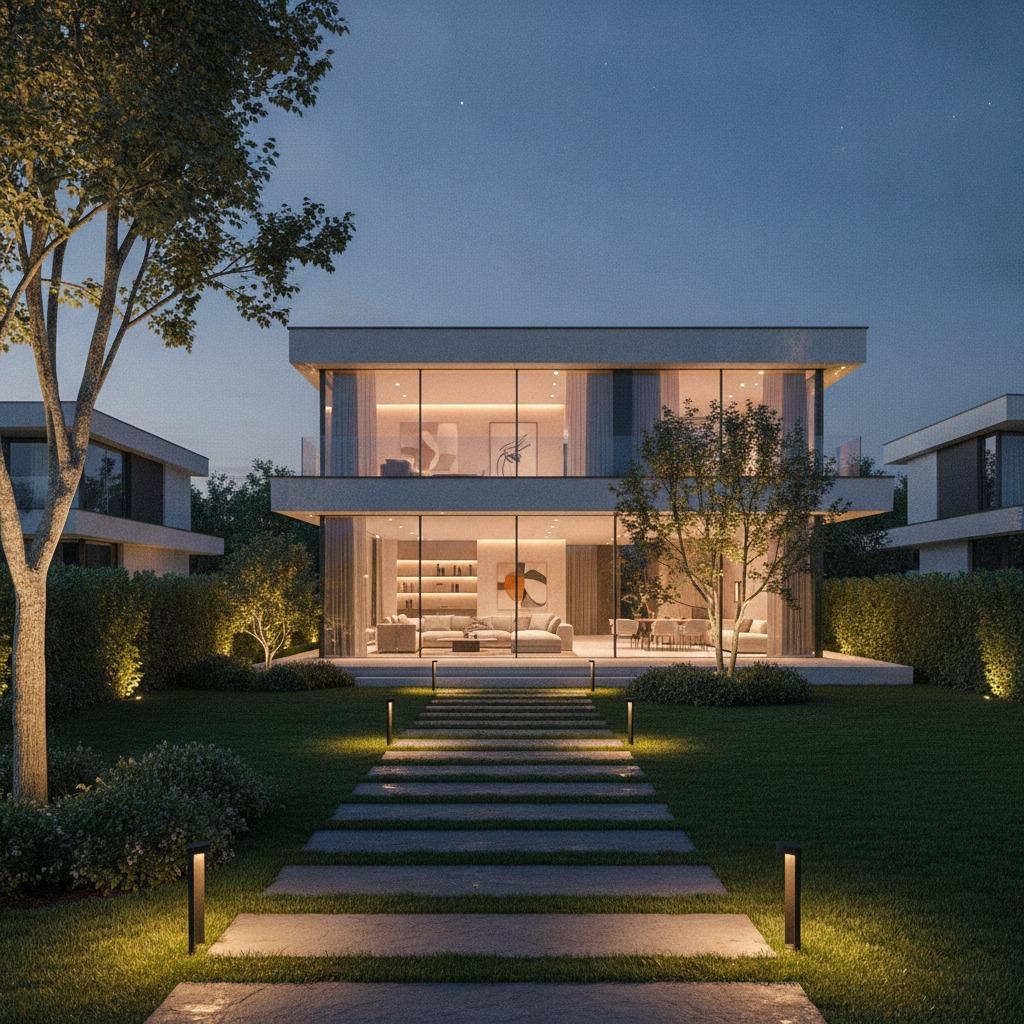
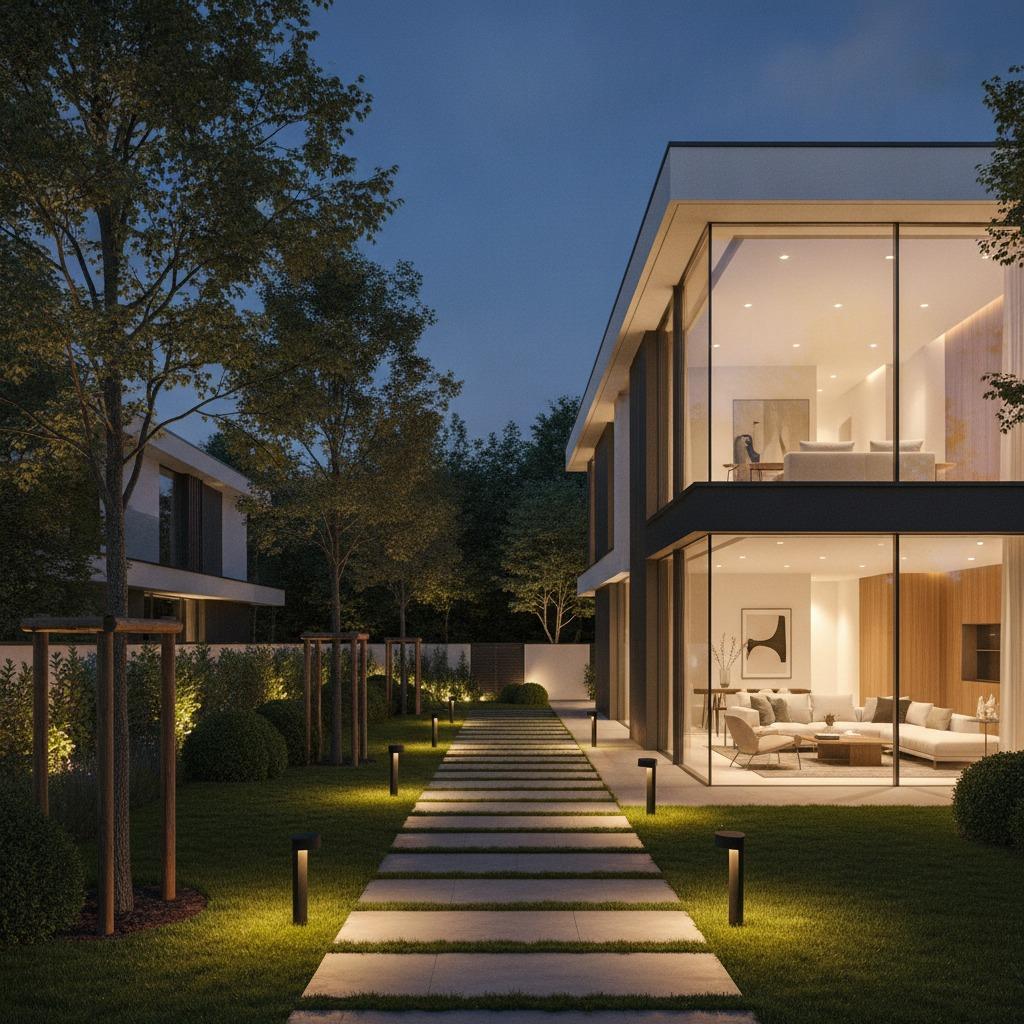
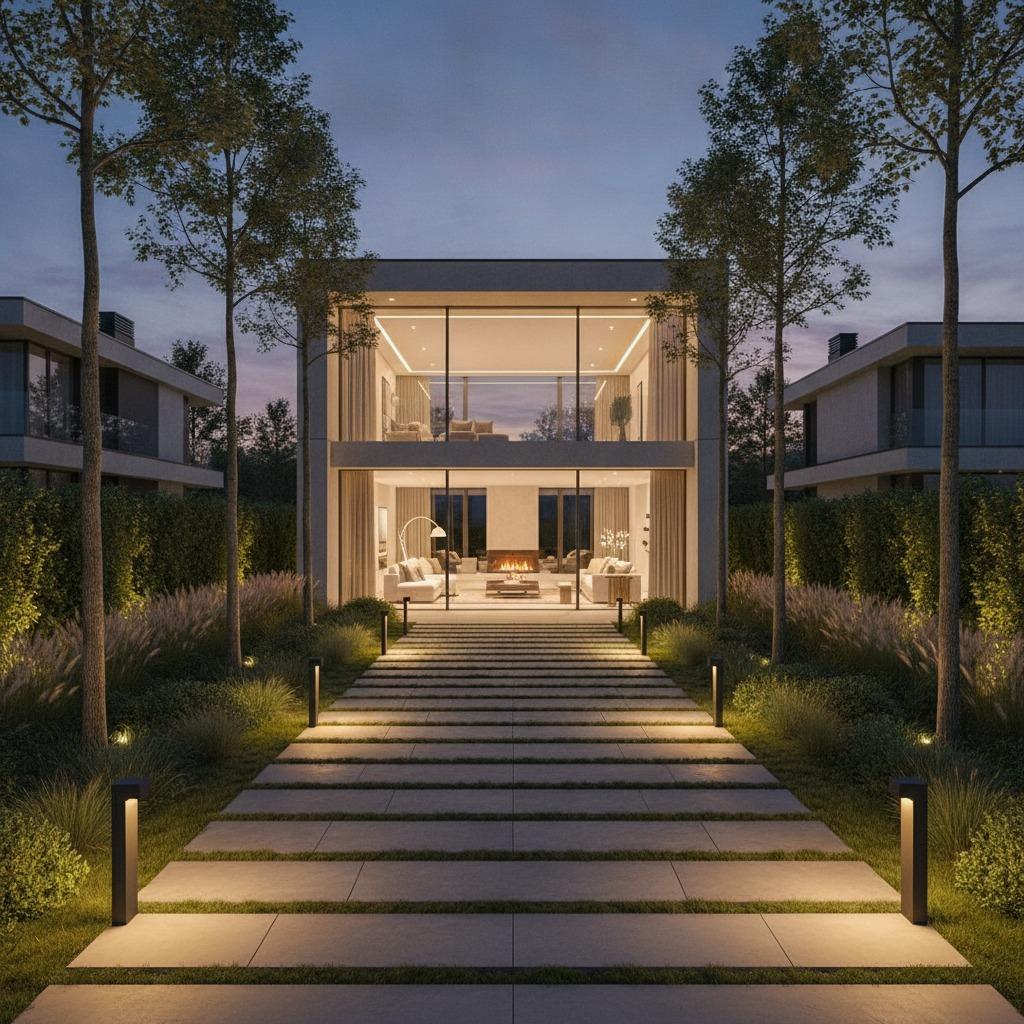
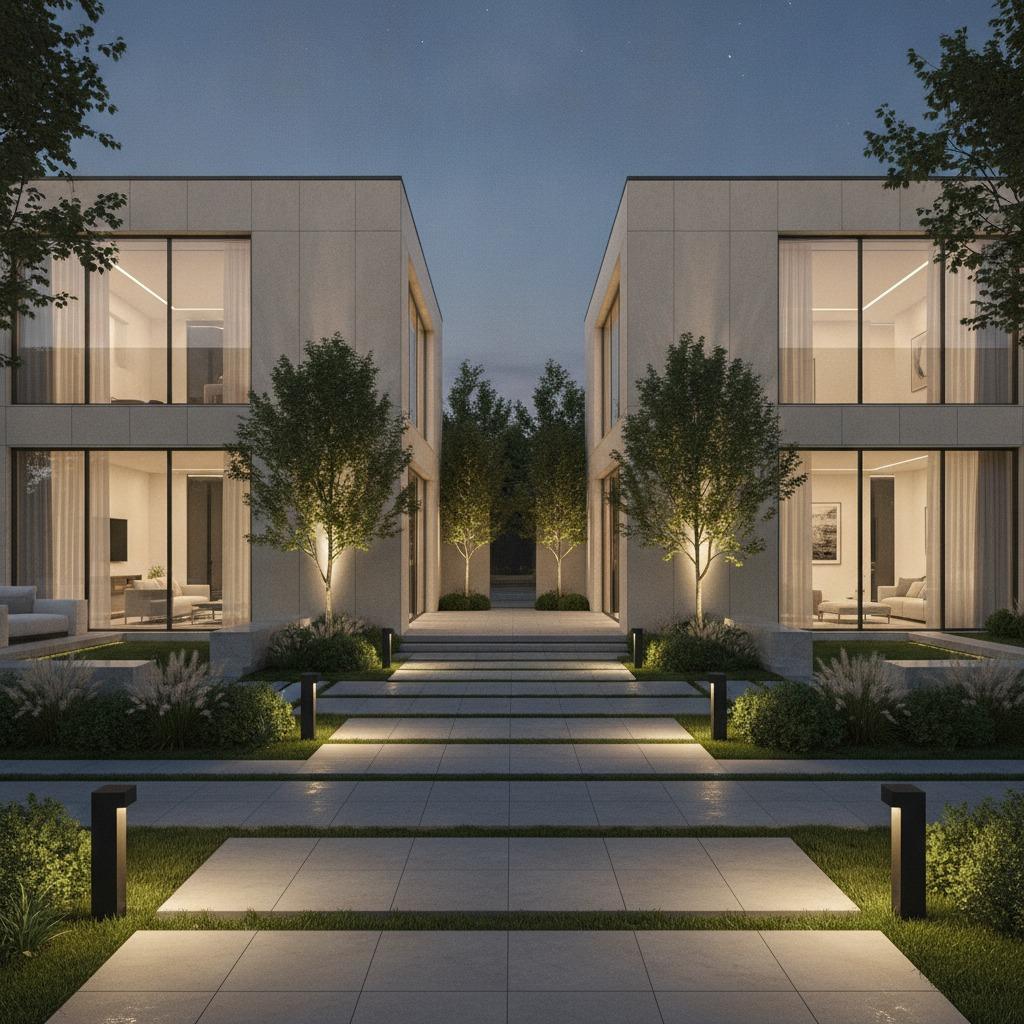
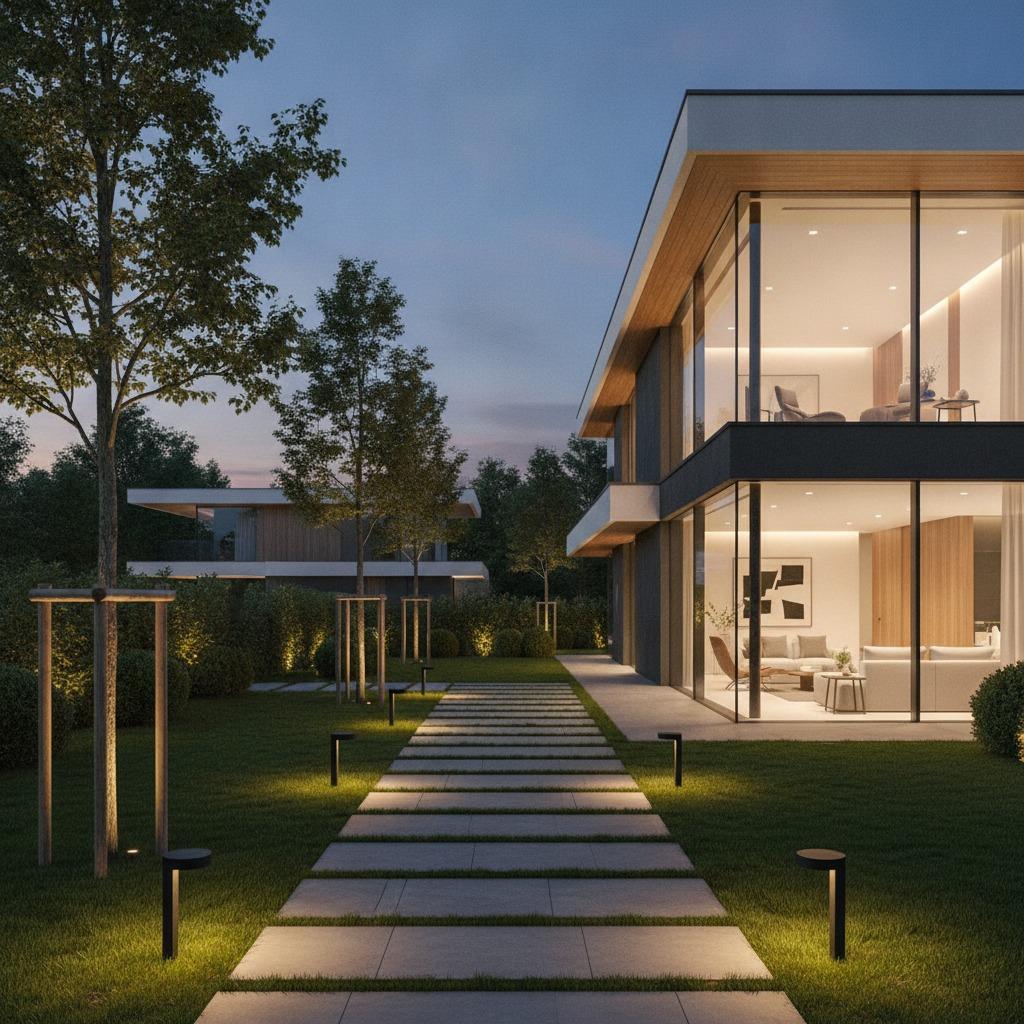
The scene is familiar: a linear garden path, low-profile fixtures spaced along the edges, warm light falling onto stone pavers and grass strips. It looks simple. It usually is not. Poorly made path lights can create glare, uneven pools of light, or a cluttered look that fights the architecture instead of supporting it. A good manufacturer helps you avoid that problem before it reaches the site.
What this type of lighting is trying to do
For residential gardens, private estates, hotel paths, and driveway edges, the job is usually wayfinding first, decoration second. People want to see where they are stepping. Designers also want the path to feel calm and composed at night, not overlit.
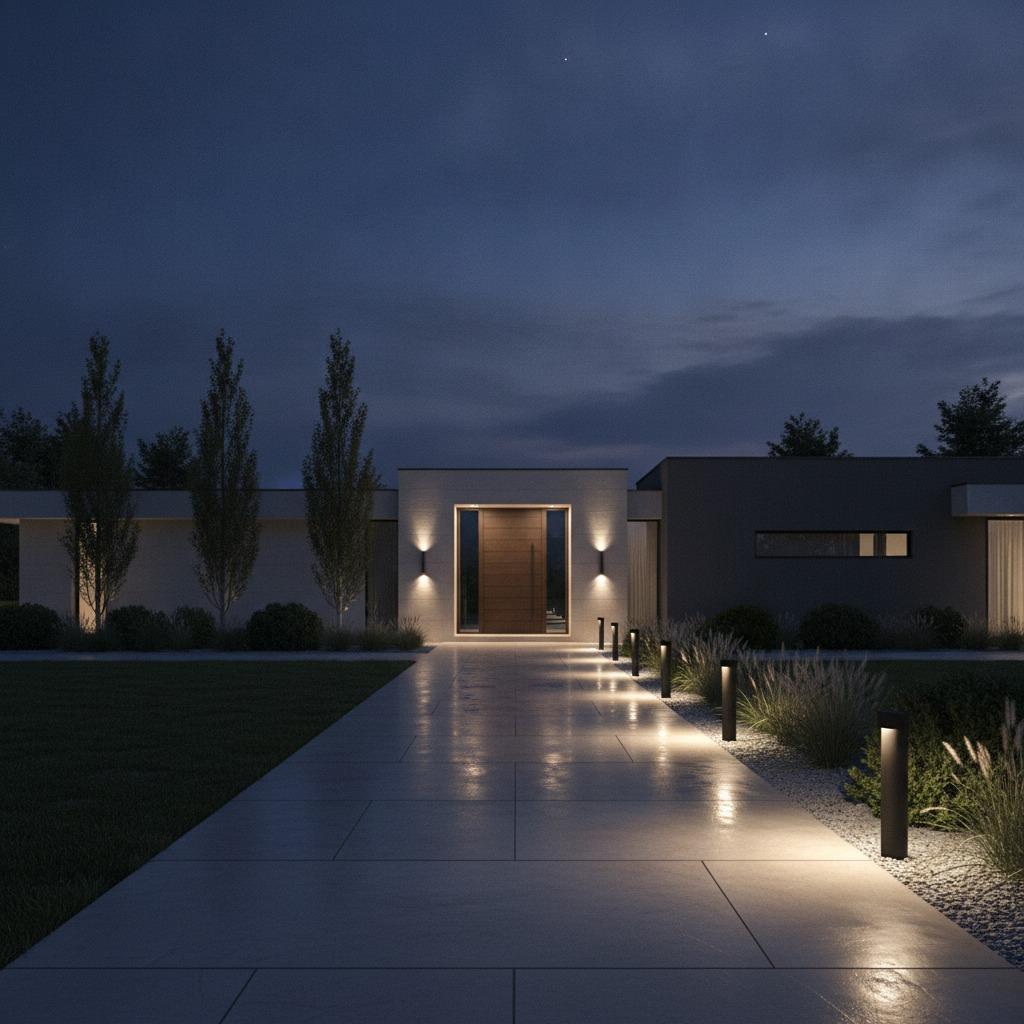
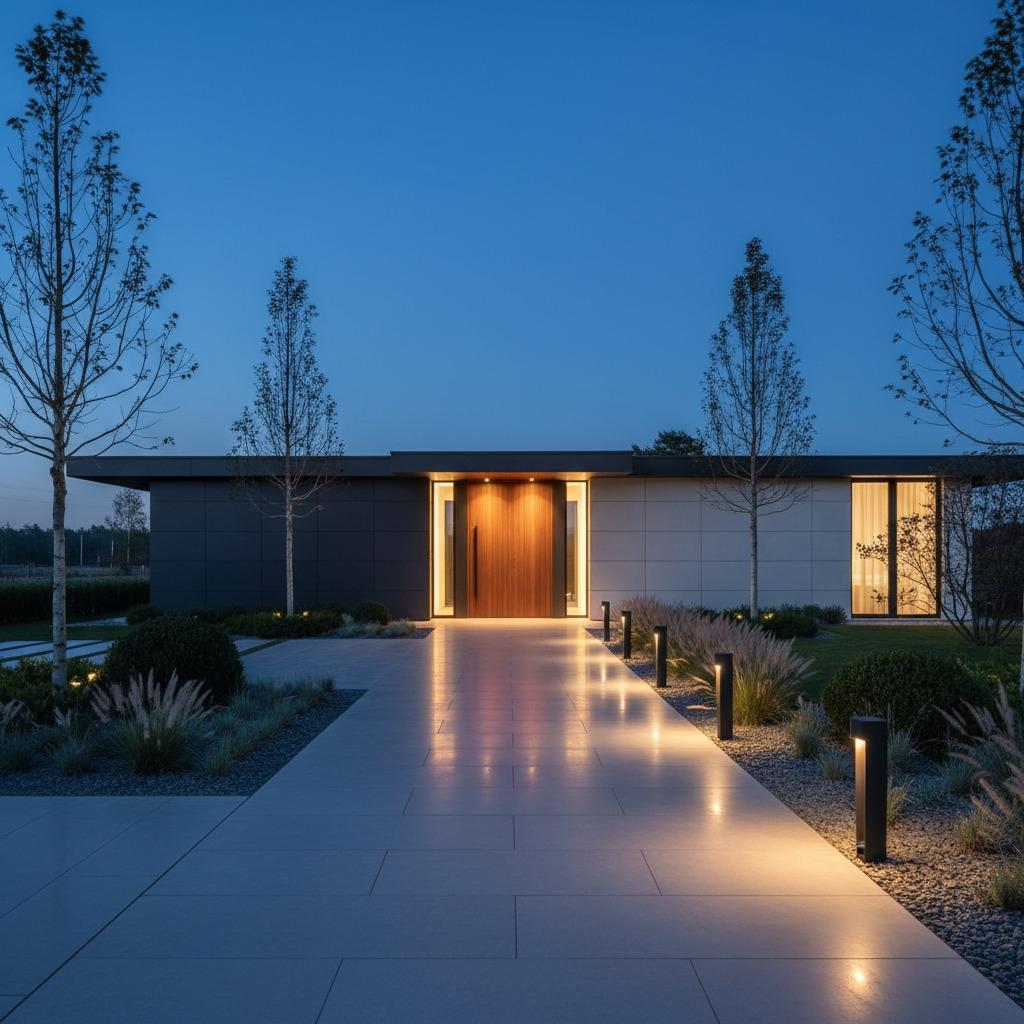
The product category shown in typical landscape applications is often a low bollard, a short post light, or a recessed path fixture. The housings are commonly dark finished, sometimes metal or metal-clad, and the light is directed downward or from the base area. That downward distribution matters. It keeps the beam off the eye and onto the surface, where the contrast between pavers and grass can actually help the path read more clearly.
Key things to compare before you place an order
A buyer can learn a lot from a sample, but a few details deserve scrutiny from the start.
1. Light distribution
Look for low-glare output and a beam pattern that supports walking, not theatrical effect. On a straight path, evenly spaced fixtures should create a rhythm of light, not bright spots separated by darkness. If the fixture throws too wide a beam, the walkway can look washed out. Too narrow, and the path becomes choppy.
2. Housing and finish
Outdoor installations are unforgiving. A good finish needs to hold up against moisture, sun, dust, and routine cleaning. The visible fixtures in garden paths often use matte or powder-coated dark housings because they recede visually and blend into planting beds or hardscape edges. That is a practical aesthetic choice, not just a style preference.
3. Mounting and layout
Path lights work best when the spacing follows the geometry of the walkway. The linear layout shown in garden paths with rectangular slabs and grass strips benefits from consistent intervals. A manufacturer should be able to support layout planning, not just sell units by the carton.
4. Outdoor durability details
This is where many projects get vague. Buyers should ask for the real outdoor specification set: weather resistance, sealing approach, wiring or standalone configuration, and maintenance access. If those details are not available yet, that is not a deal-breaker, but it is a warning to slow down before approval.
Why solar is attractive, and where it needs caution
Solar lighting is popular because it reduces wiring complexity and can simplify installation in garden areas where trenching is inconvenient. For retrofit projects, that can be a major advantage. It also fits residential landscapes where the buyer wants a cleaner install and less visible infrastructure.
Still, solar is not magic. Performance depends on sun exposure, seasonal conditions, panel placement, and how the fixture manages stored energy through the night. A path that looks beautiful in a showroom photo may not behave the same under tree cover or in a shaded courtyard. Buyers should be honest about site conditions. A reputable manufacturer will usually ask those questions early.
Common mistakes buyers make
One mistake is choosing a fixture for appearance alone. Another is assuming all Outdoor Solar Lights are interchangeable because they share the same general shape. They are not. Walkway lighting has to coordinate with paving width, planting height, and the distance between fixtures.
A second mistake is over-lighting the route. More fixtures do not always mean a better result. Too much brightness can flatten the garden and make the path look commercial when the project calls for a softer residential tone.
A third issue is ignoring the actual installation environment. An open villa entrance, a hotel garden, and a shaded courtyard place very different demands on the product. Good Garden Solar Lights should be selected with the site in mind, not just the mood board.
What a capable manufacturer should help you with
A serious supplier should support more than shipment. For a path-lighting project, that means helping the buyer think through fixture spacing, visible finish, outdoor use conditions, and the desired balance between function and atmosphere. Even when the product is standard, the application rarely is.
If your project needs a refined walkway look, ask for product information that clarifies the fixture type, light direction, material options, and installation method. If the supplier cannot explain those basics clearly, that usually tells you enough.
Practical buyer advice before sampling
Ask for photos or drawings that show the light on the ground, not just the fixture alone. Check whether the product is intended for straight paths, border edges, or recessed use. Confirm what is known and what is still uncertain. That sounds obvious, but outdoor lighting projects often move too quickly and leave these questions unresolved until site installation day, when changes cost more.
FAQ
Are solar lawn lights suitable for residential walkways?
Yes, especially where the goal is gentle guidance lighting and a clean landscape appearance. The key is matching the fixture style and output to the path width and surrounding plantings.
Can solar landscape lights work in commercial settings?
They can, particularly in hotel gardens, resort paths, and low-traffic architectural spaces. Site conditions matter, so buyers should confirm whether the layout and sun exposure support the application.
What should I request from a Solar Lawn Light Manufacturer first?
Start with product type, outdoor suitability, material/finish details, and installation guidance. If possible, ask for layout recommendations for the actual walkway geometry.
If you are planning a new path lighting package, the next step is simple: shortlist suppliers that can explain the product clearly, then compare samples under real site conditions, not just under showroom lighting.