
Why this LED street project mattered more than a simple fixture swap
A mid-sized city doesn’t usually think of itself as a case study, but one recent roadway upgrade shows why choosing an LED lighting manufacturer is rarely just a procurement exercise. The project team was not buying a few lamps for a warehouse aisle; they were trying to cut energy use, reduce night-time maintenance calls, improve visibility on public roads, and keep the lighting spec flexible enough for parks, pathways, and nearby commercial frontage. That combination is where many lighting projects get messy.
The original brief was straightforward on paper: replace aging conventional fixtures across several zones with an integrated LED lighting solution that could cover street lighting, site lighting, and a few special areas such as parking lots and pedestrian walkways. In practice, the team needed more than products. They needed design support, a sensible product mix, and a supplier that could handle municipal expectations without turning every change order into a delay.
The product mix: one supplier, several lighting jobs
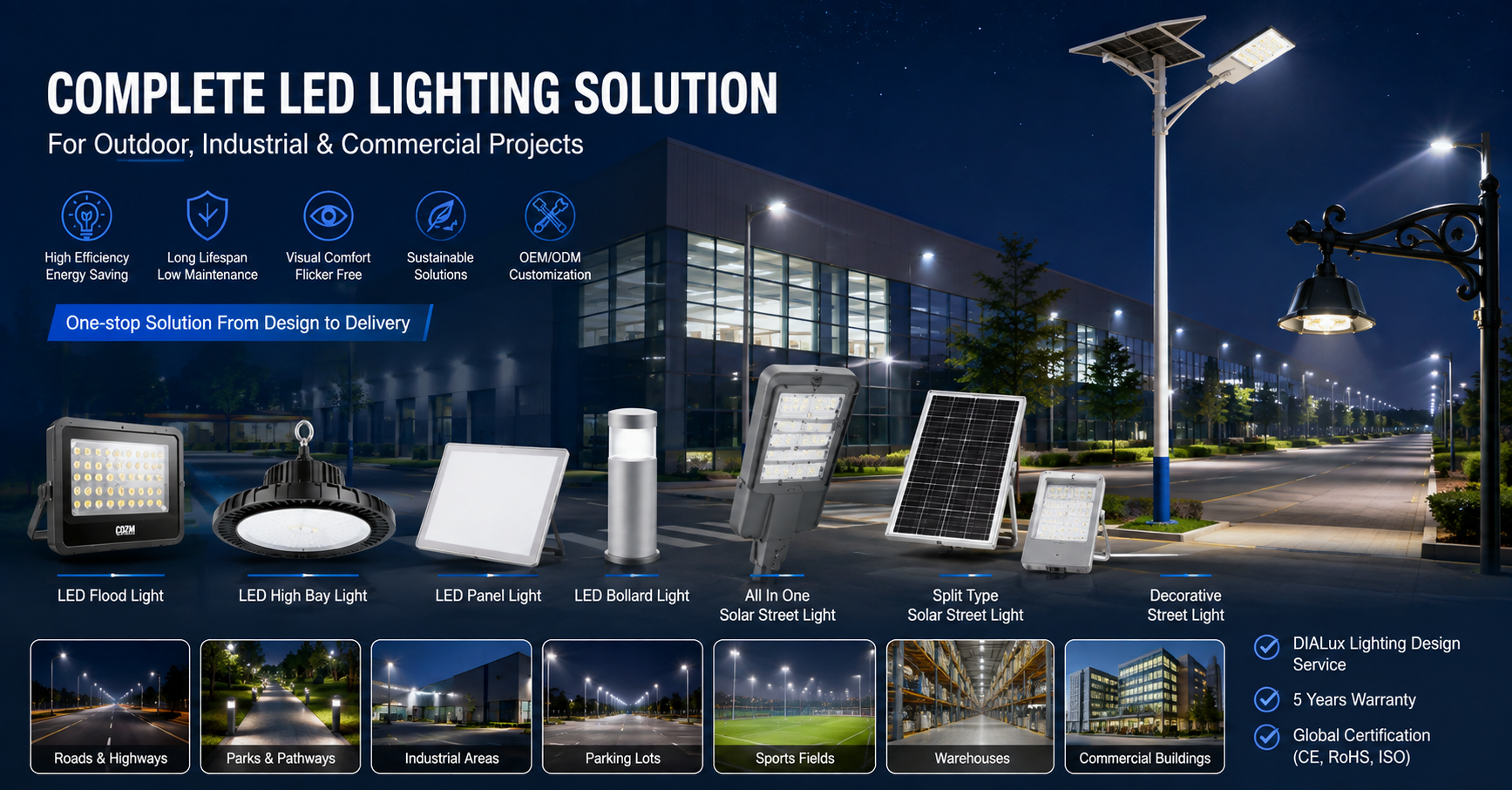
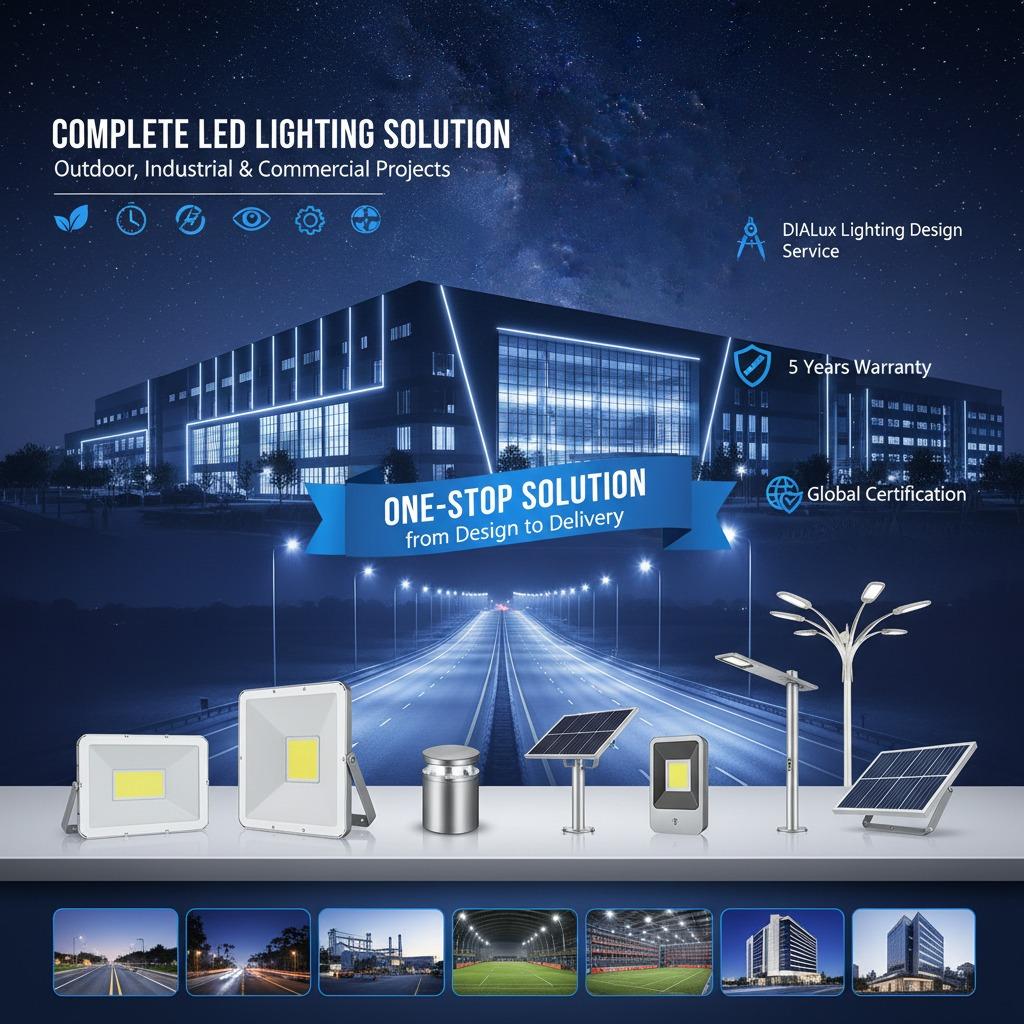
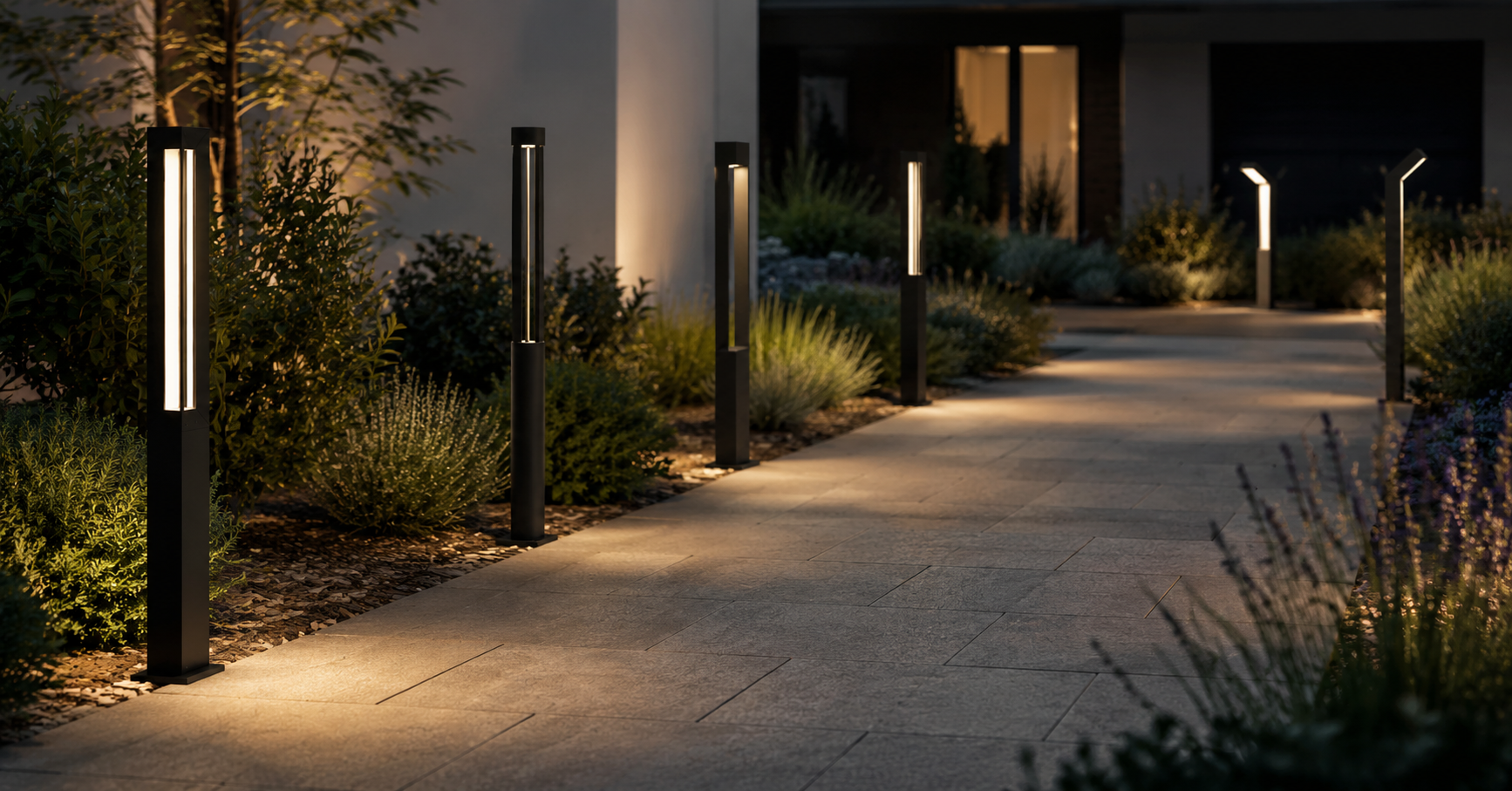
What stood out in this project was the breadth of the portfolio. The supplier positioned itself as a LED lights manufacturer with options that went well beyond standard road luminaires. The visible range included LED flood light, LED high bay light, LED panel light, LED bollard light, all-in-one solar street light, split-type solar street light, and decorative street light.
That matters because real projects rarely stay neatly in one category. A roadway upgrade often needs pole-mounted street lights, but the same package may also require illumination for a service yard, a warehouse, a campus pathway, or a landscaped entry. In this case, the team was able to treat the supplier as a commercial LED lighting manufacturer for public-facing areas and as a more industrial LED lighting manufacturer for utility spaces.
The solar street light options were especially useful where grid access was limited or expensive to extend. That does not mean solar is the answer everywhere; it isn’t. But for certain remote or low-load locations, it can simplify installation and reduce trenching work. A buyer still needs to check the site conditions carefully, and that’s where some project teams get overconfident.
What the buyer was really looking for
The procurement group was not chasing the lowest unit price. They were trying to avoid a familiar set of problems:
The first is over-specifying the wrong fixture. A floodlight can look impressive on a quote sheet and still be a poor fit for a street or pathway.
The second is maintenance burden. If a lighting project saves power but creates frequent service calls, the operating budget simply moves from electricity to labor.
The third is poor visual comfort. The supplier’s emphasis on flicker free operation and visual comfort mattered because the project covered both traffic movement and pedestrian areas. In mixed-use sites, glare and uneven distribution become real complaints, not technical footnotes.
Where the supplier added value
The practical selling point was the one-stop solution from design to delivery. That phrase gets used loosely in the market, but in a project setting it usually means three things: help with layout planning, a manageable product family, and enough coordination to keep the installation sequence on track.
The included DIALux lighting design service was useful for the engineering team because it gave them a way to compare placement options before hardware arrived onsite. In a roadway or parking application, that is often the difference between a smooth handoff and a field correction after poles are already installed.
The company also stated a 5 years warranty and references to CE, RoHS, and ISO in its global certification messaging. Buyers should still confirm what applies to each model and market, but those signals help reduce early-stage risk when you are screening a LED lighting supplier for a public or commercial project.
Selection lessons from the project
One lesson stood out: buyers should separate the fixture catalog from the application brief. A LED light manufacturer may offer attractive housings, polished finishes, and a broad range of luminaire types, but the actual decision should still start with the site.
For example, a warehouse needs different priorities than a boulevard. An industrial yard may care most about durability and maintenance access. A commercial campus may care more about appearance and pedestrian comfort. A sports field raises a different set of uniformity questions altogether. The same supplier may cover all of these, but not with the same model.
A second lesson is to be cautious with solar street lighting. It is a strong option for certain projects, especially where trenching is difficult or power is unreliable, yet it should be matched to the location rather than treated as a default upgrade.
Common buyer mistakes that slow projects down
The most common mistake is buying before the lighting layout is settled. That leads to mismatched beam coverage, extra poles, or frustrating site modifications.
Another mistake is treating all outdoor fixtures as interchangeable. A bollard light, a decorative street light, and a flood light may all be LED products, but they solve different problems.
The third is forgetting service reality. A system with strong efficiency and long lifespan sounds good, but maintenance access, spare parts planning, and warranty support matter just as much when the first winter arrives.
What engineers and sourcing teams should ask next
If you are reviewing an LED lighting manufacturer for a similar project, ask for the lighting design assumptions, not just the catalog. Request the proposed application zones, confirm whether the product is intended for outdoor or indoor use by model, and verify the certification scope rather than assuming it is universal.
It also helps to ask where the project will live operationally. Municipal roadway lighting, warehouse lighting, parking lot lighting, and landscape lighting all punish weak assumptions in different ways.
FAQ for project buyers
Is a single supplier enough for mixed outdoor and industrial projects?
It can be, if the supplier offers a broad product range and project support. The key is whether the technical team can actually match fixtures to each zone.
When should solar street lighting be considered?
Usually where grid access is limited, installation cost is high, or the site benefits from avoiding trenching. It is not automatically the best choice for every roadway.
What makes a supplier easier to work with?
Clear design support, a sensible warranty policy, and a product family broad enough to cover the real site mix without forcing awkward substitutions.
Next step for buyers
For teams planning roadway, campus, warehouse, parking, or municipal upgrades, the right next move is to compare lighting layouts before comparing fixture prices. A capable LED lighting supplier should be able to support that discussion with a project-based proposal, not just a list of products. That is usually where the better projects start.