
What Buyers Really Need From a Solar Landscape Lighting Manufacturer
When sourcing a solar landscape lighting manufacturer, most buyers are not chasing a decorative catalog piece. They are trying to solve a practical lighting problem: keep pathways visible, make gardens safer after dark, and do it without trenching wires through finished landscaping. For that reason, the conversation should start with performance and installation, not just appearance.
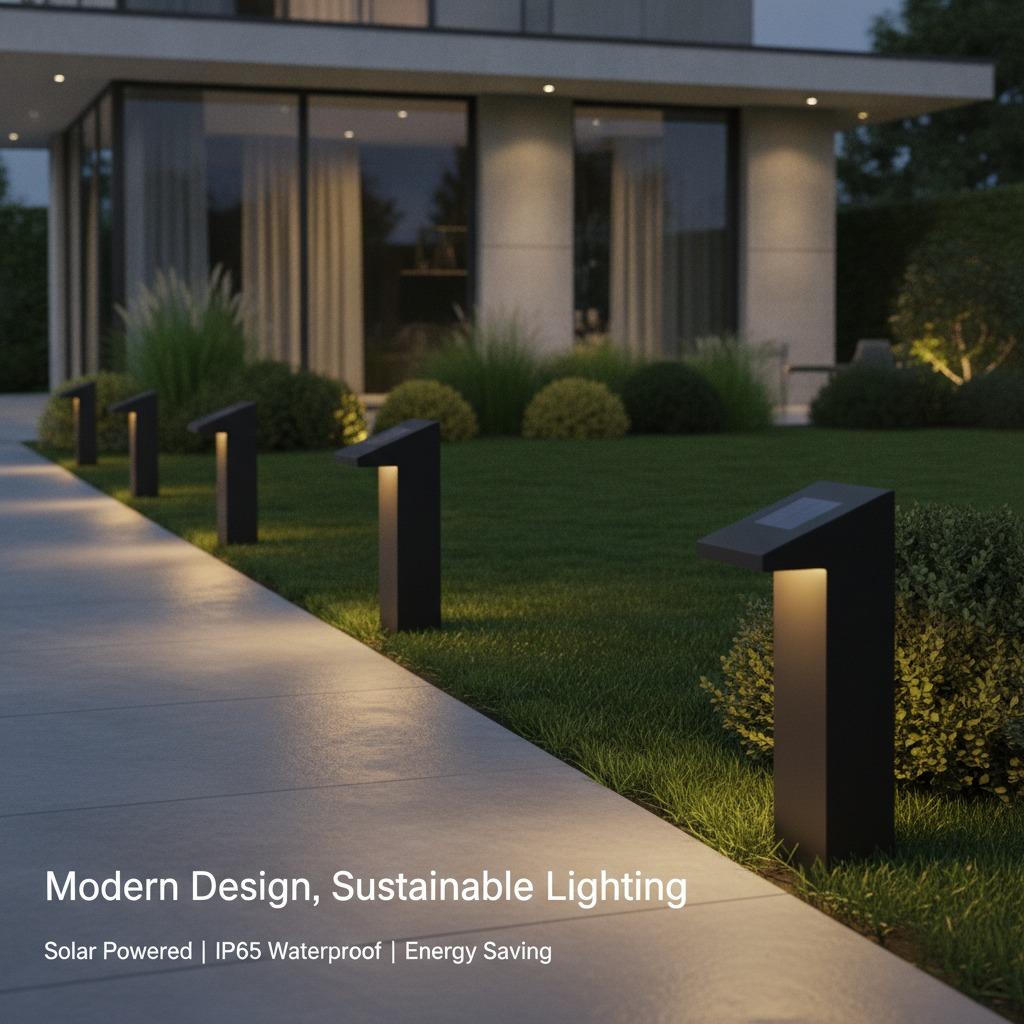
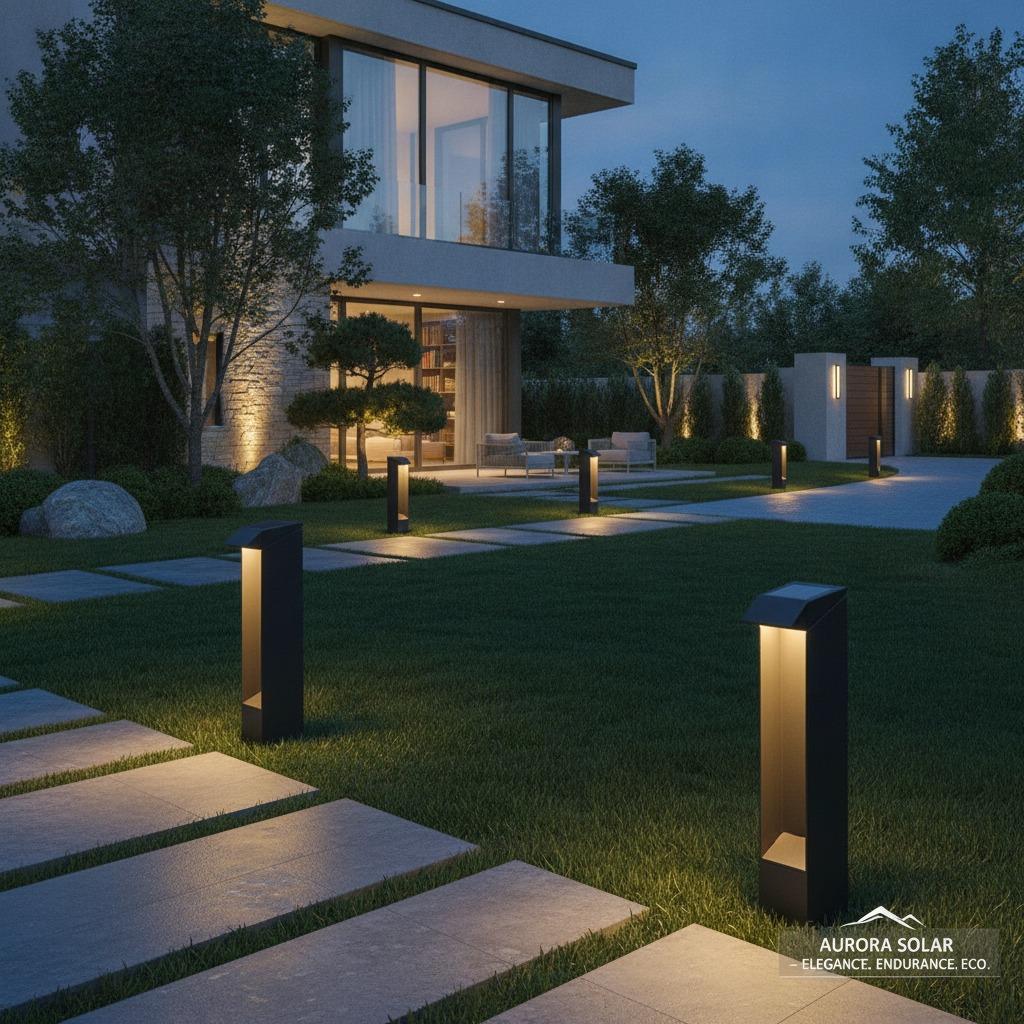
The product category here is straightforward enough on the surface: an outdoor solar lawn or pathway light with a slim upright body, an angled head, and low-level illumination aimed at walkways, garden edges, courtyards, and entry paths. But once a sourcing manager or product team starts comparing suppliers, the details matter quickly. Is the body metal or painted steel? How robust is the waterproofing? Can the fixture survive seasonal weather, irrigation overspray, and routine cleaning? Those questions separate a reliable outdoor solar lighting factory from a simple assembler of generic parts.
Why This Product Category Sells on Utility, Not Just Looks
Solar pathway lighting sits in a useful middle ground. It is not high-output architectural floodlighting, and it is not purely ornamental garden décor either. The best versions do a modest job very consistently: they mark edges, guide foot traffic, and add structure to the landscape at night.
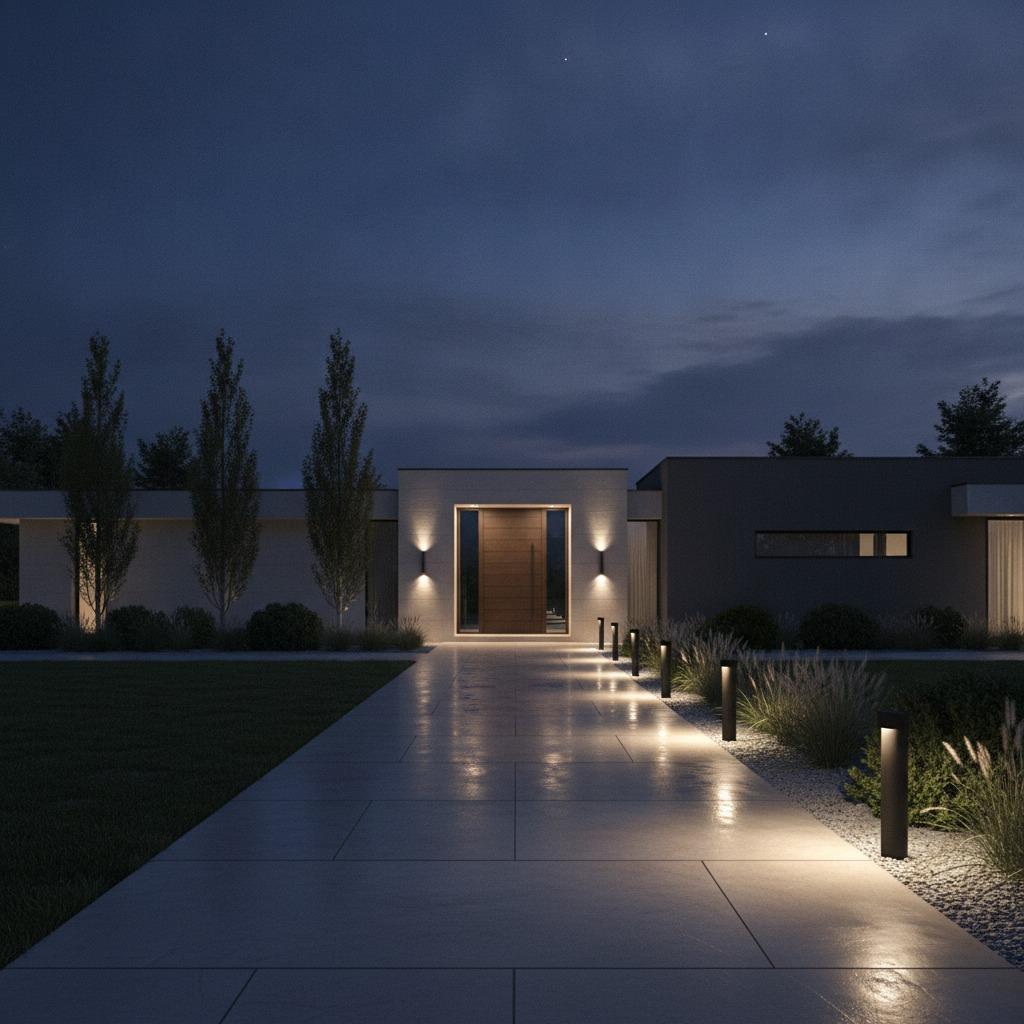
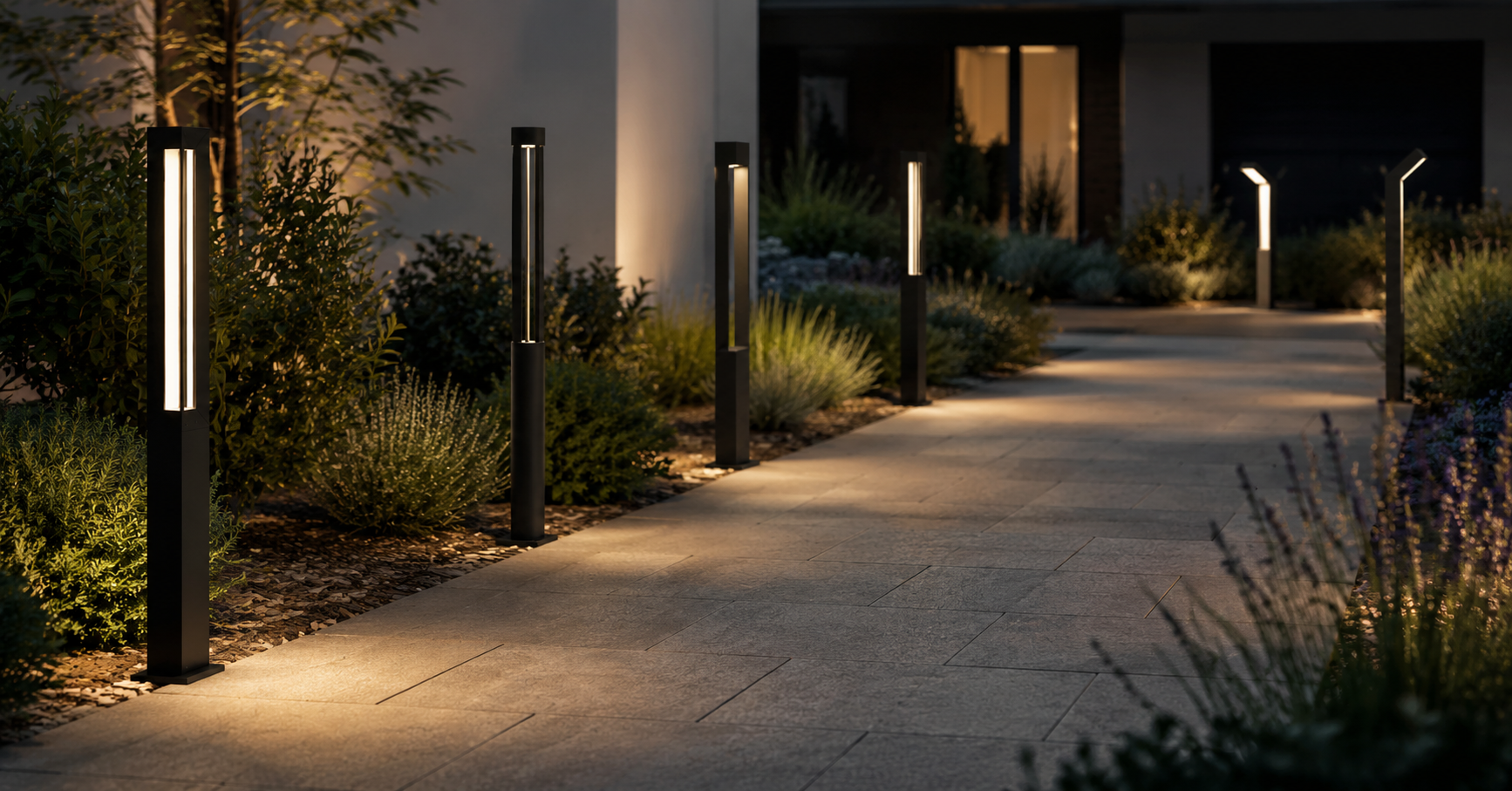
That modesty is part of the appeal. A pathway light does not need to wash a facade or cast theatrical brightness. It needs to provide usable illumination where people step, pause, or turn. For villas, residential gardens, hospitality landscapes, and courtyard projects, that can be enough to improve both safety and the perceived quality of the space.
The visible product described here follows that logic. A dark matte body, slim profile, and angled top head suggest a fixture built to keep the source elevated while pushing light downward. That is a sensible form for path marking, because it reduces glare and keeps the beam where people need it.
Key Features Buyers Should Confirm Before Ordering
The image text points to several selling points: solar powered, IP65 waterproof, energy saving, easy installation, durable and reliable. Those are all relevant, but they are not equally meaningful unless the supplier can back them up with product-level detail.
IP rating and weather exposure
IP65 is a useful starting point for outdoor use, especially for fixtures placed near lawns, garden borders, and entry paths. Still, buyers should ask how the rating is achieved in the actual assembly. Seals, lens fit, drain paths, and enclosure design matter just as much as the claim on the label.
Battery, solar panel, and runtime
The critical technical unknowns are still the solar panel size, battery capacity, LED wattage or lumen output, and runtime. Those factors determine whether the light will behave well in a real project, especially during cloudy weather or short winter days. A supplier that cannot discuss these basics in plain language may not be ready for serious procurement.
Mounting and installation
“Easy installation” sounds good, but the buyer should translate it into practical terms. Does the fixture require anchors, screws, stakes, or a flat base fixed to hardscape? Can it be installed on a path edge without electrical work? Can crews replace a failed unit quickly? These details affect labor more than the product price does.
How to Evaluate a Solar Landscape Lights Supplier
If you are comparing a solar landscape lights supplier against broader outdoor lighting vendors, look first at consistency and product focus. Suppliers that regularly build outdoor solar lighting products usually understand the small but important issues: enclosure sealing, panel exposure, light angle, and corrosion resistance.
A trade buyer should ask for:
- Clear product drawings or dimensions
- Material identification for the body and diffuser
- Waterproofing approach, not just an IP claim
- Battery and control specifications
- Packaging details for retail or project shipment
These are not luxury questions. They are the basics that prevent surprises when the first production batch lands.
Common Sourcing Mistakes With Solar Path Lights
One common mistake is buying on appearance alone. A sleek profile helps with merchandising, but it does not guarantee night performance. Another is assuming all solar products behave similarly outdoors. They do not. Shade, installation angle, lens quality, and battery design all influence real-world results.
Another practical warning: do not over-specify brightness without considering application. For a pathway or garden edge, too much light can be a drawback. It creates glare and weakens the gentle guiding effect these fixtures are meant to provide.
What a Good Outdoor Solar Lighting Factory Should Help You Decide
A capable outdoor solar lighting factory should do more than assemble parts. It should help buyers balance form, weather resistance, and nighttime utility. For the fixture described here, the deciding factors are likely to be the quality of the housing, the integrity of the waterproof construction, and how well the light is directed onto the path.
If you are sourcing for a villa entrance, hospitality walkway, or residential landscape line, the safest path is to request samples and verify how the fixture behaves after installation, not just how it looks in daylight. Sunlight, shade, and yard layout can change the result more than catalog photos suggest.
FAQ
Is this type of fixture suitable for commercial landscapes?
Yes, for low-level guidance lighting in courtyards, perimeter paths, and garden edges. For areas that need stronger brightness, it may need to be paired with other outdoor lights.
Why does the body material matter so much?
Because the fixture will live outdoors. Metal, coated metal, aluminum, or plastic all age differently in sun, rain, and humidity. The material affects durability, appearance, and maintenance.
What should buyers request first from a manufacturer?
Ask for the technical specification sheet, mounting method, and battery/runtime details before moving into sampling.
Next Step for Sourcing Teams
If your project needs a solar landscape lighting manufacturer for pathway and garden illumination, start with the real operating conditions: weather, mounting surface, and required light level. Then compare suppliers on construction quality, waterproof design, and how clearly they can explain the product’s electrical and mechanical setup. That is usually where the reliable partner reveals itself.