
Why buyers keep looking for a solar landscape lighting manufacturer
A solar landscape lighting manufacturer is often the first stop when a project needs reliable path lighting without trenching, wiring, or a heavy load on the electrical schedule. That sounds straightforward until procurement starts comparing lamp styles, weather resistance claims, and long-term appearance in the landscape. For engineers and sourcing teams, the real question is not whether a fixture can glow at night, but whether it can do so consistently outdoors, across seasons, with a finish that still looks presentable after a few months in wind, dust, and rain.
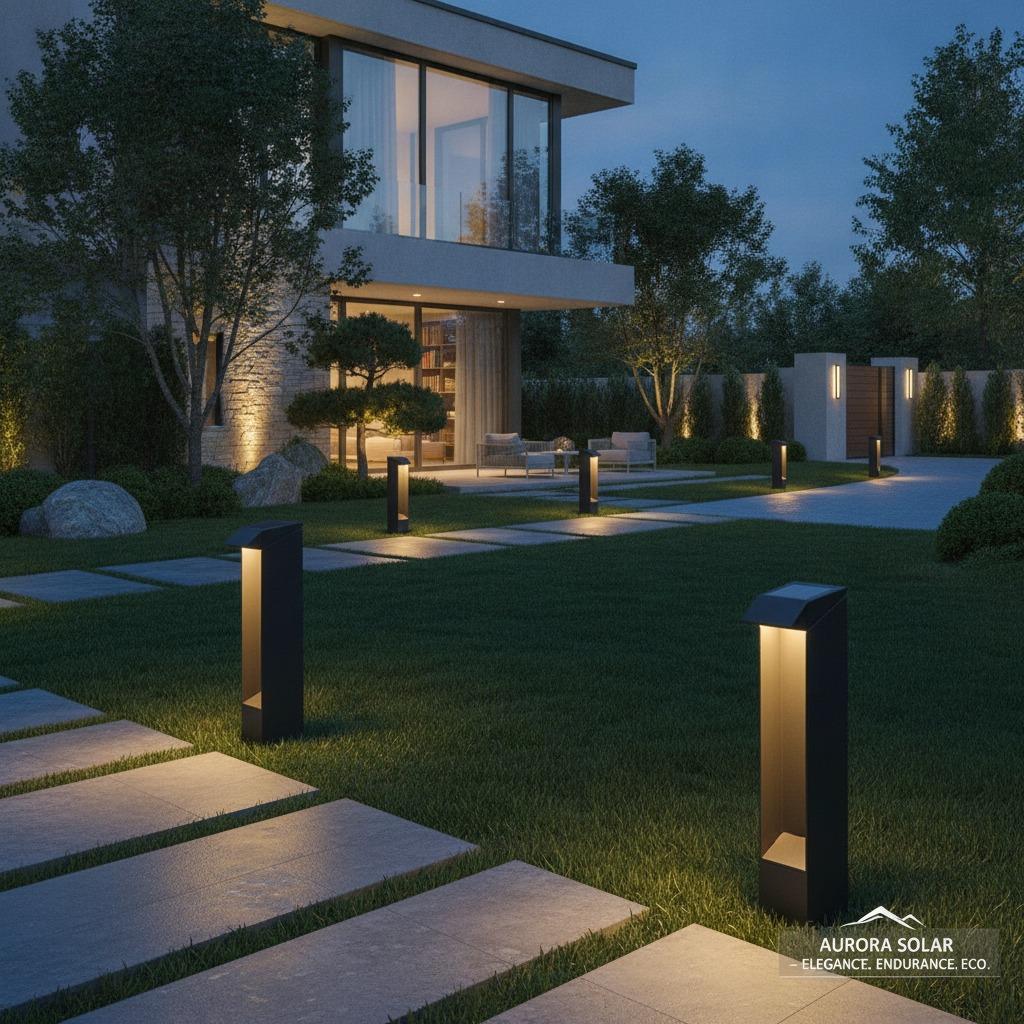
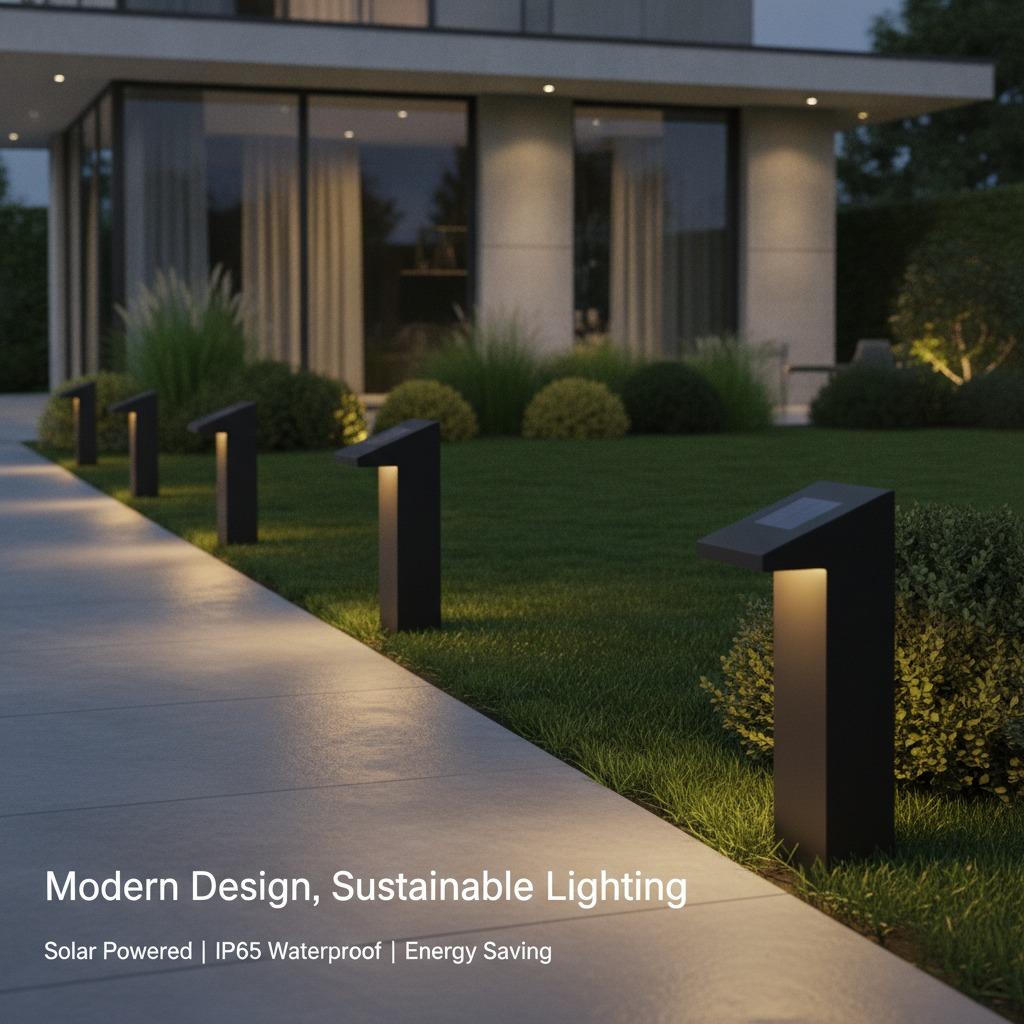
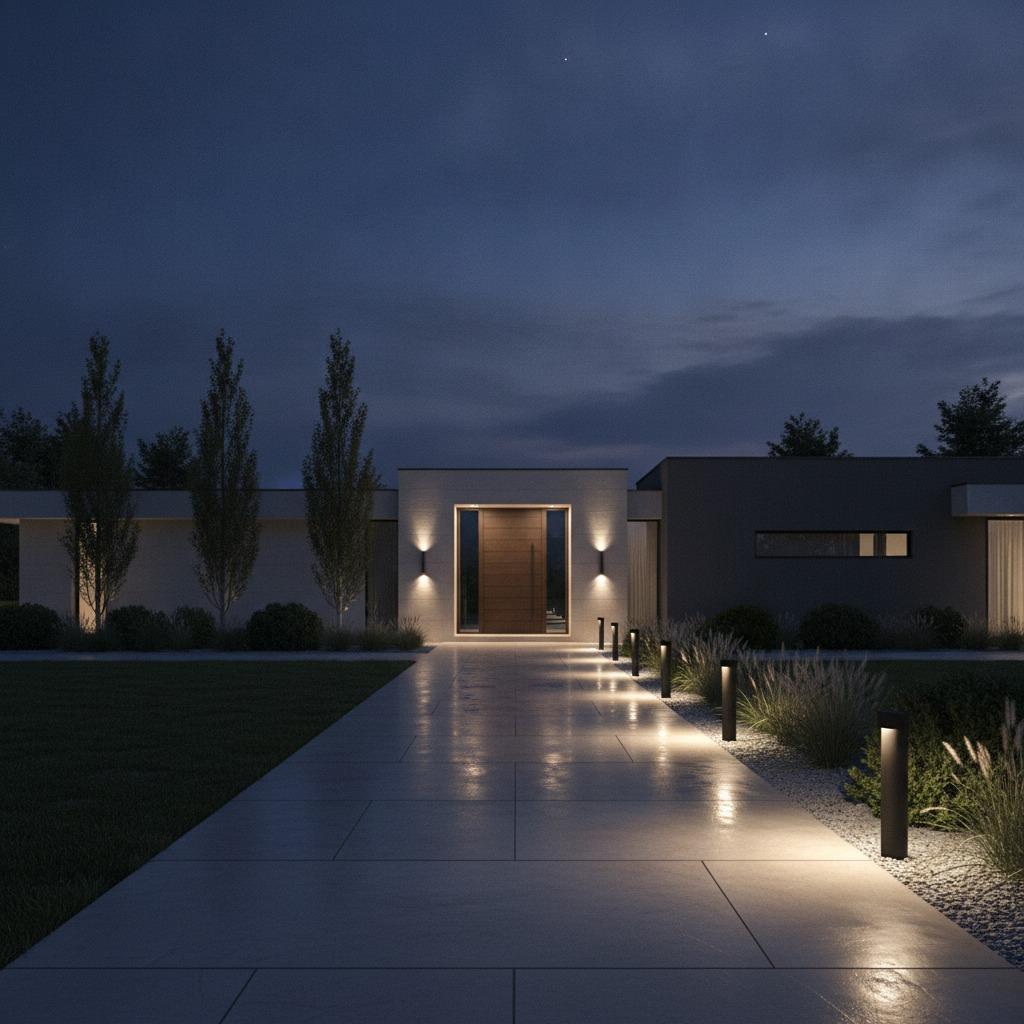
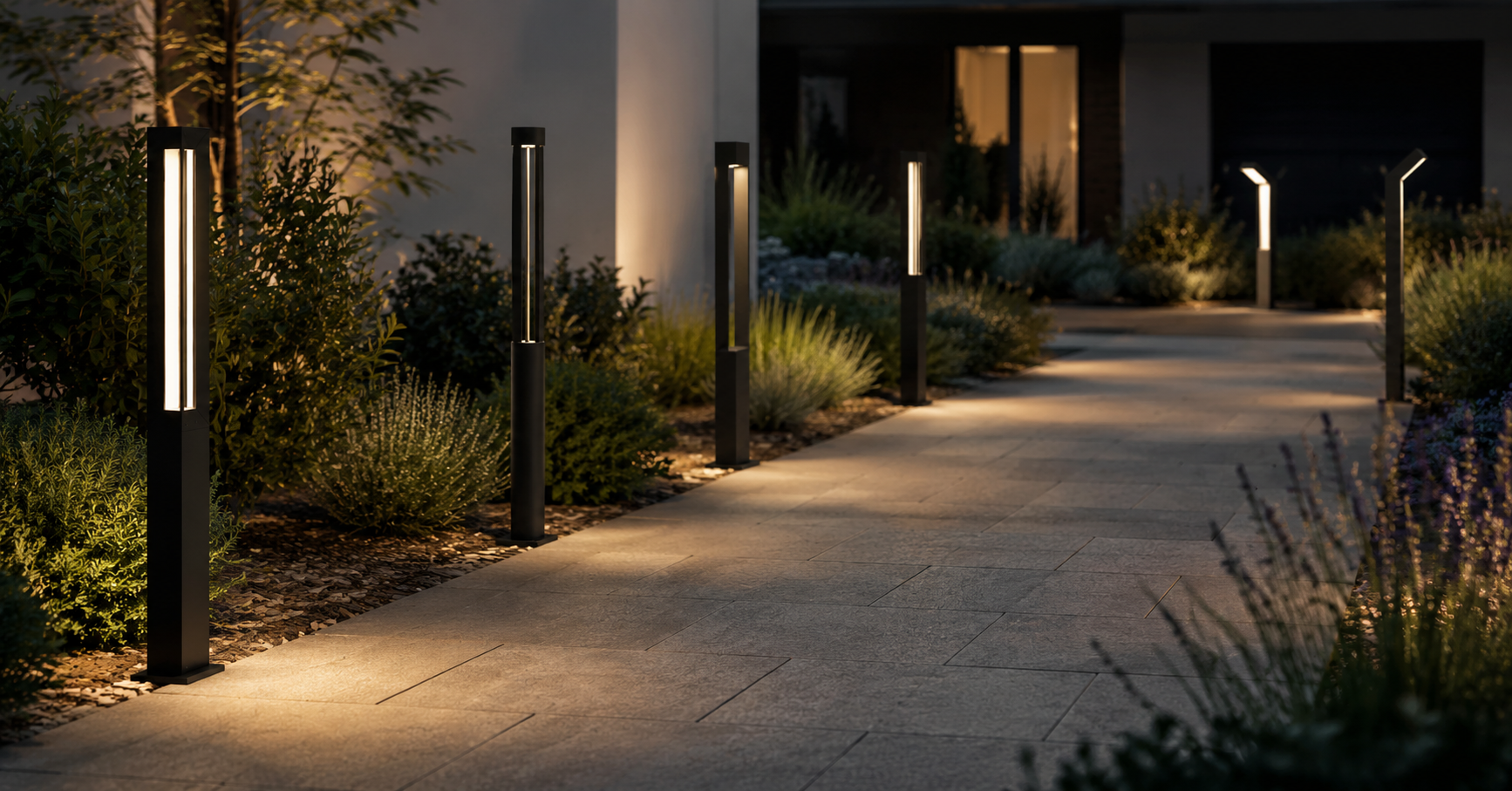
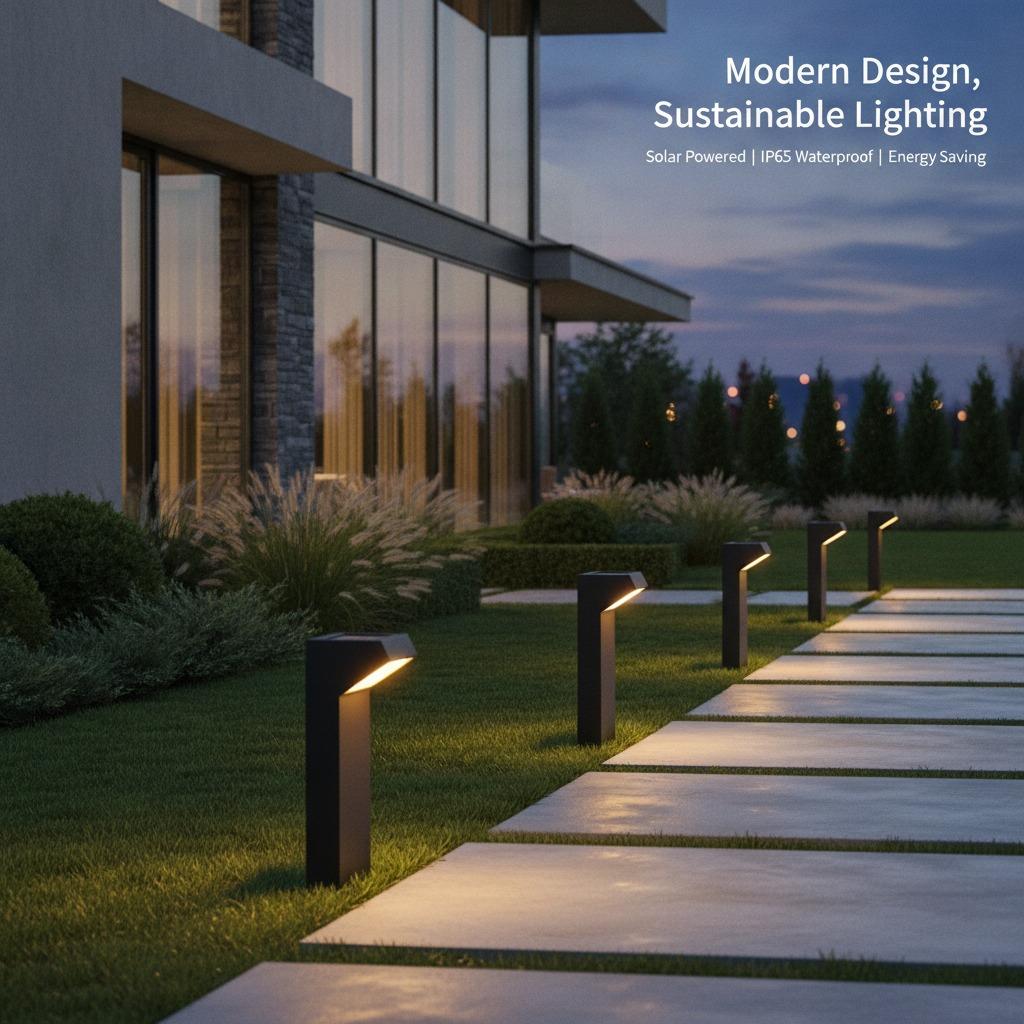
The product pictured here sits in the practical middle ground: a slim, modern bollard-style solar light for walkways, lawns, gardens, courtyards, and entry paths. It is the kind of fixture chosen less for drama than for dependable guidance and a clean architectural line. That makes it useful for residential estates, villa entrances, and commercial outdoor walkways where the lighting needs to be visible, but not overpower the space.
What this type of solar landscape light is meant to do
At a glance, the fixture combines a tall rectangular post, a square base plate, and an angled light head with a dark matte finish. The geometry is simple, which is usually a good sign for outdoor products. Fewer ornamental edges means fewer places for dirt to collect and less visual clutter in a planted setting.
The stated selling points are also familiar: solar powered, IP65 waterproof, energy saving, easy installation, durable, and reliable. Those are the right words for this category, but buyers should still treat them as starting points, not final proof. For example, an IP65 claim is meaningful for rain exposure and dust resistance, yet the actual long-term performance still depends on sealing quality, gasket design, drainage, and how the unit handles repeated thermal cycling.
Key features buyers should inspect
1. Light distribution and purpose
This is not a high-output floodlight, and it should not be judged as one. The fixture is intended for low-level illumination along paths and borders, helping people see edges, steps, and directional changes after dark. In landscape lighting, that soft guidance is often more valuable than brute brightness.
2. Enclosure and finish
The visible body appears to be metal or metal-bodied with a powder-coated or painted dark surface. That style works well in contemporary landscape schemes, but buyers should confirm corrosion protection if the units will be exposed to coastal air, sprinkler overspray, or aggressive cleaning chemicals. A dark finish can be forgiving visually, yet scratches and poor coating adhesion show up quickly outdoors.
3. Solar integration
The solar panel is not clearly visible as a separate component, so it may be built into the upper housing. That is common in compact landscape fixtures, though it makes panel angle and collection area especially important. If the site has partial shade, overhangs, or dense planting, the buyer should ask how the design behaves under reduced sunlight rather than assuming every location is suitable.
How a buyer should evaluate supplier options
When comparing a solar landscape lights supplier to another, the most useful questions are practical ones:
Does the fixture suit the site’s lighting task, or is it visually attractive but underpowered?
Is the enclosure designed for outdoor abuse, including rain, cleaning, and occasional impact from tools or foot traffic near the base?
Can the supplier explain the battery and controller arrangement in plain terms, even if the internal parts are not visible?
Are there clear installation instructions and replacement procedures for maintenance teams?
An outdoor solar lighting factory with genuine experience in this category should be able to discuss these points without vague language. If the answers are evasive, that is a warning sign, especially for projects with many units where inconsistent performance becomes expensive to chase down later.
Common mistakes in solar landscape sourcing
One common mistake is choosing on appearance alone. Another is assuming every solar fixture is suitable for the same site conditions. A pathway light for a sheltered courtyard may behave very differently from one placed near a driveway, exposed lawn edge, or open garden border.
Buyers also sometimes overlook maintenance access. If the battery, seal, or control section cannot be serviced cleanly, the product may be inexpensive up front and awkward later. That tradeoff matters more than many spec sheets admit.
Questions to ask before you place an order
What is the intended installation environment: residential garden, commercial path, or decorative border?
How does the supplier define waterproof performance, and is the claim tied to a verifiable test basis?
What materials are used in the body and lens area?
How is charging affected by partial shade or winter conditions?
Are samples available for real-site testing before volume purchase?
FAQ
Is this type of light mainly decorative or functional?
Both, but in a modest way. It provides guidance and visual definition, while also improving the look of the landscape at night.
Where does it fit best?
Along pathways, lawns, courtyard edges, driveways, and villa entrances where low, controlled illumination is preferred.
What should procurement confirm first?
Outdoor durability, solar charging suitability for the site, and whether the IP65 claim is supported by proper documentation.
What to do next
If your project needs a clean-looking, solar-powered bollard style fixture, ask the supplier for site-matching guidance, sample units, and full product details before volume release. A dependable solar landscape lighting manufacturer should help you narrow the choice to the right fixture for the environment, not just the one with the best photo.
That is usually where the real value sits: not in the catalog image, but in whether the lamp still works as intended after the first season outdoors.