
Why government lighting projects need a different kind of supplier
Choosing a government solar street light supplier is not the same as buying outdoor lights for a private campus or a housing estate. Public projects carry more paperwork, more stakeholders, and a much lower tolerance for vague product claims. The buyer is rarely only comparing fixtures. They are weighing compliance, installation practicality, maintenance burden, and whether the supplier can support a roll-out across multiple streets, parks, or pedestrian areas without surprises.
That is why the search often begins with a practical question: which solar street light supplier for government projects can deliver a dependable system, not just a catalog item? The answer depends on how well the supplier understands public procurement, site conditions, and long-term service expectations. A unit may look polished on paper, but if it is difficult to maintain, inconsistent in output, or poorly suited to the site, the project becomes more expensive after handover.
What government buyers are really trying to solve
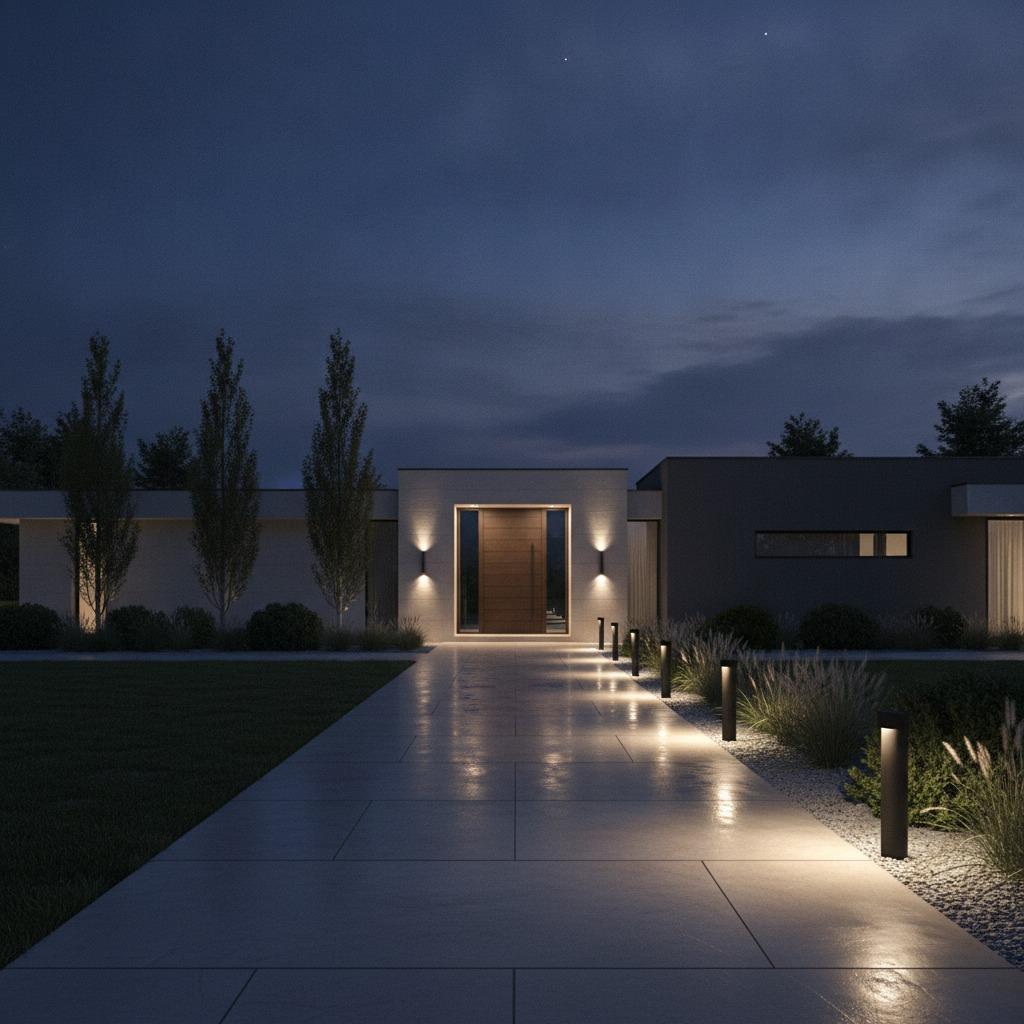
Most public lighting projects are trying to solve three problems at once. First, they need safer movement after dark for pedestrians, cyclists, and vehicles. Second, they want to reduce operating costs compared with conventional grid-tied lighting. Third, they need a solution that can be installed in areas where trenching or electrical expansion is slow, disruptive, or costly.
Solar lighting is attractive because it can support streets, park paths, campus walkways, courtyard borders, and other outdoor routes without the same dependence on buried cabling. But the project only works if the supplier can match the fixture type to the actual application. A low-height bollard, for example, may be well suited to walkways and landscape edges, while a full-height solar street light serves road corridors and larger public zones. Mixing those up is a common planning mistake.
Fixture choice matters more than many teams expect
Public buyers sometimes focus on the solar panel and battery first, then treat the luminaire as a commodity. That can lead to trouble. The fixture design influences glare, coverage, visual comfort, and even perceived safety. A pedestrian path does not need the same photometric behavior as a roadway.
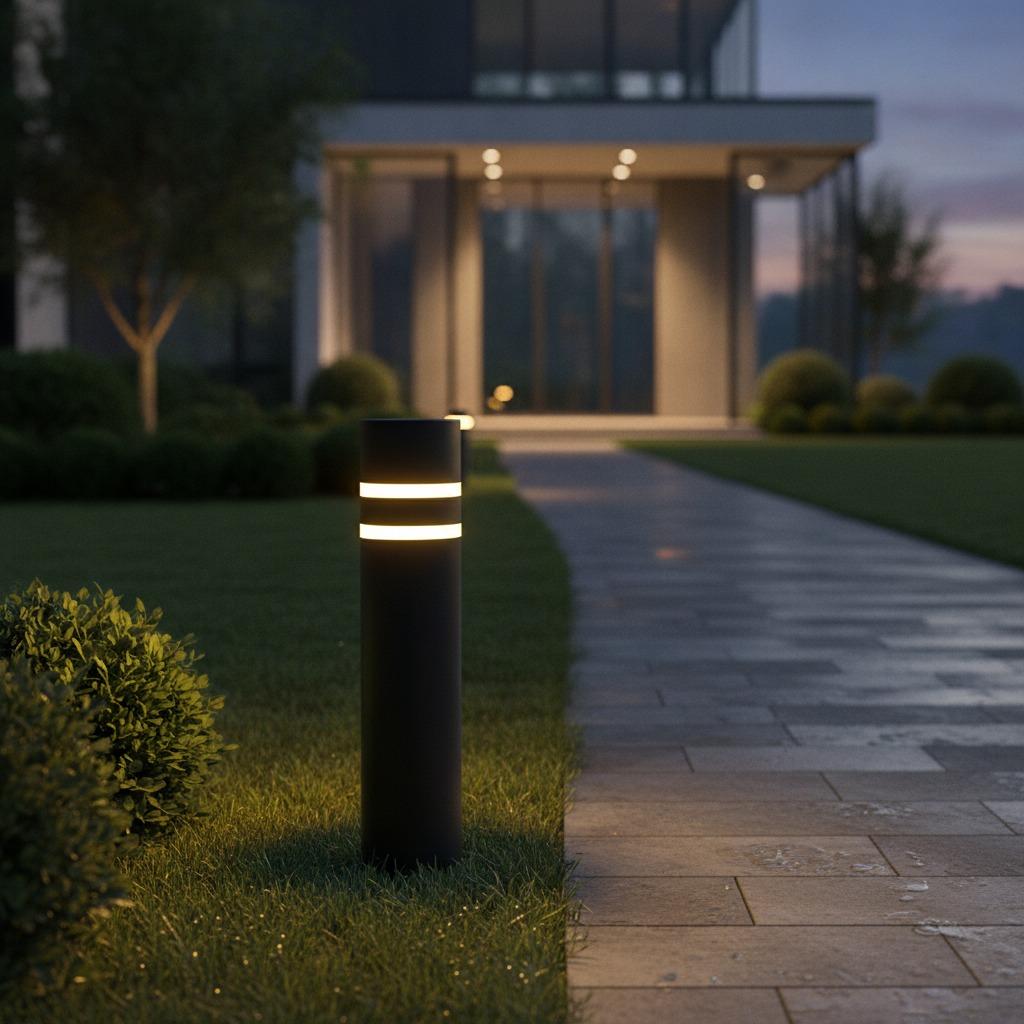
The product described in the preparation data is a cylindrical outdoor bollard light with a matte dark finish and diffused illuminated bands near the top. It appears intended for low-height guidance lighting rather than long-throw roadway illumination. That kind of design is useful for pathways, garden borders, hotel grounds, and campus walkways where soft, localized light helps define edges without creating harsh glare. For government projects, that distinction is worth making early, because the wrong fixture type can leave a site looking either underlit or awkwardly overbuilt.
What to check before issuing a purchase order
A reliable government solar lighting procurement process should cover both product and supplier questions. Start with the basics: where will the light be used, how much ambient lighting is already present, and what level of visual guidance is actually needed? Then ask the supplier to explain the system in plain terms. Not every public project needs the highest wattage or the most complicated smart-control package.
Ask for the information that affects field performance
Confirm the mounting style, housing material, finish, and whether the design is intended for pedestrian, landscape, or street applications. If the product uses a powder-coated metal or painted aluminum body with diffused plastic or PC lens elements, that is useful to know for maintenance planning. But do not let the conversation stop at materials. Public buyers should also ask how replacement components are handled, whether the light source is modular, and how the unit behaves outdoors over time.
It is also sensible to request any verifiable data that the supplier can provide for the exact model being proposed. Avoid assumptions about IP rating, output, or corrosion resistance if they are not clearly documented. A cautious buyer is usually a better buyer.
Common procurement mistakes in public solar lighting
One frequent mistake is buying by visual impression alone. A clean rendering or polished sample can hide a product that is not well matched to the site. Another is underestimating service needs. In a municipal or institutional setting, even a simple failure can become a public complaint if the supplier cannot respond quickly.
There is also a tendency to over-specify. Some teams request features that sound advanced but do little for the actual application. Smart controls can be useful, but only when the project has a reason for them and the operations team is prepared to use them. Otherwise, complexity becomes a maintenance cost.
How a capable supplier should support government projects
A strong supplier should be able to translate project goals into a practical lighting recommendation. That means separating roadway use from path use, explaining fixture geometry in terms non-technical stakeholders can follow, and being realistic about installation constraints. For example, a bollard-style light can improve wayfinding along a pedestrian route, but it is not a substitute for high-mast roadway lighting. Clear advice like that is more valuable than a long product sheet full of marketing language.
For government buyers, the best supplier relationship also includes responsiveness after the sale. Public lighting is visible infrastructure. When a unit fails, is vandalized, or begins to look uneven across a site, the fix matters as much as the original install.
Quick buyer checklist
Before moving forward, make sure the supplier can answer these questions without hedging: Is this fixture intended for street, path, or landscape use? What are the confirmed construction materials? How is the light diffused? What maintenance does the unit require? What documentation is available for the exact model being proposed?
If the answers are clear, the project is already in better shape than most. If they are not, keep looking.
Next step for sourcing teams
Shortlist suppliers that can speak in application terms, not just product terms. For public work, the best government solar street light supplier is the one that helps you avoid mismatched fixtures, hidden upkeep, and field problems after installation. Ask for model-specific information, compare the intended use against the site, and treat anything uncertain with caution. That approach saves time during procurement and usually saves money later, too.