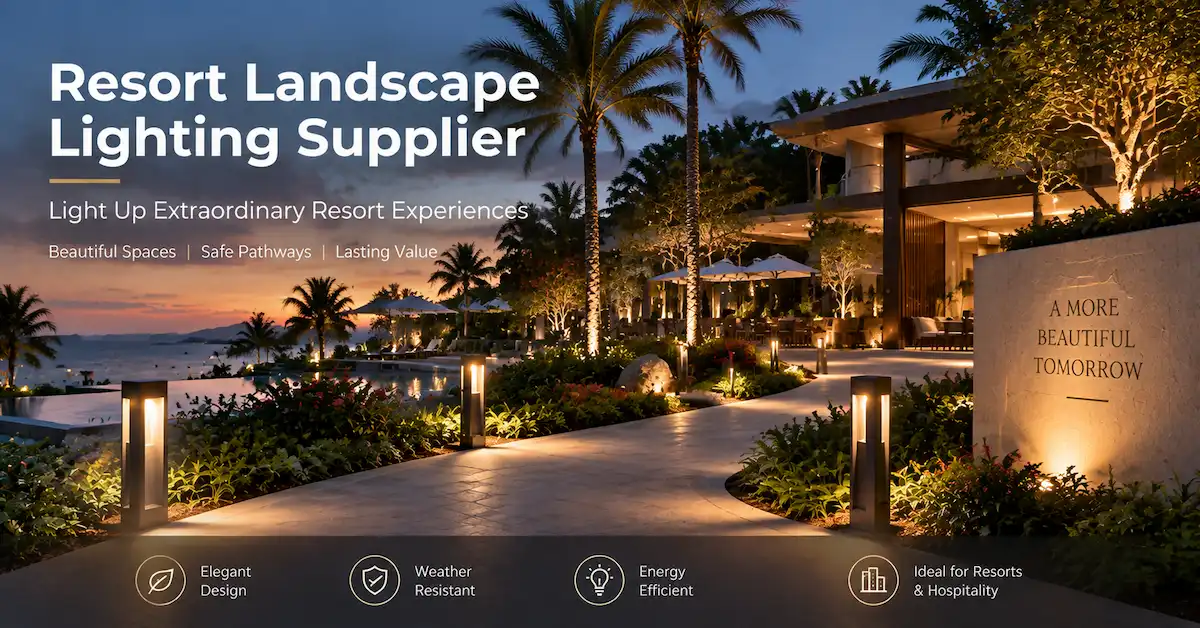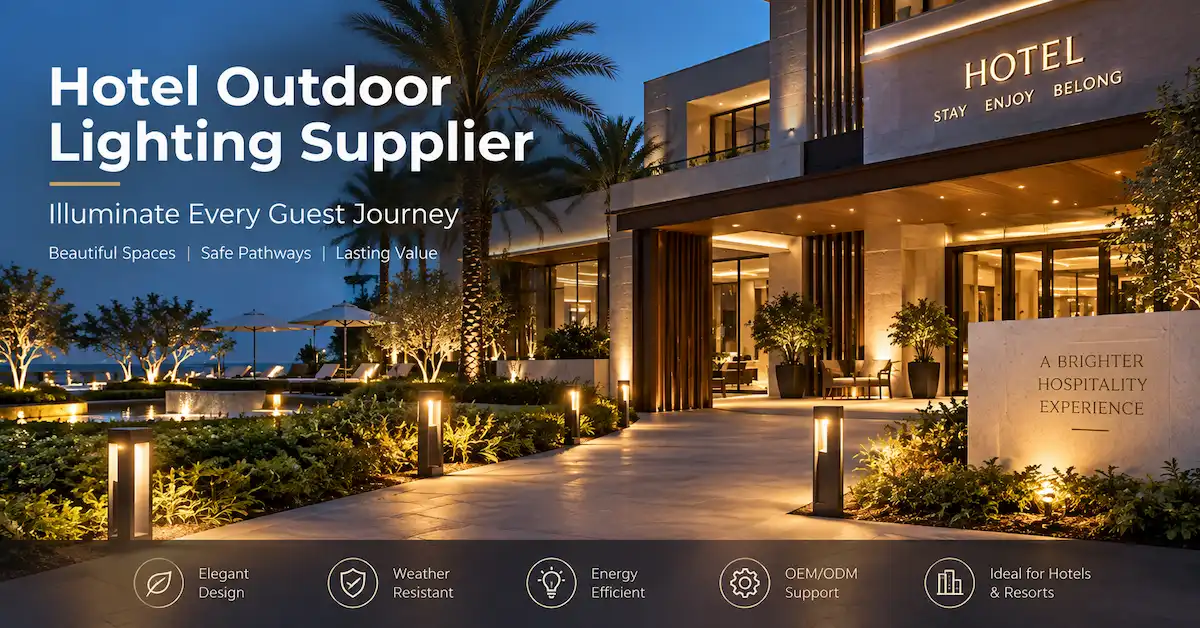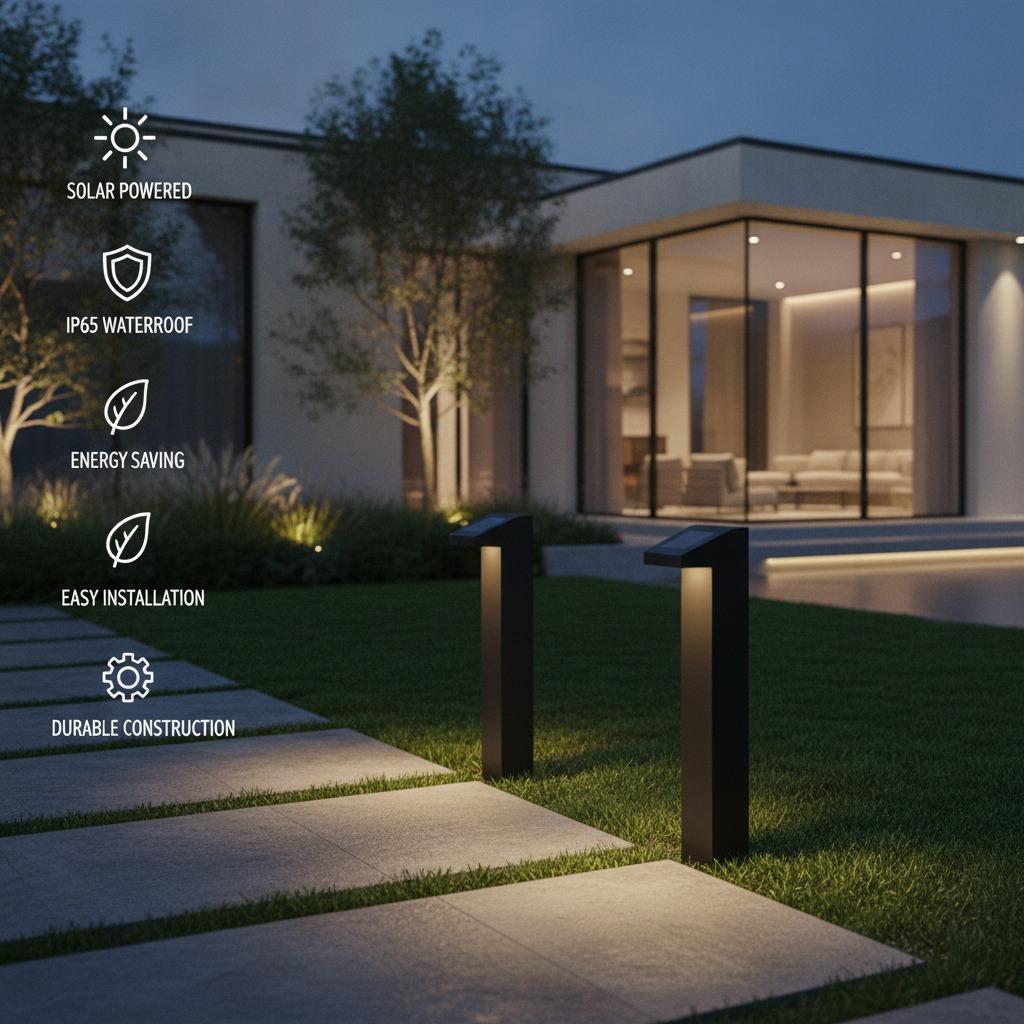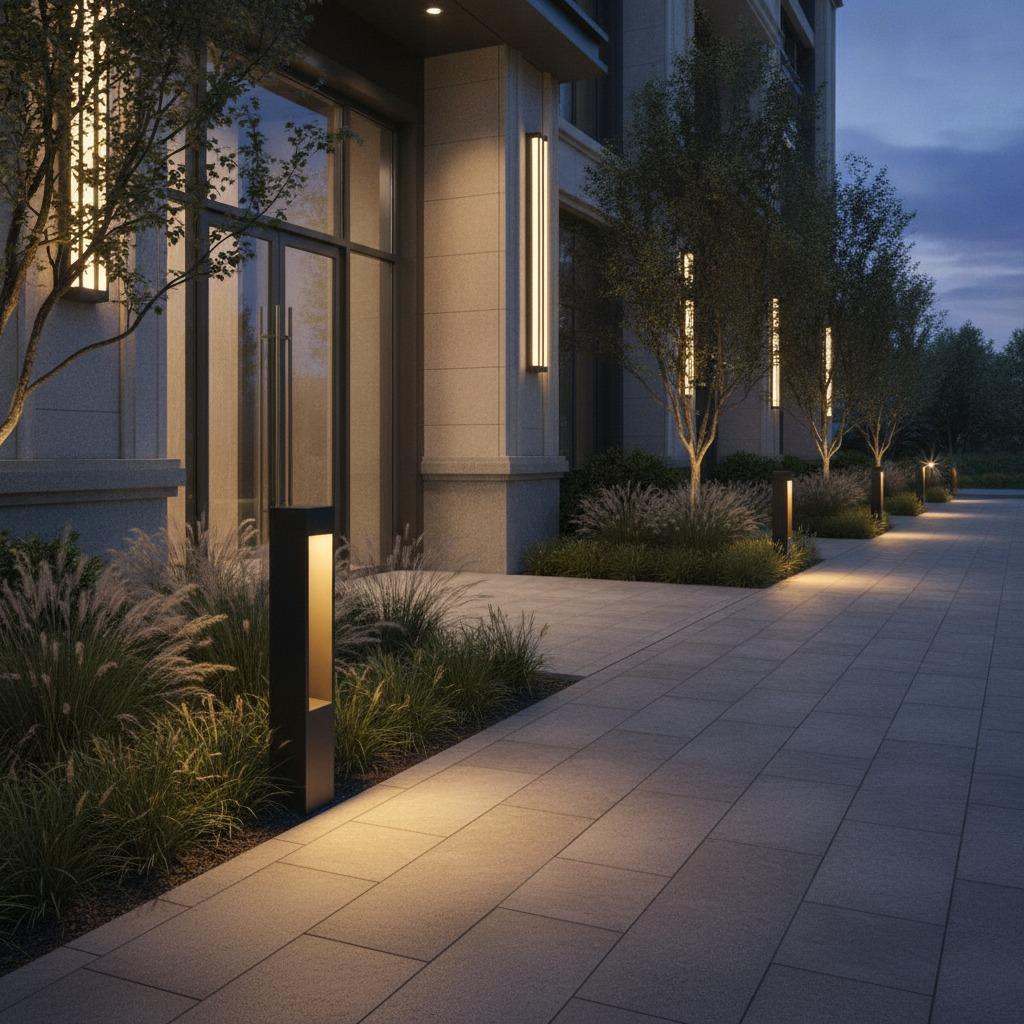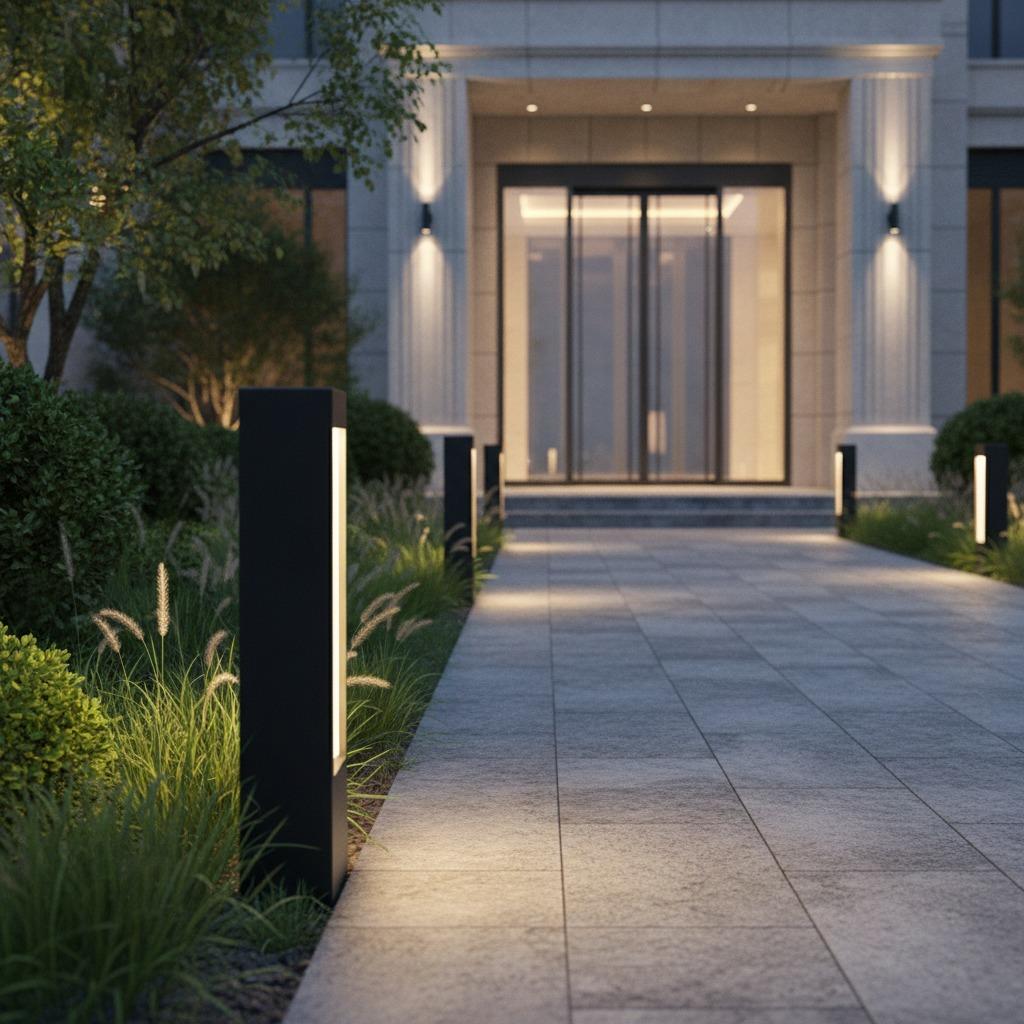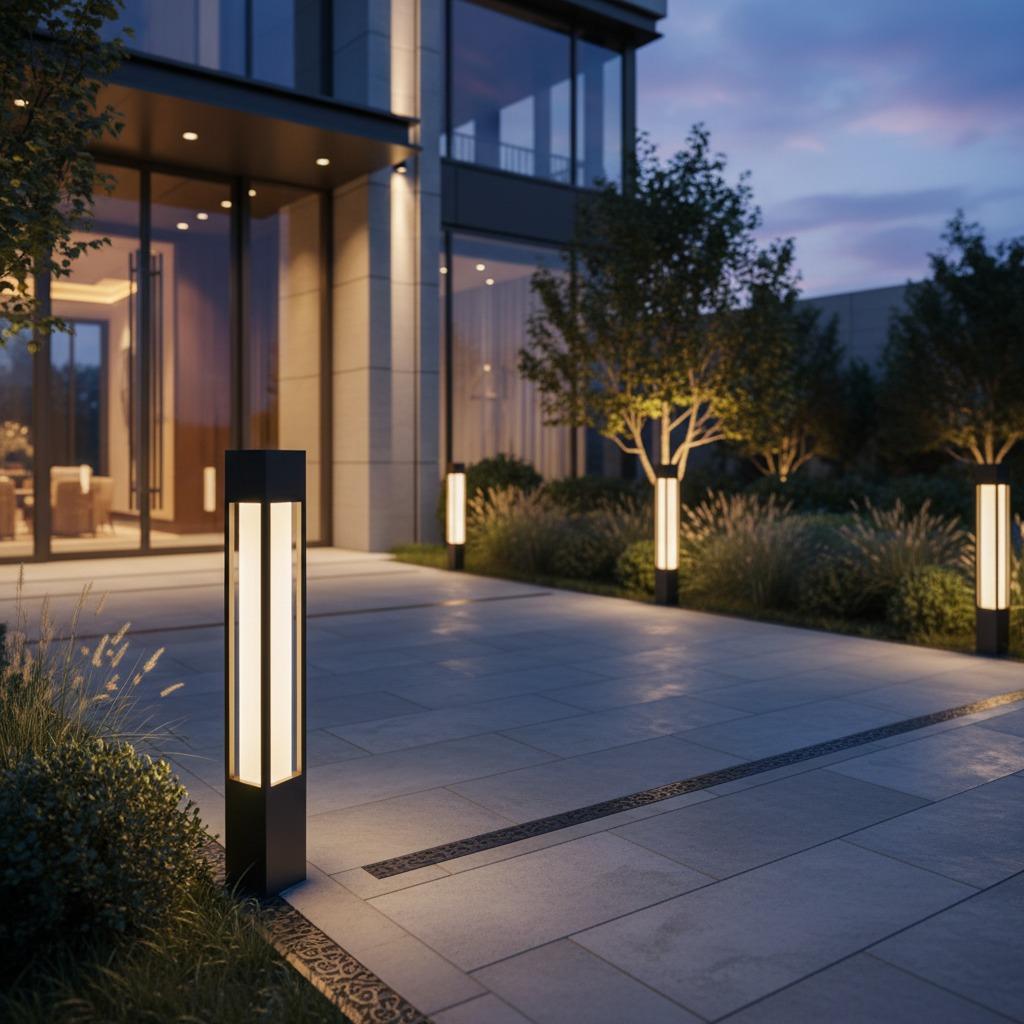

Choosing a custom LED garden light helps distributors, lighting brands, contractors, landscape designers, and project buyers create an outdoor lighting product that fits a specific market instead of accepting a standard catalog model that may not match the application.
Customization can involve much more than changing a logo or housing color. Buyers may need a different wattage, color temperature, optical distribution, mounting structure, surface finish, input voltage, solar system, packaging, or product style.
For outdoor applications, every modification should be evaluated as part of the complete luminaire. Changing the housing can affect heat dissipation. Changing the lamp cover can affect light distribution. Increasing the wattage can affect temperature and service life. Changing the mounting structure can influence installation safety and waterproof performance.
CDZM Lighting provides wired and solar garden lighting platforms for residential and public landscape applications. Its CDZM-9001 series, for example, includes electric and solar versions built around die-cast aluminum housing, a UV-resistant PC cover, secondary optical distribution, and a sealed outdoor structure.
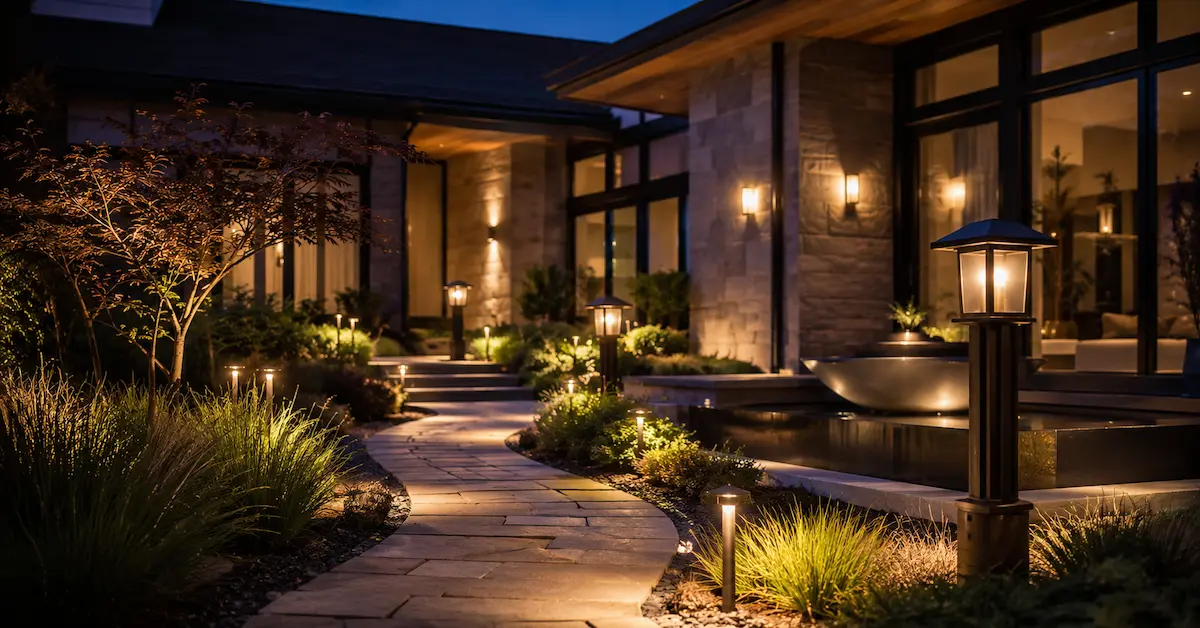
Quick Answer: What Should Buyers Customize?
For most B2B garden lighting projects, buyers should focus on the specifications that directly affect market suitability and long-term performance:
- Housing style, material, color, and surface finish
- Wattage, lumen output, and color temperature
- Light distribution and glare control
- Input voltage, LED driver, sensor, or dimming options
- IP protection and corrosion resistance
- Pole diameter, mounting height, and installation method
- Wired or solar power configuration
- Logo, nameplate, carton, manual, and private-label packaging
A successful custom project starts with the application environment. Product appearance should be developed only after the buyer and supplier understand the installation area, expected lighting effect, climate, operating hours, maintenance plan, and commercial target.
Who Needs Custom LED Garden Lighting?
Lighting Distributors and Wholesalers
Distributors often need products that are different from widely available catalog models. They may require exclusive finishes, regional specifications, private-label packaging, or a coordinated product family.
A customized range helps distributors avoid competing only on price and makes it easier to build a recognizable local product portfolio.
Lighting Brands
Established and emerging brands may need their own product appearance, model names, labels, manuals, packaging, and performance configuration.
They may start from an existing supplier platform and modify it, or develop a more exclusive structure with new tooling.
Engineering Contractors
Contractors may need garden lights that fit a specific pole, mounting height, lighting plan, tender specification, or architectural style.
Their main concerns usually include installation compatibility, project delivery, waterproof performance, spare parts, and batch consistency.
Landscape Designers
Landscape designers care about how the fixture looks during the day and how it performs at night.
They may specify:
- Warm or neutral color temperatures
- Low-glare optical designs
- Decorative housings
- Coordinated wall, post, bollard, and garden lights
- Finishes that match surrounding architecture
Hotels, Resorts, and Commercial Developers
Hospitality and commercial projects often require products that support a consistent visual identity.
The lighting should guide guests, improve safety, highlight landscaping, and create a premium atmosphere without excessive brightness or uncomfortable glare.
Municipal and Residential Project Buyers
Public parks and residential communities require products that balance appearance, visibility, durability, and maintenance cost.
These buyers are more likely to prioritize stable batch performance, outdoor protection, installation safety, and replacement availability.
When Is Customization Worth the Investment?
Customization is valuable when a standard model cannot meet an important commercial or technical requirement.
It is usually worth considering when:
- The product must match a brand identity
- A project requires a particular finish or architectural style
- Local voltage or certification requirements differ
- The standard wattage or optical distribution is unsuitable
- A unique mounting structure is required
- The buyer needs an exclusive regional product
- Solar and wired versions need the same visual design
- Packaging must support retail or distributor channels
A standard model may be more practical when the project quantity is small, the schedule is very short, or no meaningful technical or visual difference is required.
Good suppliers should be willing to recommend a standard platform when full customization would add cost without creating enough value.
What Can Be Customized?
Housing Design and Surface Finish
The housing is the most visible part of a garden light and one of the most important structural components.
Possible changes include:
- Housing shape
- Decorative pattern
- Product proportions
- Surface color
- Powder-coating texture
- Gloss or matte finish
- Top-cover design
- Coordinated product-family appearance
For outdoor products, the finish should not be selected only for appearance. It should also support corrosion resistance, UV exposure, rain, humidity, and local environmental conditions.
Materials
Common customization decisions include:
- Die-cast aluminum housing
- Aluminum profile components
- Stainless-steel fasteners
- PC lamp covers
- Tempered glass covers
- Sealing gaskets
- Corrosion-resistant surface coatings
Die-cast aluminum is frequently used in project-grade garden lights because it supports structural strength, heat dissipation, and outdoor durability.
CDZM’s garden light platforms use die-cast aluminum housings, PC covers, sealed structures, and anti-corrosion designs for outdoor applications.
Wattage and Lumen Output
Wattage should not be selected without considering:
- Mounting height
- Pole spacing
- Target illuminance
- Optical distribution
- Surface reflectance
- Nearby buildings and vegetation
- Required visual atmosphere
A higher wattage does not automatically produce a better lighting result. It may increase glare, energy consumption, thermal pressure, and spill light if the optics are not appropriate.
Color Temperature
Color temperature influences the atmosphere of the project.
| Color Temperature | Typical Application | Visual Effect |
|---|---|---|
| 2700K–3000K | Resorts, hotels, villas, leisure gardens | Warm and relaxed |
| 3500K–4000K | Communities, pathways, public gardens | Balanced and natural |
| 5000K–6500K | Functional public areas | Brighter and cooler |
For hospitality and residential landscapes, warm white is often preferred because it creates a more comfortable environment. Public or functional areas may use neutral white where clearer visibility is required.
Optical Distribution
Optical customization may involve:
- Beam angle
- Symmetrical or asymmetrical distribution
- Downward light control
- Diffuser selection
- Reflector design
- Secondary lens configuration
- Glare reduction
- Light spill control
Outdoor lighting quality depends on more than average brightness. CIE guidance treats uniformity and glare restriction as important parts of outdoor area lighting quality, and the glare experienced on site depends on fixture distribution, mounting height, arrangement, and the brightness of the illuminated area.
Electrical Configuration
Depending on the target market, buyers may customize:
- Input voltage
- LED driver
- Power factor
- Surge protection
- Dimming
- Photocell
- Motion sensor
- Timer control
- Smart control interface
The electrical configuration should match local supply conditions and any applicable project or market requirements.
Installation Structure
Installation customization may include:
- Pole diameter
- Spigot size
- Base-mounted or pole-mounted structure
- Fixture height
- Cable access
- Fastener selection
- Anti-rotation design
- Maintenance access
Installation details should be confirmed before tooling or sample approval. A visually attractive fixture can still fail a project if it does not fit the pole, foundation, cable route, or maintenance method.
Wired or Solar Power
A product platform may be developed in both wired and solar versions.
| Factor | Wired Garden Light | Solar Garden Light |
|---|---|---|
| Power source | Electrical grid | Solar panel and battery |
| Installation | Requires cabling | Reduces grid wiring |
| Light output | Stable with grid power | Depends on system configuration |
| Main design focus | Driver and electrical compatibility | Panel, battery, controller, and autonomy |
| Best applications | Communities, hotels, established projects | Off-grid paths, parks, resorts, rural areas |
| Main buyer concern | Wiring and electrical safety | Solar exposure and battery performance |
For solar customization, the supplier should evaluate local sunlight, operating hours, seasonal weather, panel orientation, battery capacity, controller settings, and desired backup time.
Branding and Packaging
Private-label options may include:
- Product logo
- Model number
- Nameplate
- Carton artwork
- Inner packaging
- Installation manual
- Barcode
- Product label
- Marketing images
- Multilingual documentation
Packaging should protect the product during international shipping while presenting a professional and consistent brand image.
What Makes a Reliable Custom LED Garden Light?
A reliable custom LED garden light should be designed as a complete outdoor system rather than a collection of independently selected components.
Outdoor Protection
The IP code is defined through IEC 60529 and describes enclosure protection against solid objects and liquids. Buyers should confirm the required rating for the application and request evidence that the final customized construction—not only the original standard model—has been tested.
Changes to the cover, cable entry, housing, screws, sensor, or mounting structure can affect sealing performance. A modified model may therefore require renewed waterproof validation.
Heat Management
LED output and driver reliability are affected by operating temperature. Increasing power without reviewing housing volume, LED board contact, driver location, and heat-transfer paths can shorten service life.
Thermal evaluation should be part of sample testing whenever wattage, LEDs, drivers, or internal structure are changed.
UV Resistance
Garden lights are exposed to sunlight during the day. Lamp covers and surface finishes should resist yellowing, fading, cracking, and loss of light transmission.
A UV-resistant PC cover is one common option for outdoor garden lighting platforms.
Mechanical Strength
The product should remain stable under normal outdoor use, installation loads, wind, handling, and maintenance.
Buyers should review:
- Housing thickness
- Pole connection
- Fasteners
- Cover retention
- Mounting structure
- Packaging protection
Batch Consistency
A successful sample is not enough. The supplier should control the same material, LED color, driver, finish, dimensions, and assembly method during mass production.
Example Garden Light Platform Specifications
The following specifications illustrate one existing CDZM garden light platform and should be treated as a development reference rather than a universal requirement.
| Item | Example Specification |
|---|---|
| Housing | High-pressure die-cast aluminum |
| Lamp Cover | PC |
| Rated Power | 30W / 60W |
| Color Temperature | 2700K–6500K |
| Input Voltage | AC85–265V |
| Power Factor | PF > 0.9 |
| Protection Grade | IP65 |
| LED Lifetime | More than 50,000 hours |
| Installation Spigot | 60 / 76 mm |
| Power Options | Wired LED or solar version |
These specifications are published for the CDZM-9001 platform. Final custom specifications should be confirmed through engineering review and sample testing.
Customization Levels Compared
| Customization Level | Typical Changes | Development Cost | Lead-Time Impact | Best For |
|---|---|---|---|---|
| Private Label | Logo, labels, carton, manual | Low | Low | New brands and distributors |
| Configuration Customization | Wattage, CCT, driver, finish | Low to medium | Low to medium | Regional product adaptation |
| Semi-Custom Product | Cover, mounting, optics, decorative parts | Medium | Medium | Project and brand differentiation |
| Full Custom Development | New housing, mold, internal structure | High | High | Exclusive products and long-term programs |
Starting from an existing tested platform normally reduces development risk. Full custom development offers greater differentiation but requires more engineering work, tooling, validation, and commercial commitment.
Development Process for Custom Garden Lights
1. Define the Application
The buyer should provide:
- Installation location
- Mounting height
- Pole spacing
- Required lighting effect
- Local climate
- Wiring conditions
- Project quantity
- Target market
- Certification expectations
2. Select a Starting Platform
The supplier identifies an existing model that is close to the required appearance and performance.
This approach can reduce tooling cost and shorten development time.
3. Conduct an Engineering Feasibility Review
The supplier evaluates whether the requested changes affect:
- Heat dissipation
- Waterproofing
- Optical distribution
- Electrical safety
- Installation
- Material availability
- Production method
- Cost
4. Confirm the Specification
The approved specification should record:
- Dimensions
- Materials
- Finish
- Wattage
- Voltage
- Color temperature
- Optical design
- IP rating
- Mounting
- Branding
- Packaging
- Test requirements
5. Produce a Sample
The sample should be inspected for appearance, fit, installation, light output, color, electrical operation, and packaging.
6. Test the Final Configuration
Before approving a custom LED garden light for mass production, buyers should ensure that the final construction—not an earlier standard model—has been checked for its relevant electrical, optical, thermal, waterproof, and mechanical requirements.
7. Approve a Pilot or Production Sample
For deeper customization, a pilot batch can help identify assembly or consistency issues before full production.
8. Begin Mass Production and Final Inspection
The supplier should control components, production records, testing, labeling, packaging, and shipment quantities.
Quality Tests Buyers Should Request
| Test | What It Checks |
|---|---|
| Incoming Material Inspection | Housing, cover, LED, driver, cables, and accessories |
| Integrating Sphere Test | Luminous output, power, and color performance |
| Electrical Safety Test | Electrical operation and insulation-related safety |
| Aging Test | Early electrical and thermal failures |
| IP Waterproof Test | Enclosure sealing and water protection |
| Impact Test | Mechanical durability |
| Environmental Stress Test | Performance under demanding conditions |
| Appearance Inspection | Finish, color, assembly, and branding |
| Packaging Inspection | Protection during storage and shipping |
| Final Function Test | Operation before shipment |
CDZM states that its laboratory conducts more than 30 product tests before market release and that essential safety and performance parameters receive 100% testing during mass production. Listed test capabilities include integrating-sphere, electrical-safety, high-temperature-aging, IP-waterproof, impact-resistance, and environmental-stress testing.
What Affects Cost, MOQ, and Lead Time?
Existing Platform or New Tooling
Changing a finish or electrical specification usually requires less investment than developing a new housing.
New molds, unique castings, or structural changes increase development cost and lead time.
Custom Components
Special drivers, LEDs, sensors, solar panels, batteries, covers, and fasteners may create supplier minimums or longer procurement schedules.
Testing and Certification
A meaningful change may require new testing or documentation, especially when it affects electrical construction, power, sealing, or the market in which the product will be sold.
Packaging
Custom printed cartons, foam inserts, manuals, and retail packaging can affect minimum quantities and preparation time.
Order Volume
Higher forecast volume can make tooling and development costs easier to distribute across the program.
Buyers should evaluate total product value rather than comparing only the first unit price.
Common Customization Mistakes
Designing Appearance Before Confirming the Application
The installation environment should determine the product requirements. Appearance should not override waterproofing, mounting, lighting performance, or maintenance needs.
Selecting Wattage Without Studying Optics
A high-wattage fixture with poor distribution may create glare and still leave dark areas.
Accepting an IP Rating Without Final-Product Testing
A standard model’s IP test does not automatically apply after the housing, cover, cable entry, sensor, or mounting structure has been changed.
Ignoring Pole and Mounting Dimensions
Installation mismatches can delay projects and require expensive site modifications.
Approving One Sample Without Discussing Batch Control
Buyers should ask how the factory controls finish, LEDs, drivers, dimensions, labels, and testing during mass production.
Failing to Clarify Design Ownership
For exclusive developments, both parties should define ownership and use of drawings, molds, branding files, and market exclusivity.
Common Application Scenarios
| Application | Typical Custom Priorities |
|---|---|
| Villa Gardens | Decorative appearance, warm light, low glare |
| Hotels and Resorts | Premium finish, coordinated product family, visual comfort |
| Residential Communities | Stable brightness, durability, repeat supply |
| Public Parks | Waterproofing, coverage, maintenance access |
| Commercial Landscapes | Brand image, optical consistency, project finish |
| Campus Pathways | Safety, uniformity, installation stability |
| Off-Grid Areas | Solar panel, battery, controller, operating schedule |
Why Work with CDZM Lighting?
CDZM Lighting presents itself as an outdoor, commercial, and industrial LED lighting manufacturer with more than 16 years of experience. Its About page describes a 50,000-square-meter facility with automated production lines and an R&D center, service to customers in more than 50 countries, and cooperation with over 300 global partners.
For customized garden lighting projects, CDZM can support buyers with:
- Existing wired and solar garden-light platforms
- Die-cast aluminum outdoor structures
- UV-resistant PC cover options
- Secondary optical distribution
- IP-rated sealed construction
- Wattage and color-temperature configuration
- Pole and mounting selection
- OEM/ODM branding and packaging
- Sample development
- Laboratory testing
- Repeat-order production support
The CDZM-9001 platform demonstrates how one visual design can be offered in electric and solar configurations while retaining a coordinated housing style and outdoor structure.
Information to Provide Before Requesting a Quote
For a faster and more accurate proposal, prepare:
- Target country or market
- Buyer type and sales channel
- Application environment
- Required quantity
- Preferred product style
- Installation height
- Pole or spigot size
- Wattage or lumen target
- Color temperature
- Input voltage
- IP requirement
- Wired or solar preference
- Finish and housing color
- Logo and packaging requirements
- Certification requirements
- Target price range
- Required delivery date
A drawing, project plan, reference image, or existing product sample can help the engineering team understand the request more accurately.
FAQ
1. What is a customized LED garden light?
It is an outdoor garden luminaire whose appearance, specifications, installation, branding, packaging, or power system has been adapted to a buyer’s project or market requirements.
2. What parts of an LED garden light can be customized?
Common options include housing color, surface finish, wattage, lumen output, color temperature, optics, driver, input voltage, pole connection, logo, packaging, and solar configuration.
3. Is a new mold always required?
No. Private-label and configuration changes can often use an existing platform. A new mold is usually required only when the housing or another structural component changes significantly.
4. Can the same garden light be offered in wired and solar versions?
Yes, when the housing and internal design can accommodate the required electrical or solar components. The solar version still needs a properly matched panel, battery, controller, LED load, and operating schedule.
5. Is IP65 suitable for garden lighting?
IP65 is commonly specified for outdoor garden applications, but the correct protection level depends on the installation environment. Buyers should confirm that the final customized product has been tested according to the agreed requirement.
6. How should buyers approve a custom sample?
Check the dimensions, material, finish, installation, light distribution, color temperature, electrical performance, heat management, waterproofing, branding, and packaging.
7. What information is needed for an accurate quotation?
Provide the application, quantity, specifications, target market, customization level, certification requirements, packaging, and delivery schedule.
8. Can CDZM support private-label garden lighting?
Yes. CDZM supports B2B buyers with garden-light platform selection, wired or solar configurations, specification adjustments, branding, packaging, sample confirmation, testing, and mass-production support.
Conclusion
Developing the right custom LED garden light requires more than selecting an attractive housing. Buyers should coordinate application requirements, materials, optics, heat management, waterproof protection, electrical configuration, installation, branding, testing, and production consistency.
CDZM Lighting offers existing garden-light platforms, OEM/ODM development, outdoor product testing, and project-based support for distributors, lighting brands, contractors, developers, and landscape buyers. To request a proposal, provide your application, drawings or reference images, technical requirements, estimated quantity, branding needs, and target delivery schedule.