
Why buyers specify an outdoor LED lighting manufacturer instead of just a fixture
Choosing an outdoor LED lighting manufacturer is rarely about picking a pretty lantern and moving on. For engineers, sourcing managers, and project teams, the real question is whether the supplier can deliver outdoor LED lights that hold up under weather, install cleanly, and keep the lighting intent intact after months of use. That matters more than it sounds. A walkway fixture that looks good on day one but fails on corrosion, glare control, or mounting consistency becomes a maintenance problem fast.
For projects such as hotel paths, campus walkways, garden borders, and entrance plazas, commercial outdoor LED lighting has to do several jobs at once: guide people, define space, support the architecture, and survive rain, dust, and repeated thermal cycling. The right manufacturer understands that balance. The wrong one may still sell a fixture, but not necessarily a reliable solution.
What this type of bollard light is trying to solve
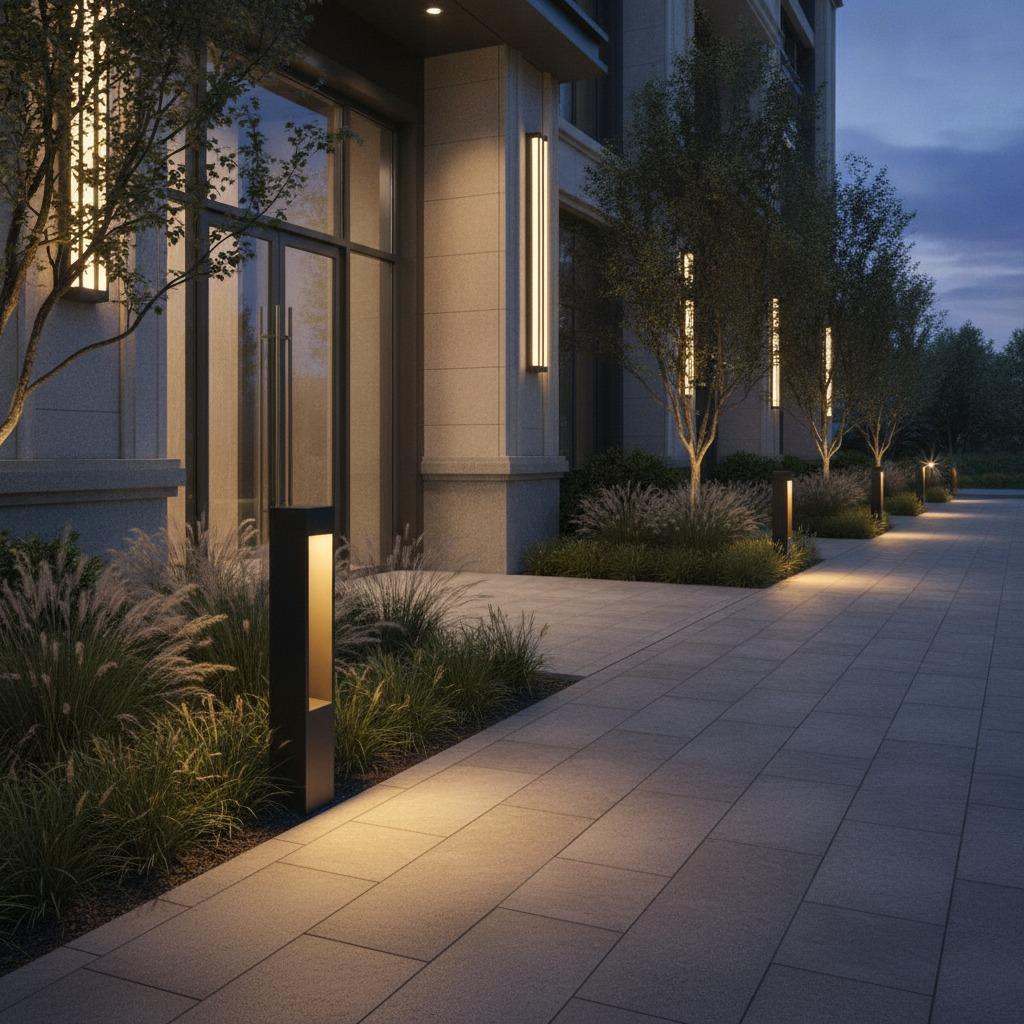
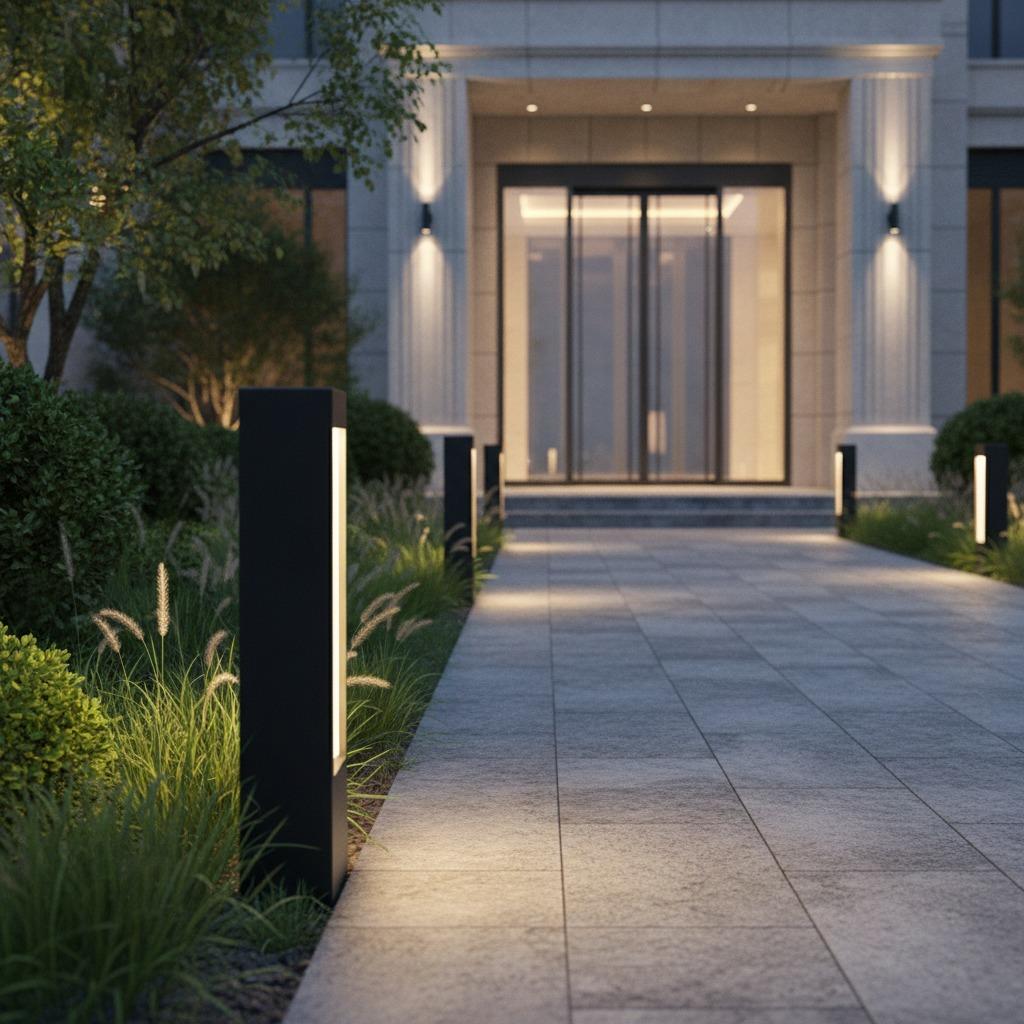
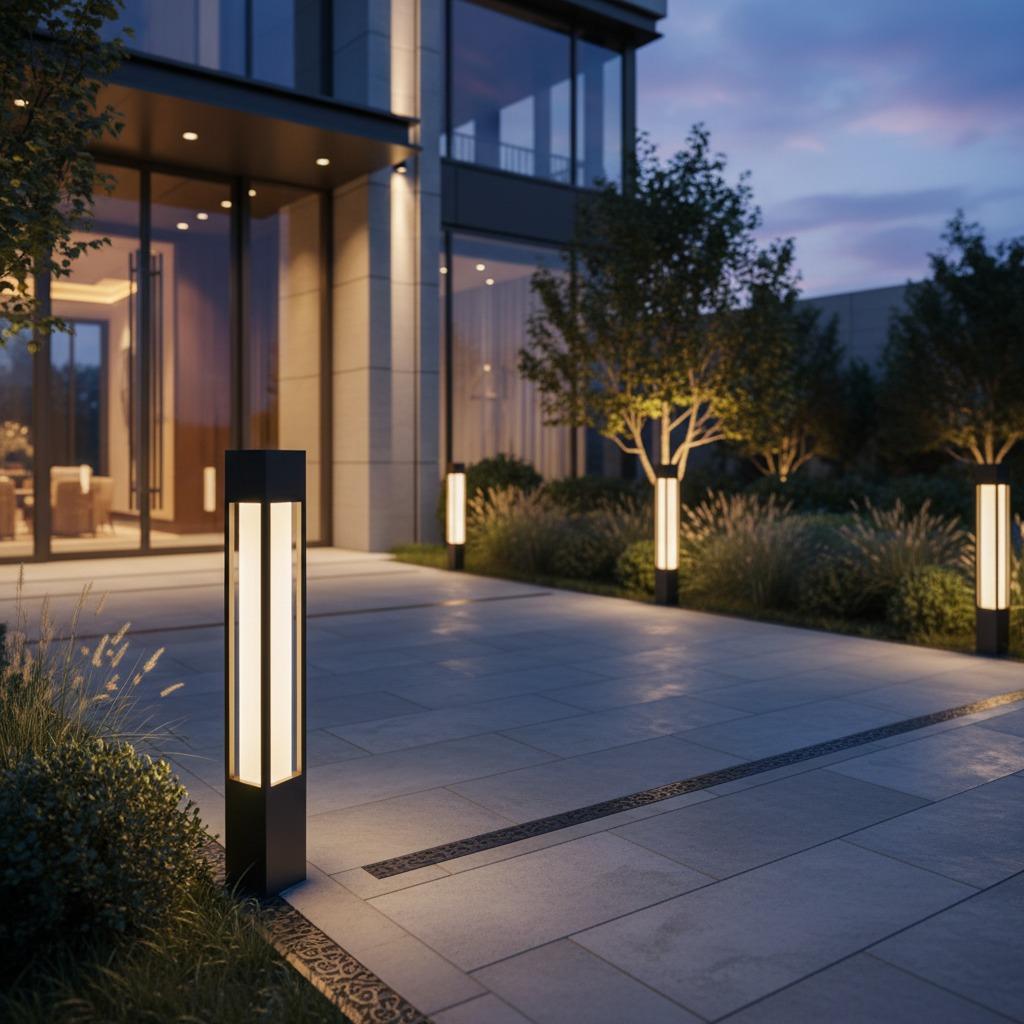
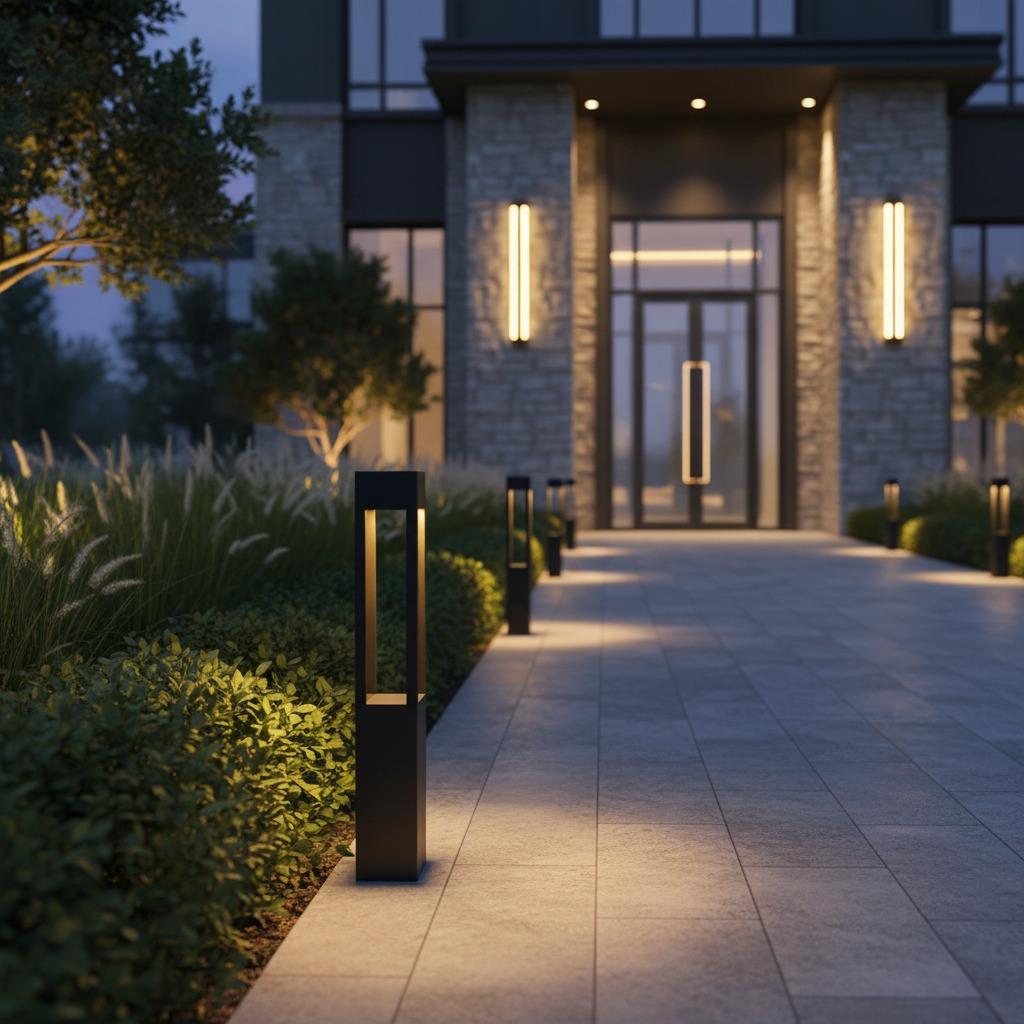
The product in focus here is a tall, slim bollard or garden post light with a rectangular profile and illuminated panels on multiple sides. In practical terms, it provides low-level illumination for pathways, driveways, building entries, and planted areas. It also works as wayfinding light, which is easy to overlook until a site becomes awkward to navigate at night.
The design language is modern and architectural: a dark top cap, dark base, and frosted or diffused light panels that soften the output. That combination is useful where the customer wants LED outdoor lighting to blend into landscaping rather than dominate it. The trade-off is that aesthetics alone do not tell you much about performance. Buyers still need to ask how the light is sealed, what the body is made from, and how the diffuser is fixed in place.
Key points buyers should compare early
Before comparing price or finish options, it helps to sort the fundamentals. A bollard light can look similar across catalogs while varying widely in durability and photometric behavior.
1. Housing and corrosion resistance
The visible housing appears to be a matte or satin black metal body, likely aluminum or another outdoor-suitable metal, though that cannot be confirmed from the image alone. For outdoor LED lights, the housing material matters as much as the styling. Coastal sites, irrigation-heavy landscapes, and freeze-thaw climates punish weak coatings and poor joint design.
2. Light distribution
Multiple-sided illumination is a plus when the goal is even coverage along a path or around a planted area. It can reduce dark spots and help with orientation. Still, uniformity is not the same as useful light. A buyer should ask for photometric data, beam spread information, and an honest discussion of glare. A decorative bollard that throws light into the eyes of pedestrians is a design miss, no matter how elegant the fixture looks in daylight.
3. Installation logic
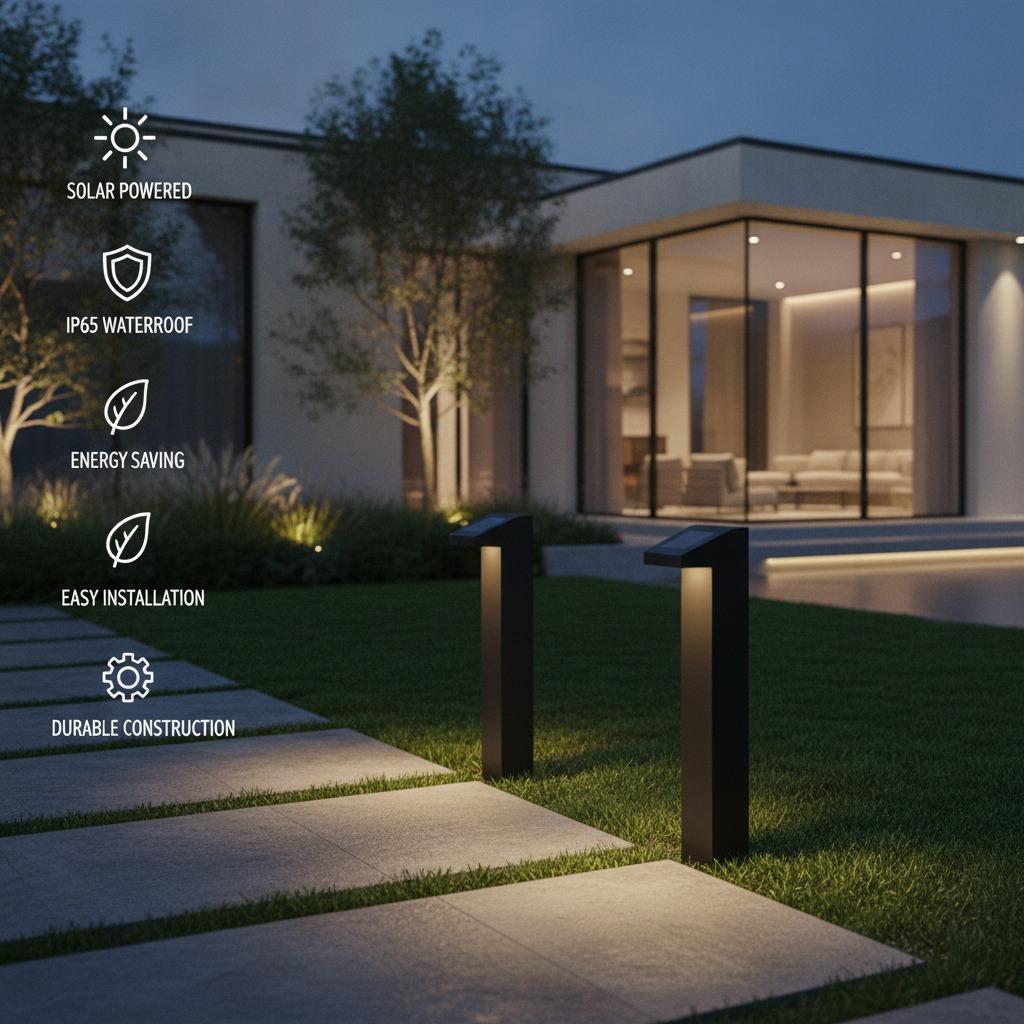
Compact footprint and upright ground-level mounting are common advantages for this product category. They fit into landscaped sites without overwhelming the space. But installers will care about base access, cable entry, anchoring method, and whether the fixture simplifies maintenance. Small details here can save time on a large rollout.
Likely manufacturing considerations behind the fixture
From a manufacturing standpoint, this kind of outdoor LED landscape/pathway bollard light is often associated with aluminum-bodied construction, diffuser panels, and a powder-coated finish. Depending on the design, production may involve extrusion, sheet-metal forming, CNC machining, and coating operations. That said, a buyer should treat those as likely process categories, not confirmed facts for this specific product.
What does matter is consistency. Outdoor fixtures are unforgiving when one weld, one seam, or one coating step drifts. If you are sourcing at scale, ask how the manufacturer controls finish uniformity, panel fit, and sealing at repeated production volumes. A sample can be attractive and still hide manufacturing variability.
Where this style of commercial outdoor LED lighting fits best
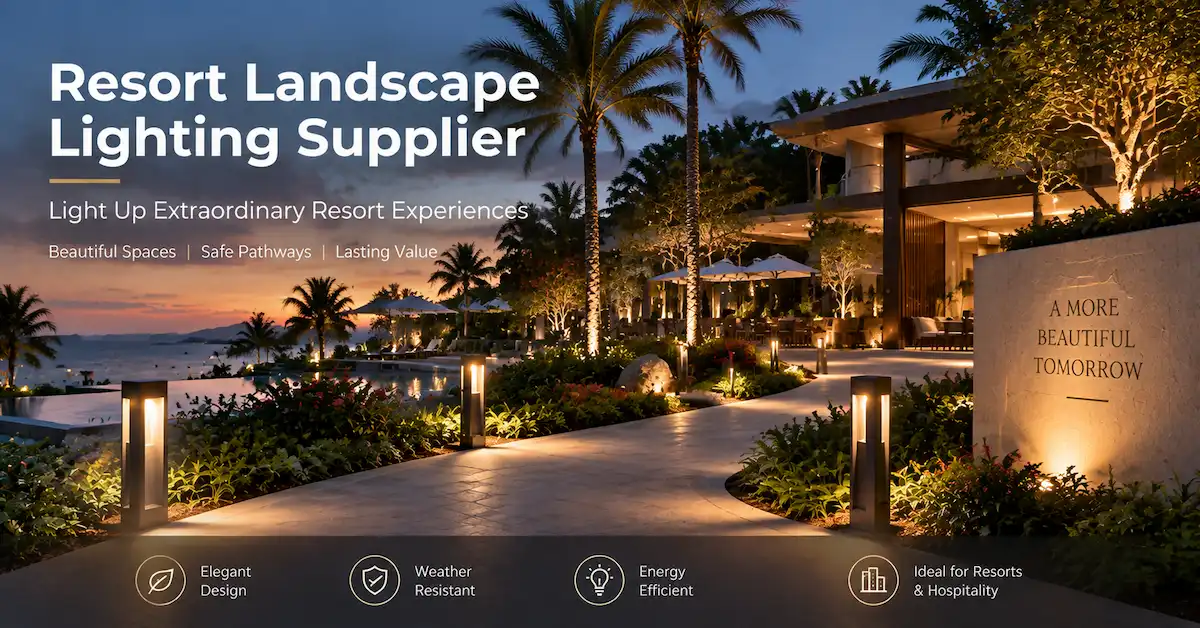
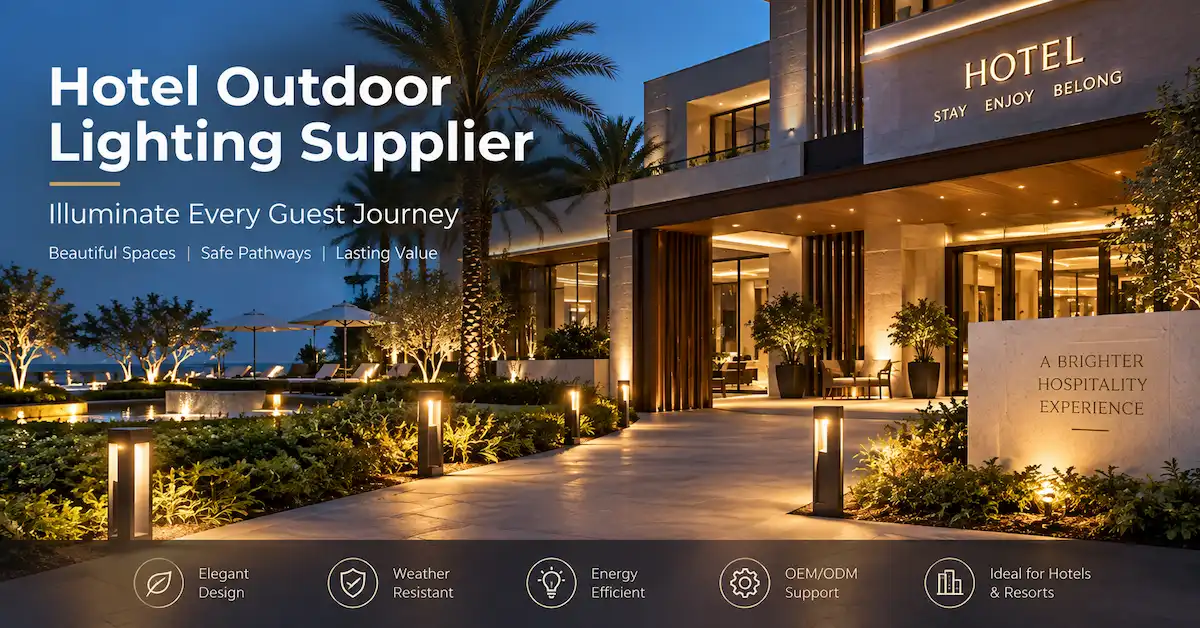
This fixture style fits hospitality sites, residential landscaping, corporate campuses, garden paths, patio edges, and perimeter lighting. It is especially useful where the design brief wants soft directional guidance rather than high-mounted floodlight coverage.
For resorts and hotels, the low-profile geometry supports a calm, premium look. On campuses or mixed-use sites, the same fixture can create a visual rhythm along a route without making the space feel overlit. That said, if the project requires security-level illumination, a bollard alone is usually not enough. It should be part of a layered lighting plan, not a substitute for one.
Common buyer mistakes
The first mistake is judging outdoor LED lighting by appearance alone. A clean silhouette and frosted diffuser are appealing, but they do not answer questions about ingress protection, thermal design, or electrical compatibility.
The second mistake is ignoring maintenance access. If a fixture is difficult to service, even a modest failure rate becomes expensive over time. The third is ordering without verifying finish suitability for the site environment. A black matte surface may look sharp on a showroom sample and still be the wrong choice for a harsh coastal perimeter if the coating system is weak.
Practical questions to ask an outdoor LED lighting manufacturer
Buyers evaluating a supplier should ask for the information that actually affects procurement decisions: dimensions, mounting method, input requirements, output levels, color temperature options, IP rating, corrosion-resistance approach, and whether the LED source is replaceable or integrated. If smart controls matter, that should be confirmed early as well.
Ask for installation drawings, maintenance notes, and a clear explanation of diffuser attachment. Those documents reveal more about the supplier’s engineering discipline than a polished sales sheet does.
What to do next
If your project calls for pathway guidance, landscape accent lighting, or a modern bollard form factor, start by comparing manufacturers on build quality and site suitability rather than catalog style alone. The best outdoor LED lighting manufacturer is the one that can show how the fixture performs in real outdoor conditions, not just how it photographs.
If you are building a short list, request technical drawings, finish specifications, and application guidance for your site type. That is usually the fastest way to separate a decorative fixture vendor from a true commercial partner.