
Why buyers look for an outdoor LED lighting manufacturer
Choosing an outdoor LED lighting manufacturer is rarely just a spec-sheet exercise. For engineers, sourcing managers, and project teams, the real question is whether a fixture will survive weather, hold its appearance, and still deliver useful light where people actually walk. Outdoor LED lights do not live in a controlled environment. They face rain, dust, heat cycling, cleaning chemicals, vibration, and the occasional impact from carts or maintenance equipment. If the product is for a hotel path, a campus walkway, or a landscaped entrance, failure is visible immediately.
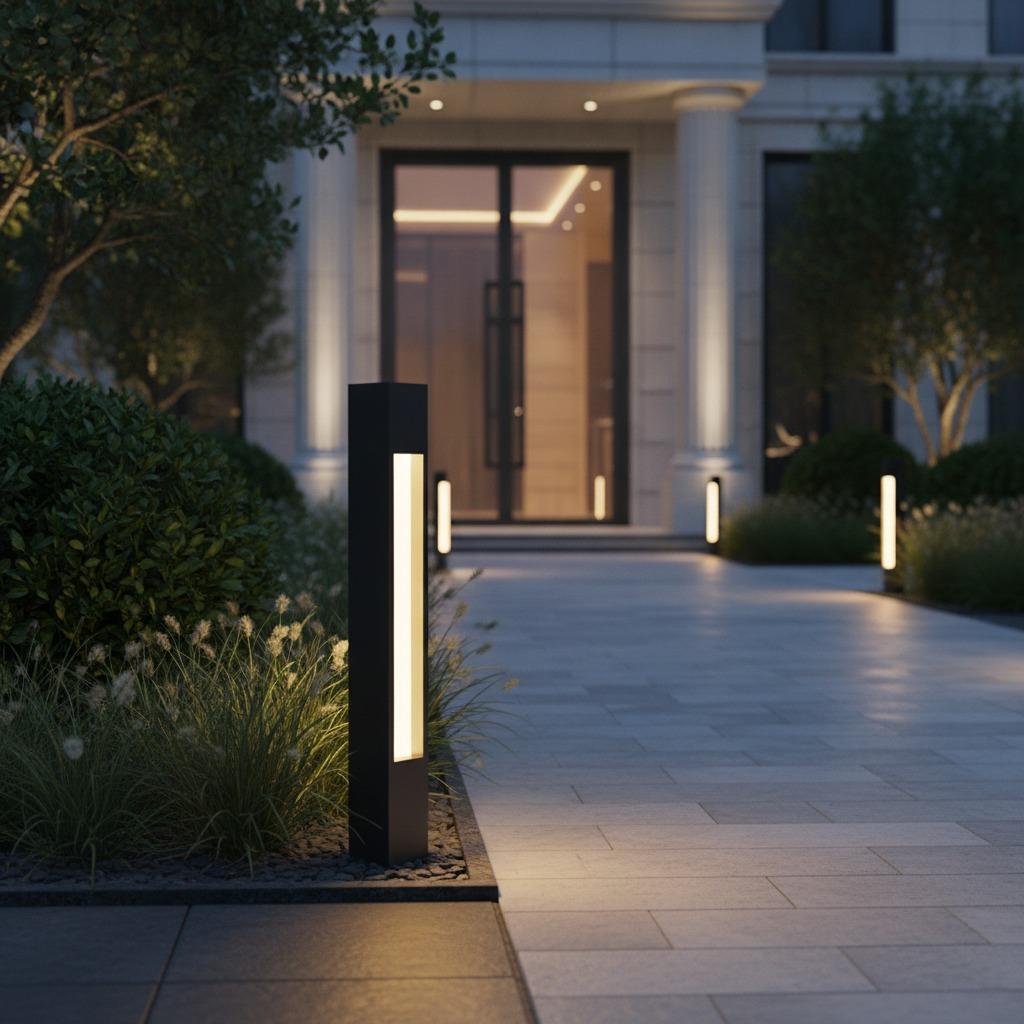
That is why commercial outdoor LED lighting is usually judged on more than brightness. Buyers want a unit that fits the architecture, keeps glare under control, and simplifies installation and maintenance. A bollard or path light, for example, has to do three jobs at once: define circulation, illuminate the ground plane, and look deliberate in daylight. The best suppliers understand that balance.
What the visible product tells us
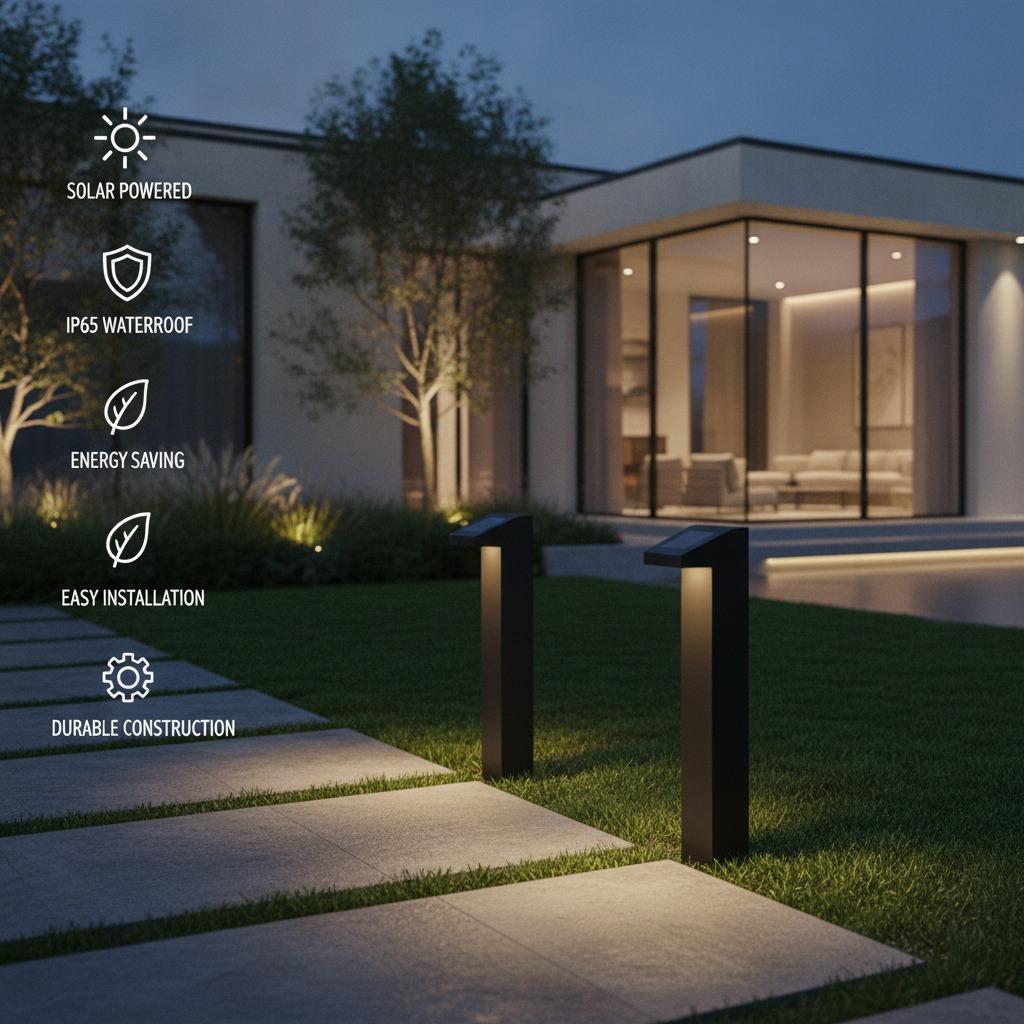
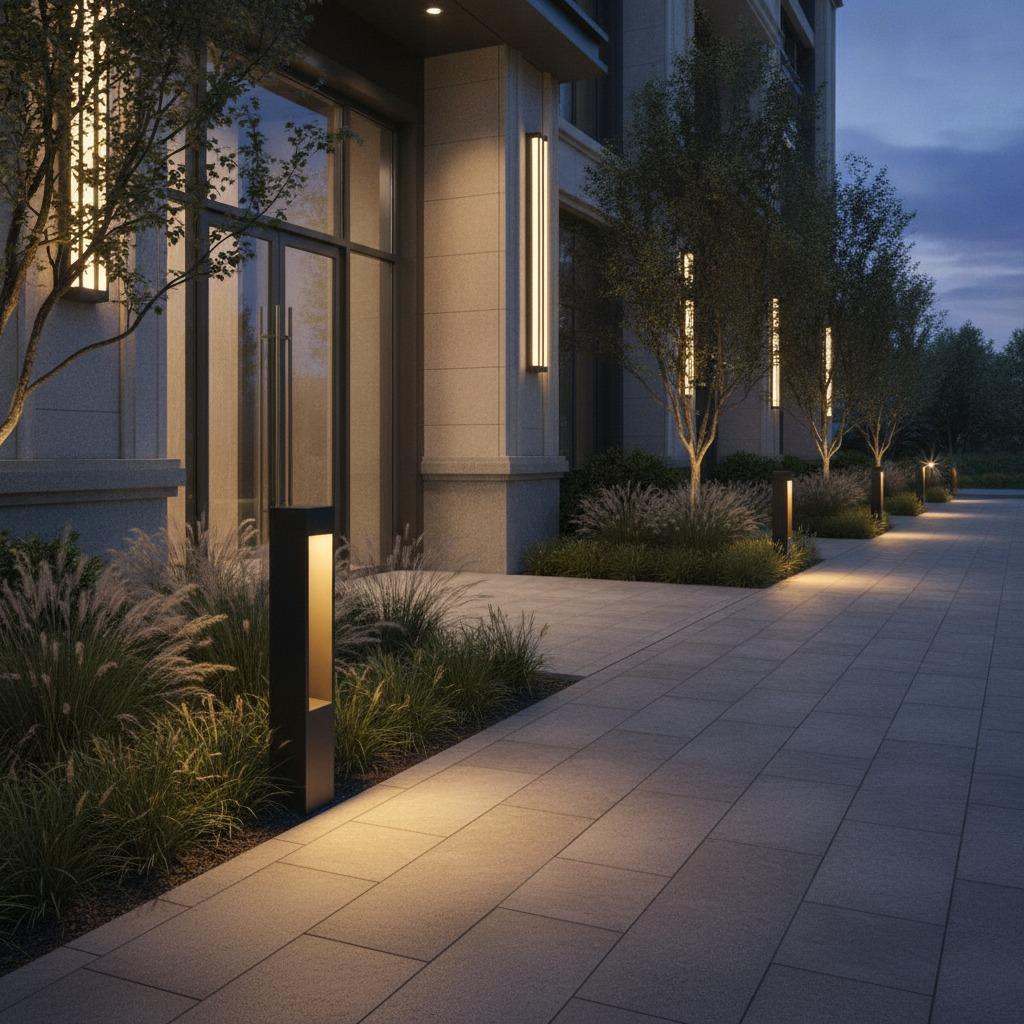
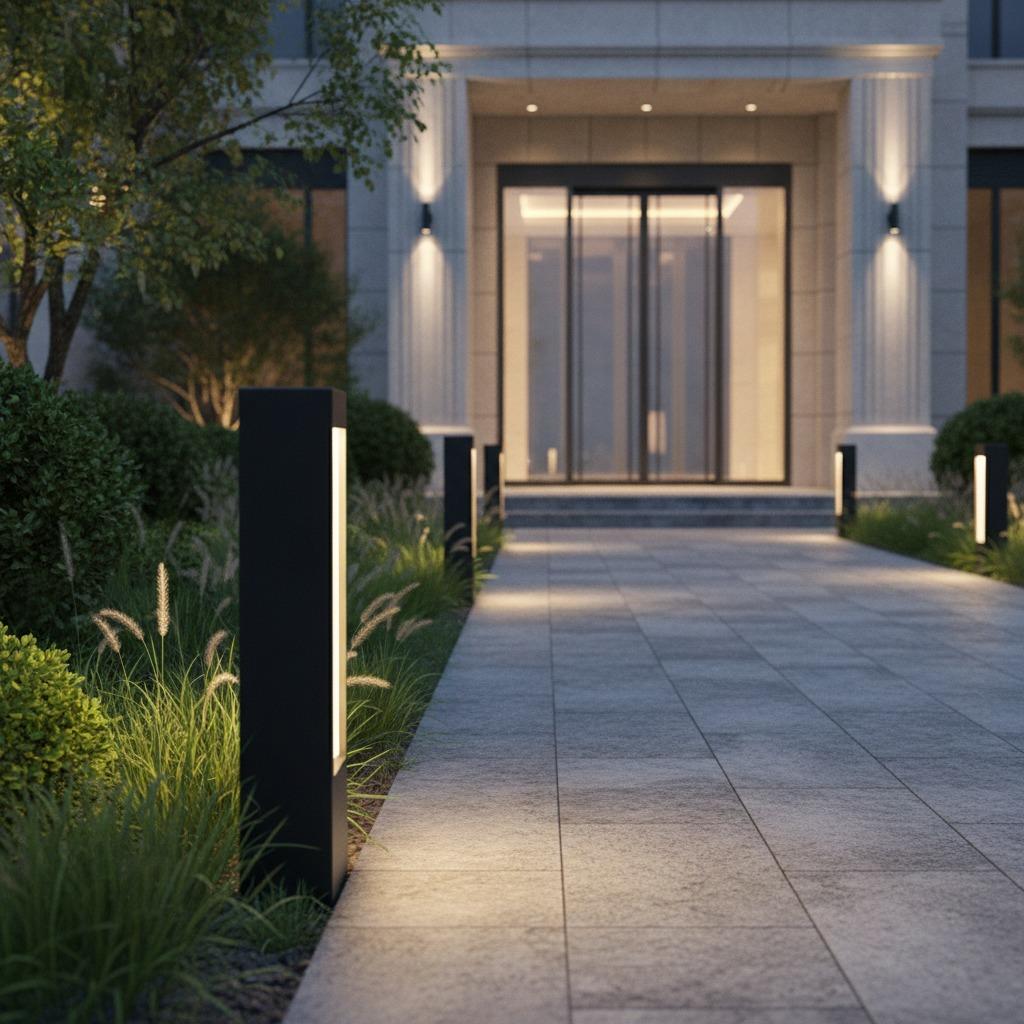
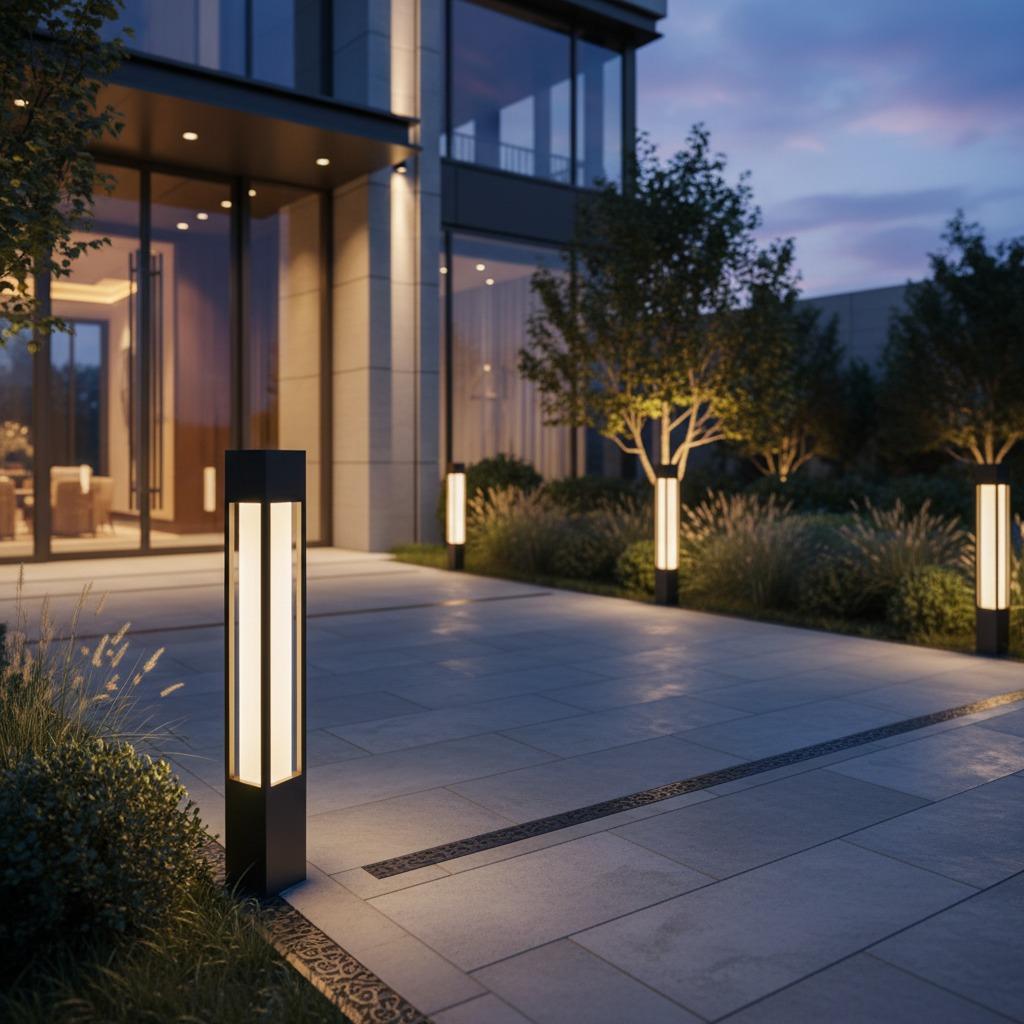
The product category shown is an outdoor LED bollard or garden post light. Its tall rectangular form, dark housing, and translucent illuminated faces point to a contemporary architectural fixture rather than a decorative residential lamp. It is designed for low-level area lighting along walkways, driveways, planted borders, and building entrances. In practical terms, this is the kind of fixture used to make exterior spaces safer and easier to navigate without flooding the site with light.
The visible warm white output matters too. Warm tones are often preferred in hospitality and residential landscape settings because they feel less harsh and blend better with stone, planting, and textured façades. That said, buyers should not assume every warm-looking sample will perform the same after installation. Lens material, internal optics, and mounting height can change the effect more than people expect.
What a manufacturer should control in this product class
Housing, finish, and durability
For this type of exterior fixture, the enclosure is usually as important as the LED source itself. A metal housing with a matte black or dark powder-coated finish is common in architectural work because it recedes visually and resists the cluttered look that cheaper products can create. The actual base material and fabrication process are not visible here, but a serious manufacturer will pay attention to forming, coating quality, gasket interfaces, and cable entry details. Those are the areas where outdoor fixtures tend to age badly if shortcuts are taken.
Optics and visual comfort
Uniform diffuser faces are a useful sign, but they do not tell the whole story. Buyers should ask how the fixture manages hot spots, spill light, and glare from normal viewing angles. A path light can look elegant in photographs and still annoy users if it throws too much light sideways. For hotels, campuses, and office landscapes, that becomes a brand issue as much as a lighting issue.
Electrical assembly and serviceability
Integrated LED lighting is now standard in many outdoor products, yet serviceability remains a practical concern. If the LED module, driver, or internal wiring cannot be maintained sensibly, the fixture may be economical up front but expensive over the life of the site. A buyer should ask how the unit is assembled, whether components are replaceable, and what access is required for routine service. The answers are often more revealing than a brochure headline.
How to evaluate outdoor LED lighting for a real project
Start with the site, not the catalog. Is the fixture meant to mark a pedestrian path, light a driveway edge, or frame a garden border? The application determines height, spacing, beam distribution, and finish. A path light for a resort entry should read differently from a unit on a private residence. The first wants consistency and low glare; the second may lean more decorative.
Then compare outdoor LED lights on the factors that affect installation and ownership, not just appearance. Ask about enclosure material, coating system, diffuser construction, wiring method, and compatibility with the local electrical environment. If the supplier cannot speak clearly about outdoor use, move on. Exterior lighting failures are often caused by details that were never discussed during sourcing.
Common mistakes buyers still make
The first mistake is treating every bollard as interchangeable. A compact architectural bollard and a generic utility path light solve different problems. The second is assuming brightness equals quality. In practice, too much output can make a path uncomfortable and wash out the surrounding landscape. The third is ignoring maintenance access. If a fixture is installed in a long planting bed or a tightly managed site, replacement labor can dwarf the product cost.
Another quiet mistake is overlooking consistency across a project. Commercial outdoor LED lighting often needs to look uniform across multiple entrances or zones. Small differences in color appearance, housing finish, or diffuser translucency become visible once the site is lit in sequence. That is especially true for hospitality and campus work, where the lighting forms part of the visitor experience.
Questions to ask an outdoor LED lighting manufacturer
Buyers usually get better answers when the questions are specific. Ask what materials are used in the housing and diffuser, how the product is sealed for exterior exposure, and how the LED module is integrated. Ask whether the design supports consistent output across a long run of fixtures. Ask what installation conditions the product expects: hardwired, recessed base, surface-mounted, or another arrangement. If the supplier provides technical drawings or cut sheets, review them carefully rather than relying on rendered images.
Why this product category continues to grow
Landscape lighting is no longer treated as a finishing touch. For many sites, it is part of the circulation strategy, the security plan, and the architectural identity. That is why outdoor LED lighting manufacturers are being asked to deliver products that are both functional and visually restrained. The demand is strongest where exterior spaces must work after dark without looking overlit. Hotels, resorts, office campuses, pedestrian courtyards, and residential developments all share that need.
Next step for sourcing teams
If you are comparing suppliers, build a shortlist around application fit first and pricing second. Review the fixture form, finish, optical behavior, and service approach before you ask for volume quotes. For this style of bollard or garden post light, the right manufacturer is the one that understands how the product will perform on-site, not just how it looks in a render. If you need a practical starting point, request technical documentation, installation guidance, and material details from the supplier before moving into procurement.