
What Should a Resort Landscape Lighting Supplier Actually Provide?
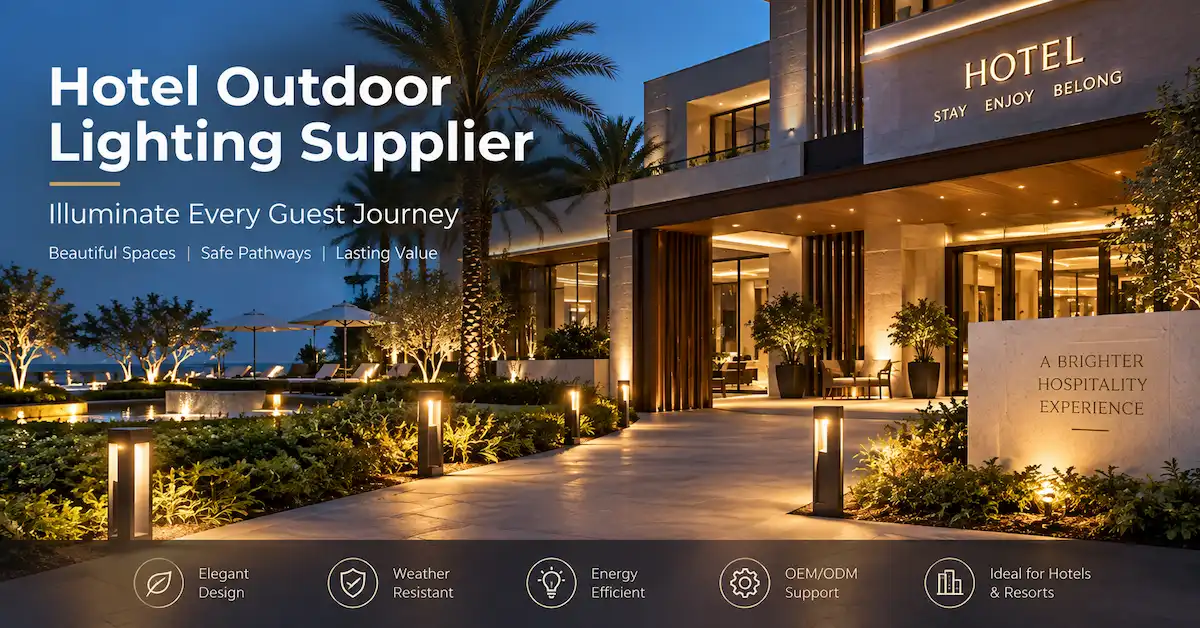
A resort landscape lighting supplier should help a project team build a coordinated outdoor lighting system across arrival roads, guest pathways, gardens, villas, courtyards, plazas, building edges and selected remote areas. The purchasing decision is therefore broader than choosing attractive lamps from a catalog. Buyers need to know which fixture performs each lighting task, how different product families work together visually, whether the proposed specifications match the site and whether the approved appearance can be reproduced across a large property.
For resort developers and contractors, one of the biggest sourcing risks is treating every landscape zone as the same application. A bollard used beside a quiet villa path has a different job from a courtyard light in a central garden or a high-output fixture serving a large public plaza. CDZM's existing outdoor range includes courtyard lights, lawn and bollard lights and wall lamps, giving project teams several product types to evaluate instead of forcing one fixture into every part of the resort.
A capable supplier should also help transform the landscape plan into a controlled lighting specification. CDZM states that its engineering support includes DIALux lighting simulation, structural design and rapid prototyping. For resort projects, these services can help buyers discuss fixture quantity, mounting position, product selection and custom requirements before mass production rather than discovering problems after installation.
Who Should Work With a Resort Landscape Lighting Supplier?
The typical buying team may include the resort developer, landscape architect, lighting designer, electrical consultant, main contractor, MEP contractor, purchasing company and property operations team. Each party evaluates the project differently. Designers care about atmosphere, visual hierarchy and fixture appearance, contractors care about mounting conditions and electrical coordination, procurement teams need comparable specifications and delivery schedules, while the operations team will eventually deal with cleaning, replacement and maintenance.
A resort landscape lighting supplier is most useful where the project involves repeatable exterior luminaires and coordinated outdoor zones. It should not automatically replace the specialist responsible for emergency lighting, underwater pool lighting, sports-field illumination, aviation requirements or other technically distinct applications. Those areas may require separate products, calculations and compliance checks.
This distinction matters because “resort lighting” can become too broad very quickly. Keeping the article and purchasing brief focused on landscape areas—paths, gardens, courtyards, architectural edges, plazas and selected access areas—creates a clearer scope and makes supplier quotations easier to compare.
Plan Resort Landscape Lighting Around the Guest Journey
Resort landscape lighting should begin with how people move through the property after dark. Guests normally experience several transitions: arrival, entrance, reception approach, villa or guest-room routes, gardens, restaurants, recreational zones and public gathering areas. Each transition needs a different balance of visibility, atmosphere and visual emphasis.
Arrival Drives and Main Entrances
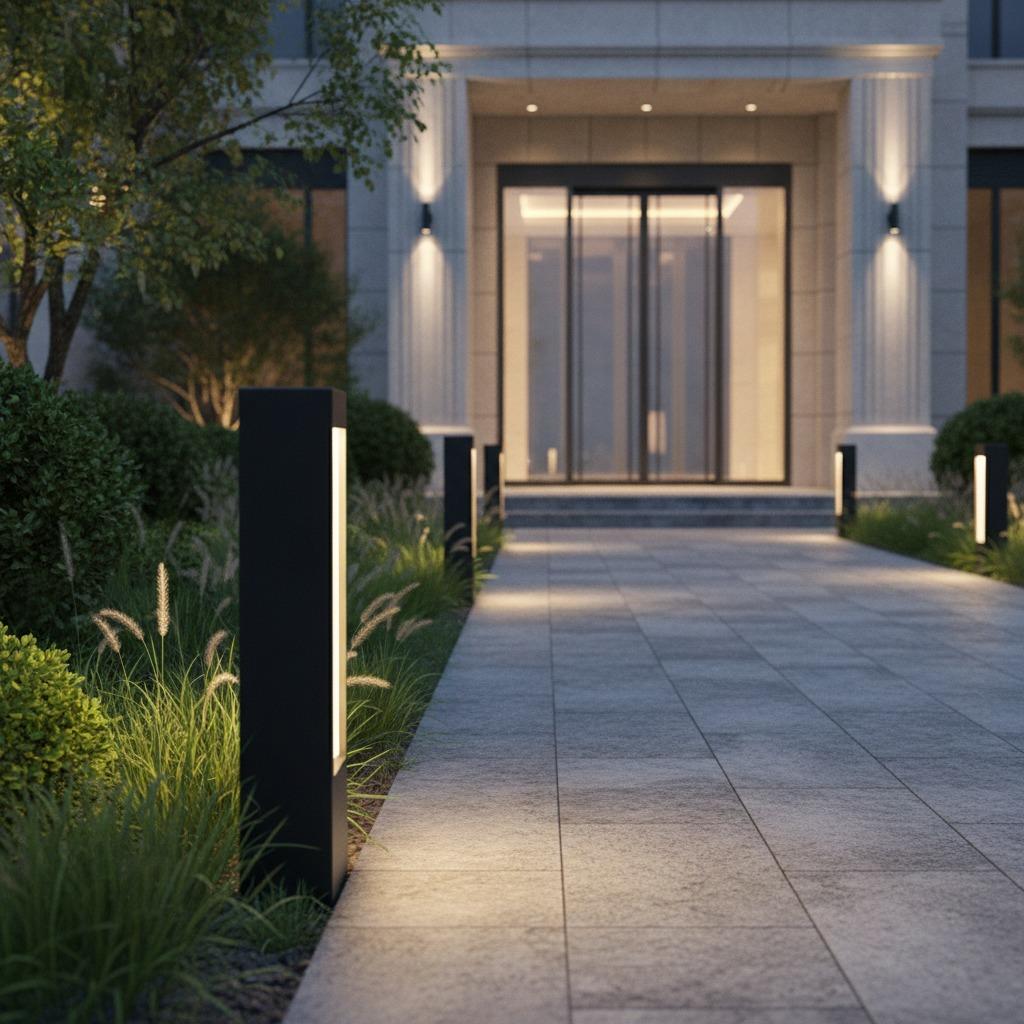
Arrival lighting should make the entrance easy to recognize while supporting the resort's architectural identity. Larger courtyard or post-style fixtures can be evaluated along arrival zones, while wall-mounted lights may add another layer around entrance structures. The purchasing brief should identify vehicle routes, pedestrian routes, mounting heights and important architectural surfaces rather than specifying only a wattage.
Guest Pathways and Villa Walkways
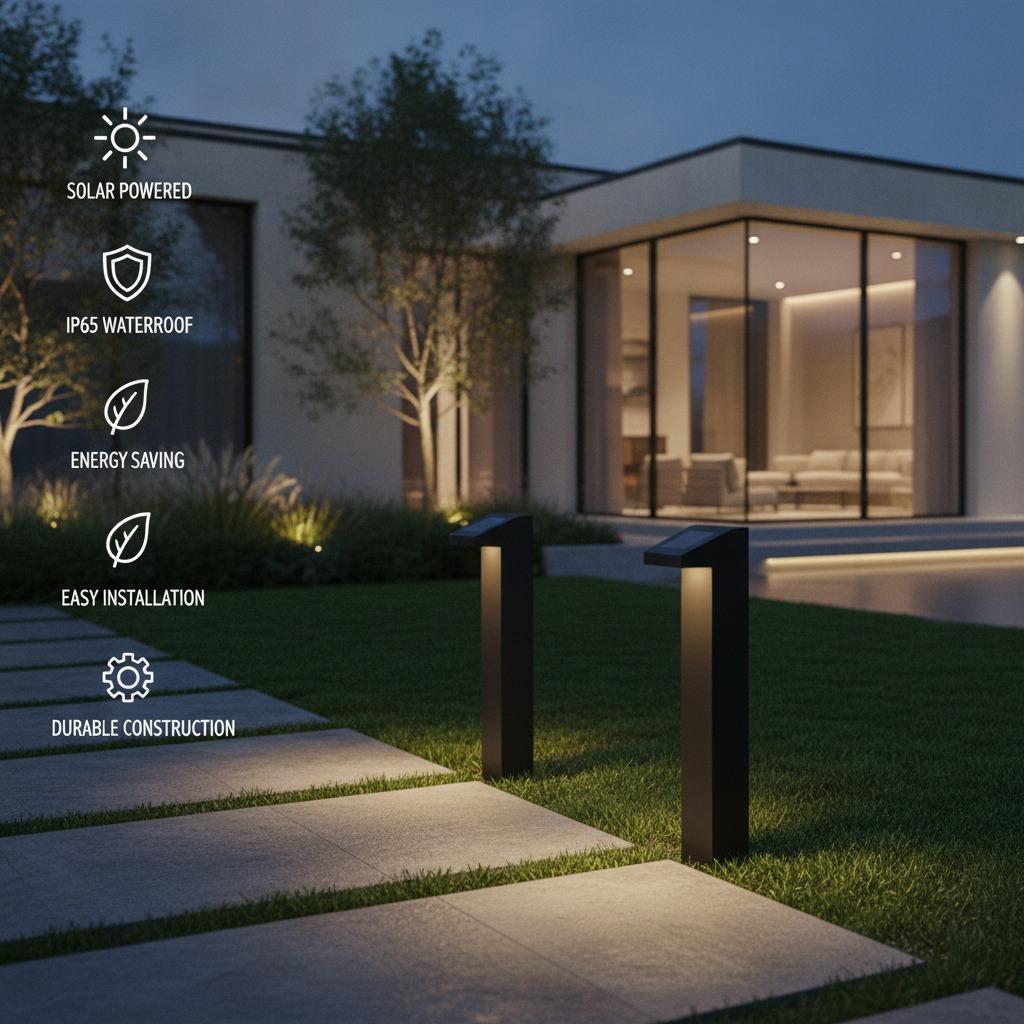
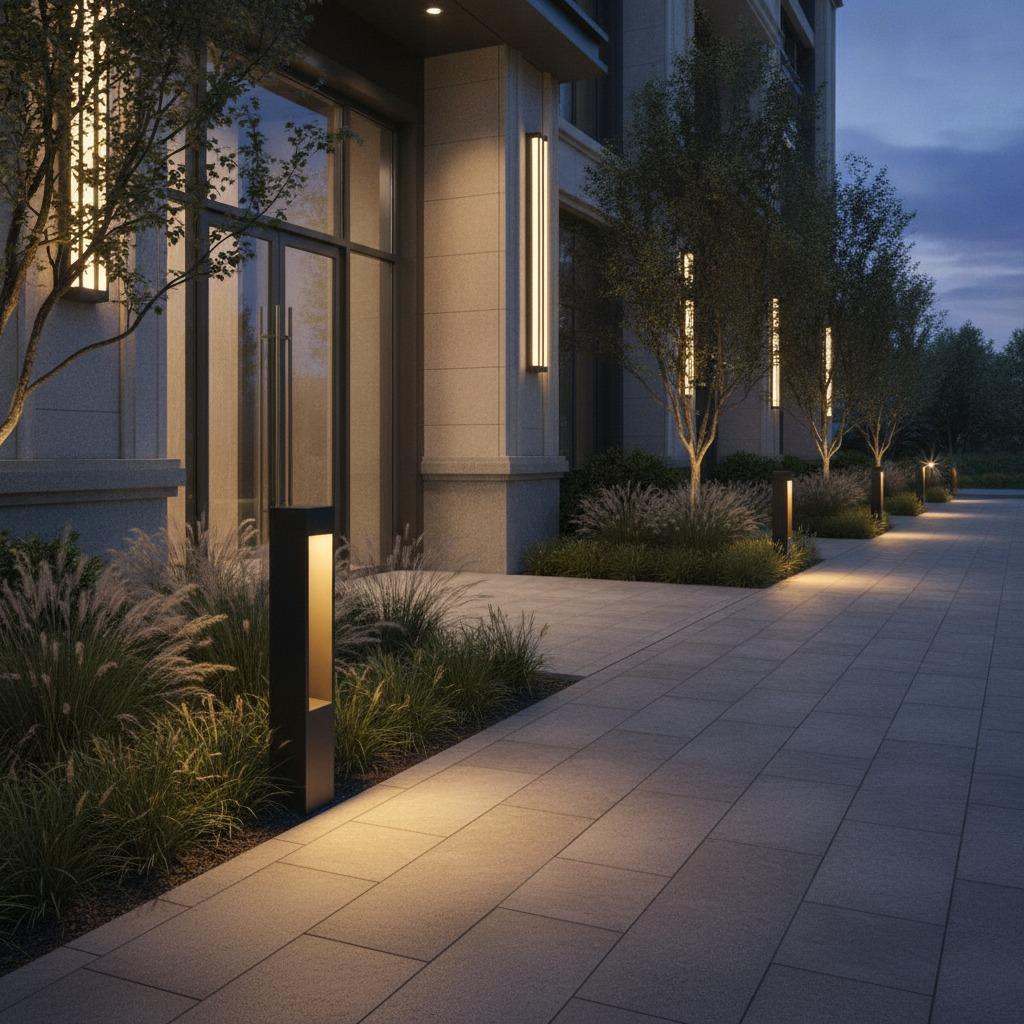
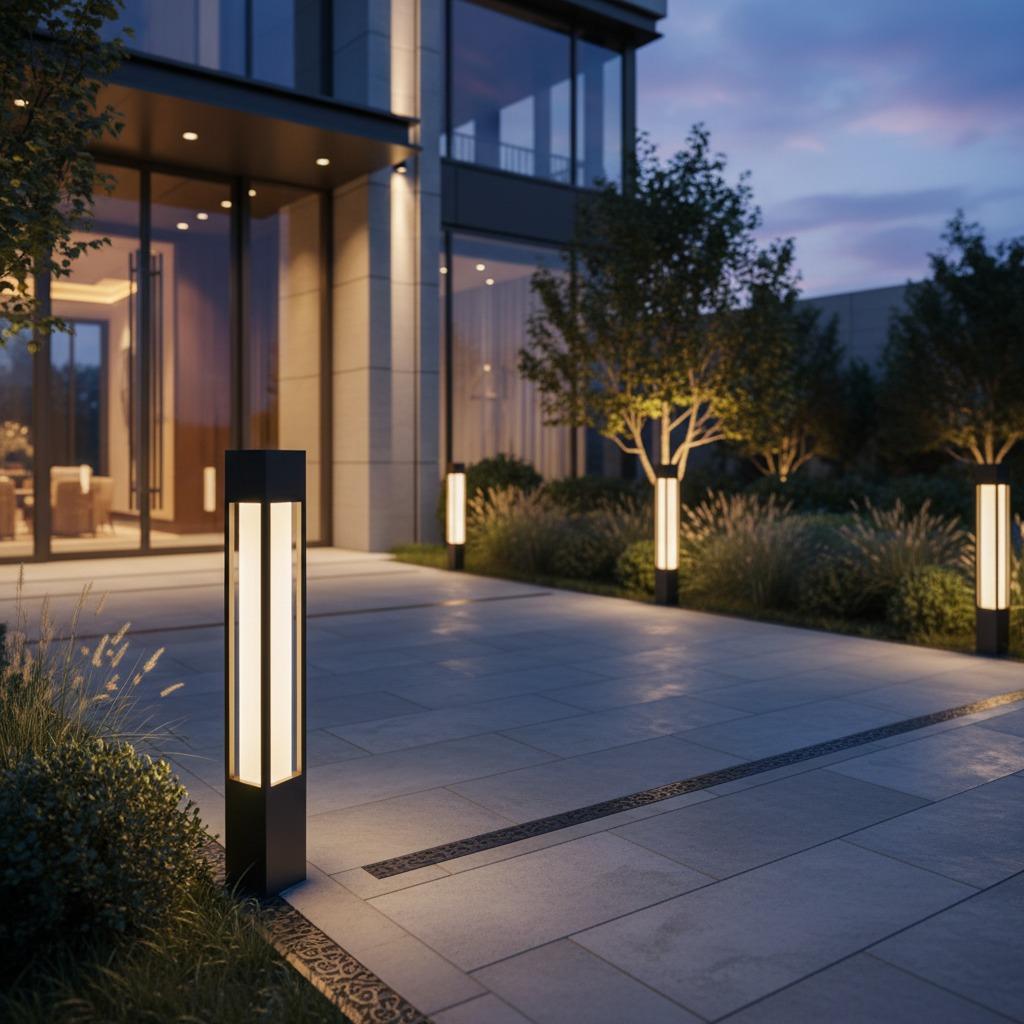
Pathways usually need pedestrian-scale lighting that helps guests read the route without turning the landscape into an overlit corridor. This is where bollard and lawn lights become important. CDZM's lawn light range includes slim, cylindrical, decorative, recessed, low-voltage and solar-related designs. Buyers should compare fixture height, light distribution, visible brightness, spacing, supply voltage and installation method before choosing a style.
Gardens and Courtyards
Garden lighting is often part of the resort experience rather than only a functional requirement. Fixtures remain visible during the day, so housing proportions, finish, shape and how the lamp fits planting and hardscape design matter. CDZM's courtyard light collection provides several post and garden-light designs that can be evaluated for landscaped courtyards, central gardens and larger pedestrian areas.
Villa Walls and Architectural Edges
Wall lights can help connect the building architecture with the landscape. They may be considered beside villa entrances, courtyard walls, covered walkways and selected exterior façades. The CDZM wall lamp range currently includes several decorative geometric designs and solar-related options. For a resort project, the buyer should verify the exact power version, mounting surface, finish and nighttime effect rather than selecting by daytime appearance alone.
Plazas and Large Public Areas
A central resort plaza usually has a different lighting requirement from a garden path. CDZM's engineering cases include a high-mast floodlighting project for a resort complex. The published case describes broad illumination across a large plaza while considering guest navigation and the relationship between the mast profile and surrounding architecture. This makes the case particularly relevant to resort projects where one site contains both intimate landscape zones and larger public areas.
Build a Resort Landscape Lighting Specification Before Asking for Prices
A quotation is only useful when suppliers are pricing the same requirement. Resort buyers should therefore issue a structured schedule showing which area each fixture serves and what information must be confirmed.
| Specification Item | What the Buyer Should Confirm | Why It Matters |
|---|---|---|
| Landscape zone | Entrance, path, garden, villa, courtyard or plaza | Defines the lighting task |
| Exact model/version | Product reference and approved configuration | Prevents sample-to-order mismatch |
| Power supply | AC, low-voltage DC or solar | Affects infrastructure and maintenance |
| Rated input power | Exact model-specific value | Supports electrical planning |
| Light output | Whole-fixture lumen information where available | Helps compare actual output |
| Light distribution | Photometric or beam information | Shows where the light will reach |
| CCT | Agreed color temperature | Supports a consistent resort atmosphere |
| Color rendering | Model-specific CRI information | Relevant where materials and planting appearance matter |
| Material | Housing, cover and relevant hardware | Supports durability and appearance review |
| IP rating | Exact rating for the chosen version | Helps evaluate enclosure protection |
| Dimensions | Fixture size and installation details | Prevents site-interface problems |
| Mounting | Spigot, base, wall or ground interface | Must match contractor preparation |
| Control | Fixed, timed, dimming, sensor or solar logic | Defines actual night operation |
| Documentation | Drawings, reports and instructions | Supports technical approval |
| Spares | Replacement fixture or component plan | Important for long-term operation |
The table should remain linked to the approved product version throughout the project. A specification taken from one CDZM fixture should not be copied across an entire category unless the supplier confirms that the same value applies.
Compare Fixture Types by Lighting Task, Not Just Appearance
Different resort zones often need different fixture families. The following comparison is a sourcing framework based on currently published CDZM products and categories. “Best for” indicates an application worth evaluating, not a guarantee that one model is automatically suitable for every project.
| Product / Range | Published Direction | Resort Application to Evaluate | Key Purchasing Check |
|---|---|---|---|
| CDZM-9032 Courtyard Light | 30W/60W, die-cast aluminum, tempered glass, IP65, 60/76mm spigot | Main gardens, courtyards and broader circulation zones | Mounting height, photometric result and exact version |
| CDZM-9001 Garden Light | Electric and solar versions with similar styling | Projects requiring coordinated appearance across different power conditions | AC versus solar configuration and model-specific data |
| Lawn & Bollard Lights | Slim, decorative, recessed, cylindrical, low-voltage and solar options | Paths, villa approaches, planting edges and walkways | Height, glare, spacing and supply voltage |
| YUANZUAN Wall Lamp | Decorative wall fixture with solar and mains versions | Villa entrances, courtyard walls and architectural edges | Power version, wall position and actual lighting effect |
| Solar Lighting Solutions | Solar street and floodlighting systems | Remote areas or zones where grid connection is difficult | Solar resource, battery, operating mode and exact model |
| Resort floodlighting case | High-mast lighting for a large resort plaza | Large public zones and event-oriented spaces | Calculation, mounting structure and glare control |
Materials and Optical Design Matter in Guest-Facing Landscapes
Landscape fixtures are part of the resort architecture during daylight as well as at night. A housing that looks too industrial, a shade that becomes visually dominant or inconsistent finishes across batches can weaken an otherwise carefully designed property. Material specification should therefore be included in the approval process rather than left as a general catalog statement.
CDZM publishes die-cast aluminum construction across several outdoor products. The CDZM-9032, for example, uses a die-cast aluminum housing with a tempered-glass cover, while the CDZM-9001 series uses a die-cast aluminum housing with a PC lampshade. These material differences can affect appearance, weight, handling and maintenance, so buyers should evaluate the actual sample rather than assuming one material combination is always better.
Optical design matters just as much. A resort path does not normally need the same distribution as a plaza. Fixtures that send excessive light into the direct field of view can make an otherwise attractive landscape uncomfortable. When evaluating samples, stand where guests will actually walk, sit or look from a villa terrace. Review both the illuminated ground and the brightness of the fixture itself.
Control Glare Without Losing the Landscape Atmosphere
For resorts, more light is not automatically better. The lighting should reveal paths, architecture and planting while allowing darker areas to remain visually calm. If every surface receives similar brightness, the property can lose depth and the intended nighttime atmosphere becomes flat.
Bollard and recessed landscape lights can be useful when the optical structure directs light toward the path rather than toward the viewer. CDZM's outdoor path and bollard lighting content discusses low-level lighting as a route-defining tool for hotel and resort walkways. During project approval, however, actual comfort should still be checked through photometric design and a representative mock-up.
A useful test area should include the proposed fixture height, spacing, paving material, planting and typical viewing positions. Photographing the mock-up is helpful for documentation, but photographs alone should not replace visual inspection or agreed technical criteria because camera exposure can make the scene look brighter or darker than it appears to a guest.
Choose Between AC, Low-Voltage and Solar Lighting by Zone
A large resort may benefit from more than one power strategy. Main entrances and central public areas often have planned electrical infrastructure, while low-voltage lighting may be considered for certain garden installations. Solar lighting may be useful in remote landscape zones where trenching and cable routing are difficult.
The CDZM-9001 series is a useful example of why the power version must be written clearly into the specification. The product page describes two optional versions: CDZM-9001A as an electric LED garden light and CDZM-9001B as a solar garden light. They share a similar visual direction, but they should not be treated as one fixture that automatically switches between AC and solar power.
CDZM also publishes a dedicated solar lighting solution. For resort landscape projects, solar products should be assessed using the exact panel, battery, LED load and operating program of the selected model. Trees, buildings and terrain can change available sunlight dramatically across the same property, so a solar configuration suitable for an open parking area may not perform the same way beside dense landscaping.
Inspect Workmanship and Batch Consistency Before Large Orders
A luxury resort may require dozens or hundreds of visible landscape fixtures. Small inconsistencies that are difficult to notice on one sample can become obvious when a row of lights is installed along the same walkway. Buyers should therefore approve more than the electrical specification. Finish tone, housing alignment, shade appearance, mounting hardware and accessories should also be controlled.
CDZM's About Us page displays production stages including SMT assembly, PCB soldering, wire assembly, housing assembly, LED module mounting, heat-sink processing, automated production, inspection, packaging and final assembly. The site also describes a 50,000 m² facility. These are company-level capability statements; buyers should still ask which processes apply to the selected landscape fixture.
A controlled “golden sample” or signed approval sample can be useful for repeat production. The corresponding documentation should identify the product model, finish, power version, optical configuration, labels and accessories so later production batches have a clear reference.
Review Quality Tests and Certifications at Product Level
CDZM states that its internal laboratory performs more than 30 types of tests before product release and that essential safety and performance parameters receive 100% testing during mass production. The company information shows integrating-sphere, electrical safety, high-temperature aging, waterproof, impact-resistance and environmental-stress testing among its testing activities.
For resort procurement, the practical question is not simply whether the manufacturer owns testing equipment. Ask which tests apply to the quoted model, what acceptance criteria are used and which records can be provided for the project. A waterproof test performed on one fixture family does not automatically establish the same result for a different product.
The same caution applies to certification. CDZM displays ISO 9001, CE and other qualification information while stating that full certificate details are available on request. Resort buyers should check whether the required documents correspond to the selected product and destination market rather than treating a company-level certification image as universal product coverage.
Plan Production and Delivery Around the Resort Construction Schedule
Landscape lighting is often installed late in a construction program, but product decisions need to happen much earlier. Foundations, cable routes, wall openings, pole bases and control infrastructure can depend on the final fixture. A resort landscape lighting supplier should therefore work backward from the installation schedule.
Separate the process into technical confirmation, lighting design, sample approval, customization if required, materials, production, inspection, packing and shipment. When several fixture categories are involved, identify whether they will be delivered together or in phases.
CDZM's homepage states that the company operates more than 20 automated production lines and supplies customers in more than 50 countries. These figures describe overall factory capability, not reserved capacity for one resort project. Buyers should confirm order-specific production timing based on the actual quantity, mix of models and customization scope.
Compare Total Project Cost and Maintenance Risk
A low fixture price does not automatically create the lowest-cost landscape lighting system. Resort owners should evaluate equipment together with the work required to install and maintain it. Relevant costs may include fixtures, poles, foundations, cables, trenching, drivers, controls, installation labor, commissioning, replacement parts, cleaning access and future reorders.
Power strategy can change the cost structure. Solar lighting may reduce certain cable and trenching requirements in appropriate locations, but it introduces panel exposure, battery and operating-program considerations. Grid-connected lighting requires electrical infrastructure but may be more appropriate in heavily shaded or continuously active areas. The best choice depends on the site rather than on a universal cost rule.
Maintenance is especially important in hospitality because a failed or visibly mismatched fixture can affect the guest-facing environment immediately. Ask whether replacement drivers, modules or complete fixtures will remain available and how the supplier handles changes to a product family over time.
Use OEM/ODM to Coordinate Lighting With the Resort Design
Resort architecture often has a strong visual identity, making OEM/ODM support valuable when standard products do not fully match the project. CDZM states that it provides OEM/ODM services, structural design and rapid prototyping. The customization process can potentially involve finish, dimensions, mounting details, packaging or other project-specific requirements, but the exact scope should be confirmed before quotation.
The buyer should provide clear design inputs instead of asking for a vague “luxury resort style.” Define the intended finish, product proportions, mounting interface, power version, optical requirement, quantity and approval procedure. Where a requested change affects the structure, optics or electrical system, the project team should determine whether a new sample and additional validation are necessary.
For resort groups developing multiple properties, a coordinated product family can also be useful. Standardizing selected bollard, courtyard and wall-light styles across related sites may simplify spare planning and repeat purchasing while still allowing different layouts and lighting levels for each project.
What Should You Send a Resort Landscape Lighting Supplier for Evaluation?
A useful project inquiry should include the resort location, master plan, landscape drawings, architectural renderings, outdoor zones, quantities, proposed mounting heights, electrical conditions, required control system, target atmosphere, delivery schedule and any existing lighting criteria from the consultant. Photographs of paving, planting, façades and representative guest routes can also help explain the environment.
Where available, provide the lighting designer's target illuminance, photometric requirements and fixture schedule instead of asking the supplier to infer everything from an image. CDZM's project portfolio can provide context for large outdoor projects, while its outdoor lighting products provide a starting point for fixture selection.
For a project-specific proposal, send the site information, required product categories, estimated quantities and customization needs through the CDZM contact page. A detailed inquiry makes it easier to compare a real solution than simply asking for a “resort light price list.”
Frequently Asked Questions About Resort Landscape Lighting Suppliers
1. What products are normally used in resort landscape lighting?
Resort projects may combine bollard lights, lawn lights, courtyard lights, garden post lights, wall lamps, floodlighting and selected solar products. The correct combination depends on the function and scale of each area rather than on one standard product package.
2. How should pathway lights be selected for a resort?
Check mounting height, light distribution, visible glare, spacing, material, supply voltage, IP rating and maintenance access. Evaluate the fixtures from normal guest viewing positions and, where practical, build a representative test section before bulk approval.
3. Are solar landscape lights suitable for resorts?
They can be useful in suitable open areas or remote zones where grid access is difficult. Buyers should confirm site sunlight, shading, solar-panel specification, battery capacity, actual load and operating mode for the selected model rather than relying on a general solar product description.
4. Should the entire resort use one color temperature?
Not necessarily, but related areas should follow a deliberate lighting concept. Entrances, gardens, architectural features and functional areas may have different requirements. The designer should define the intended result and the supplier should confirm the available model-specific CCT options.
5. How can resorts reduce glare along pathways?
Use an appropriate mounting height and optical distribution, avoid unnecessary brightness and review the fixture from the direction in which guests approach it. Low-level bollards or shielded designs may help, but final comfort depends on the complete installation rather than the product name alone.
6. Is IP65 sufficient for every resort landscape environment?
No single IP rating proves suitability for every outdoor condition. Exposure to heavy rain, coastal conditions, flooding, chemicals, extreme temperature or other special environments may require additional product and material assessment. Confirm the exact site conditions with the supplier.
7. What should be included in a pre-production sample approval?
Record the exact model, finish, dimensions, material, power version, CCT, optical configuration, mounting hardware, labels and required accessories. For highly visible areas, compare the approved sample against the surrounding architecture and landscape materials.
8. Can CDZM customize landscape lights for resort projects?
CDZM states that it supports OEM/ODM, structural design and rapid prototyping. Buyers should provide a controlled customization brief and confirm the feasibility, sample process, price impact and production implications for the selected fixture.
9. How should a resort buyer check supplier quality control?
Ask what tests apply to the quoted product, how incoming and production quality is controlled, how the approved sample is transferred to mass production and what documentation can be supplied. Factory equipment is useful, but the product-specific QC plan is more important for the actual project.
10. What information is needed to request a resort landscape lighting quotation?
Provide the project location, landscape zones, drawings, mounting conditions, quantities, power system, design requirements, target schedule and required documentation. For solar areas, also provide information about site exposure and expected operating requirements.
Conclusion
Choosing a resort landscape lighting supplier is a site-wide procurement decision, not simply a search for decorative outdoor lamps. Resort developers, designers and contractors should divide the property into functional zones, select the appropriate fixture family for each area, verify model-specific specifications and control glare, installation and maintenance before releasing a bulk order. A coordinated package of courtyard lights, bollard lights, wall lamps and selected solar solutions can support both guest navigation and the nighttime identity of a resort when every configuration is matched to the actual site.
CDZM provides outdoor LED lighting products, project lighting support, OEM/ODM services and published engineering experience that includes resort floodlighting. Explore the CDZM landscape lighting product range and submit your resort master plan, application zones, estimated quantities, mounting conditions and target schedule through Contact Us to evaluate a project-specific landscape lighting solution.