
What buyers really need from a solar lawn light manufacturer
If you are sourcing outdoor lighting for a path, garden edge, villa entrance, or courtyard, the phrase solar lawn light manufacturer sounds simple enough. In practice, it covers a lot of ground: materials, sealing, optical design, assembly quality, and whether the product can survive real weather instead of just a showroom photo. For buyers, the issue is not whether a fixture can glow after dark. It is whether it can do that consistently, outdoors, with minimal maintenance and without creating a service headache after installation.
That is why this category deserves a more careful look. A lawn light may seem like a small line item, but poor choices quickly show up in failed units, uneven lighting, or fixtures that look tired after one season. A good buying decision here usually comes down to matching the product structure to the application, then checking the manufacturer’s ability to deliver repeatable quality.
What the product in this category is designed to do
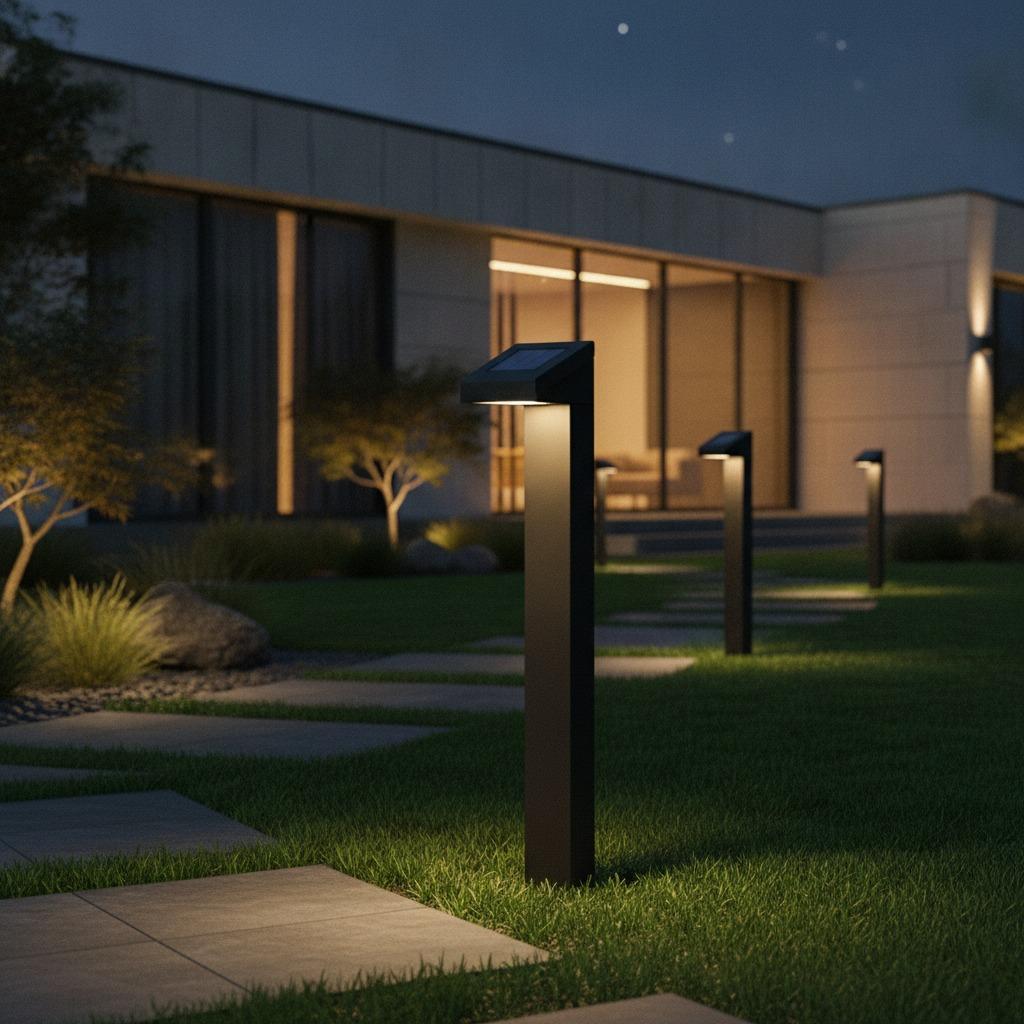
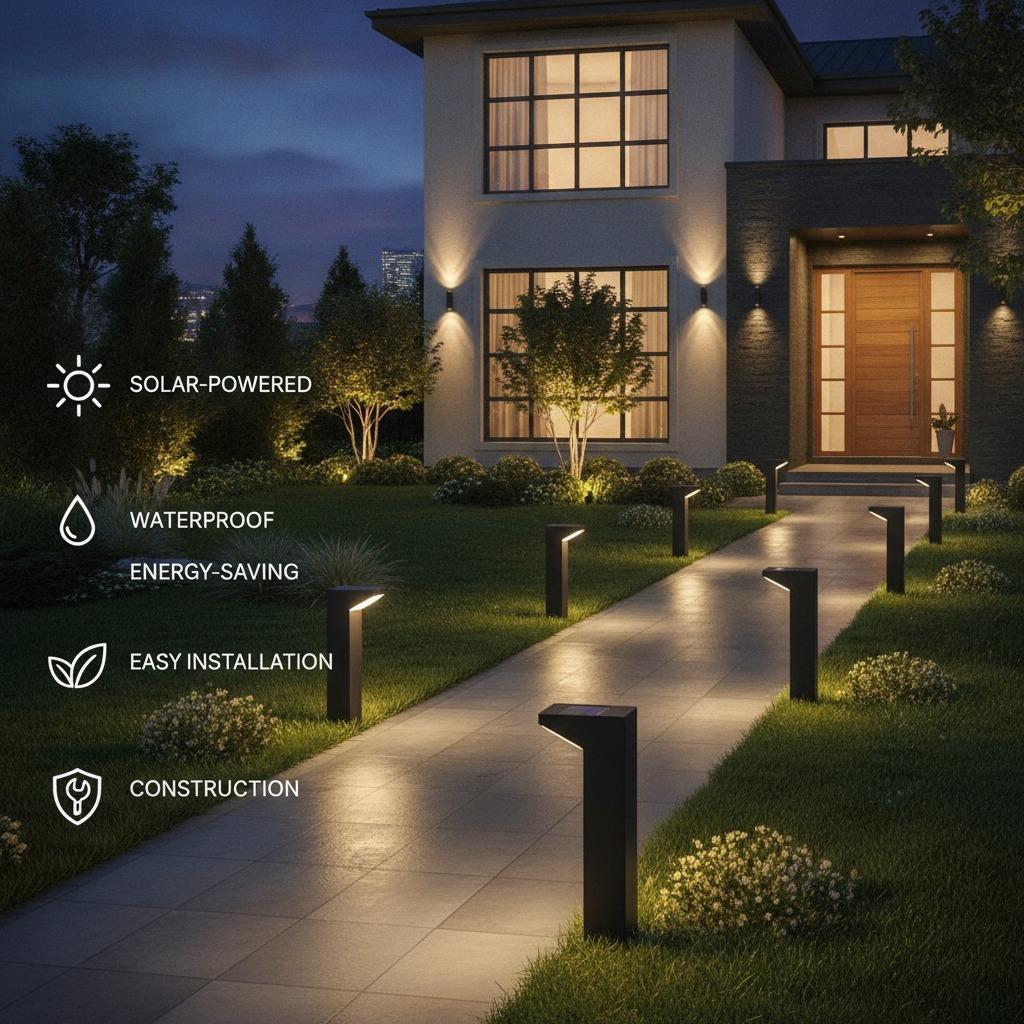
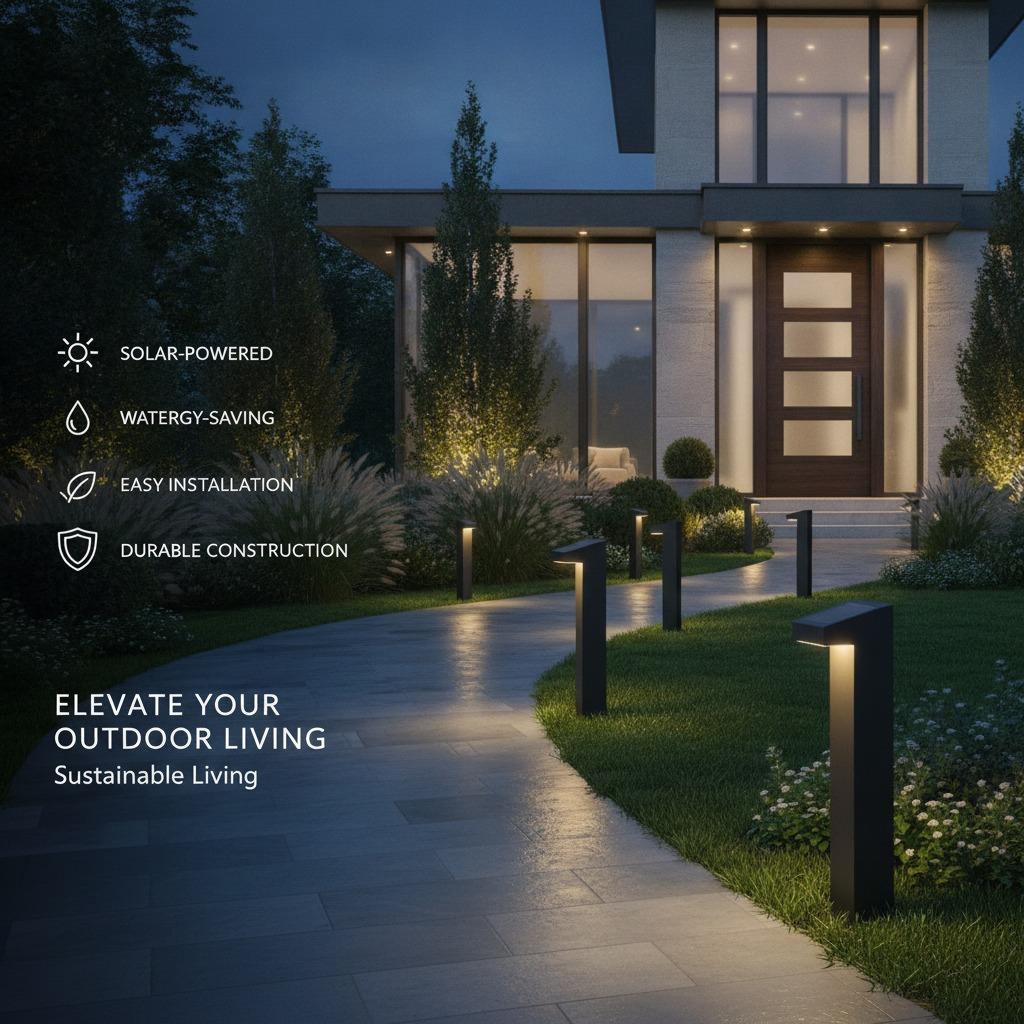
The outdoor solar lawn light described here is best understood as a low-level landscape fixture. It is used along walkways, driveways, garden borders, courtyards, and entrance areas where people need both visibility and atmosphere. The visible structure is a clean, modern post with a square base and an angled top that directs light downward and outward. That shape is practical: it keeps glare under control while still defining the edge of a path.
The finish appears to be a dark matte or satin metal housing, likely aluminum or powder-coated metal. That matters because outdoor decorative lighting has to look decent after exposure to sun, rain, dust, and cleaning chemicals. The image also indicates solar-powered operation and IP65 waterproof protection, which are the kinds of claims buyers should look for when the fixture will be installed permanently outside.
Quick reference: where this style fits best
For landscape projects, this type of light is usually chosen for three reasons: visual guidance, decorative definition, and safer nighttime movement. It is not a floodlight, and it should not be treated like one. The beam is intended to wash the ground near the fixture, not throw light across a large courtyard.
That makes it especially suitable for:
Residential gardens and villa exteriors
Hotel or resort pathways
Commercial pedestrian routes
Steps, entrances, and planting edges
Buyers often compare this category with other landscape fixtures, including the broader solar garden light manufacturer segment. In many projects, the difference is mostly in the mounting style, optical effect, and how much emphasis the design places on decoration versus wayfinding.
Why IP rating, structure, and finish matter more than marketing copy
Outdoor lighting lives or dies on its weakest detail. An IP65 rating suggests protection against dust and water jets, which is a useful baseline for exterior use. It does not make the product indestructible, and it does not guarantee long-term performance if the seals, wiring, or housing finish are poorly executed. Still, for pathway and garden lighting, it is a sensible starting point.
The housing shape also deserves attention. A box-style post with a hooded top is not just a style choice. It can help direct light where it is needed and reduce unwanted spill. If a fixture is too open or too decorative, it may look attractive in photos but perform unevenly once installed in a row. That is a common buyer disappointment, especially in projects where visual consistency matters across dozens of units.
What to ask an outdoor solar light factory
When speaking with an outdoor solar light factory, ask practical questions instead of leading with price alone. Confirm the waterproof rating, the intended mounting style, and whether the fixture is designed for continuous outdoor exposure in your climate. Ask for product drawings, installation guidance, and images of the actual assembled unit, not just renders. If the supplier cannot explain the structure clearly, that is usually a warning sign.
Common sourcing mistakes in solar lawn lamp wholesale orders
In solar lawn lamp wholesale purchasing, the most common mistake is treating all decorative solar lights as interchangeable. They are not. A fixture that works near a protected porch may fail when used beside an exposed driveway. Another frequent mistake is overestimating brightness needs. Buyers sometimes want a pathway light to do the job of a general area light. That leads to disappointment, higher returns, and awkward customer feedback.
It is also easy to focus on the visible shell and ignore the internal system. The solar panel, LED source, battery, and control method are central to performance, but in this product category those details are not always obvious from a photo. If they are not supplied, ask. If the answer stays vague, be cautious. Decorative outdoor lighting can look premium and still be unreliable in service.
Selection criteria that actually help buyers
For sourcing teams and product planners, the best filter is application-first. Start with installation location, expected weather exposure, desired lighting effect, and service expectations. Then compare build quality, housing material, waterproofing, and consistency across the range. If you are buying for a hotel, resort, or commercial landscape, repeatability matters as much as design. A row of uneven fixtures will stand out immediately at night.
It is also worth checking whether the manufacturer can support project-level procurement, not just small retail orders. A reliable supplier should be able to discuss packaging, batch consistency, and finish uniformity. Those details sound boring until a shipment arrives with visible shade differences between units.
Buyer advice before placing an order
Ask for samples if the project is important. Review the fixture in daylight and after dark. Look at the base stability, the alignment of the head, and whether the light distribution feels controlled or messy. For a product meant to sit beside paths and planting, small issues become obvious quickly.
If your use case is mainly decorative, a warmer and softer output may be preferred. If the goal is safer movement near steps or entries, uniformity becomes more important. In either case, the product should be easy to install and durable enough to avoid recurring maintenance visits. That is the real value proposition here.
What to request next from a supplier
Before moving forward with a solar lawn light manufacturer, ask for product specifications, assembly photos, and application examples that match your project environment. If you are comparing options from a solar garden light manufacturer or an outdoor solar light factory, keep the conversation focused on outdoor performance, finish quality, and installation practicality rather than only on appearance. That approach usually saves time and prevents avoidable sourcing mistakes.
For teams building a landscape lighting range or planning a bulk order, the next step is straightforward: define the site conditions first, then ask suppliers to show how their fixture is built for those conditions. The difference between a decorative sample and a dependable product is often hidden in those details.