
Choosing a solar lawn light manufacturer is less about the catalog and more about the use case
If you are sourcing a solar lawn light manufacturer, the real question is not whether the product can light a path. It is whether the light will still look decent, stay sealed, and keep working after a wet season, a few heat waves, and the usual abuse from foot traffic, lawn tools, and uneven ground. Buyers often start with appearance, but in outdoor lighting that is only the first filter. Reliability, waterproofing, and installation simplicity usually decide whether a product becomes a repeat order or a return.
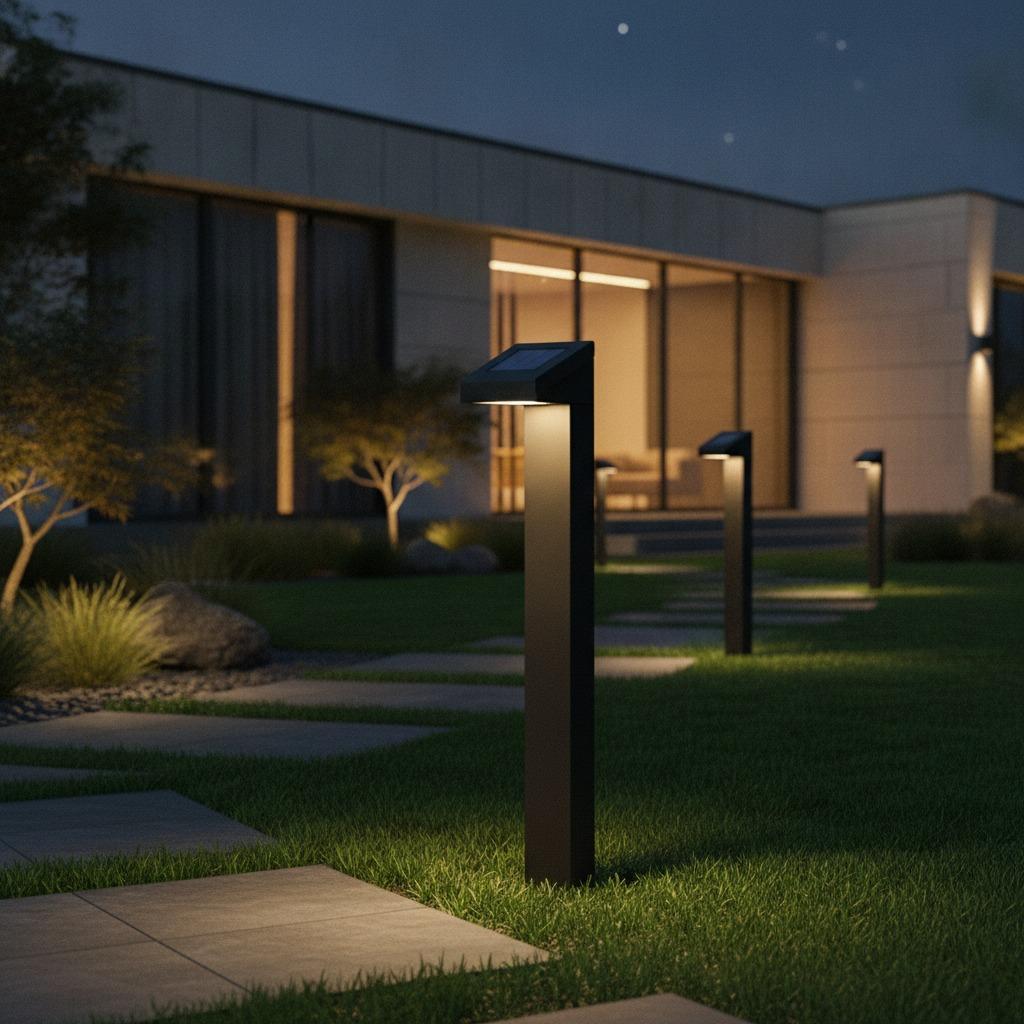
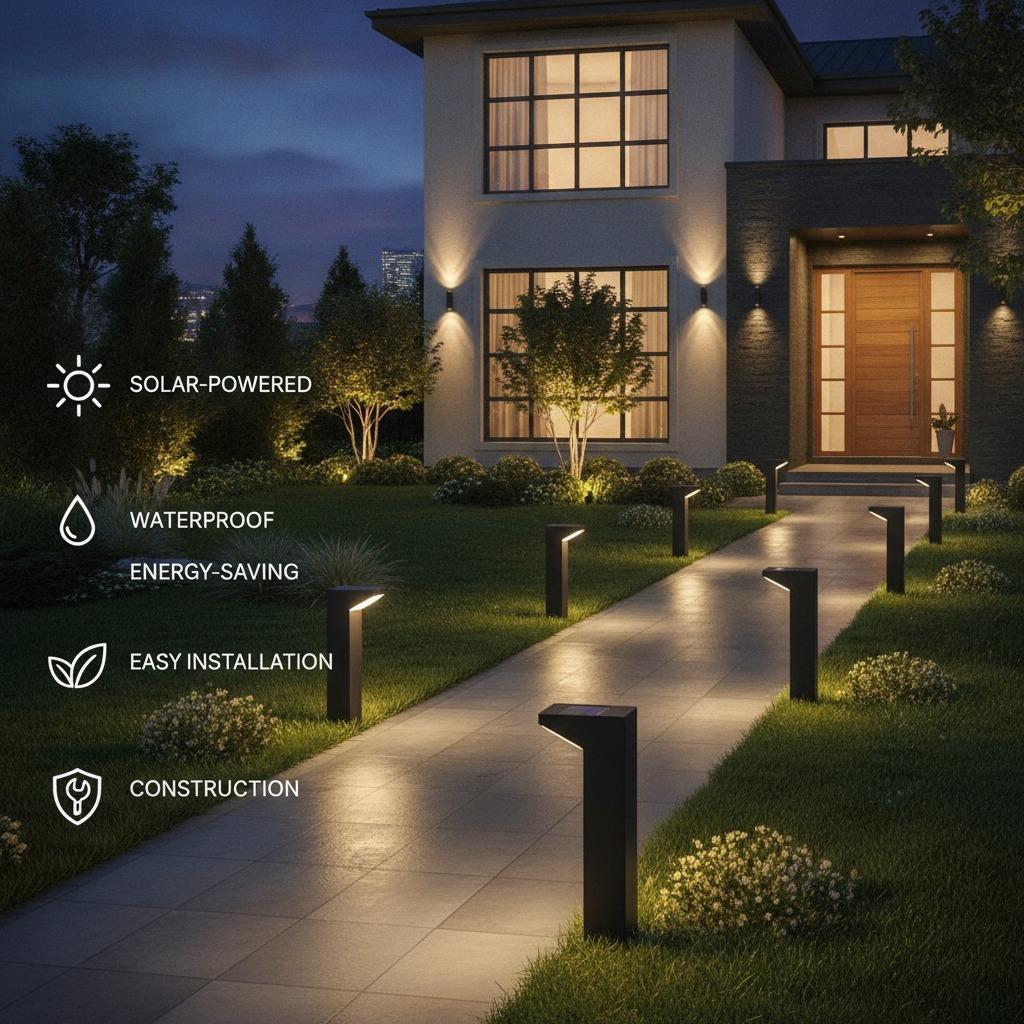
The product type in question here appears to be a compact outdoor path and landscape fixture, likely a solar-powered LED bollard or post light. The visible design suggests a short rectangular body with a square top cap and a downward-directed light source. That matters because homeowners and landscape contractors rarely want harsh glare. They want a fixture that marks the edge of a driveway, garden bed, or courtyard without turning the scene into a runway.
What this product category is trying to solve
For the end user, solar lawn lighting solves two common problems at once: no wiring and no recurring electricity draw. For the buyer, it solves a different problem entirely. A well-built unit reduces site work, speeds installation, and cuts the number of components that can fail later. That is why the phrase outdoor solar light supplier should never be treated as a commodity label. In practice, the difference between suppliers often shows up in enclosure quality, sealing, finish consistency, and how honestly the product is described.
The image details provided point to a product marketed as solar powered, IP65 waterproof, energy saving, easy to install, and durable. Those are the right claims for this category, but they should be interpreted carefully. IP ratings, for example, are useful only when the sealing design is robust enough to survive real outdoor conditions over time. A clean-looking housing is good; a housing that manages water, dust, and thermal cycling is better.
Quick reference: what buyers should compare first
Before you ask for samples, compare the basics that affect field performance:
Solar function and panel integration: whether the panel is integrated into the top, hidden within the form, or mounted separately affects aesthetics and charging performance.
Housing material and finish: the visible product looks matte black or dark anthracite with a minimalist geometric shell. That style suits modern homes, but the finish must also resist fading and surface wear.
Ingress protection: the stated IP65 waterproof level is a useful starting point for outdoor placement, especially for lawn edges and walkways exposed to rain and spray.
Installation method: wireless, self-contained products are popular because they reduce labor and make replacement easier. Still, buyers should confirm how the fixture is anchored in soft ground or fixed to hardscape.
Light distribution: a downward side or underside emission is usually more comfortable for pathway use than a bare top emitter that spills light everywhere.
Why the manufacturer matters more than the style
In landscape lighting, two products can look nearly identical in a photo and behave very differently outside. One may keep its finish and seal. The other may discolor, leak, or lose output earlier than expected. That is where a reliable solar garden light manufacturer earns its place. The best suppliers think beyond the housing shape and pay attention to assembly quality, panel exposure, gasket design, wiring protection, and consistency from batch to batch.
For sourcing teams, this also means asking the awkward questions early. Is the panel visible and easy to clean? Are the batteries user-replaceable or sealed? Does the unit require a specific orientation for charging? None of these details are glamorous, but they affect field performance and customer satisfaction more than brochure language does.
Selection criteria that usually separate good quotes from bad ones
1. Outdoor durability
Even a small lawn light sees a hard life. Water splashes, UV exposure, temperature swings, and soil contact all matter. A durable construction claim should be backed up by a sensible enclosure design, not just by appearance.
2. Installation reality
“Easy installation” sounds obvious until the crew is on site with mixed ground conditions. Product geometry, mounting stability, and wiring freedom all influence how easy the install really is. For soft landscaping, a self-contained solar unit is often preferred because it avoids trenching. For paved areas, the fixing method becomes more important.
3. Visual consistency
Because this is a visible exterior product, buyers should look closely at finish uniformity and the way the fixture presents in daylight. A minimalist black body works well in modern yards, but only if the seams, cap edges, and surface texture feel deliberate rather than improvised.
Common buyer mistakes
The first mistake is buying on looks alone. The second is assuming that all solar fixtures with similar claims will perform the same way. They will not. Another common issue is ignoring the real environment. A courtyard light and a garden-edge light are not identical applications, even if the product is.
One more caution: do not over-spec a product if the customer only needs decorative safety lighting. In some cases, the right answer is a modest-output fixture with consistent coverage, not a brighter unit that creates glare and unnecessary expectations.
Practical advice before you place an order
Ask for clear product photos in daylight and at night. Confirm whether the solar component is integrated or partially concealed, since that can affect both charging and appearance. If you are comparing quotes, check whether the supplier is acting as a direct manufacturer or a trading channel. The answer influences communication, customization, and long-term support.
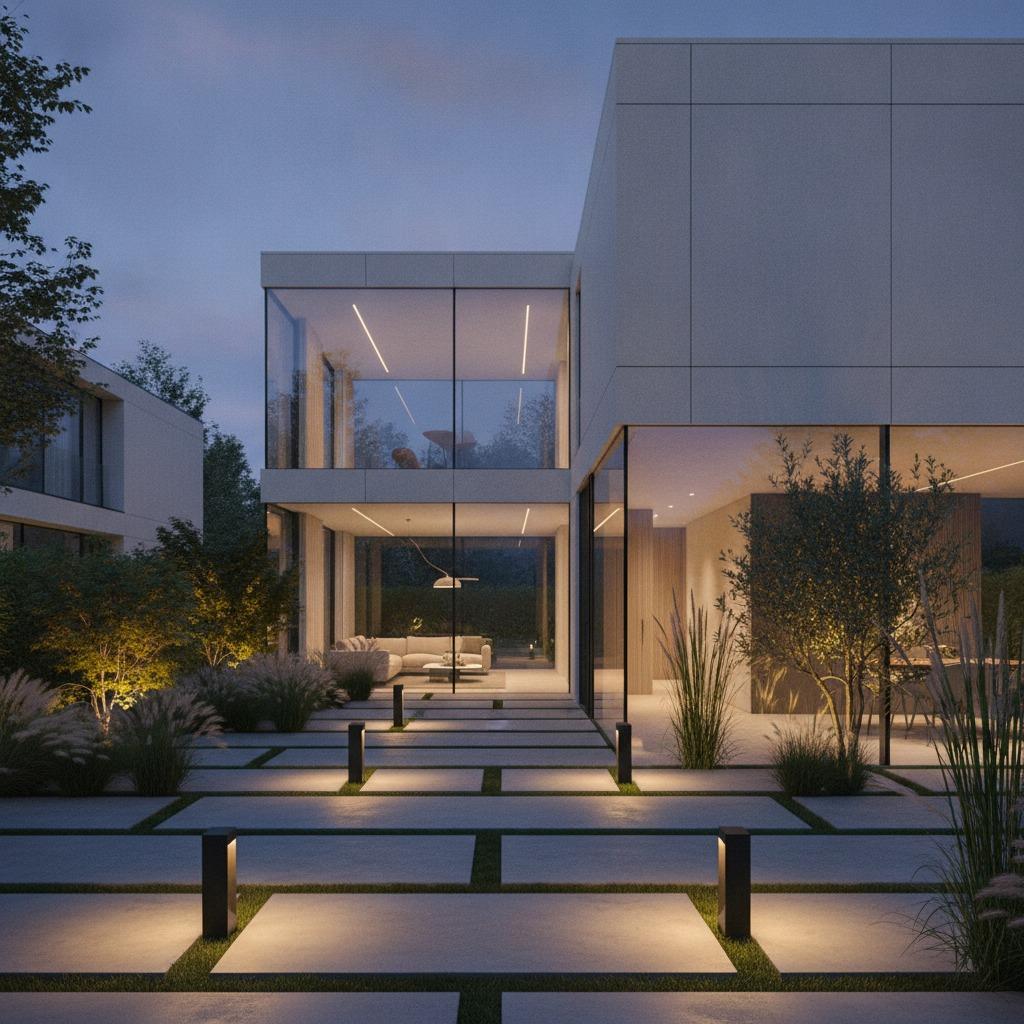
For projects with residential yards, modern home exteriors, garden paths, or landscape edging, a compact solar bollard-style fixture can be a good fit. But the right decision comes from matching the product’s build and light behavior to the installation site, not from choosing the prettiest rendering.
FAQ
Is this product mainly for decoration or safety?
Usually both. It is typically used to mark edges and improve nighttime visibility without a complex wired installation.
Is IP65 enough for outdoor lawn use?
It is a practical baseline for many outdoor applications, though real-world durability still depends on seal design and assembly quality.
What should I ask a supplier first?
Ask about the panel arrangement, mounting method, materials, and whether the product is designed for path, garden, or courtyard use.
Next step
If you are evaluating a solar lawn light manufacturer for private label, retail, or project supply, start with samples and a short technical questionnaire. The product may look straightforward, but outdoor lighting rewards careful sourcing. A good unit disappears into the landscape at daytime and works quietly at night. That is usually the sign you picked well.