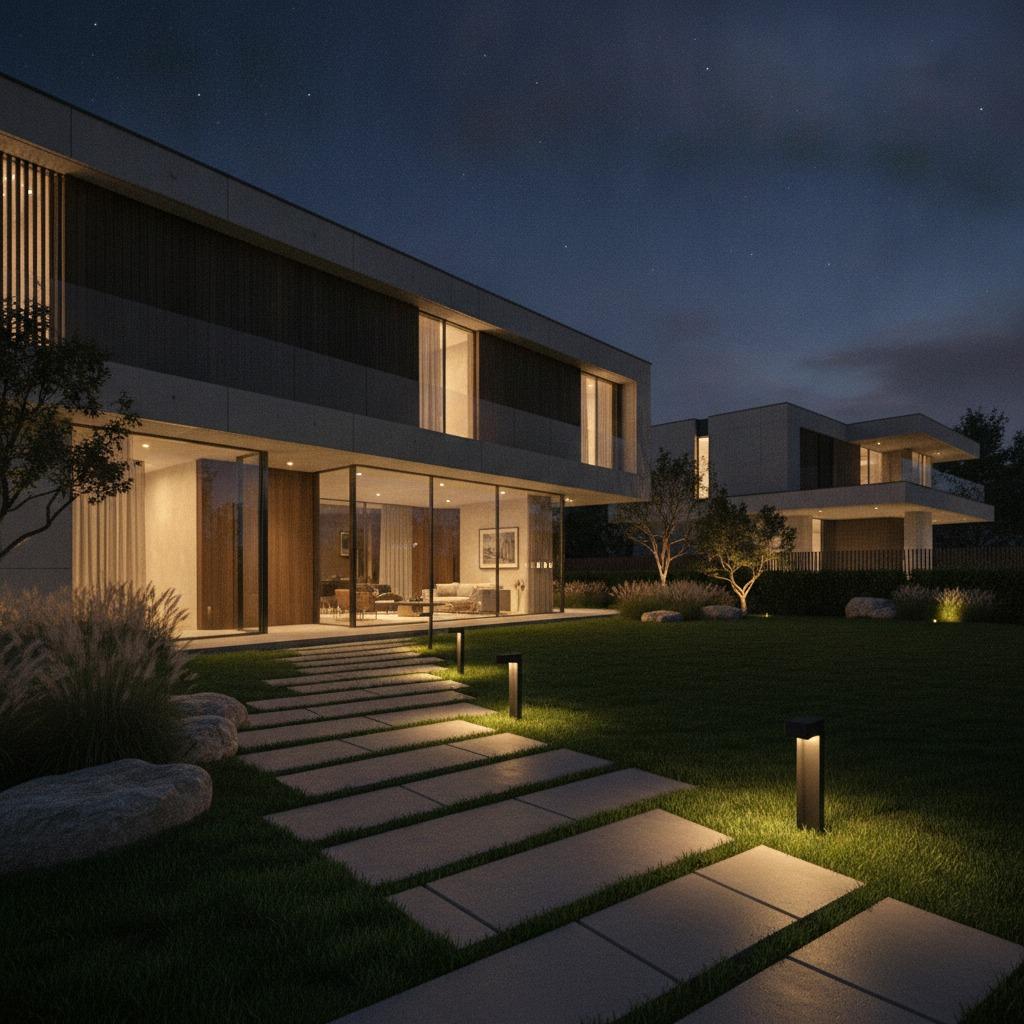

Why buyers start with the manufacturer, not the fixture
If you are sourcing a solar lawn light manufacturer, you are usually not just buying a lamp. You are choosing how well a product will survive weather, how consistently it will charge and switch on, and how much time your team will spend on installation and after-sales support. That matters whether you are building out residential gardens, villa walkways, courtyard borders, or a larger hospitality site where the lighting has to look tidy at night and still behave after a wet season.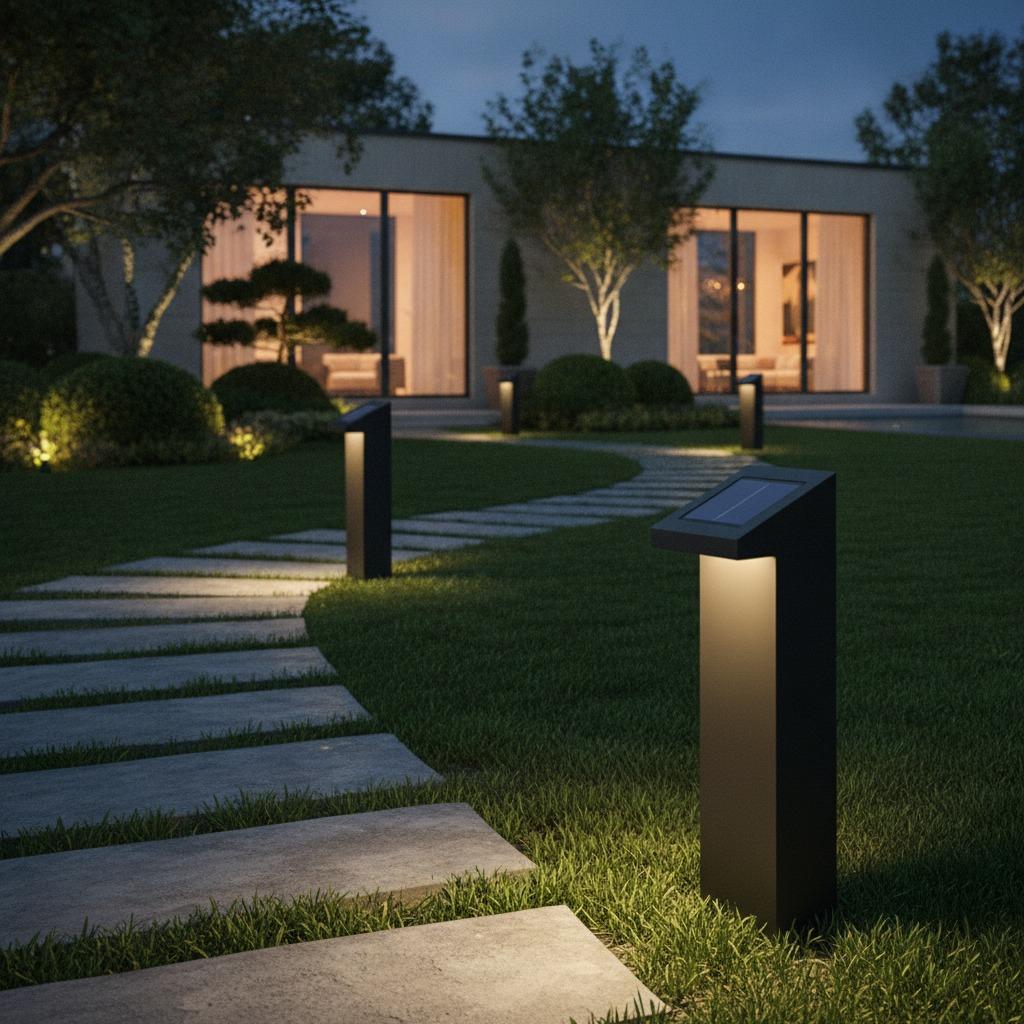
A solar lawn light sounds simple on paper: daytime charging, nighttime illumination, no hard wiring. In practice, the quality of the manufacturer shows up in the details. Water ingress, weak housings, poor solar harvesting, and fragile joints are the issues that turn a low-maintenance product into a maintenance headache. For sourcing managers, the decision is less about finding the cheapest quote and more about understanding which outdoor solar light factory can keep quality stable across batches.
What a good solar lawn light should do
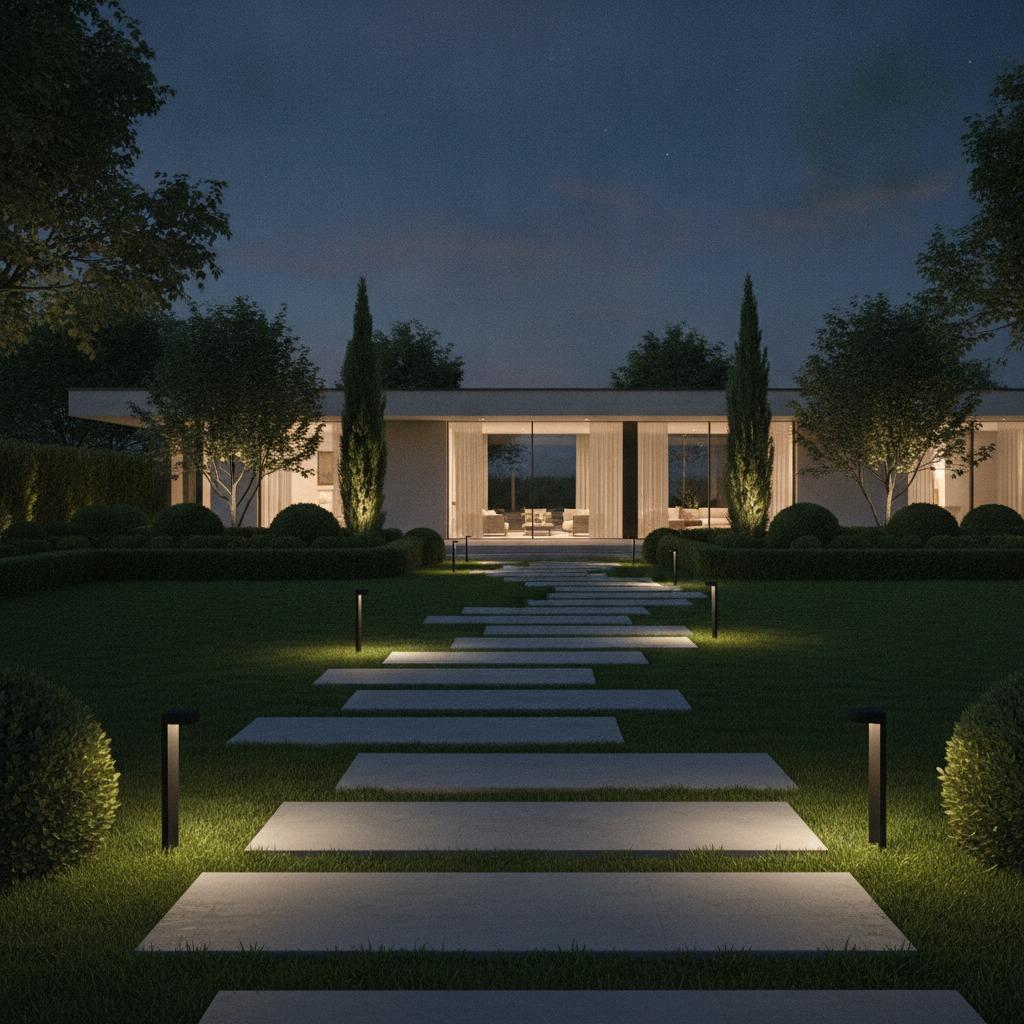
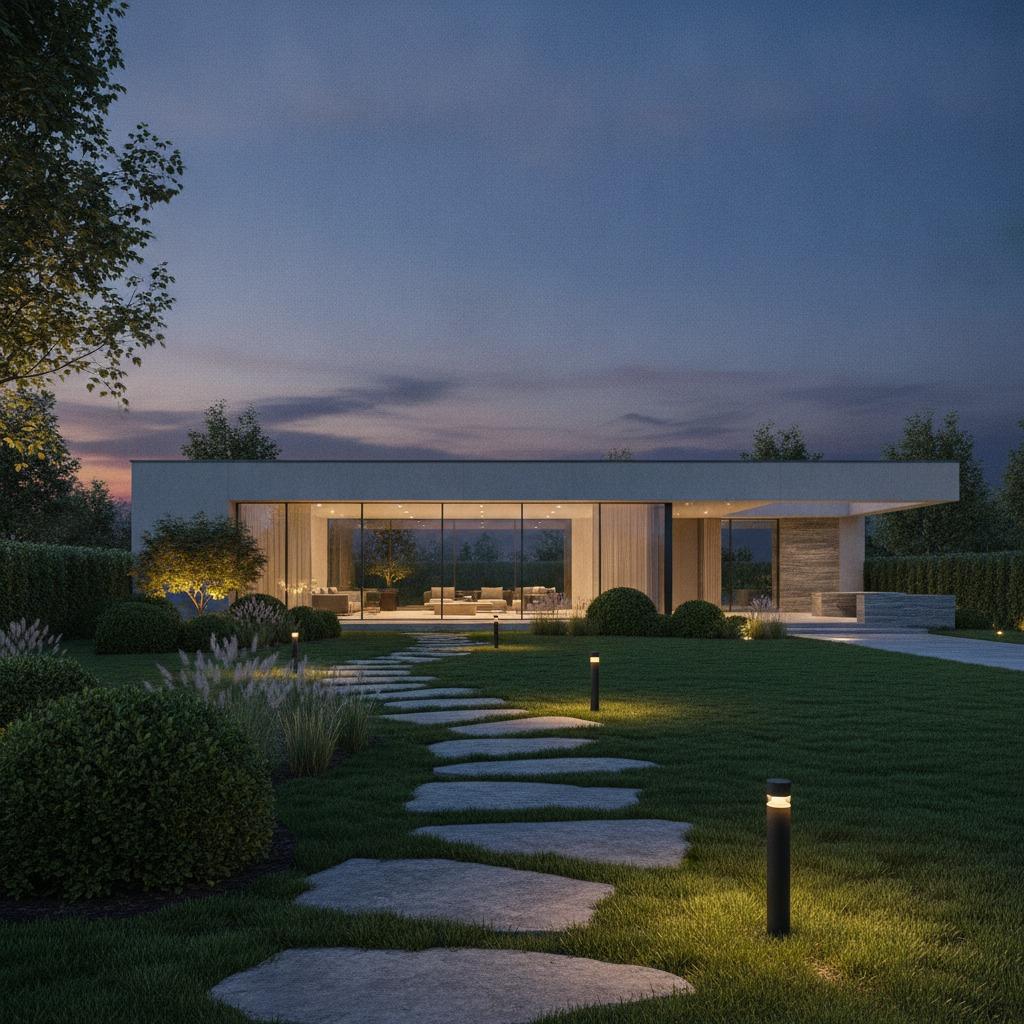
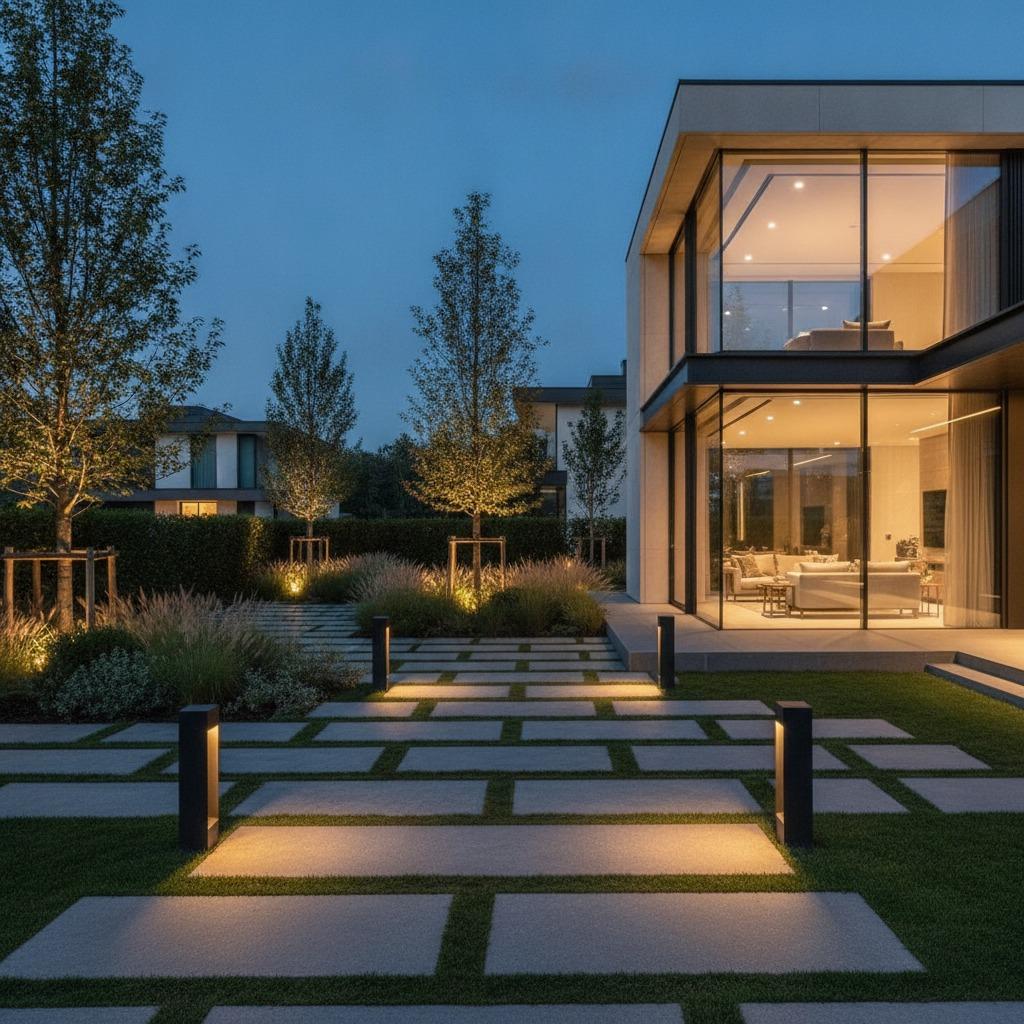
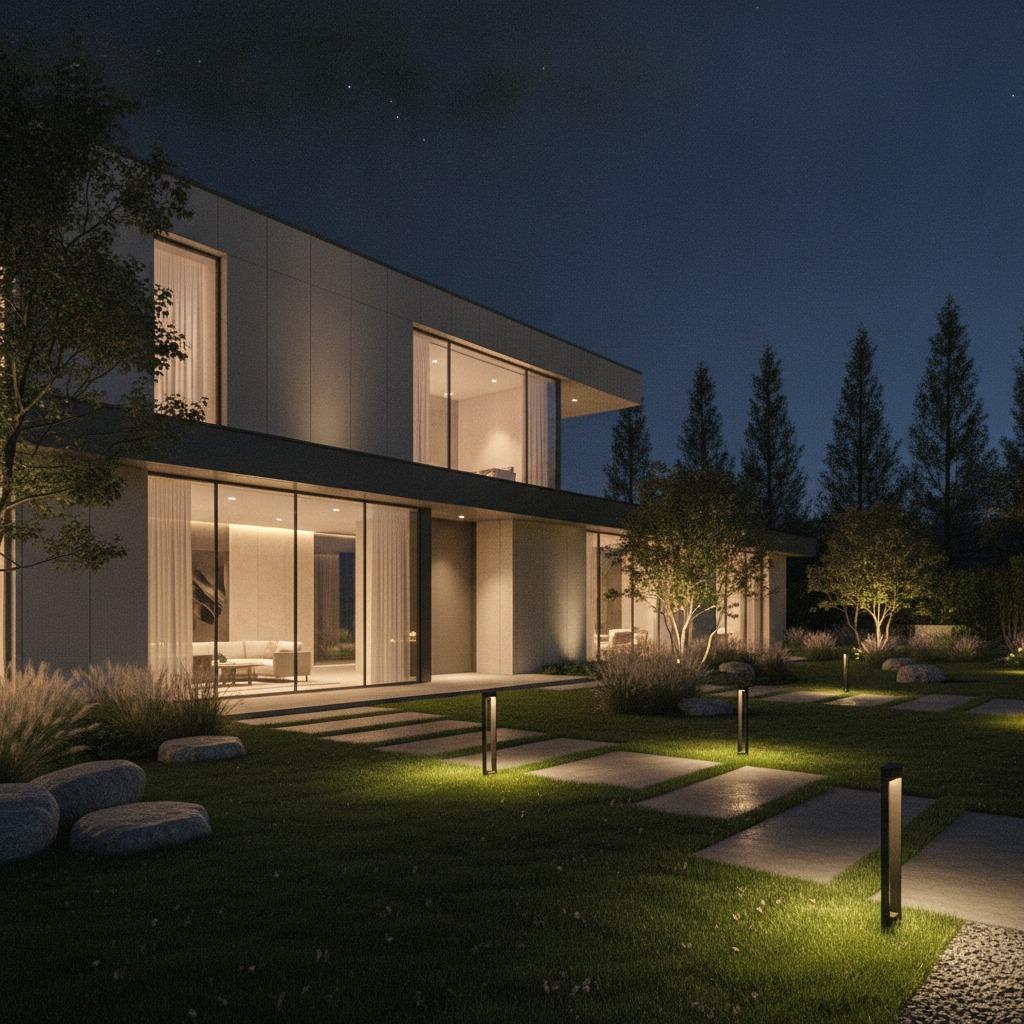
The product category here is a low-height, bollard-style landscape light for ground-level illumination. In the example provided, the fixture has a matte black rectangular body, a square base plate, and a geometric head with a downward-facing light aperture. That shape is not just decorative. A compact, downward-directed design helps define pathways, lawns, and entry edges without creating harsh glare.
The stated functional points are straightforward: solar powered, IP65 waterproof, energy saving, easy installation, durable, and reliable. Those are the claims buyers should expect to verify through product documentation and samples, not just catalog language. IP65 is especially relevant for outdoor use because it signals protection against dust and water jets, which is a practical threshold for exposed garden lighting. It is not a magic shield, though. Drainage design, housing quality, and seal consistency still matter.
Solar lawn light manufacturer vs. solar garden light manufacturer
The terms overlap in the market, and many suppliers use them loosely. A solar garden light manufacturer may offer decorative stakes, pathway lights, wall lights, and accent fixtures, while a solar lawn light manufacturer may focus more on low-profile ground lights and walkway markers. Buyers should not rely on the label alone.
A useful way to compare suppliers is to ask what they actually build at scale:
- Do they specialize in landscape lighting or broader outdoor luminaires?
- Can they explain the structure of the light head, battery compartment, and solar module placement?
- Are they set up as an outdoor solar light factory with repeatable assembly and inspection steps?
- Do they support solar lawn lamp wholesale orders with consistent packaging and labeling?
These are practical questions. They tell you more than a polished product page ever will.
Selection criteria that matter in procurement
1. Housing and finish
The visible fixture uses a clean, modern black finish. For outdoor lighting, finish quality is not cosmetic only. A better coating can help the unit look uniform across a project, especially where the lights line a driveway or frame a walkway. Since the exact material is not specified, it is sensible to ask whether the housing is metal or metal-like and how the finish holds up in humidity, sun exposure, and cleaning.
2. Waterproofing and sealing
IP65 is a good starting point, but it should not end the discussion. Ask how the lens, seams, and base are sealed. Many failures in landscape lighting come from repeated wet-dry cycles, not from one dramatic storm.
3. Installation approach
“Easy installation” is a real selling point for landscape projects, especially when the fixture is used in quantity. Still, buyers should confirm whether the light is surface-mounted, ground-mounted, or intended for another method. That detail affects labor, site prep, and replacement planning.
4. Lighting intent
This type of fixture is best understood as wayfinding and accent lighting rather than high-output area lighting. That distinction helps avoid disappointment later. If a project needs bright security lighting, this is the wrong category. If it needs orderly, low-level illumination for paths and borders, it fits well.
Common mistakes buyers make
The first mistake is treating all solar lights as interchangeable. They are not. The second is ordering by appearance alone and ignoring what happens after a few months outdoors. The third is skipping sample checks because the unit looks simple.
A small caution here: product photos can hide a lot. You may not see the solar panel placement, the battery layout, or the internal electronics. If those are not documented, ask before committing to bulk purchase. Buyers who source solar lawn lamp wholesale orders should be especially careful, because a small design weakness becomes expensive across a full project.
Practical questions to ask a supplier
Before you place an order, ask for the basics that affect long-term use:
- Is the fixture part of a standard landscape lighting line, or a custom project build?
- What parts are enclosed, and what is accessible for service?
- How is the IP65 rating supported in assembly and inspection?
- What outdoor use cases does the manufacturer recommend for this model?
- Can the supplier support matching units across a repeat order?
These questions help separate a real manufacturing partner from a trading listing.
Where this product fits best
A solar lawn light like this is well suited to residential gardens, villa exteriors, driveway edges, pedestrian pathways, courtyards, landscape borders, and hospitality outdoor areas. It provides the kind of lighting people notice only when it is missing: enough to guide movement, shape space, and make a property feel finished at night.
For buyers evaluating a solar lawn light manufacturer, the key decision is not whether solar lighting works. It does. The real question is whether the supplier can deliver a product that stays sealed, looks consistent, and performs predictably in outdoor conditions.
What to do next
If you are comparing suppliers, start with a sample, a specification sheet, and a direct discussion of sealing, finish, and installation. That usually reveals more than a long catalog ever will. A reliable solar garden light manufacturer should be able to explain the fixture plainly, without hiding behind broad claims. If they cannot, keep looking.