
Solar lawn lighting looks simple until you have to buy it in volume
A Solar Lawn Light Manufacturer is often judged on appearance first, but the real buying decision is much less decorative. Engineers, sourcing managers, and product teams usually care about three things: whether the light survives outdoors, whether it delivers usable illumination along a path, and whether the design can be installed without creating maintenance problems later. That is where many solar lawn lights look similar at a glance and then diverge sharply in the field.
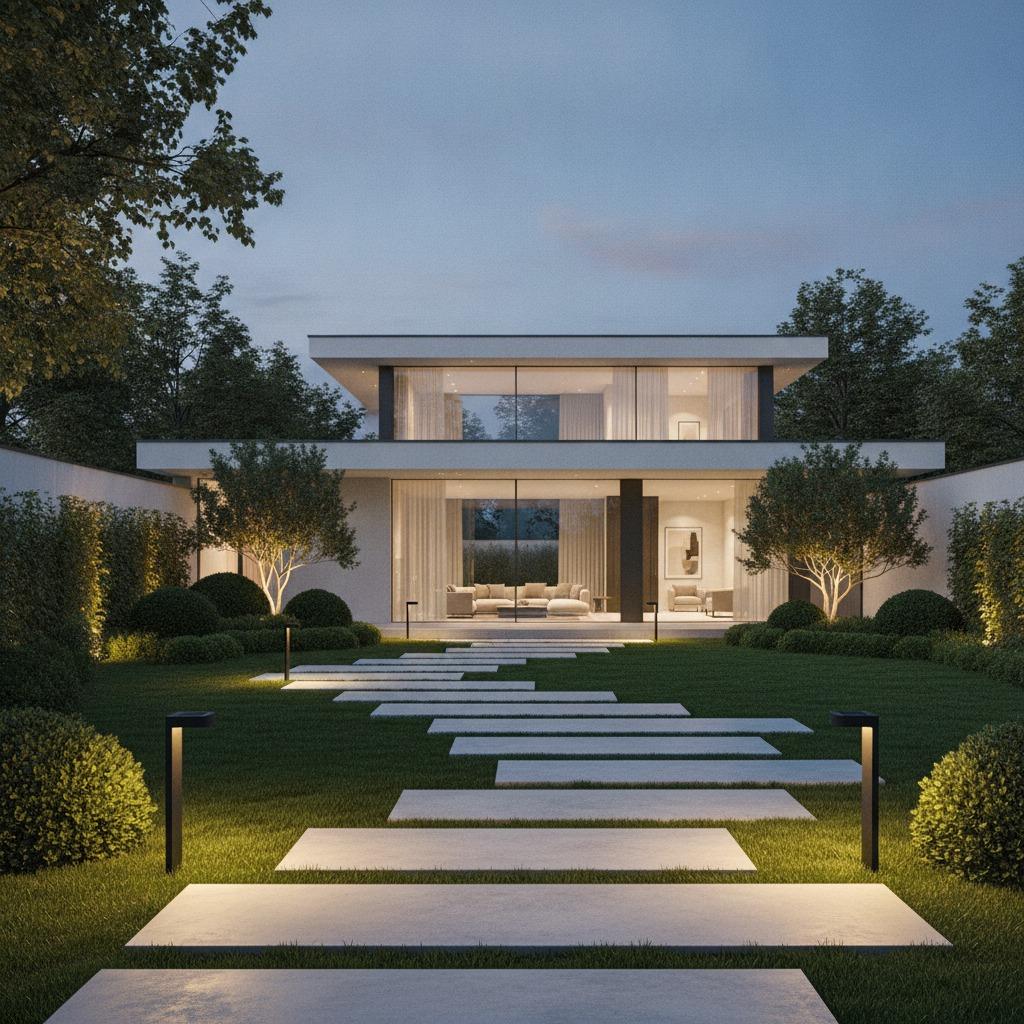
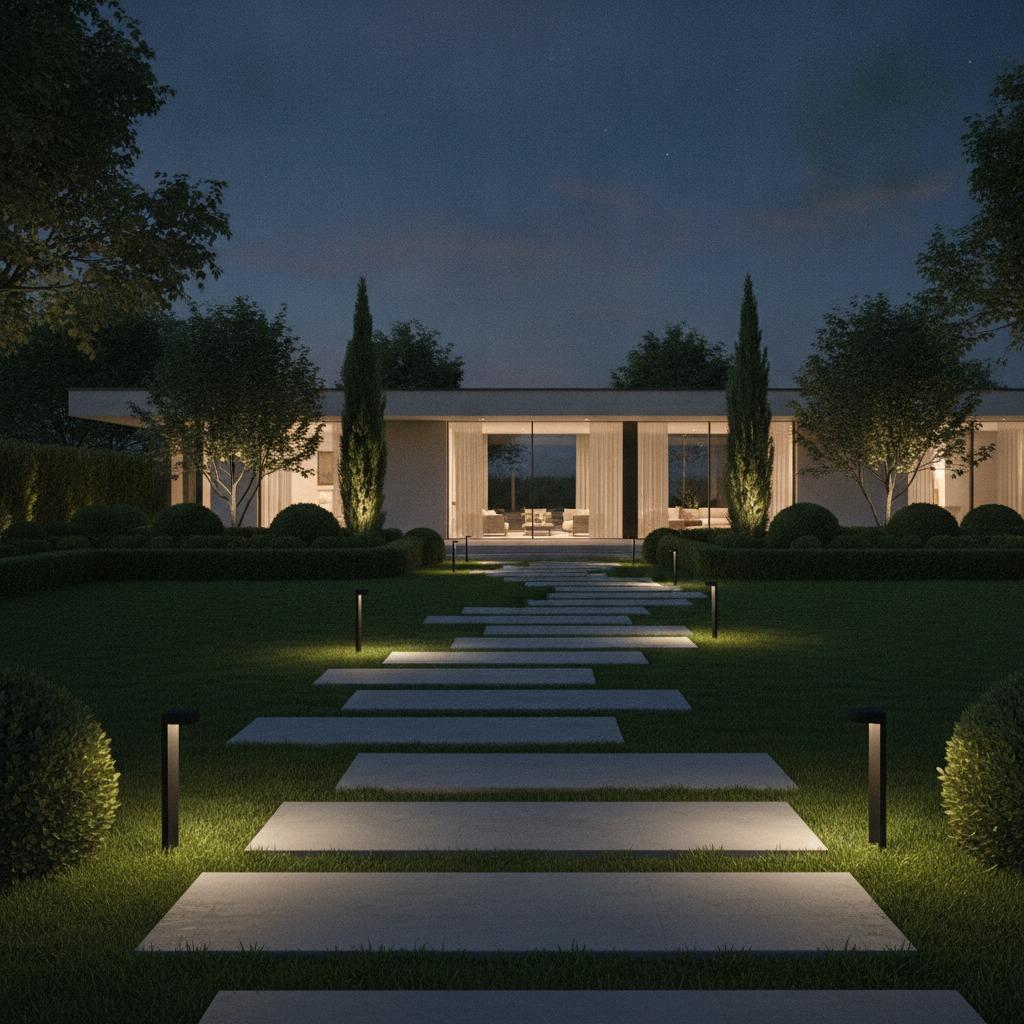
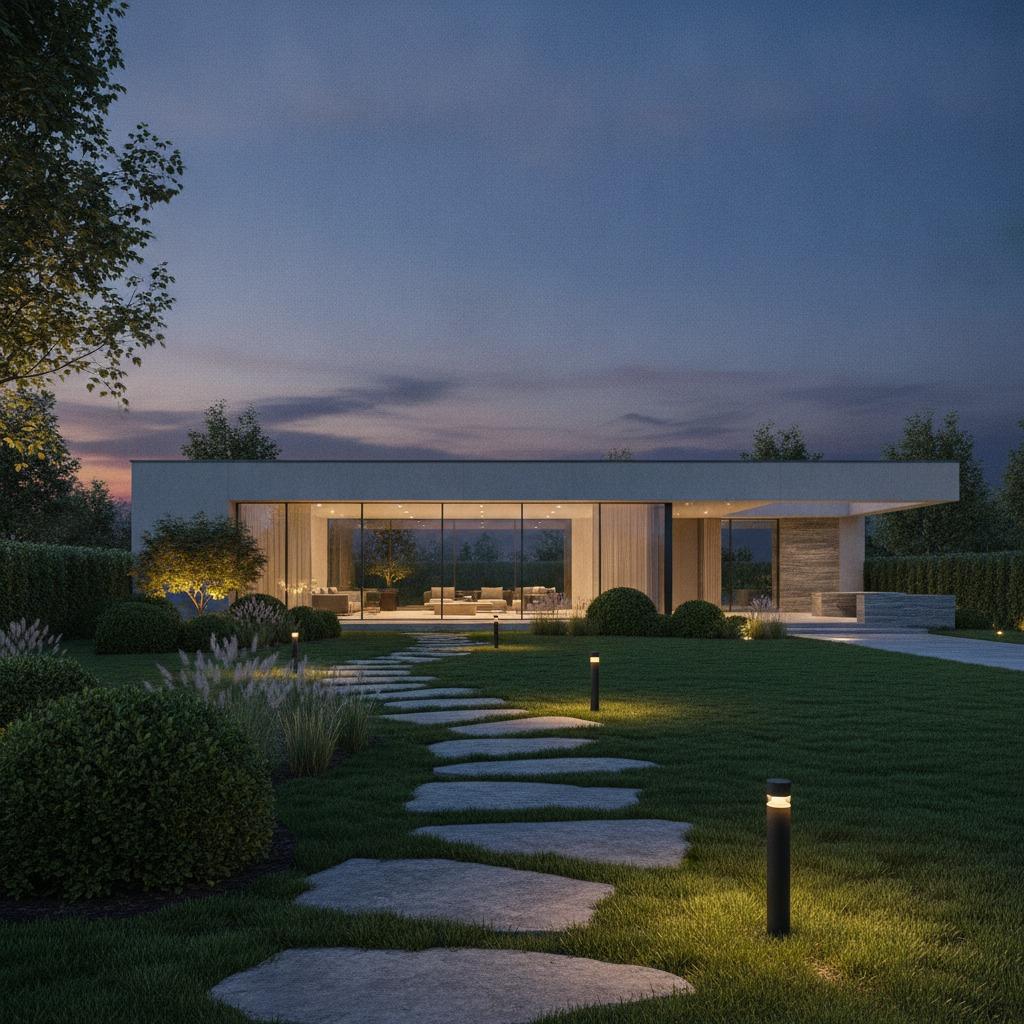
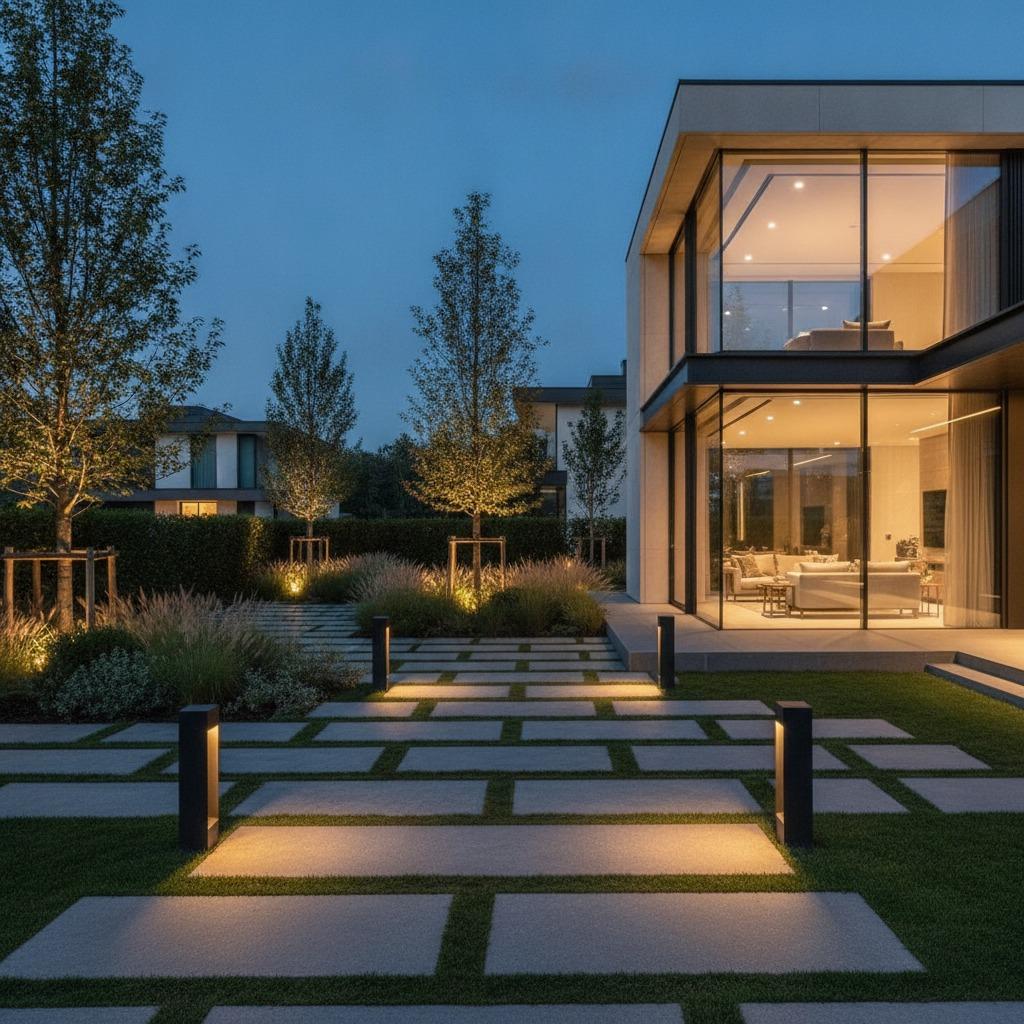
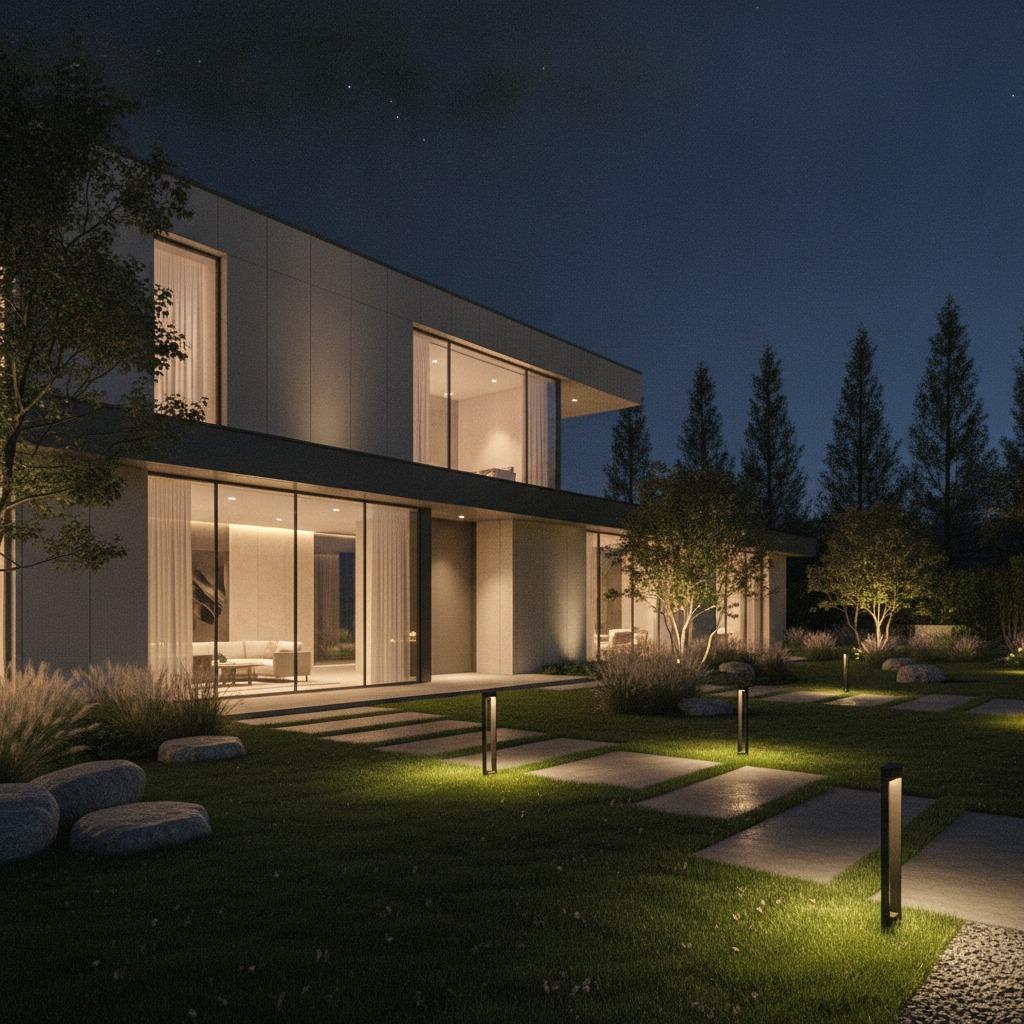
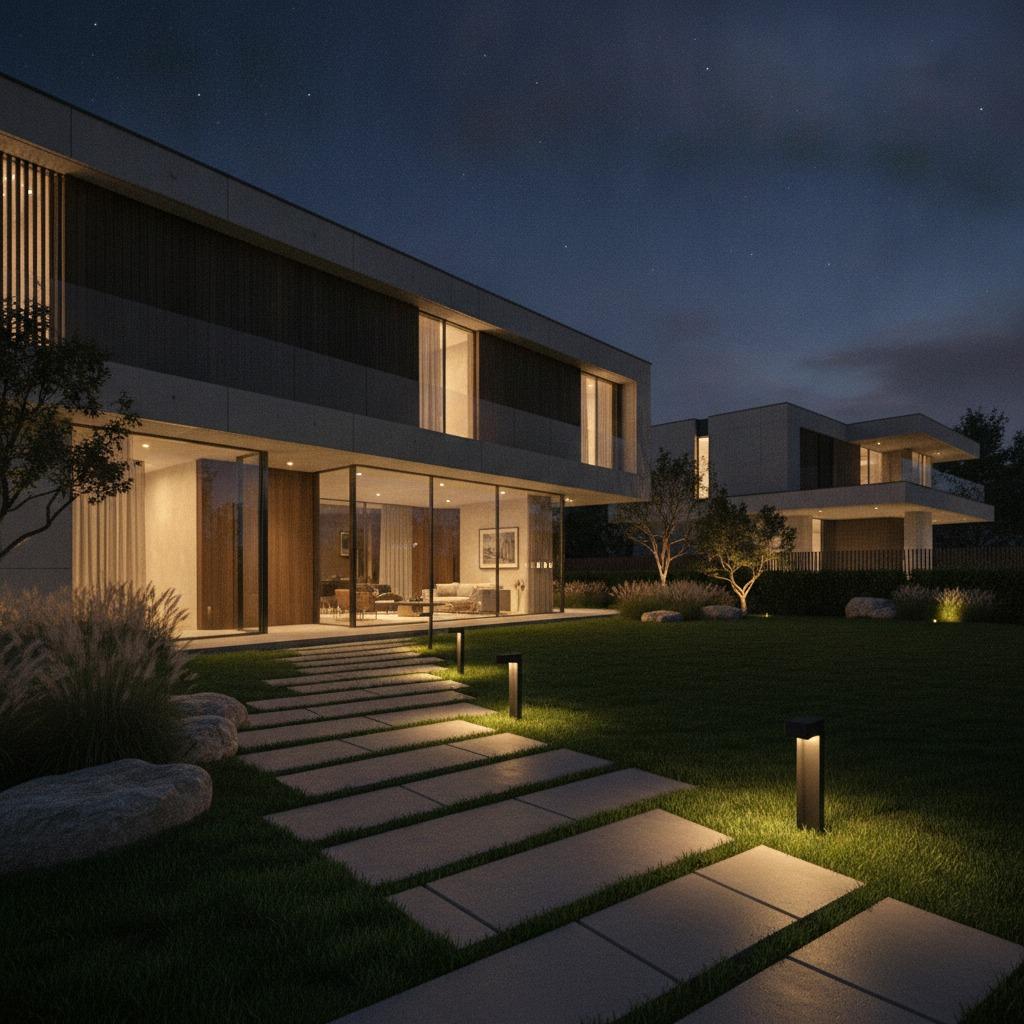
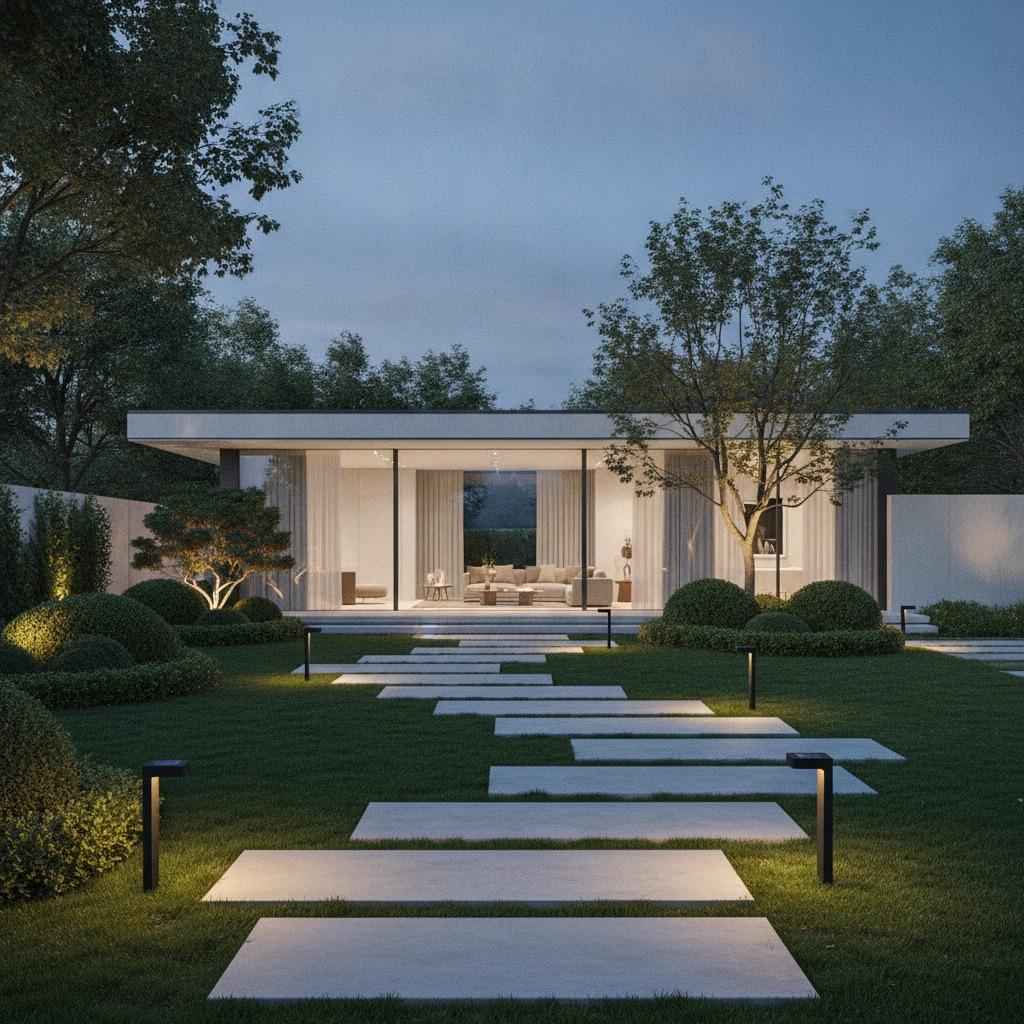
The product in focus here appears to be a low-profile outdoor path light with an integrated solar panel on top and downward- or forward-aimed light for walkways, garden routes, and courtyard edges. That general format fits the way many outdoor solar lawn lights are specified today: compact, repeatable, easy to place in a line, and meant to provide practical guidance rather than dramatic brightness. The challenge is deciding which build details matter and which are just cosmetic.
Why this product category deserves a closer comparison
Solar lighting is attractive because it reduces wiring work and allows faster installation, especially in retrofit landscaping projects. But the same simplicity can hide weak points. A light can look clean in daylight and still fail if the enclosure traps moisture, the solar panel is poorly oriented, or the battery system degrades too quickly in seasonal use. Buyers usually want to know whether they are choosing a true workhorse product or a short-life decorative fixture.
That is especially true for path lighting. Unlike accent lights mounted high on a façade, lawn and walkway lights sit close to soil, irrigation spray, foot traffic, and debris. They need a form factor that is low enough not to obstruct movement, yet robust enough to withstand being bumped, mowed around, and exposed to weather on a daily basis.
Quick comparison: what the best-fit solar lawn light usually offers
Compact footprint versus brighter output
Smaller post-style lights are easy to space along a route and tend to look tidy in landscaped settings. The tradeoff is obvious: a compact body usually limits the size of the solar panel and battery compartment. That does not make the product unsuitable, but it does mean buyers should compare expected runtime and brightness carefully rather than assuming all solar lawn lights perform the same.
Integrated panel versus remote panel
An integrated solar panel keeps the design self-contained and simpler to install. For many residential and light commercial use cases, that is enough. A remote panel can sometimes offer more flexibility in positioning, but it adds complexity and more potential failure points. If the path is shaded for much of the day, an integrated design may be less forgiving. That is a practical caveat worth flagging early.
Decorative glow versus directional guidance
Some garden lights are intended mainly to decorate a landscape. Others are meant to mark a route clearly enough for evening use. The product style described here seems closer to the second category. The warm illuminated section and downward light direction suggest it is aimed at low-glare guidance, not broad-area lighting. For buyers, that distinction matters more than most catalog copy admits.
Materials and construction: what to look for, even when the spec sheet is thin
The visible housing appears to be a dark matte or powder-coated body, possibly metal or a metal-look substrate. That is a sensible construction path for outdoor solar lawn lights because it can improve perceived quality and help the fixture hold its shape. The solar panel cover is likely glass or plastic, though that cannot be confirmed from appearance alone.
In practice, the important question is not whether the body is aluminum, steel, or a coated composite in the abstract. It is whether the construction resists corrosion, UV exposure, and mechanical stress. Powder coating can help, but only if the base material and edge sealing are done properly. Buyers should ask how the housing is assembled, how the panel is sealed, and what happens at the cable or battery access points. Those are the places where outdoor products usually reveal their real quality.
Selection criteria that matter to sourcing and product teams
When comparing LED solar lawn lights, it helps to separate the buying decision into operational needs and commercial needs. Operationally, the fixture should match the environment: dry courtyard, irrigated garden bed, driveway edge, or stepping-stone route. Commercially, you need consistency in appearance, repeatability across batches, and enough durability to reduce replacement traffic.
Ask whether the manufacturer can support your preferred installation pattern. Spaced path lighting, for example, depends on uniform appearance from unit to unit. If the product line varies too much in finish, light color, or assembly quality, the walkway will show it immediately. That is the kind of issue that turns a small specification problem into a visible field complaint.
Common mistakes buyers make with outdoor solar lawn lights
The biggest mistake is treating all solar lighting as interchangeable. A decorative lawn marker and a functional path light are not the same product, even if both use solar power and emit warm light. Another mistake is buying on housing style alone and ignoring exposure conditions. A fixture placed along a wet edge or in a shaded planting bed has very different demands from one installed in an open, sunny courtyard.
There is also a tendency to overestimate what a compact solar unit can do. These lights are usually best for guidance, ambience, and route marking. If a project needs strong task lighting, security lighting, or long evening runtime regardless of weather, the buying team should probably consider a different category. That sounds obvious, but it is where mismatched expectations start.
Practical buyer advice before you place an order
Request enough detail to judge the fixture as a system, not just a shape. For solar garden lighting, that means asking about panel type, battery accessibility, weather protection, and how the light behaves after repeated charge cycles. If those details are not available, proceed cautiously. A supplier who cannot describe the assembly clearly may not be the best fit for a production program.
Also consider visual consistency at night, not only in daylight. Warm white output may work well for residential landscapes and hospitality settings, but the exact appearance can vary more than buyers expect. One batch that looks fine in photos can read differently once installed along stone, grass, or concrete. If appearance matters, get samples in the actual environment before committing.
FAQ for procurement and product development teams
Are solar lawn lights mainly decorative?
Not always. Some are purely decorative, but the post-style format described here is often used for route marking and wayfinding as well as ambience.
Is a powder-coated body enough for outdoor use?
It can be a good start, but coating alone does not guarantee long service life. Assembly quality, sealing, and exposure conditions matter just as much.
What is the safest assumption if details are missing?
Assume moderate outdoor use, not heavy-duty performance, until the supplier provides verified specifications.
What to do next
If you are sourcing from a Solar Lawn Light Manufacturer, focus on whether the product is fit for your exact outdoor setting and installation pattern. Solar Lawn Lights that look nearly identical in a catalog can behave very differently after a season in the field. Ask for construction details, verify the intended application, and compare actual samples under real light conditions before scaling up.
That approach is slower than buying on appearance alone, but it usually saves time later. For path lighting in particular, the difference between acceptable and troublesome is often a few small design decisions that only become obvious when the lights are already in the ground.