
What buyers really mean when they look for a solar lawn light manufacturer
When sourcing a solar lawn light manufacturer, most buyers are not just shopping for a lamp. They are trying to solve a maintenance problem, a layout problem, and often a budget problem at the same time. The fixture has to look clean in daylight, guide people safely after dark, and survive outdoors without creating a service headache every few months.
That is why the decision is rarely about one product photo. It is about whether the supplier can deliver consistent outdoor solar lawn lights, a sensible housing design, and enough production discipline that the installation looks uniform from one project to the next. For landscape contractors, distributors, and product teams, that distinction matters more than a glossy catalog spread.
Why the product design matters before anyone talks about price
A lawn light sits in an awkward zone between decorative lighting and functional wayfinding. If the body is too bulky, it looks intrusive during the day. If the beam is too weak or poorly directed, the path still feels dark at night. If the finish does not hold up outdoors, the first season of weather can undo the whole specification.
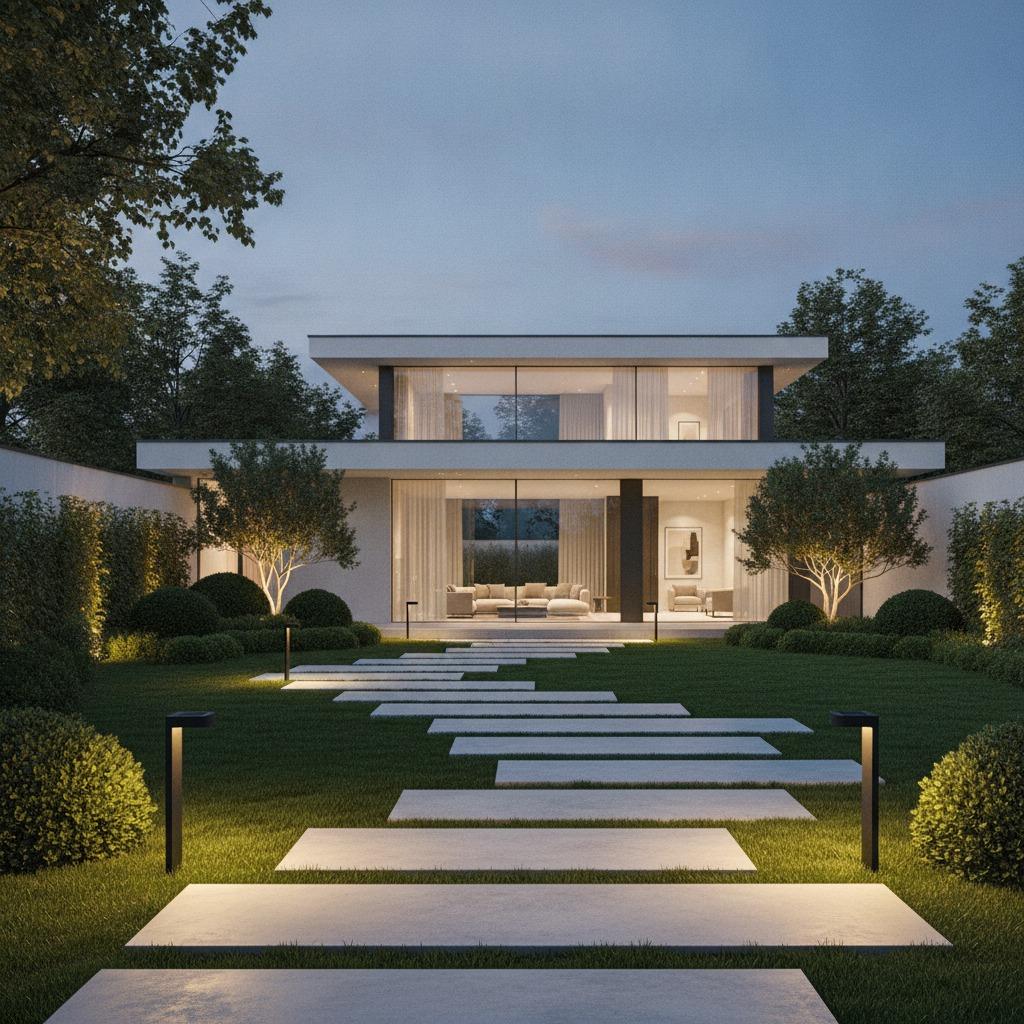
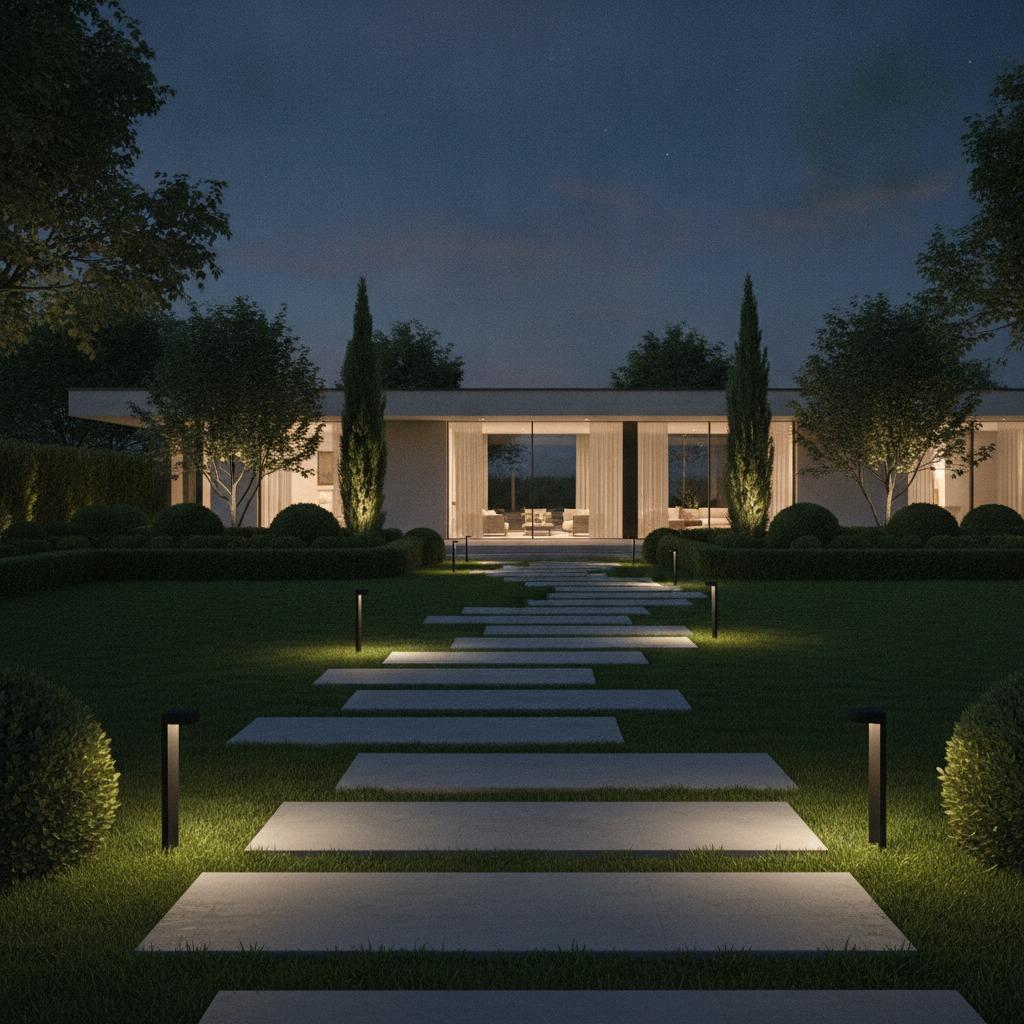
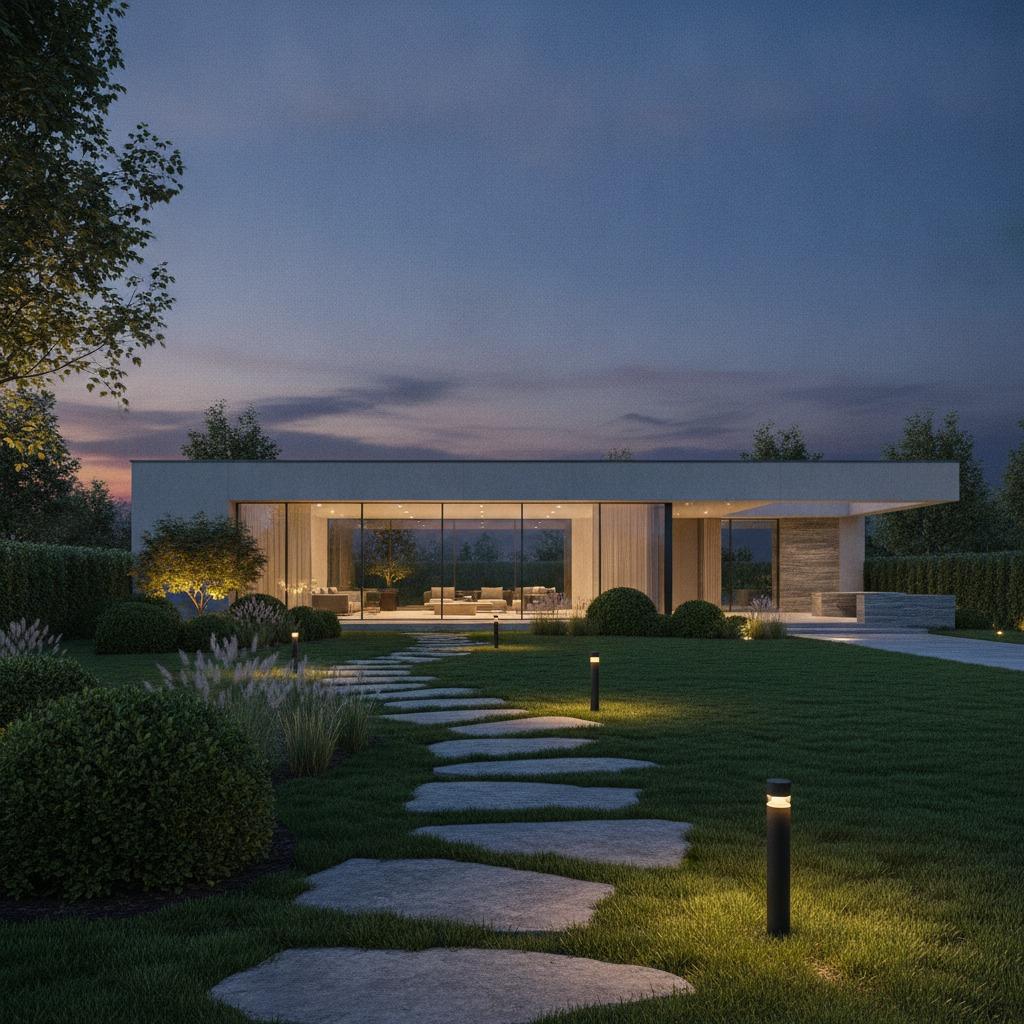
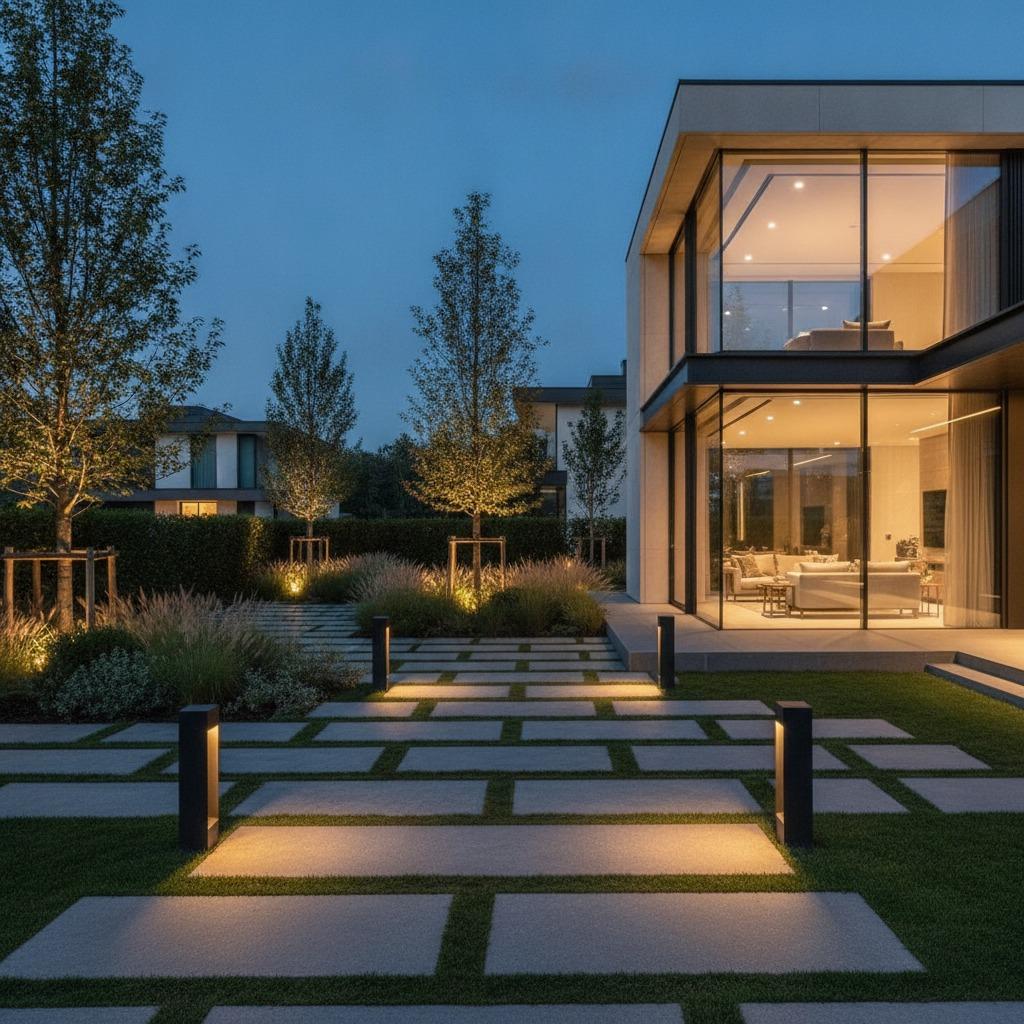
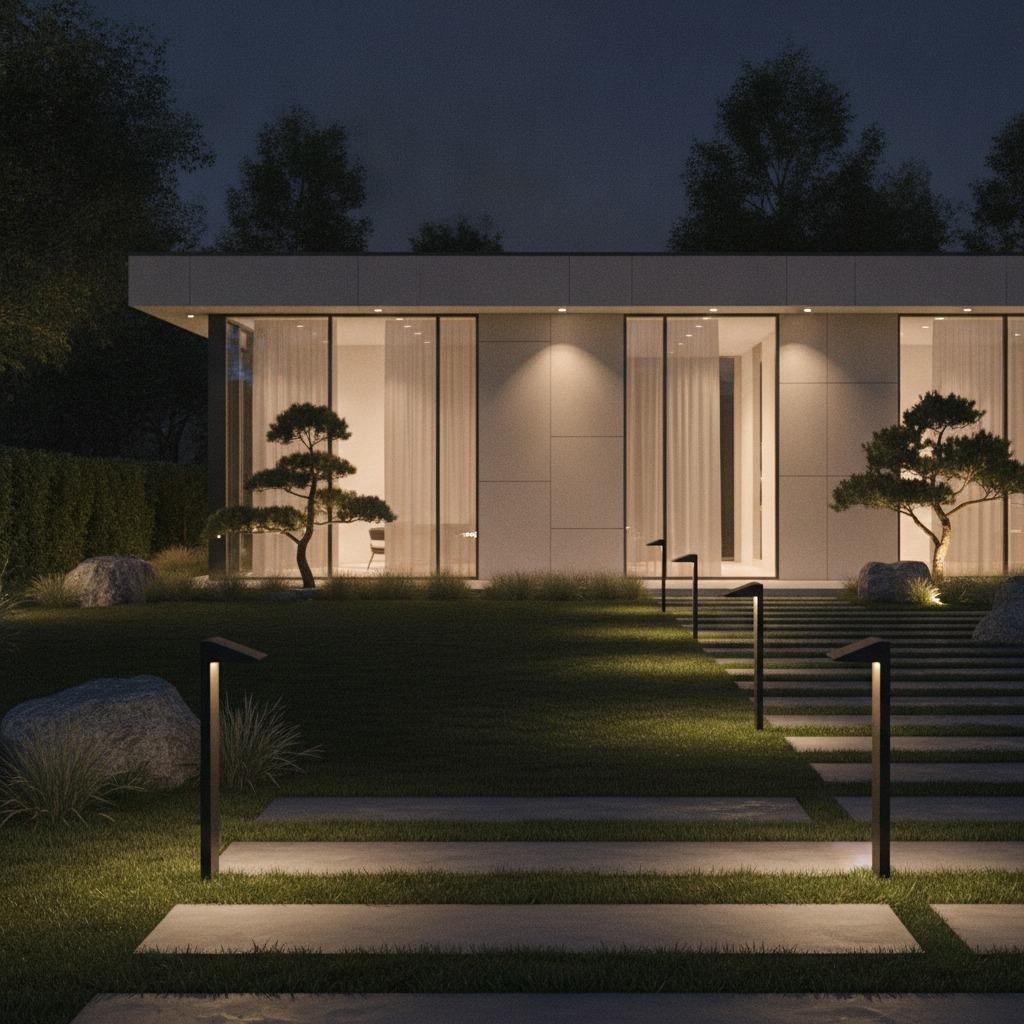
The slim bollard-style form described here points toward a practical middle ground: a compact vertical body, a top hood, and downward light distribution. That kind of geometry works well for walkways, lawn edges, entry approaches, and stepping-stone routes where the goal is guidance, not floodlighting. In other words, it helps people move through a space without turning the garden into a parking lot.
Quick comparison: what to evaluate in a solar garden light manufacturer
Not every solar garden light manufacturer is set up for the same job. Some are stronger in decorative fixtures, while others focus on outdoor lighting that has to be repeated at scale across multiple sites. When you are comparing suppliers, these are the practical differences that usually matter most:
- Housing quality: metal fabrication or extrusion consistency, finish durability, and fit between the head and body
- Optical direction: whether the light is aimed downward cleanly, rather than spilling into eyes or neighboring plots
- Outdoor suitability: the ability to tolerate weather exposure, dirt, and seasonal maintenance cycles
- Visual uniformity: important for long runs along paths where a mixed batch becomes obvious fast
- Manufacturing repeatability: a supplier’s ability to keep shape, color, and assembly details consistent across orders
For buyers, the mistake is assuming all landscape lights are interchangeable. They are not. A good-looking sample can still be a poor choice if the factory cannot repeat it cleanly in volume.
How LED solar lawn lights are typically judged in the field
With LED solar lawn lights, the field test is often harsher than the showroom test. A fixture that appears refined indoors may reveal its weaknesses once it is spaced along a real path, in low ambient light, beside planting beds, and under changing weather.
Engineers and sourcing managers usually look at a few simple questions. Does the light create a clear edge to the walkway? Does the hood reduce glare? Does the body feel sturdy enough for outdoor use? Does the design allow a neat installation rhythm so the site looks intentional rather than patched together? These are basic questions, but they catch a lot of bad sourcing decisions early.
The style described in the product data suggests a narrow, modern profile with downward illumination. That is often a good choice for residential communities, hospitality landscapes, and commercial exterior routes because it gives a controlled visual cue without over-lighting the entire area.
Common buying mistakes that cause problems later
One common mistake is focusing on appearance alone. Another is assuming the supplier can adapt a design for outdoor use without checking the actual construction method. A slim black bollard can be attractive, but if the metal housing, joints, and finish are not made for exposure, the fixture will age quickly.
Buyers also get caught by vague product descriptions. If the manufacturer does not state whether the unit is solar-powered or hardwired, do not fill in the blanks yourself. Ask. The same caution applies to dimensions, output, color temperature, and mounting details. For procurement, ambiguity is not harmless; it usually shows up later as a site mismatch or a replacement delay.
Practical selection advice for sourcing teams
If you are shortlisting a solar lawn light manufacturer, use the application first, not the spec sheet. Start with where the light will sit, how far apart the fixtures will be spaced, and what the daytime look needs to be. Then check whether the supplier’s construction approach fits that brief.
For pathway and perimeter guidance, a compact directional fixture is often more useful than a large ornamental post. For commercial projects, consistency matters enough that you may want to request a sample set, not a single sample, so you can judge variation in finish and assembly. That is a small extra step, but it avoids ugly surprises on site.
If the project is specified around outdoor solar lawn lights, confirm the basic operating model early in the procurement process. Solar, wiring, control method, and installation assumptions should all be aligned before the order is locked.
FAQ
Are these fixtures only for residential lawns?
No. The same style can also suit commercial landscaping, hospitality paths, and perimeter guidance where a low-profile look is preferred.
What makes a walkway fixture better for outdoor use?
Sturdy housing, sensible downward light control, and a design that looks clean even when spaced repeatedly along a route.
Should I choose based on appearance or construction?
Both matter, but construction should come first. A neat silhouette is useful only if the fixture can survive the site conditions and stay consistent across the order.
Next step for buyers
If you are comparing suppliers, ask for product details that remove uncertainty: construction method, intended power source, dimensions, finish, and installation assumptions. Then judge the sample the way a site crew would—by how it looks in a row, not just how it looks on a table. That approach saves time, reduces rework, and usually leads to a better lighting specification overall.