
Solar Lawn Light Manufacturer: What Buyers Should Compare Before They Place an Order
Choosing a Solar Lawn Light Manufacturer is not just a sourcing exercise. It affects how safely a path is marked at night, how often a landscape installation needs maintenance, and whether the finished lighting line looks intentional or flimsy after one season outdoors. For engineers, sourcing managers, and product teams, the decision usually comes down to a practical comparison: how the light is built, how it handles weather, and whether the design fits the site.
That sounds straightforward, but outdoor path lighting tends to expose weak specifications quickly. A unit may look tidy in a catalog and still disappoint once it is set beside stepping stones, in turf, or along a curved garden edge. Buyers comparing Solar Lawn Lights and other outdoor path fixtures need to look beyond the glow and examine structure, installation method, and serviceability.
What This Product Type Is Trying to Solve
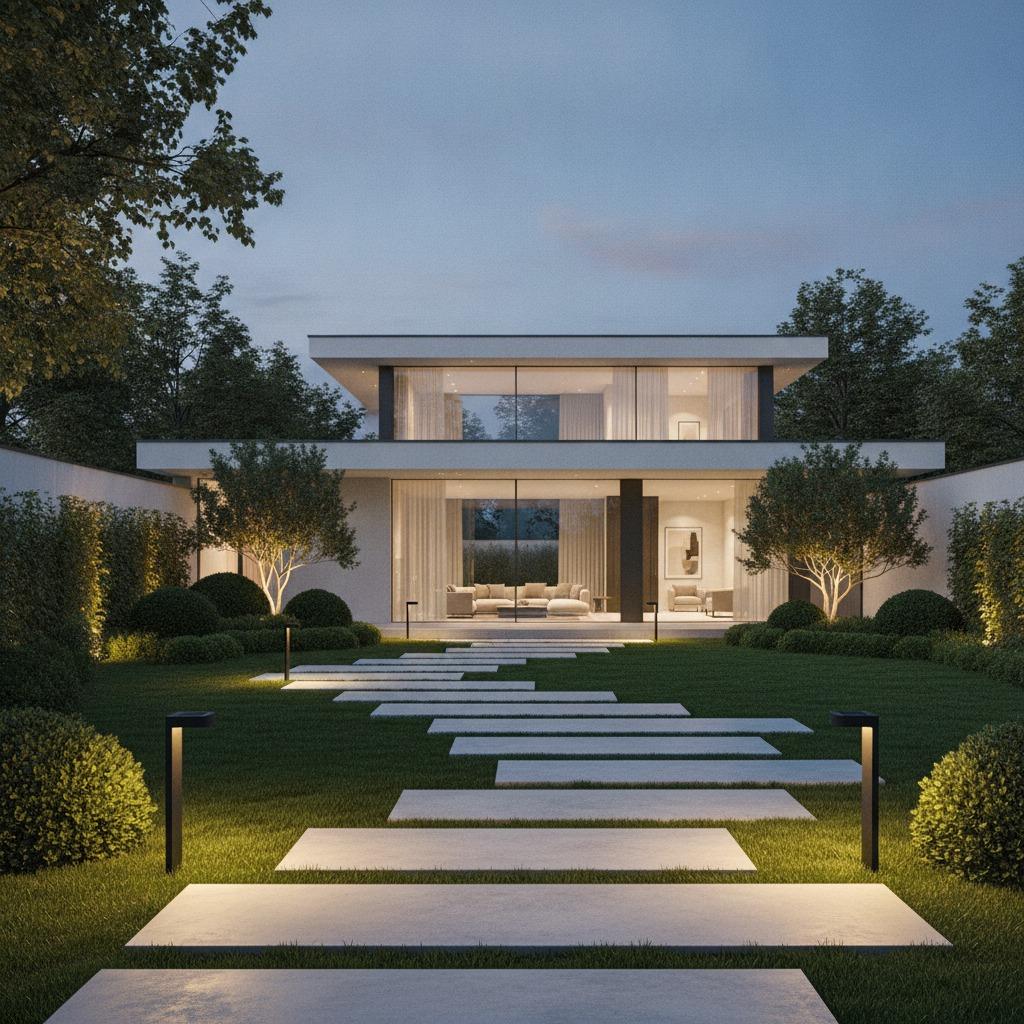
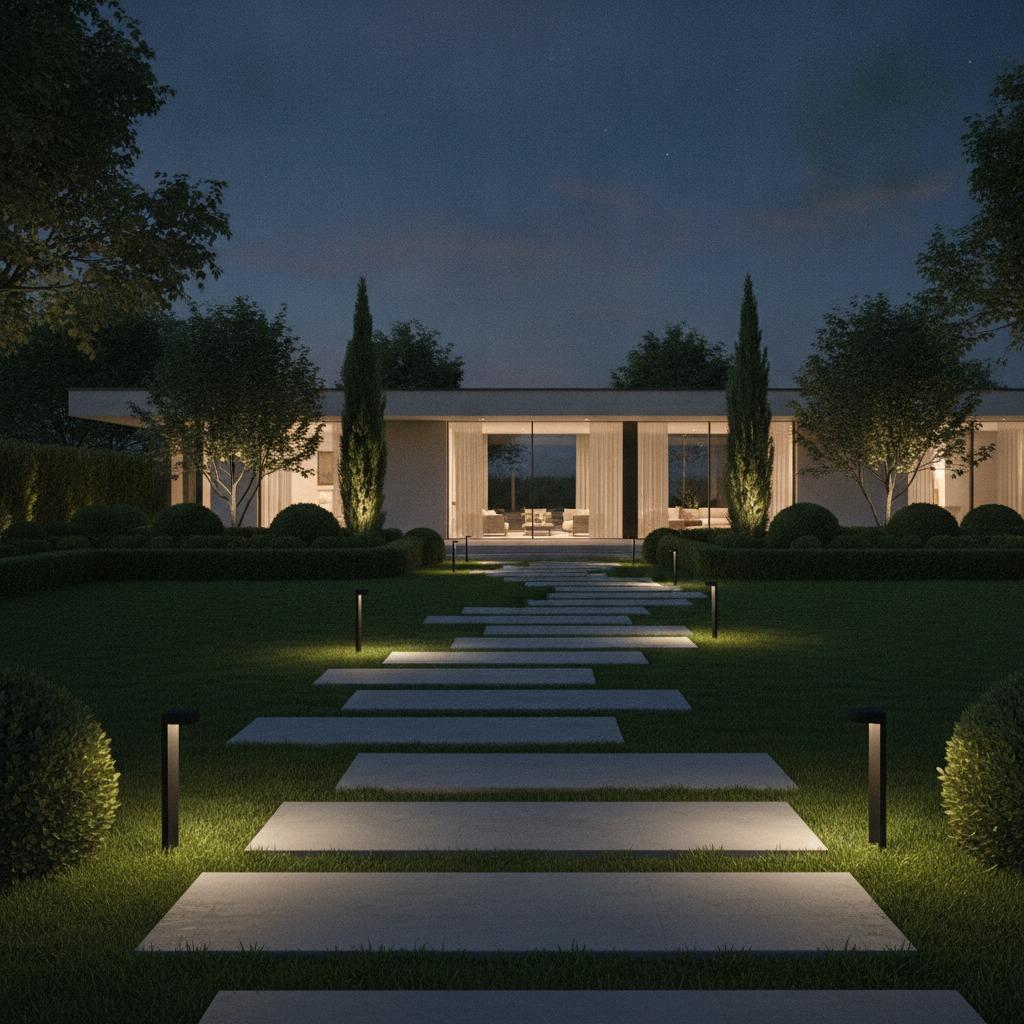
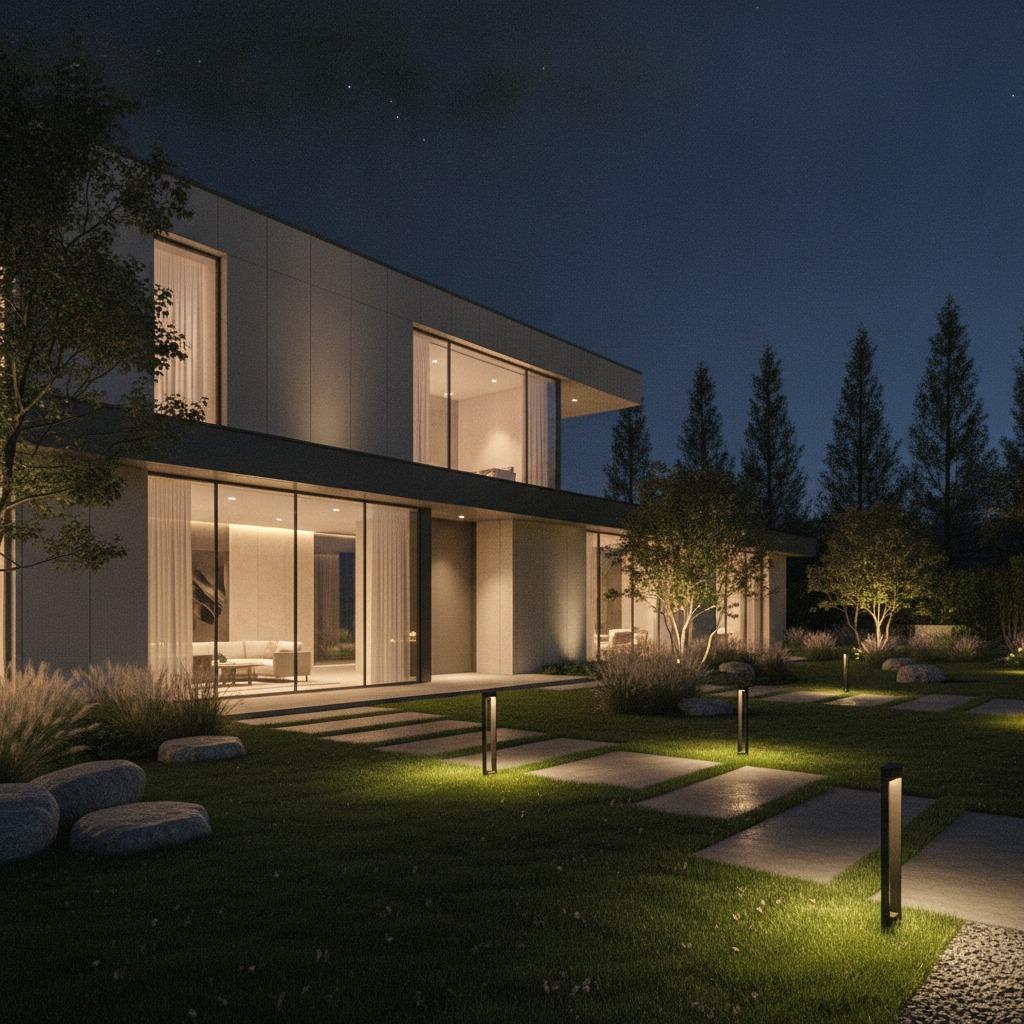
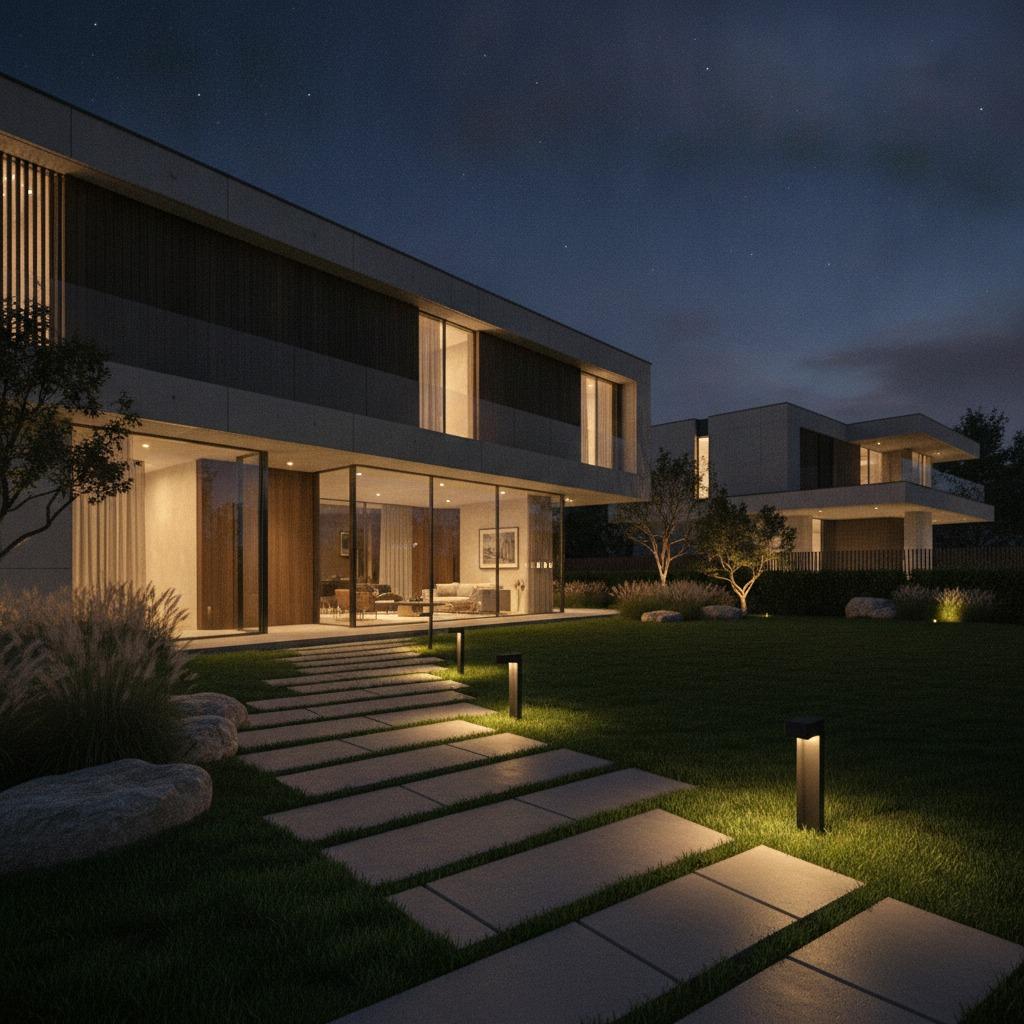
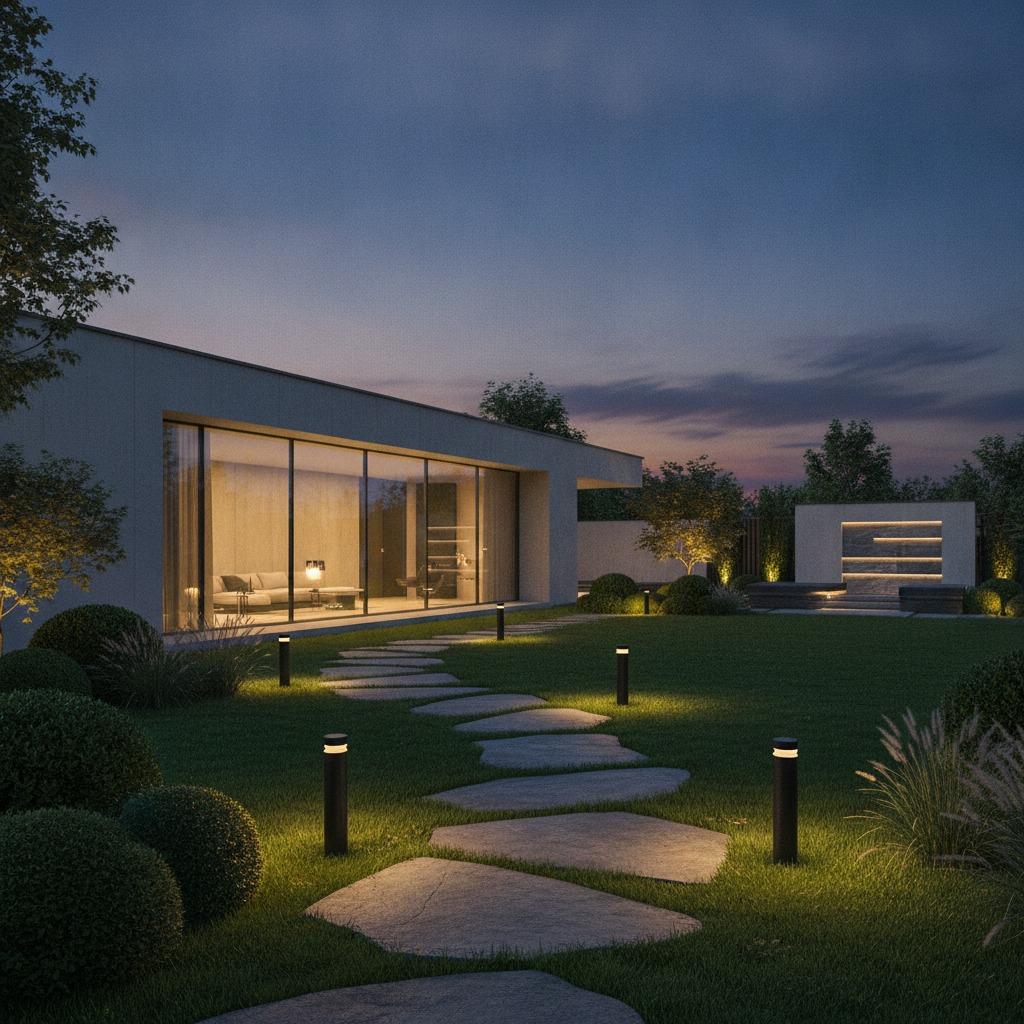
From a user standpoint, the job is simple: illuminate a walking route and make the edge of the path easy to read after dark. The product described here appears to be a slim bollard-style landscape wayfinding light with a rectangular post, an angled top, and downward-facing warm light. That shape is useful because it stays visually quiet during the day and becomes a guide at night.
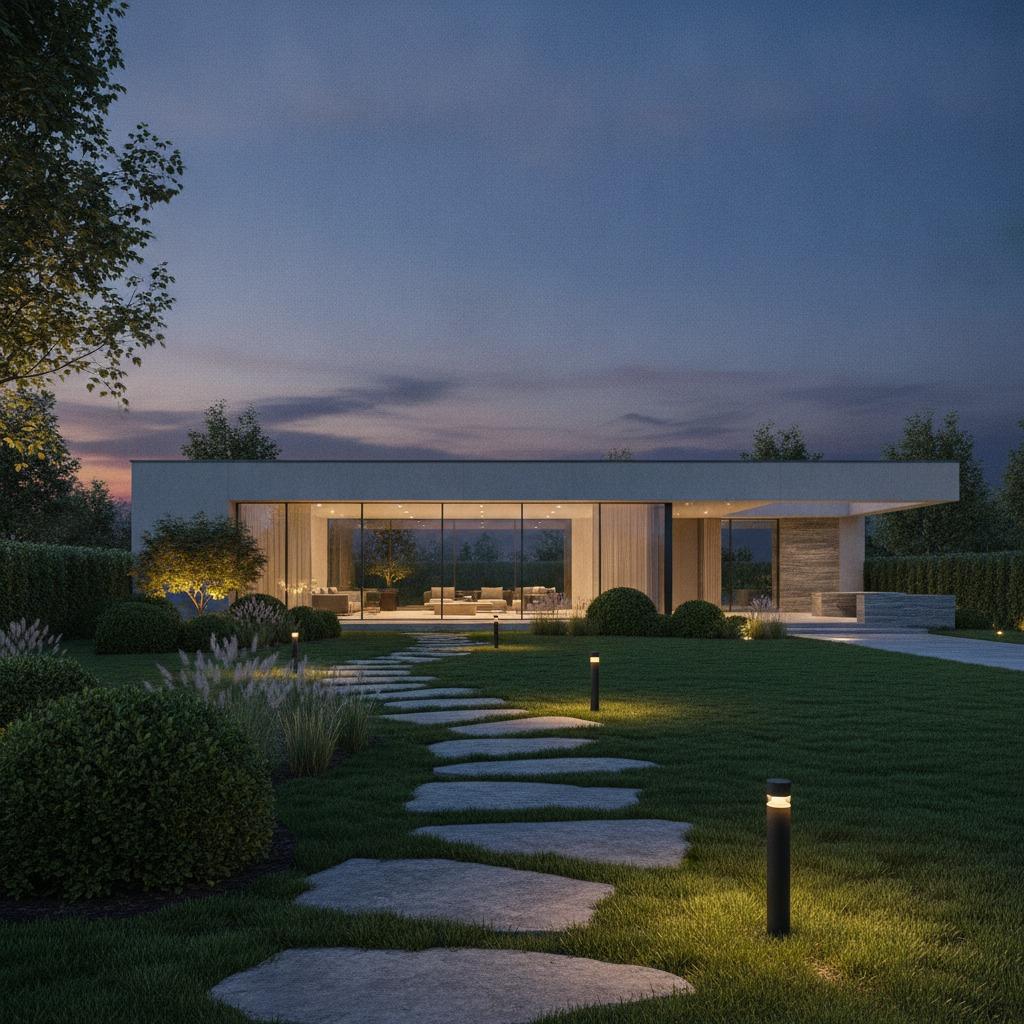
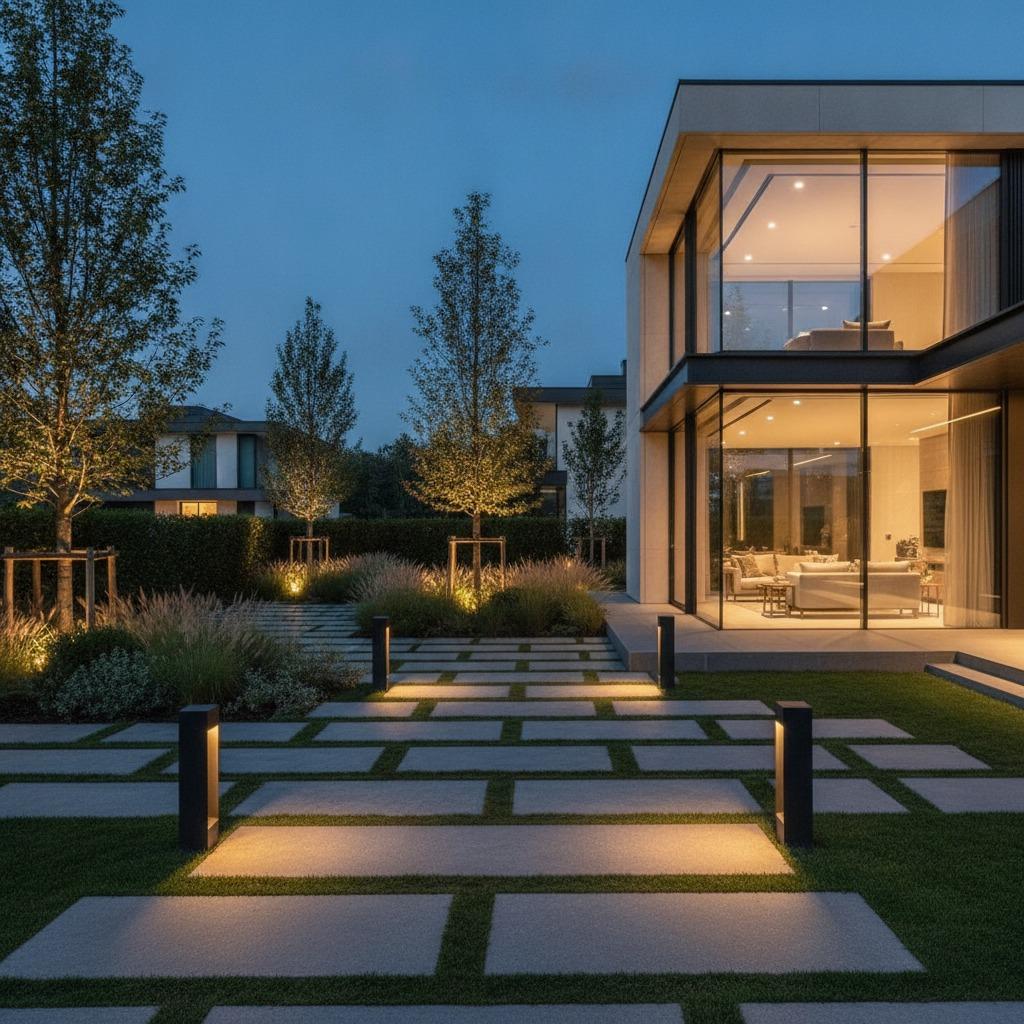
In residential gardens, courtyard paths, and driveway edges, the real value is not dramatic brightness. It is continuity. A line of Outdoor Solar Lawn Lights can help people avoid missteps on uneven pavers, define a curve in the landscape, and give the walkway a finished look without poles or hard-wired trenching in every case. The catch is that the product must survive rain, soil contact, seasonal movement, and cleaning.
Solar Lawn Lights vs. Wired Landscape Path Lights
For many projects, the first decision is whether a solar design is the right fit at all.
Solar path lighting
Solar units usually appeal when installation speed and low site disruption matter. A buyer may want to avoid conduit work, reduce visible cabling, or keep a landscape retrofit simple. LED Solar Lawn Lights also tend to suit areas that receive enough daylight and do not require very high output.
Wired path lighting
Wired systems are often better when light consistency matters more than installation convenience. They can be easier to standardize across large properties, shaded gardens, or commercial settings where performance has to remain stable through long nights or cloudy periods. They also reduce dependence on panel placement and battery behavior, though they bring their own installation burden.
The comparison is not about one being universally better. It is about matching the product to the site. A small garden path with good sun exposure can be a good solar use case. A shaded courtyard with demanding uptime expectations may not be.
What Buyers Should Examine in the Construction
The visible product structure matters more than many spec sheets suggest. The unit described here appears to use a matte dark rectangular housing with a slanted cap and a top panel that may serve as a solar panel or sensor surface. That kind of geometry is common in contemporary landscape lighting because it keeps the fixture low-profile and directional.
When evaluating a Solar Lawn Light Manufacturer, ask how the housing is made. Is it formed from metal extrusion, sheet-metal fabrication, or another rigid construction method? The exact answer affects stiffness, finish quality, and how the fixture handles repeated outdoor exposure. For path markers and bollards, a housing that looks neat but flexes too easily is usually a poor tradeoff.
Also ask how the light module is integrated. A clean upper section can protect the optics and keep the beam directed downward toward the stepping-stone route. If the product uses an external panel or a visible top sensor area, buyers should understand whether that changes the installation orientation or maintenance routine.
Selection Criteria That Matter in Real Projects
There are a few checks that consistently separate decent Solar Lawn Lights from products that create after-sales problems.
First, daylight exposure. Solar lighting only works as intended if the site gets enough sun. This sounds obvious, yet it is often overlooked in landscape refurbishments where trees, buildings, or fences create shade for much of the day.
Second, visual output. The goal for path marking is usually a warm, comfortable beam rather than a harsh flood. In the product described, the illumination appears to be directed downward or forward, which is appropriate for route guidance. Buyers should confirm that the beam pattern suits the spacing between fixtures and the width of the walkway.
Third, installation method. A unit that installs directly into grass beside stepping stones is convenient, but only if it stays upright and remains readable after watering, mowing, or ground settling. Small stability issues become very visible in landscape lighting.
Fourth, weather durability. Here, caution is necessary. Outdoor lighting claims can sound impressive, but unless a manufacturer provides reliable technical data, do not assume performance in wet, dusty, or freezing conditions. Ask for the real specification package rather than relying on a lifestyle image.
Common Buyer Mistakes
One common mistake is specifying the fixture by appearance alone. A slim black bollard may look compatible with modern hardscape, but the actual light distribution may be too narrow or too weak for a curved path.
Another mistake is treating all Solar Lawn Lights as interchangeable. Some are better for decorative accents, while others are better for functional wayfinding. Those are different jobs. If the product needs to help guests navigate a stepping-stone walkway, the design must provide enough consistent illumination at ground level.
Finally, buyers sometimes overlook the maintenance side. A low-profile landscape light may be easy to install, but if the top surface is difficult to clean or the panel is too exposed to grime, performance can drift over time. That is not a dramatic failure; it is the sort of slow problem that shows up in service calls.
Practical Advice for Sourcing Teams
If you are evaluating a Solar Lawn Light Manufacturer, ask for product drawings, material descriptions, assembly details, and installation guidance. If the manufacturer can clearly explain how the housing is built and how the top module works, that is usually a good sign. If the answers stay vague, treat the product cautiously.
For landscape designers and product teams, it helps to think in terms of use case first: residential path, driveway edge, courtyard, or accent line. A good lighting product for one of these may be mediocre for another. The same fixture style can look elegant in a private garden and underperform in a heavily shaded common area.
Short FAQ
Are Solar Lawn Lights best for every outdoor path?
No. They work well where daylight access is adequate and the required light level is modest. Shaded or high-demand sites may need wired lighting.
What makes a good path light design?
A stable housing, controlled downward illumination, weather-ready construction, and a shape that blends with the landscape rather than fighting it.
What should buyers request before ordering?
Technical drawings, material details, electrical or solar system information where applicable, and clear installation instructions. If the product is meant for stepping-stone walkways, ask how the beam falls at ground level.
Next Step for Buyers
If your project calls for a clean, low-profile way to mark a garden or walkway, compare manufacturers on structure, lighting behavior, and outdoor durability before you compare price. That approach usually saves more time than chasing a lower unit cost first. For sourcing teams, the best next move is to request a spec sheet and sample layout, then test the fixture where it will actually be used: beside the path, in grass, and under the site’s real daylight conditions.