
Solar lawn lights are simple on the surface, but buying them well is not
Choosing a Solar Lawn Light Manufacturer is rarely just about whether the fixture turns on after dark. For sourcing teams, landscape contractors, and product managers, the real question is how the design, assembly, and component choices will hold up across a season, a site, and a customer’s expectations. Solar lawn lighting looks straightforward: a compact fixture, a small panel on top, an LED inside, and a rechargeable battery underneath. But the difference between a product that disappears into the landscape and one that becomes a warranty problem can be surprisingly wide.
That is why the comparison matters. Buyers are not only comparing Solar Lawn Lights against each other; they are comparing appearance, runtime behavior, consistency in outdoor use, and how much maintenance the product will demand once it is installed along a path, border, or driveway edge. A good manufacturer should make those tradeoffs visible instead of hiding them behind glossy photography.
What these fixtures are designed to do
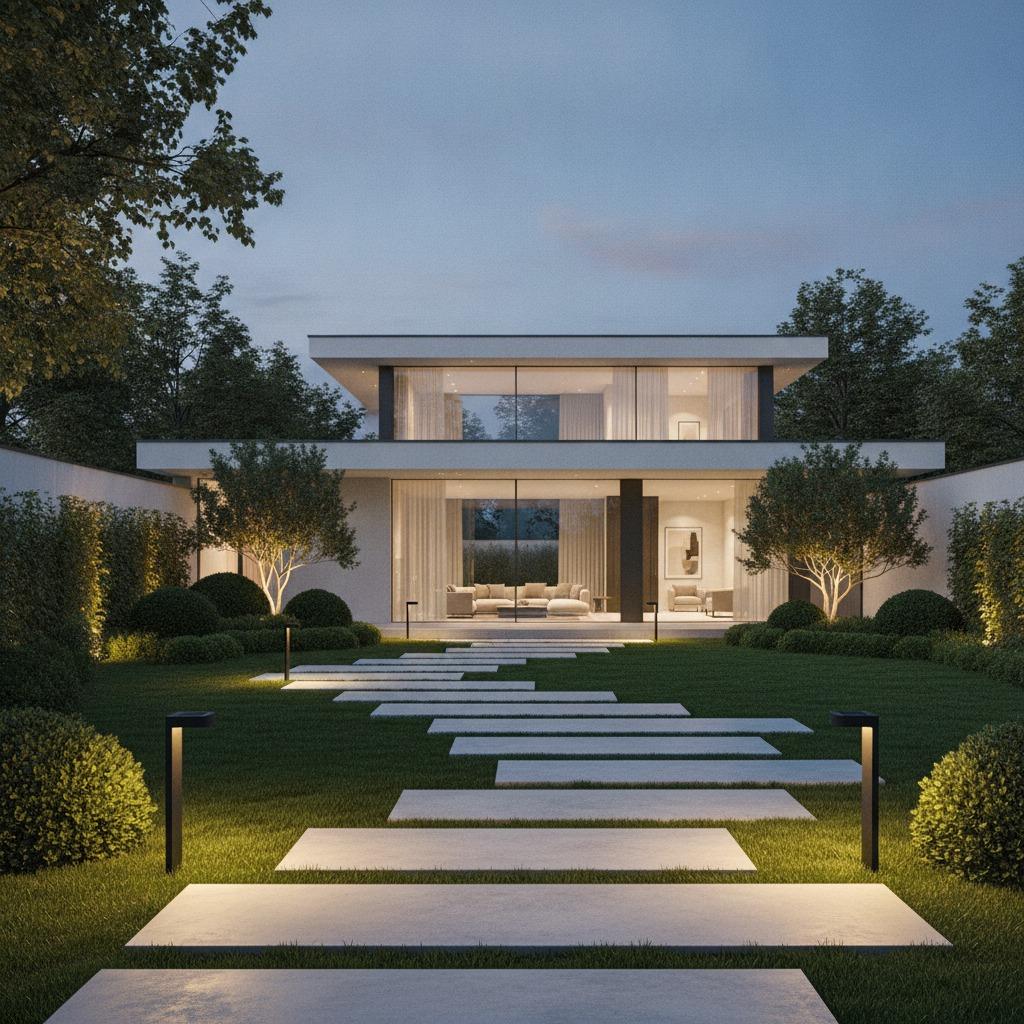
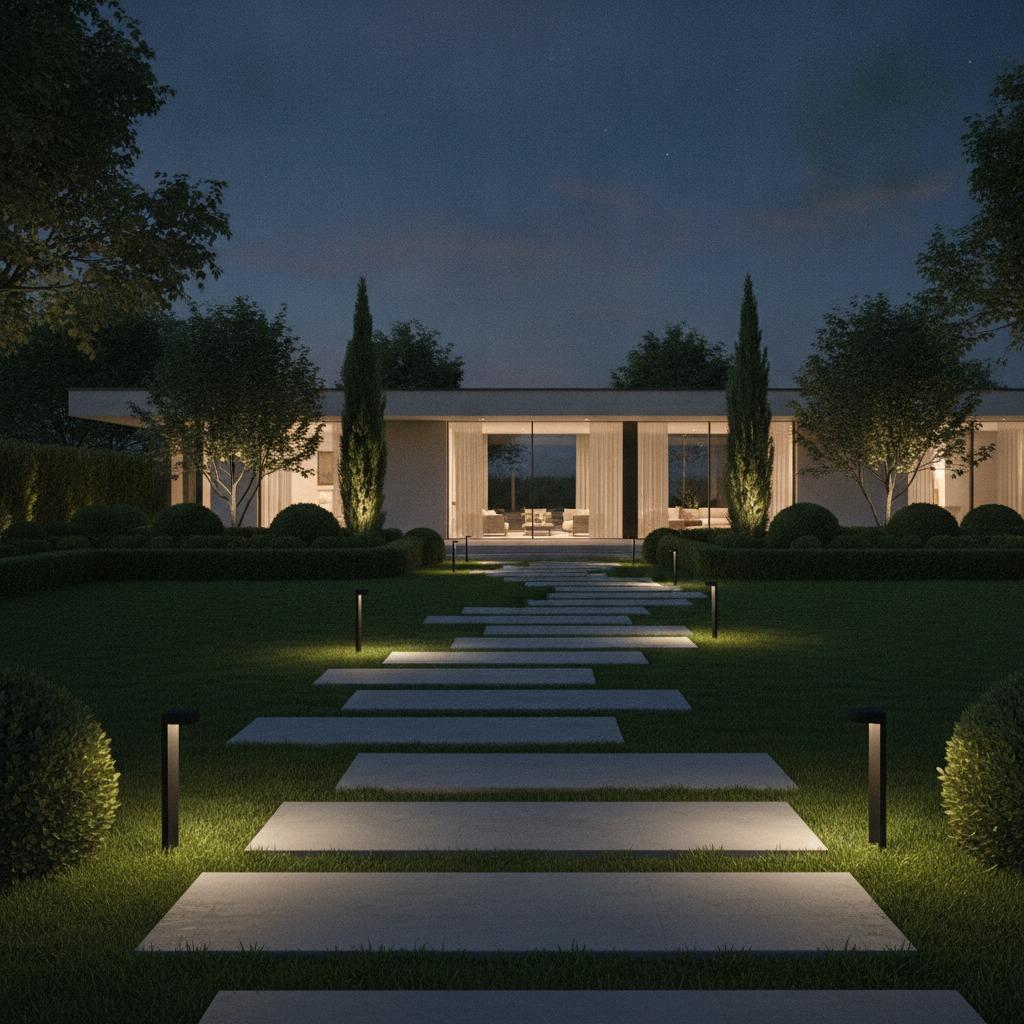
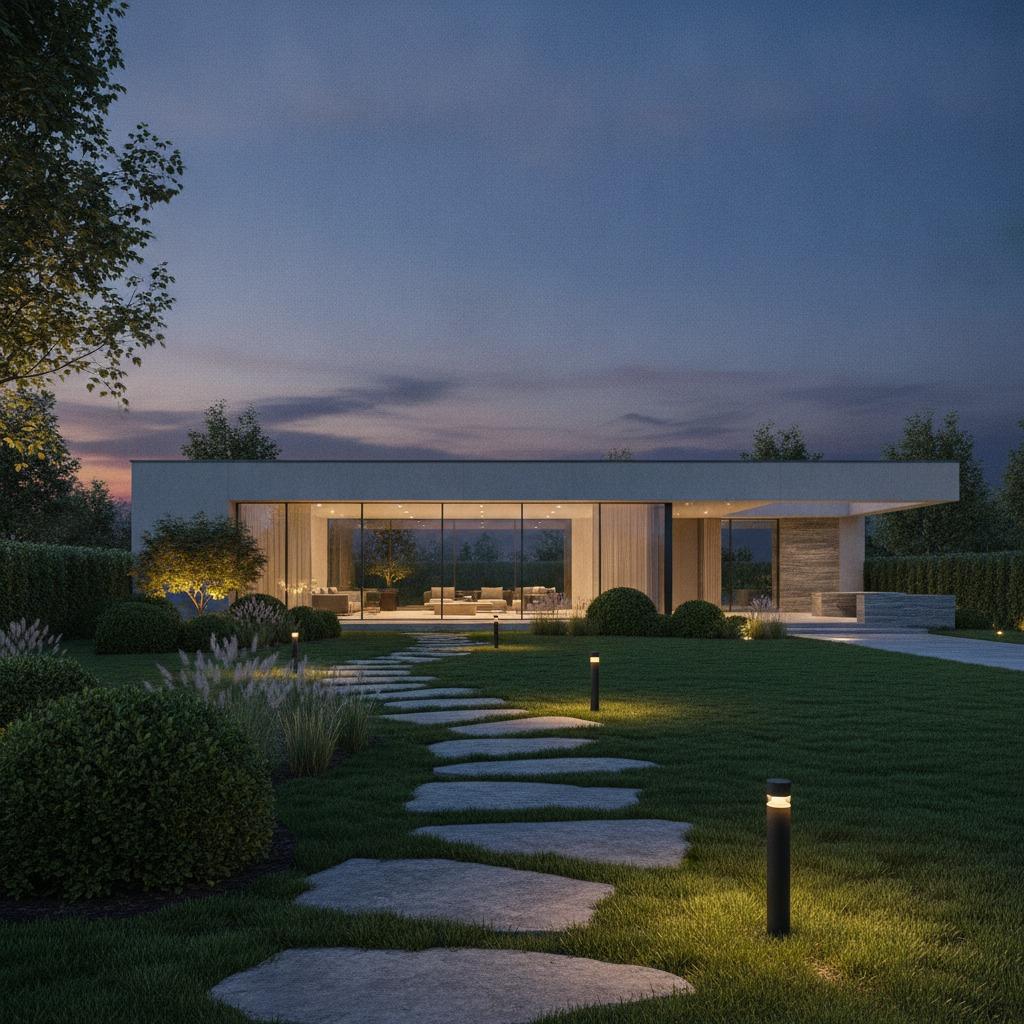
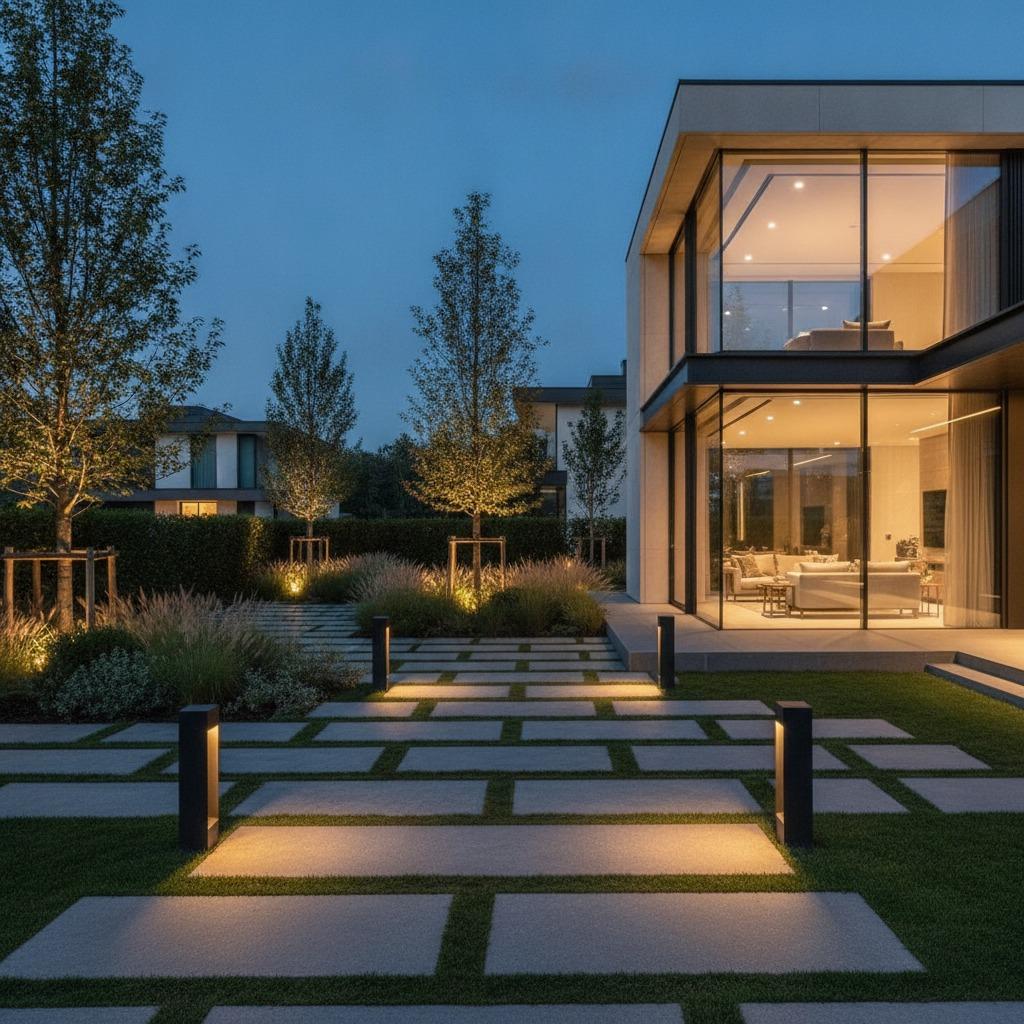
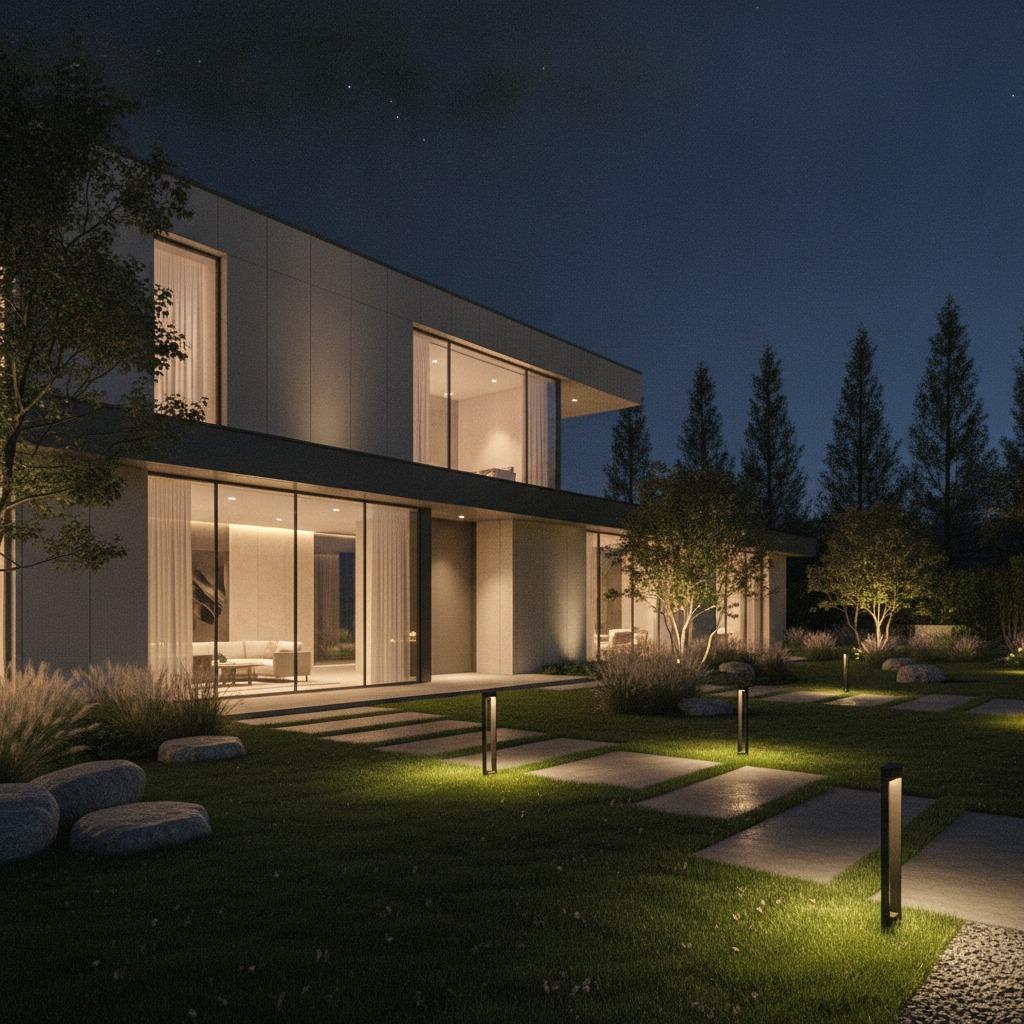
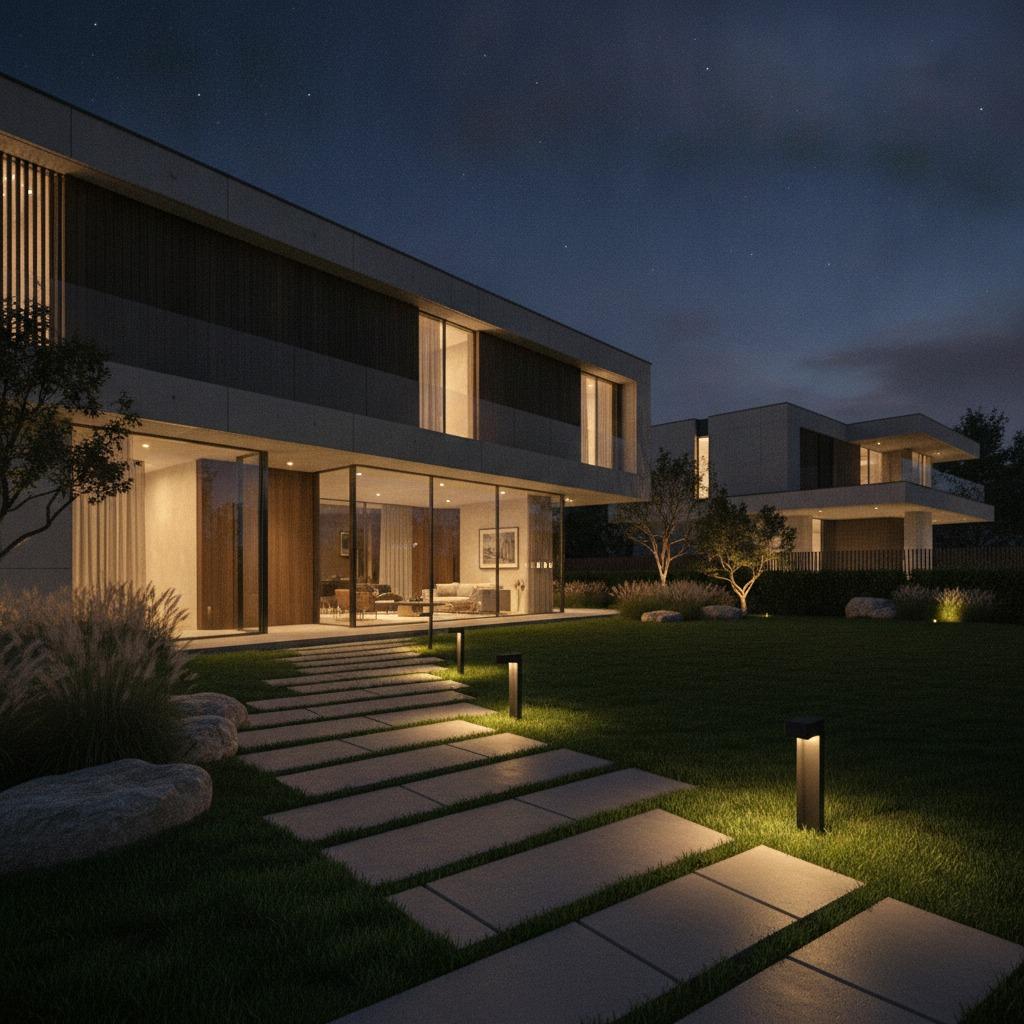
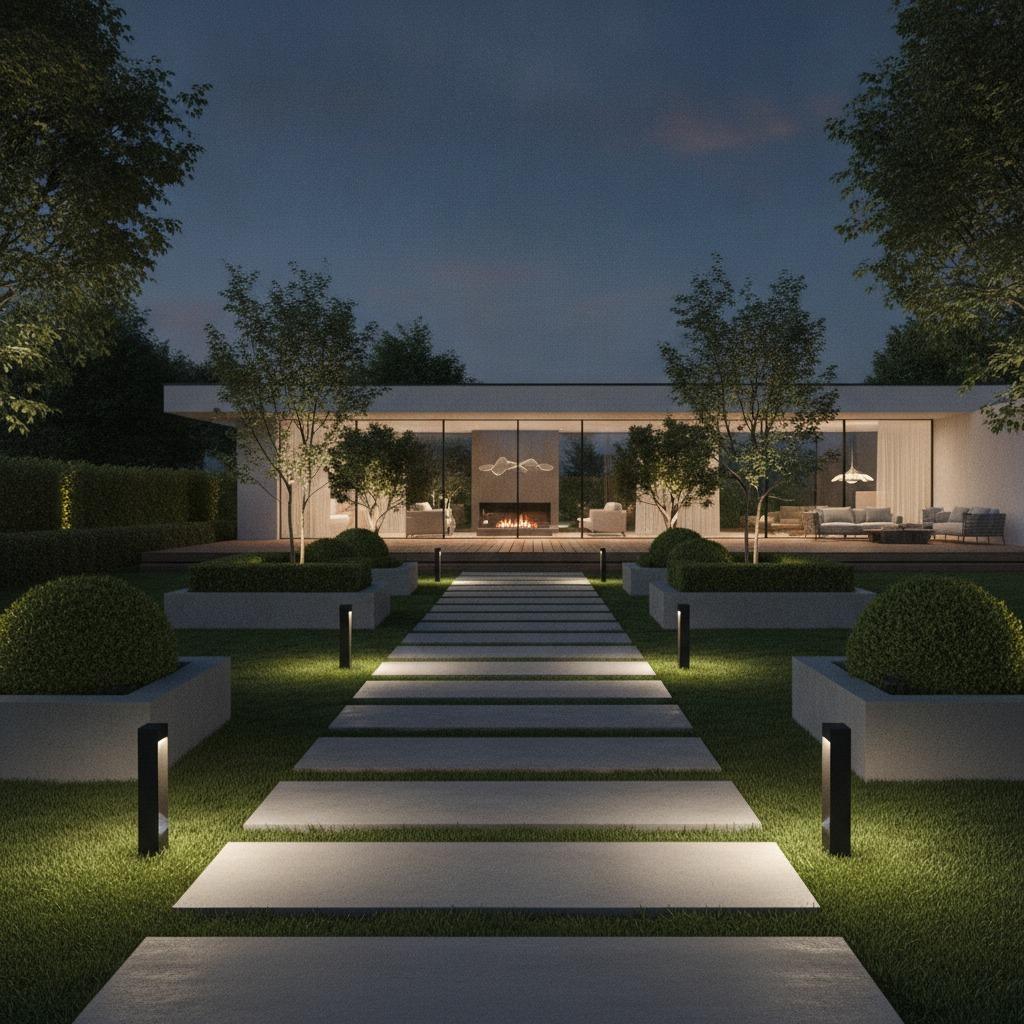
The product type in question is usually a low-profile, standalone outdoor solar pathway light or landscape bollard light. In practical terms, it is meant to mark walkways, improve nighttime visibility, define the edge of a garden bed, and provide low-level ambient lighting without trenching electrical cable. The visible format described here—a rectangular post-style body with a slanted top housing a small solar panel—fits a common mass-produced category used in residential exterior spaces.
That compact format is part of the appeal. It is easier to place in rows, easier to ship than larger hardwired fixtures, and easier for end users to understand. But compact also means compromise. There is limited room for the panel, battery, optics, and sealing features. Buyers evaluating LED Solar Lawn Lights should assume every design choice is a tradeoff between brightness, size, cost, and durability.
Manufacturer comparison: what matters more than the brochure
1. Solar collection and lighting consistency
Two products can look nearly identical and still behave very differently at night. One may gather enough charge for steady pathway lighting; another may fade early or produce uneven output after cloudy weather. When comparing Outdoor Solar Lawn Lights, ask how the manufacturer handles panel placement, angle, and integration with the body. A slanted top is often a practical sign that the panel has been positioned to catch more daylight, but that alone does not guarantee performance.
2. Housing design and outdoor resilience
The matte dark exterior and low-profile body suggest a fixture intended to blend into the landscape while resisting visual wear. That is useful, but appearance should not distract from construction. Outdoor lighting lives with moisture, UV exposure, dirt, sprinkler overspray, and temperature swings. If a supplier cannot clearly describe housing material, sealing approach, or assembly method, buyers should be cautious. The product may still be acceptable for light-duty residential use, but the risk profile changes quickly if the units are expected to work across multiple sites or seasons.
3. Light direction and use case fit
These fixtures appear to emit warm white light from the lower front or side area, which suits pathway definition better than broad-area illumination. That is a good match for garden borders and walkways, but not for high-output security lighting. A manufacturer worth shortlisting will be clear about application fit instead of overstating the product’s role. Path marking and ambient lighting are strengths; replacing wired floodlights is not.
How to evaluate a solar lawn light supplier without overcomplicating it
Buyers often ask for every technical detail at once—wattage, lumen output, battery capacity, ingress protection rating, sensor type, charge time, and so on. Those are all relevant, of course, but it is easy to get lost in data that may not reflect real-world use. A better comparison starts with three questions: Does the product suit the installation environment? Is the assembly repeatable enough for consistent batches? And does the supplier answer questions directly, or only with marketing language?
For sourcing managers, consistency usually matters more than a single impressive specification. A garden path with ten lights does not need one brilliant fixture and nine weak ones. It needs units that behave similarly after installation. That is where manufacturing discipline shows up: uniform assembly, stable component sourcing, and packaging that protects the lights in transit.
Common buyer mistakes
The first mistake is treating all Solar Lawn Lights as interchangeable. They are not. A decorative lawn marker, a pathway bollard, and a utility-style outdoor solar fixture may share the same basic technology, but they serve different users and weather conditions.
The second mistake is overestimating brightness from product photos. Warm white output in a clean studio shot can look more substantial than it is at dusk in a real yard. The third is ignoring serviceability. If a product appears fully sealed or fully integrated, that can be good for weather resistance, but it may also mean limited repair options later. Buyers should decide up front whether they want a replaceable component philosophy or a sealed, lower-maintenance design.
Practical buyer advice for sourcing teams
If you are selecting a Solar Lawn Light Manufacturer for retail, hospitality, or landscape projects, ask for sample units that can be tested in the actual environment, not just on a bench. A product that looks fine in a warehouse may behave differently after a week outdoors. Check how it sits on the ground, how visible it is from normal walking height, and whether the light output is directional enough to guide movement without glare.
Also consider installation behavior. The most attractive fixtures are not always the easiest to place in uneven soil, mulched beds, or narrow borders. A compact bollard-style light may be visually tidy, but only if it stays upright and stable. That is a small detail until a row of units starts leaning after the first rain.
FAQ for buyers comparing outdoor solar pathway products
Are solar lawn lights mainly decorative or functional?
Both, but usually in a limited way. They are best for orientation, edging, and ambient visibility rather than strong task lighting.
Why does manufacturer selection matter so much?
Because the visible design is only part of the product. Panel quality, battery integration, housing assembly, and outdoor consistency all affect how the light performs after installation.
What should I ask for before placing an order?
Ask for clear product specifications, sample testing, and straightforward explanations of materials and outdoor suitability. If the answers are vague, that is useful information too.
Next step for buyers
Shortlist suppliers that can explain how their LED Solar Lawn Lights are built, where they are best used, and what kind of outdoor performance buyers should realistically expect. If your project needs pathway marking, landscape definition, or low-level ambient lighting, compare samples side by side under real conditions. That usually tells you more than a polished catalog ever will.