
Why buyers keep looking for a solar lawn light manufacturer
If you are comparing a solar lawn light manufacturer, you are usually not shopping for decoration alone. You are trying to solve a practical outdoor lighting problem: mark a path, define a boundary, and do it without trenching power lines or adding another maintenance headache. That matters for landscape contractors, hospitality sites, residential developers, and sourcing teams that need repeatable fixtures rather than one-off garden ornaments.
The category is broader than it first appears. Some buyers want low-glare markers for walkways. Others need a more architectural look for entry approaches or planted edges. The common thread is simple: outdoor lighting that is easier to deploy, easier to maintain, and less visually intrusive than a full-scale pole light. A capable supplier should understand that difference. A solar garden light manufacturer may offer decorative products, but the better partner will also speak to durability, sealing, finish quality, and how the fixture behaves after months outside.
What the product actually needs to do
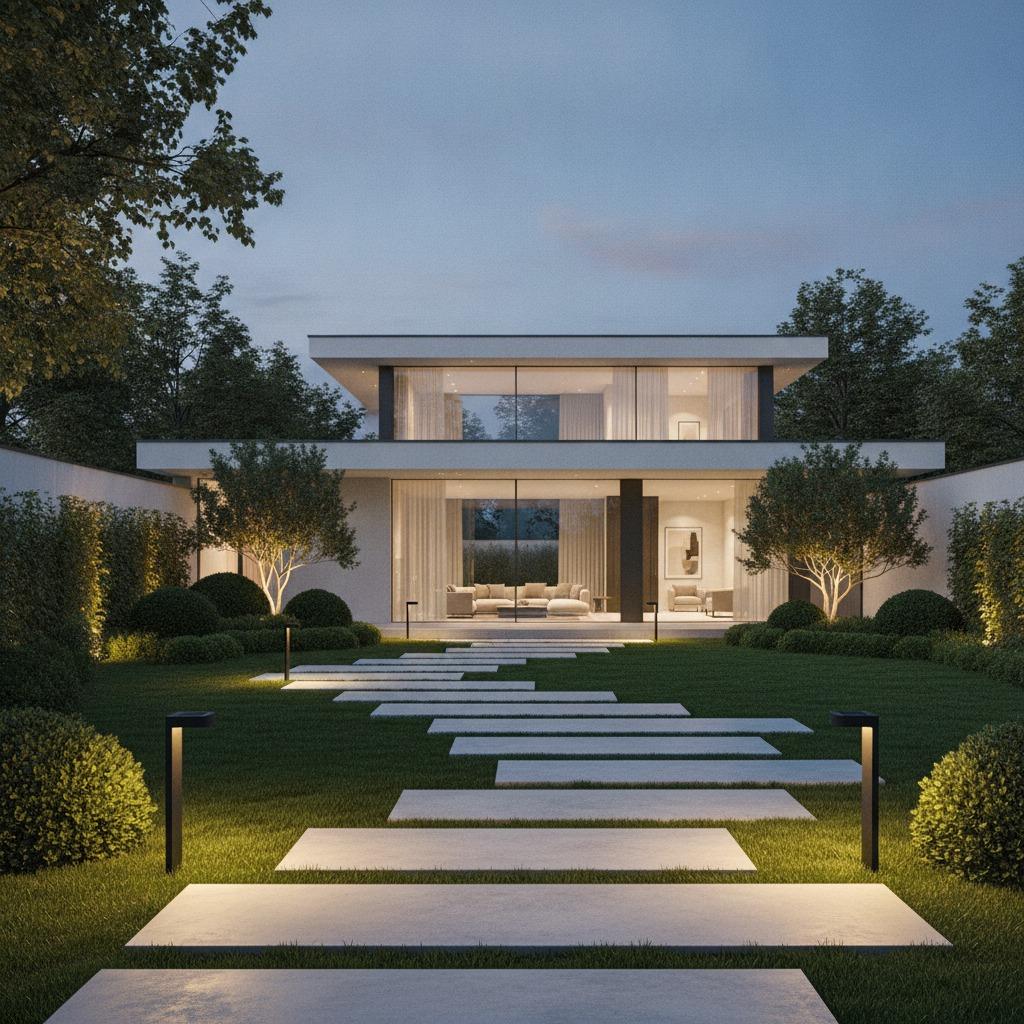
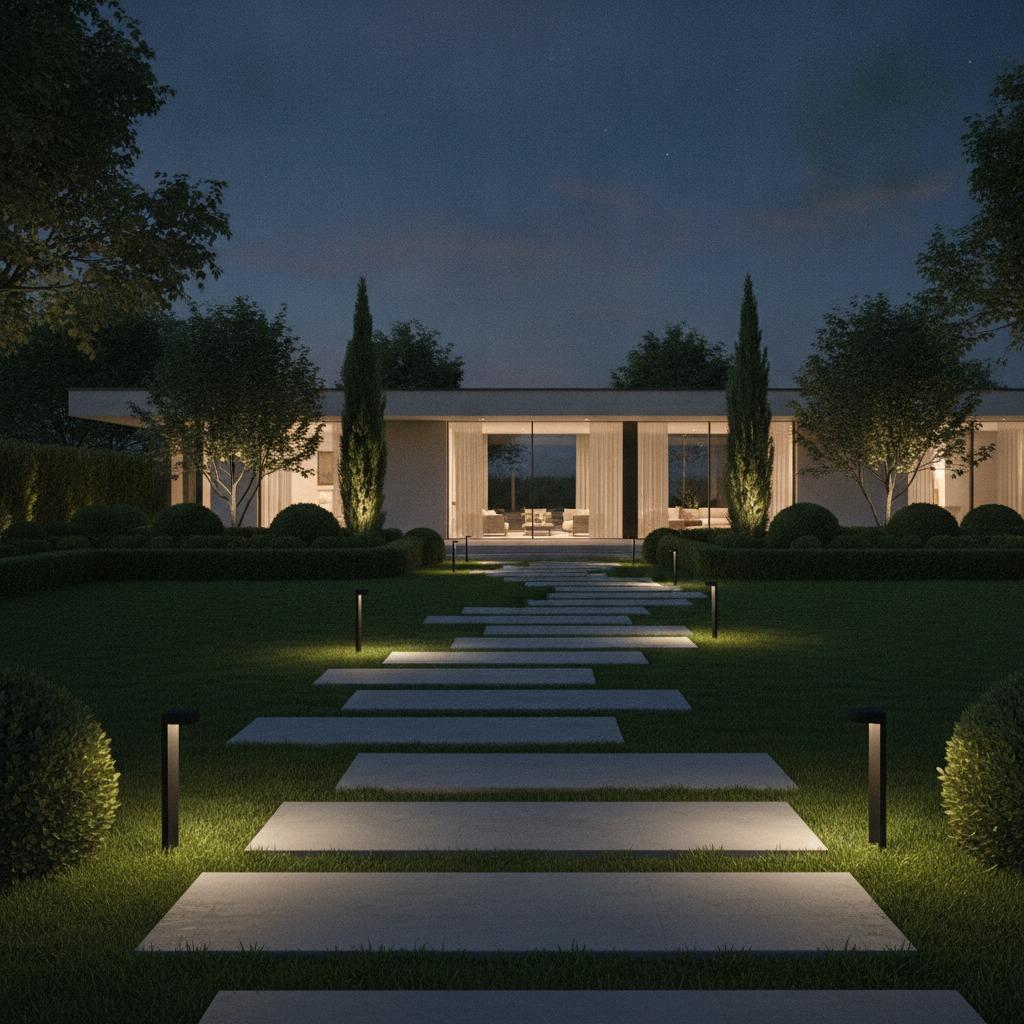
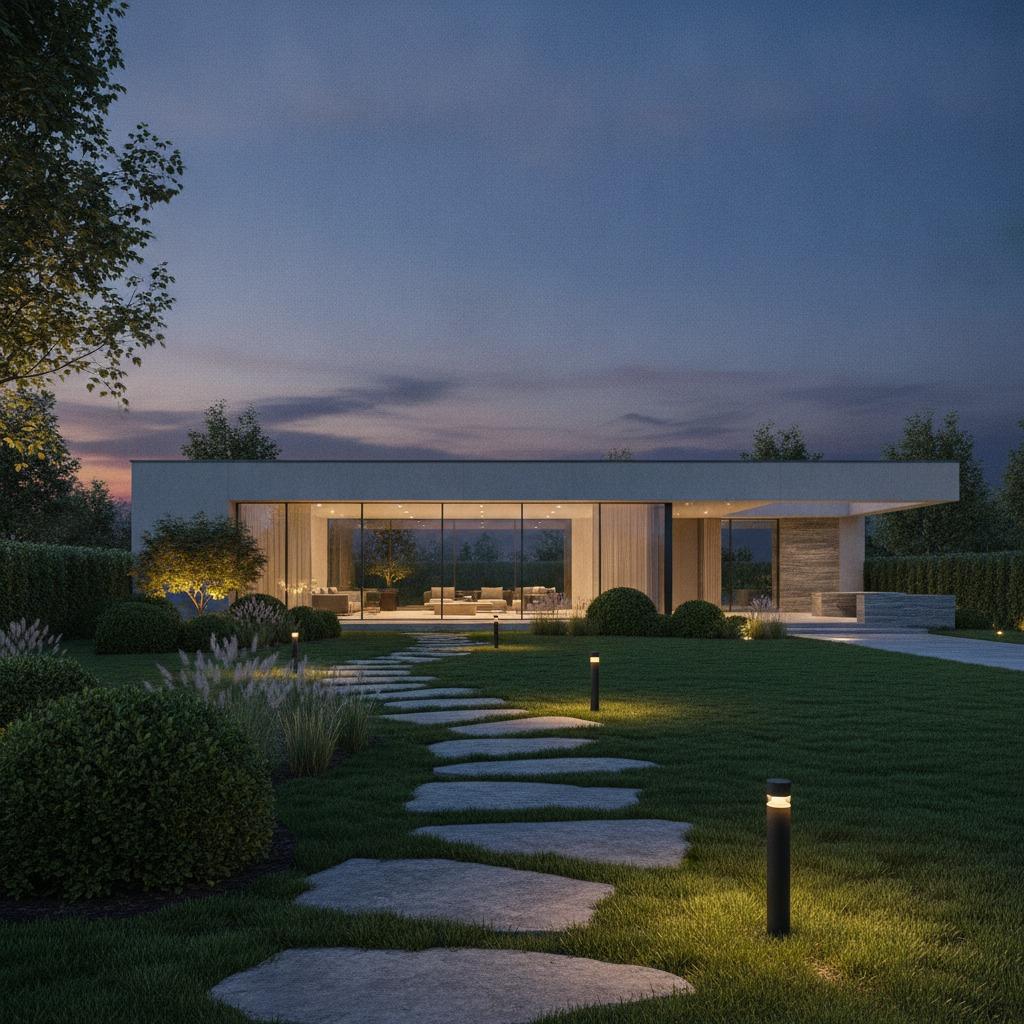
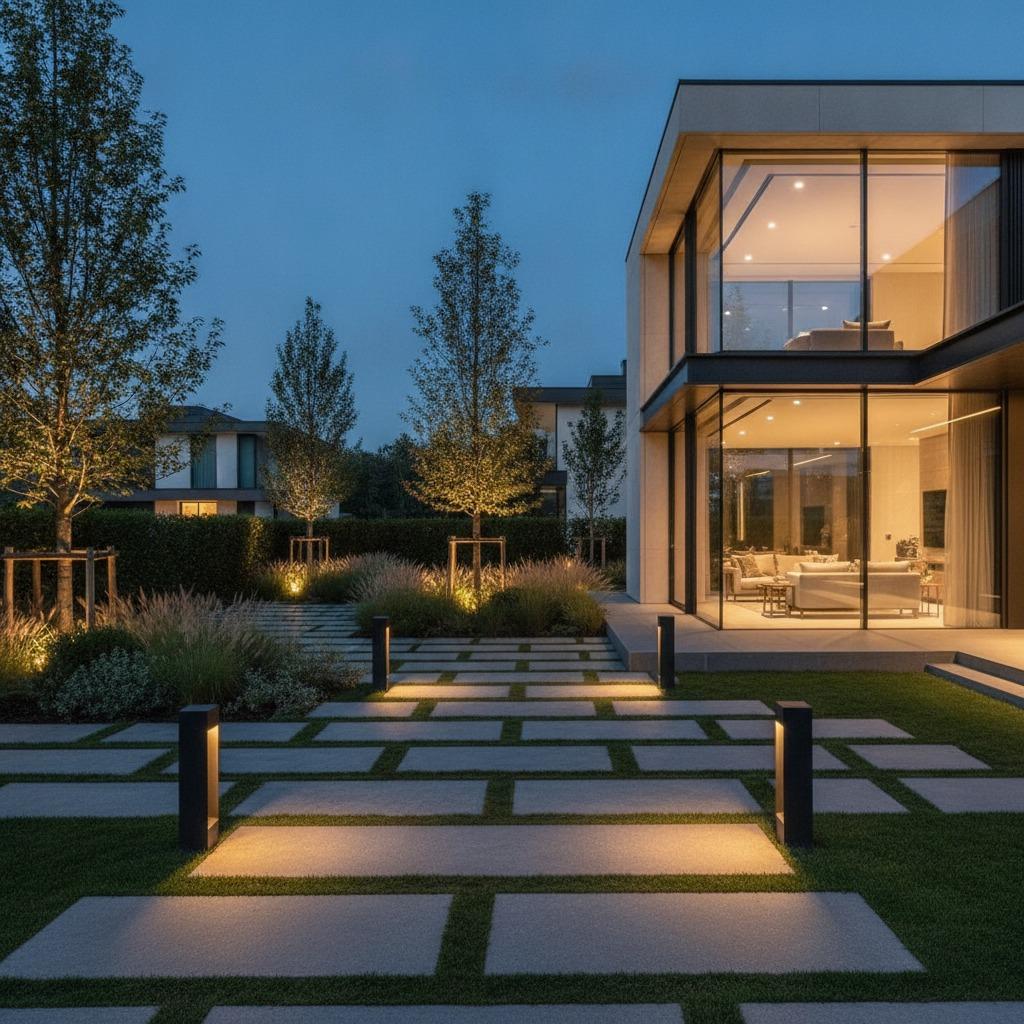
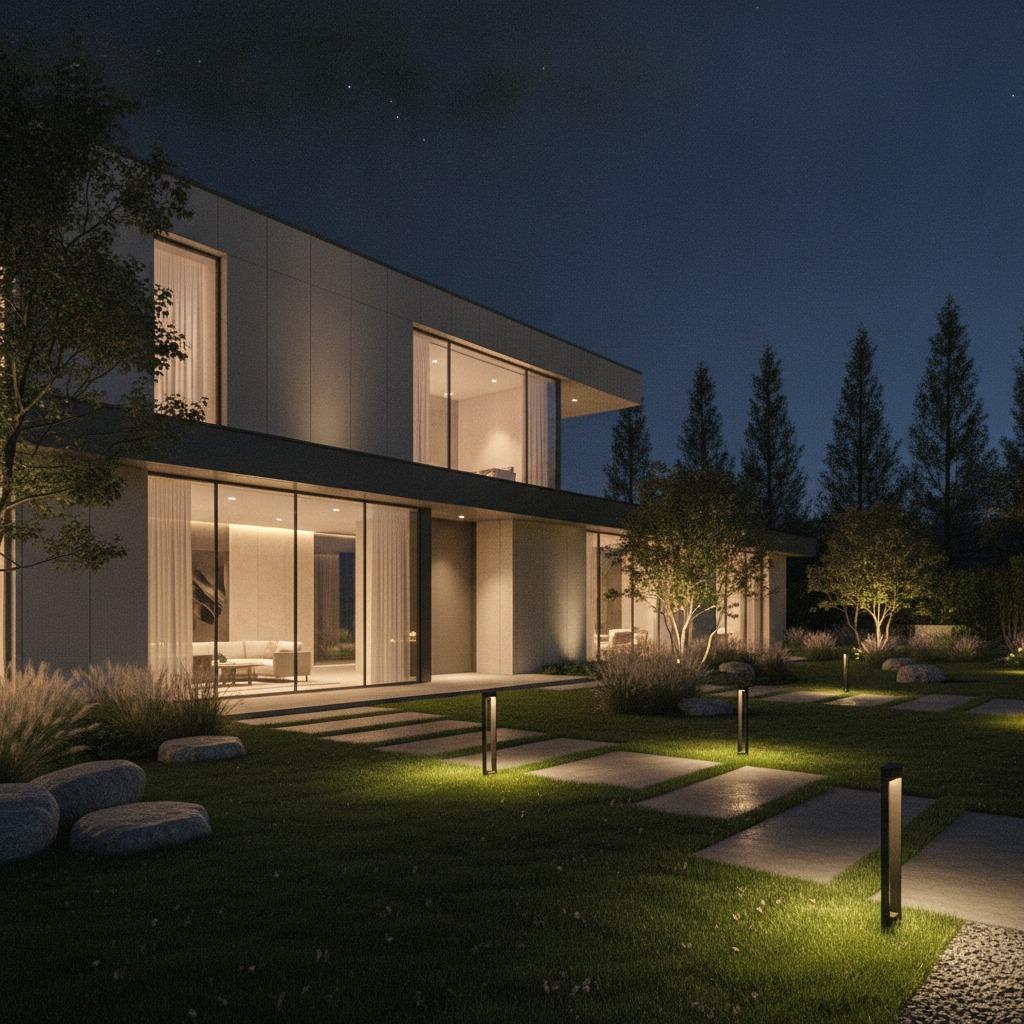
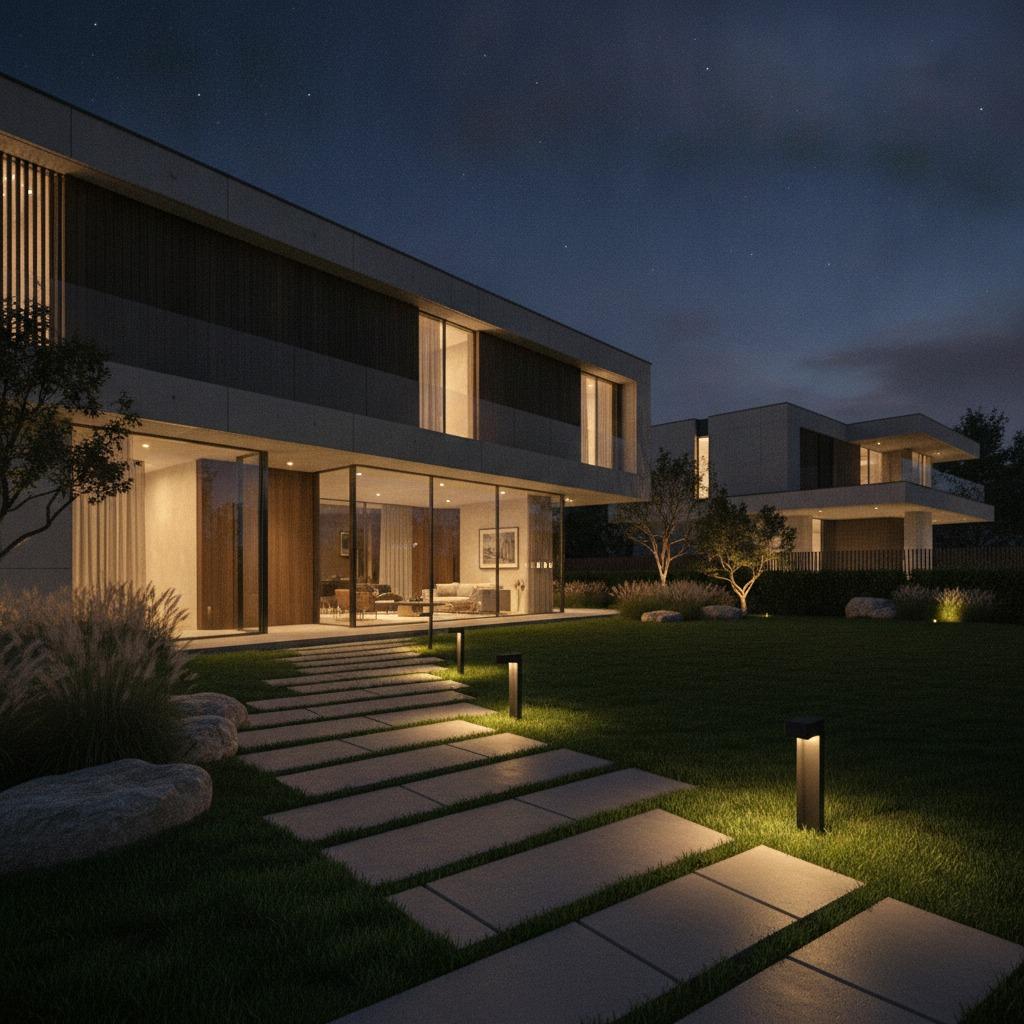
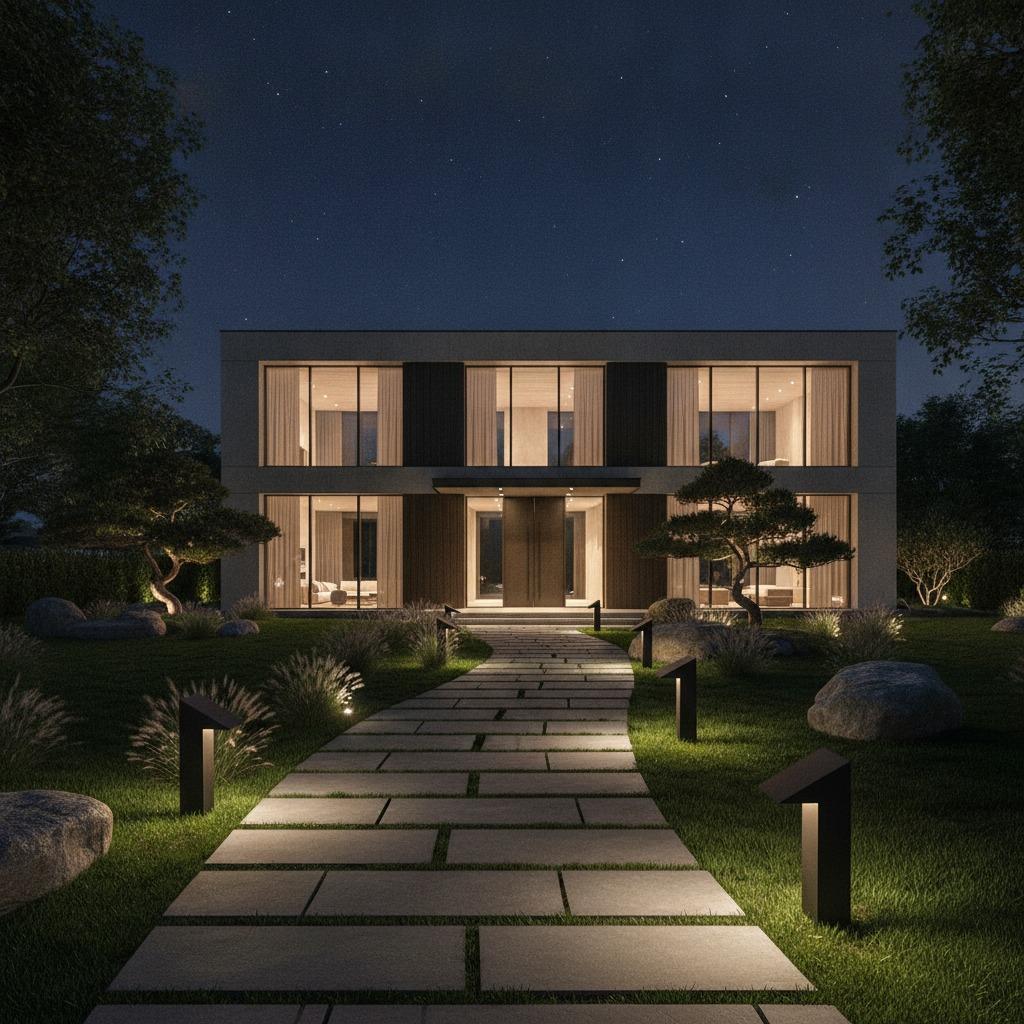
The fixture described here is a slim, upright pathway luminaire with a compact angled head and a dark matte or powder-coated finish. In plain terms, it is a bollard-style marker light designed to sit quietly in a landscape and provide directional illumination along walkways, garden paths, and entry approaches. That low-profile role is more important than it sounds. Path lighting that is too bright creates glare, while lighting that is too weak becomes little more than a decorative object after sunset.
For many projects, LED solar lawn lights are attractive because they reduce installation complexity. No trenching, no transformer planning in the simplest cases, and less disruption to finished landscaping. But this convenience only works if the supplier has paid attention to the details that outdoor buyers actually feel later: weather sealing, finish resistance, structural stability, and consistency from one unit to the next.
Quick buyer comparison: what to ask before you place an order
Not every outdoor solar lawn lights supplier is suitable for every application. The first question is whether the fixture is meant for decorative accent use or functional path marking. That answer changes everything else, from optics to mounting to service expectations. Buyers should also ask whether the product is truly designed for long-term outdoor use, not just initial visual appeal.
Useful checks include the housing material, coating method, lens protection, and how the integrated light source is assembled into the top section. The visible design here suggests metal fabrication, likely aluminum or steel, with a sealed lighting head. That is a good starting point, but buyers should still confirm the exact build specification before treating it as a durable site fixture.
Design features that matter in real outdoor projects
Low glare is not a luxury
A path light that throws harsh light sideways can be annoying for guests and users, especially along residential gardens or hospitality walkways. The slim vertical form and angled top housing suggest a more controlled light direction, which is what most landscape teams want. In practice, that means the fixture should guide movement without turning the path into a bright strip.
Finish quality affects more than appearance
Outdoor fixtures live or die by coating quality. A dark matte or powder-coated surface can support a clean architectural look, but it also needs to withstand weather, handling, and regular cleaning. Scratches, fading, and corrosion often show up first in lower-grade products, and once they do, the whole installation can look tired well before its time.
Form factor should fit the site, not fight it
The rectangular post and minimal geometry make this style suitable for modern landscapes, commercial grounds, and residential edges where the lighting should blend in. That is a useful advantage. The wrong fixture can overwhelm planting beds or compete with paving materials. A restrained design usually ages better.
Common mistakes buyers make
One common mistake is choosing based on appearance alone. Another is assuming all solar garden light manufacturer offerings are built to the same standard. They are not. Some products are fine for temporary decorative use but not for repeated outdoor exposure. Another frequent issue is failing to confirm how the unit is maintained once installed. If access for cleaning or battery service is awkward, even a good-looking product becomes a nuisance.
There is also a procurement trap: mixing decorative lawn lights and functional path lights in the same spec sheet. They may look similar in a catalog, but their performance expectations differ. Buyers should separate “atmosphere” lighting from “navigation” lighting before they ask for pricing or samples.
Practical selection advice for sourcing teams
If you are evaluating a solar lawn light manufacturer, request clear product documentation and photographs of the fixture in installed settings. Look for evidence of consistent assembly, a weather-sealed head, and a coating that suits exterior use. For project work, it is worth asking whether the design can be repeated reliably across larger orders, because landscape projects tend to expose variation quickly.
For contractors and product teams, the safest approach is to define the use case first: residential edging, commercial walkway marking, or hospitality landscaping. Then match the fixture style to the site. A low-profile upright marker like this can be a strong choice when the goal is simple, controlled path illumination with a clean visual profile. If the project needs decorative sparkle instead, a different solar lawn light manufacturer may be the better fit.
FAQ
Are these fixtures only for lawns?
No. They are often used for walkways, garden paths, entry approaches, and landscaped edges where low-height illumination is preferred.
Can a solar garden light manufacturer supply commercial projects?
Sometimes, but buyers should verify whether the fixture design, material quality, and assembly method suit commercial exterior use rather than just light decorative duty.
What should I confirm before ordering LED solar lawn lights?
Confirm outdoor suitability, construction details, finish, sealing approach, and whether the light output matches the site’s need for safe path marking.
Next step
If you are sourcing outdoor solar lawn lights for a project, start with the application, not the catalog photo. Ask for build details, installation context, and consistency across the range. A well-chosen fixture can improve a site quietly for years. A poorly chosen one becomes a maintenance item almost immediately.