
What buyers really need from a solar lawn light manufacturer
Choosing a solar lawn light manufacturer is rarely just a matter of picking the prettiest fixture in a catalog. For engineers, sourcing managers, and product teams, the real question is whether the light will do three things reliably: mark a path, survive weather, and keep installation simple enough that crews do not spend extra time on site. That is especially true for low-level outdoor path lighting, where the product has to work in the dark, in rain, and often in a mixed residential or commercial landscape where maintenance access is limited.
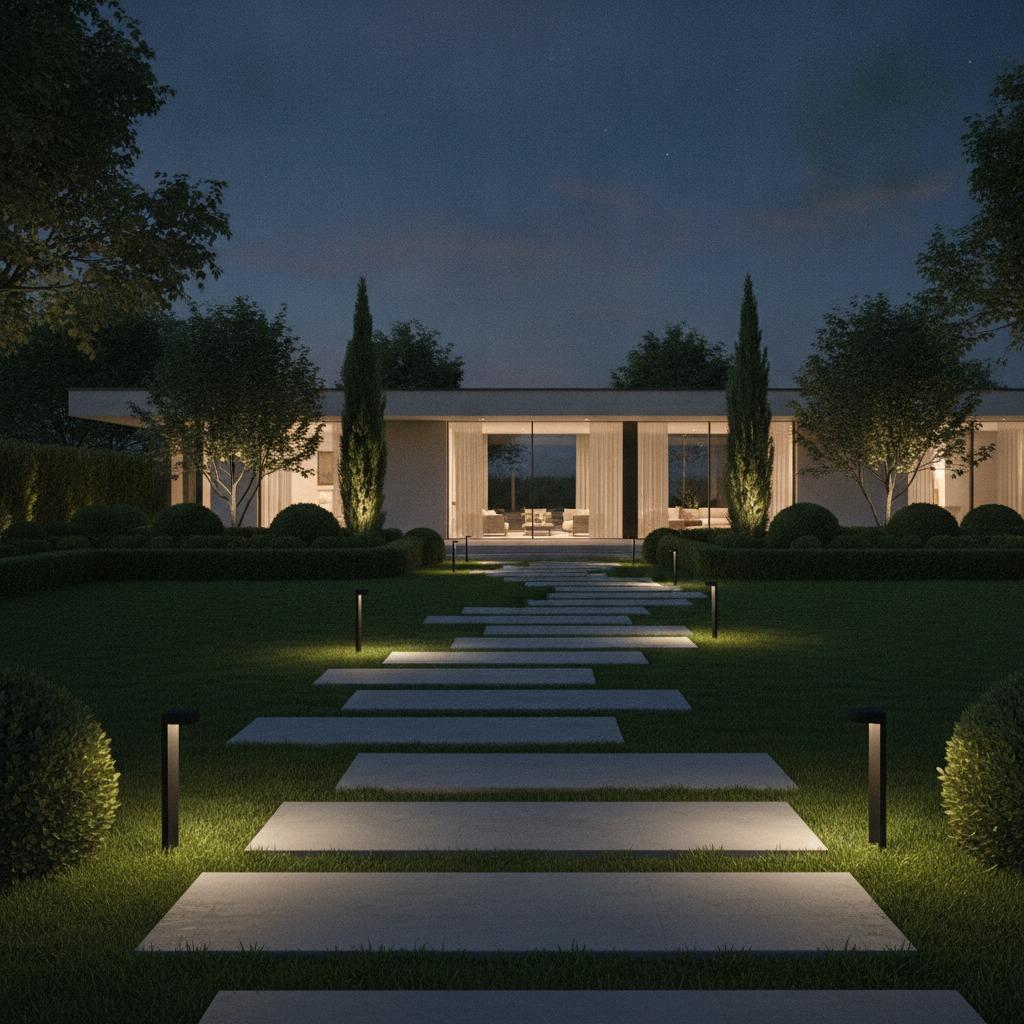
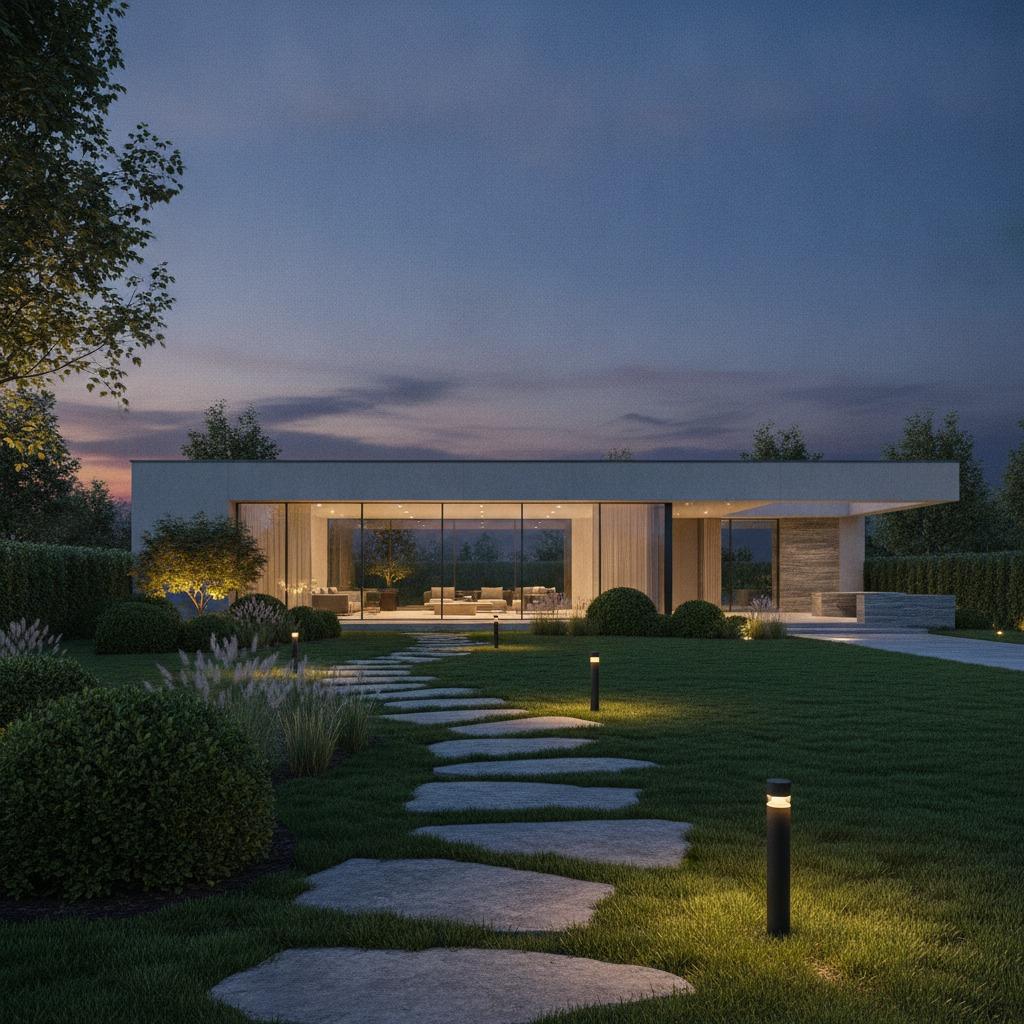
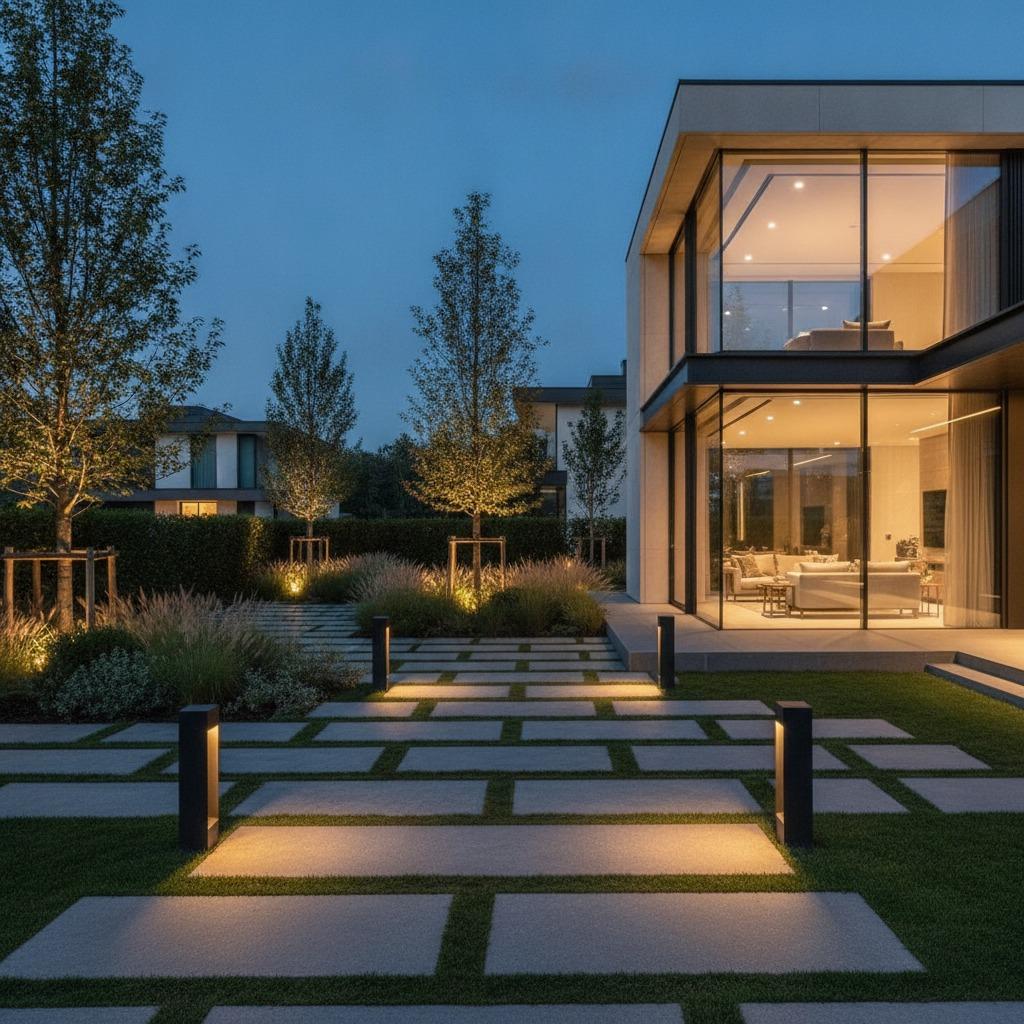
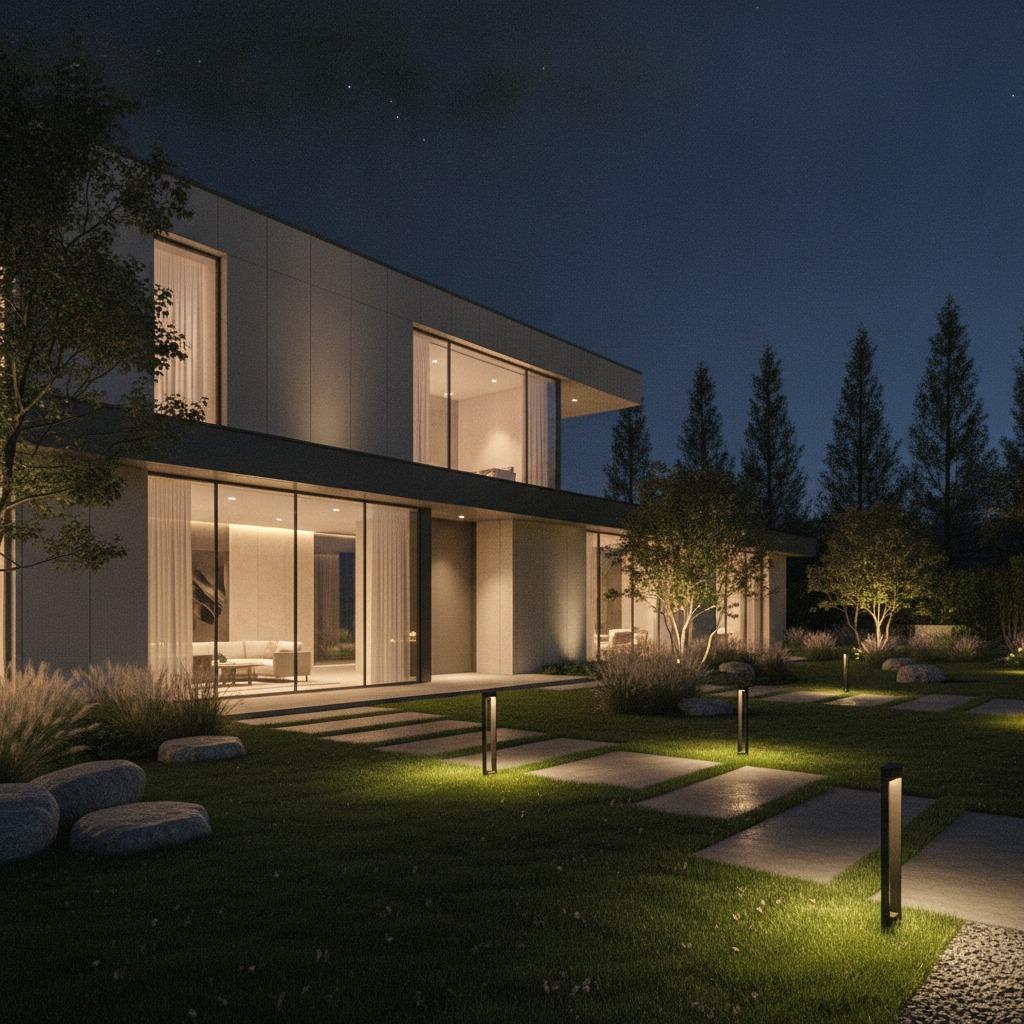
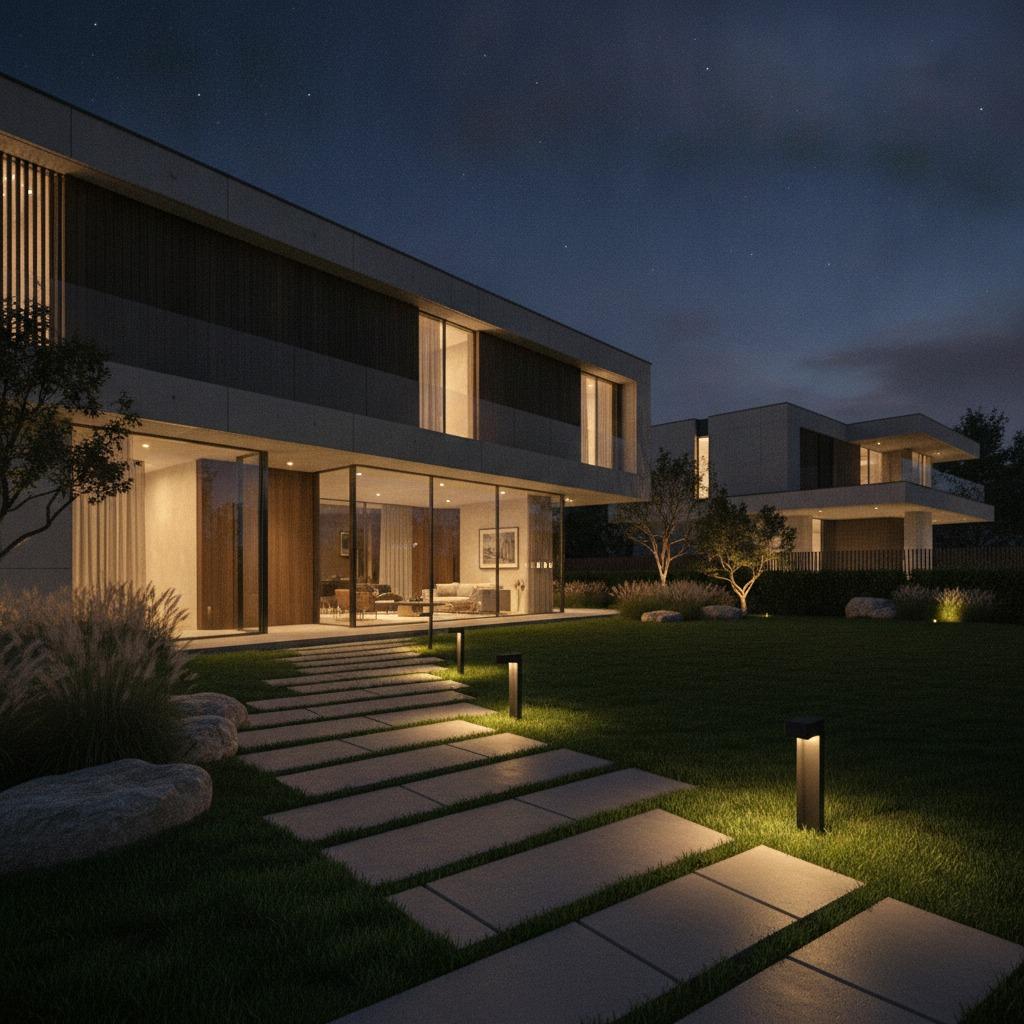
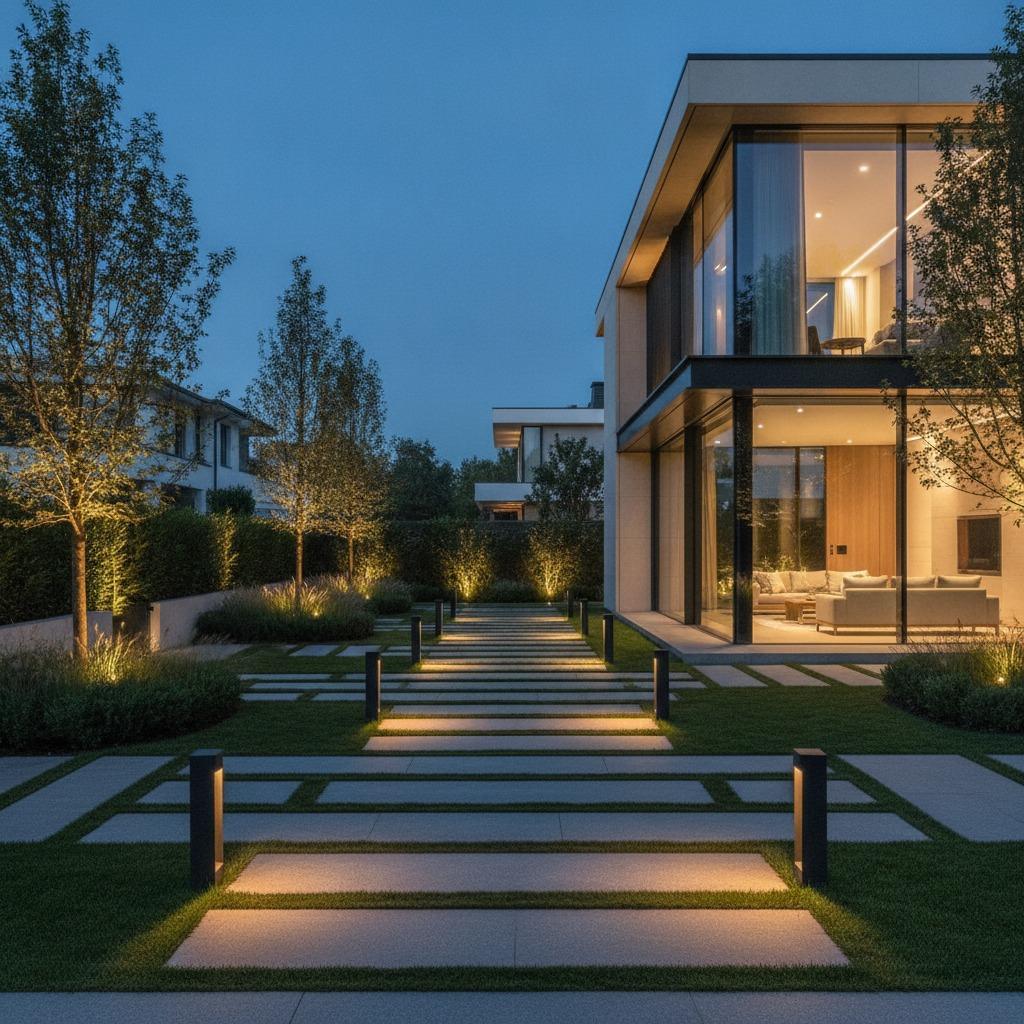
The fixtures in this category are usually slim bollard-style or post-style lights. In practical use, they are placed along garden edges, driveways, walkways, patio borders, or hotel exterior paths to provide orientation lighting and a bit of accent. The point is not to flood an area with brightness. It is to create enough visibility that people can walk confidently without installing overhead poles or wired luminaires. For many projects, that small difference changes the whole lighting plan.
Why solar path lighting keeps showing up in projects
A solar lighting system is attractive because it reduces trenching, cabling, and the coordination headaches that come with wired outdoor fixtures. That matters in finished landscapes, retrofit work, and locations where digging is either expensive or simply not welcome. When buyers compare an outdoor solar light supplier with a conventional outdoor lighting source, the solar option often wins on installation speed and placement flexibility.
There is a caution, though: solar lighting is not a substitute for every exterior lighting task. If the job calls for high illumination, long operating hours in shaded areas, or tightly controlled light output, a basic solar unit may not be the best answer. A good purchasing decision starts by matching the product to the job rather than the other way around.
What the visible product tells us
The product described here appears to be a slim rectangular post light with a dark matte finish, a flat top, and a compact boxy silhouette. The illuminated area is positioned near the upper section, which is typical of pathway and landscape fixtures designed to cast low-level light outward rather than downward from a tall pole. That profile usually blends well into planted areas and hardscape edges.
The supplied features indicate solar powered, IP65 waterproof, energy saving, easy installation, and durable construction. Those are all the right words for this product category, but buyers should still ask how those claims are supported in the actual build. For example, “IP65” suggests dust protection and resistance to water jets, which is useful for outdoor use, but it does not tell you everything about long-term exposure, connector quality, or finish durability. In outdoor lighting, the small weak point is often not the lamp body but the seal, fastener, or battery compartment.
Selection criteria that matter more than the brochure
When evaluating a solar garden light manufacturer, look beyond the headline feature list and ask how the product will behave after a season of weather.
1. Mounting and installation logic
Easy installation sounds simple, but buyers should confirm what that means. Is the fixture spike-mounted, surface-mounted, or designed for a fixed base? Different sites need different methods. A walkway in a hotel garden may need a more secure base than a soft-soil residential path.
2. Weather resistance and housing durability
For outdoor path lights, the housing must handle sun, rain, cleaning, and repeated temperature swings. A dark matte finish can look clean and modern, but only if it resists fading and surface wear. Buyers should also confirm whether the internal LED module and power components are serviceable or sealed.
3. Lighting purpose
Do not confuse accent lighting with safety lighting. A decorative bollard may be excellent for defining edges and improving nighttime orientation, yet still be too subtle for a steep driveway or a high-traffic commercial route.
Common mistakes in sourcing solar exterior lights
One common mistake is buying purely on appearance. A slim profile and neat finish matter, but they do not guarantee useful output or stable performance. Another mistake is assuming all solar units behave the same. Shade, mounting height, and spacing can make a large difference in the final result, especially along a long path.
A second pitfall is ignoring maintenance. Even energy-saving products need occasional cleaning and inspection. Dirt on the top surface, whether it houses the solar element or simply protects the fixture, can reduce performance. That sounds obvious, but in field use it is often missed until the first complaint arrives.
How to talk with a manufacturer before you place an order
A serious buyer should ask for the manufacturing details that are still missing from the product image: housing material, internal components, control method, battery arrangement, mounting method, and whether the unit is truly solar in every configuration. If your project depends on uniform lighting across a site, ask for consistency between samples and production units.
If you are comparing a solar lawn light manufacturer to a solar garden light manufacturer, the difference may be less about the label and more about the exact application focus. “Lawn,” “garden,” and “path” lights often overlap, but the installation environment changes everything. Soil, paving, exposure, and service access all matter.
Practical takeaway for buyers
For walkways, landscape edges, hotel paths, and residential exteriors, this type of solar post light can be a smart fit when the goal is simple nighttime orientation with minimal wiring. The right supplier should be able to explain construction, waterproofing, installation, and expected use conditions without overpromising on unseen specs.
If you are sourcing for a project, start with the application, not the catalog. Then confirm the fixture shape, outdoor protection, and mounting approach before you commit to volume.
FAQ
Are these lights suitable for commercial exterior paths?
Yes, if the lighting task is low-level guidance or edge marking. For more demanding circulation areas, confirm spacing and performance first.
Is IP65 enough for outdoor use?
It is a solid starting point for weather exposure, but buyers should still review the full build quality and maintenance plan.
What should I request from an outdoor solar light supplier?
Ask for material details, installation method, solar and battery configuration, and sample performance under your site conditions.
Next step
If you are shortlisting a solar lawn light manufacturer for a walkway or landscape project, compare the real installation environment, not just the fixture photo. The best product is the one that matches the site, survives the weather, and stays easy to live with after the first month of use.