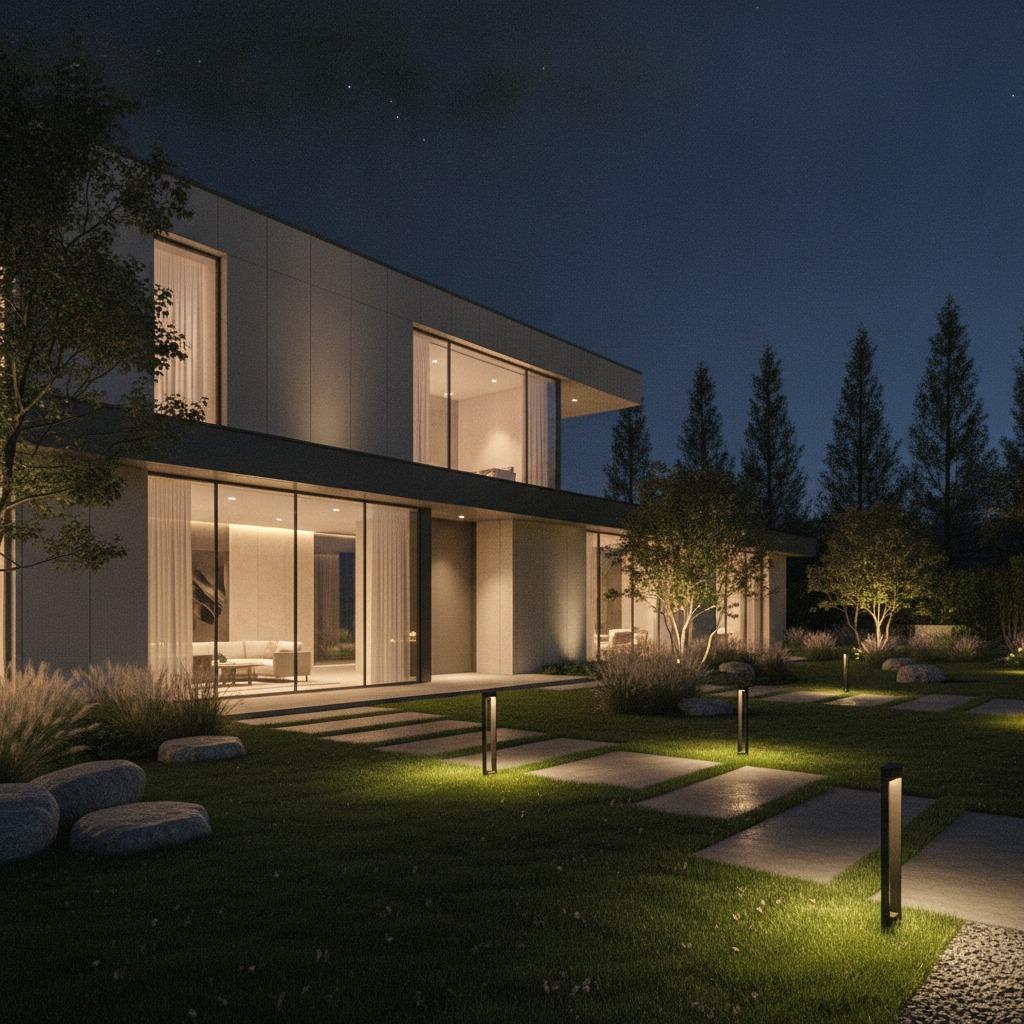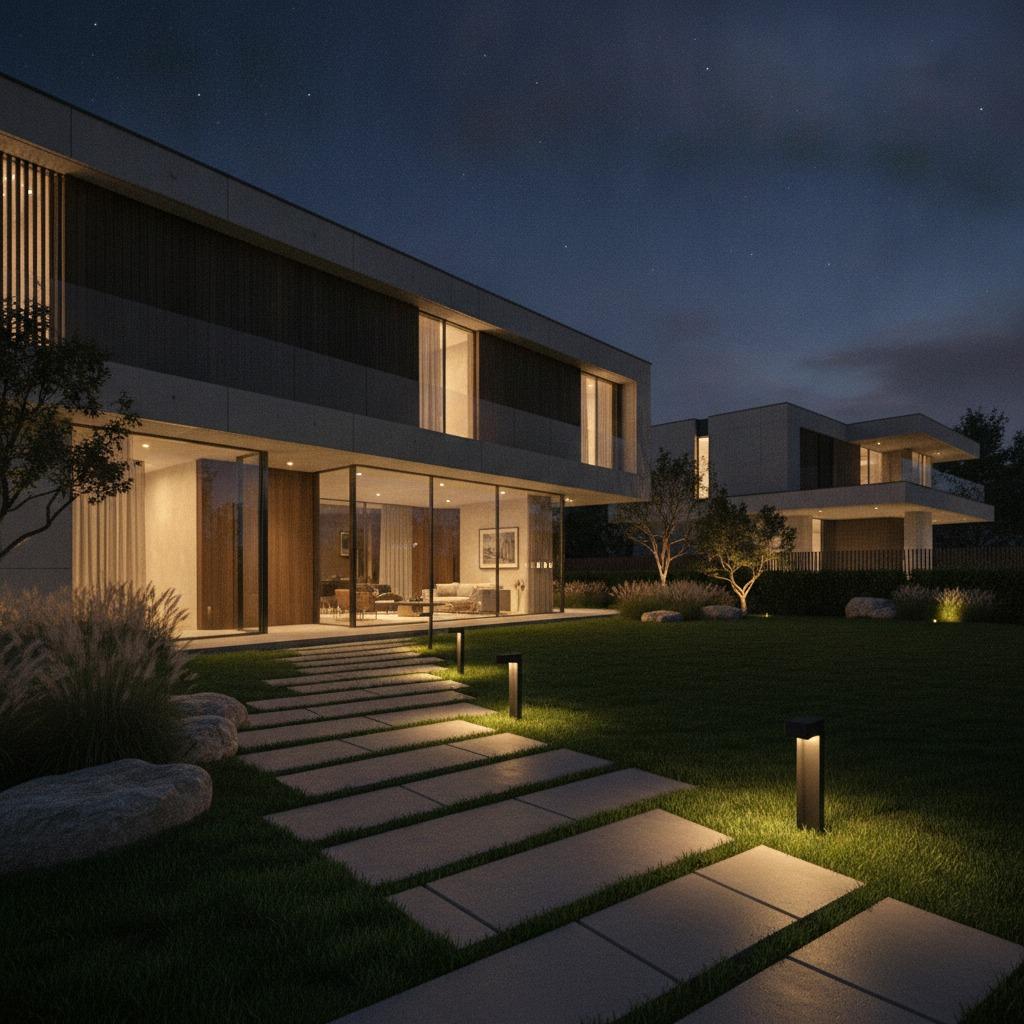

Why the Right Solar Lawn Lighting Supplier Matters
If you are sourcing a solar lawn light manufacturer, you are usually not just buying a lamp. You are buying a predictable exterior lighting solution that has to survive weather, sit neatly in landscape architecture, and still make paths feel safe after dark. For engineers, sourcing managers, and product teams, that means the supplier choice affects more than appearance. It affects installation behavior, maintenance burden, and how often a project gets called back for avoidable issues.
That is especially true for outdoor path lights and landscape bollard lights. These products do a quiet job, but the design details matter: light direction, housing durability, finish quality, and how consistently units can be installed in a row. A good supplier understands that a walkway light is both a functional fixture and a visual line in the landscape. A weak one treats it as a commodity.
What These Lights Are Designed to Do
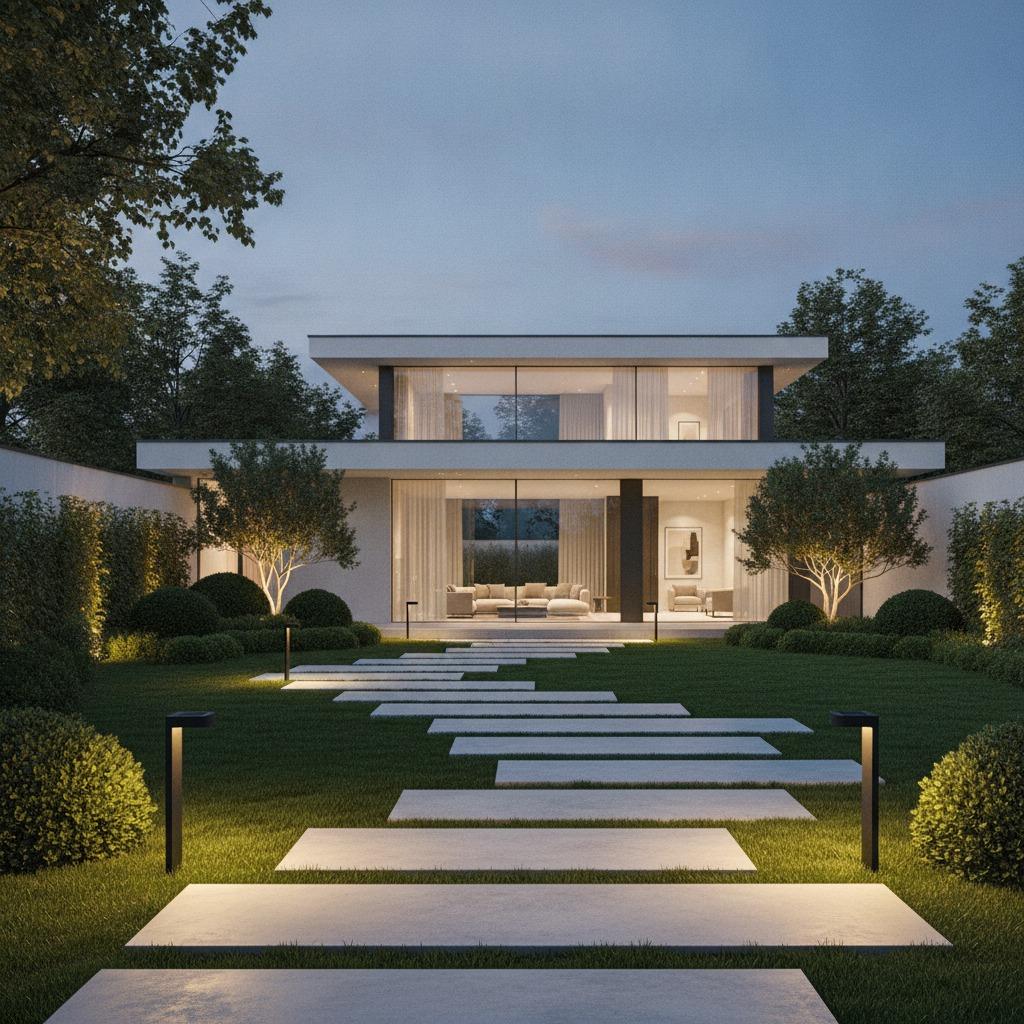
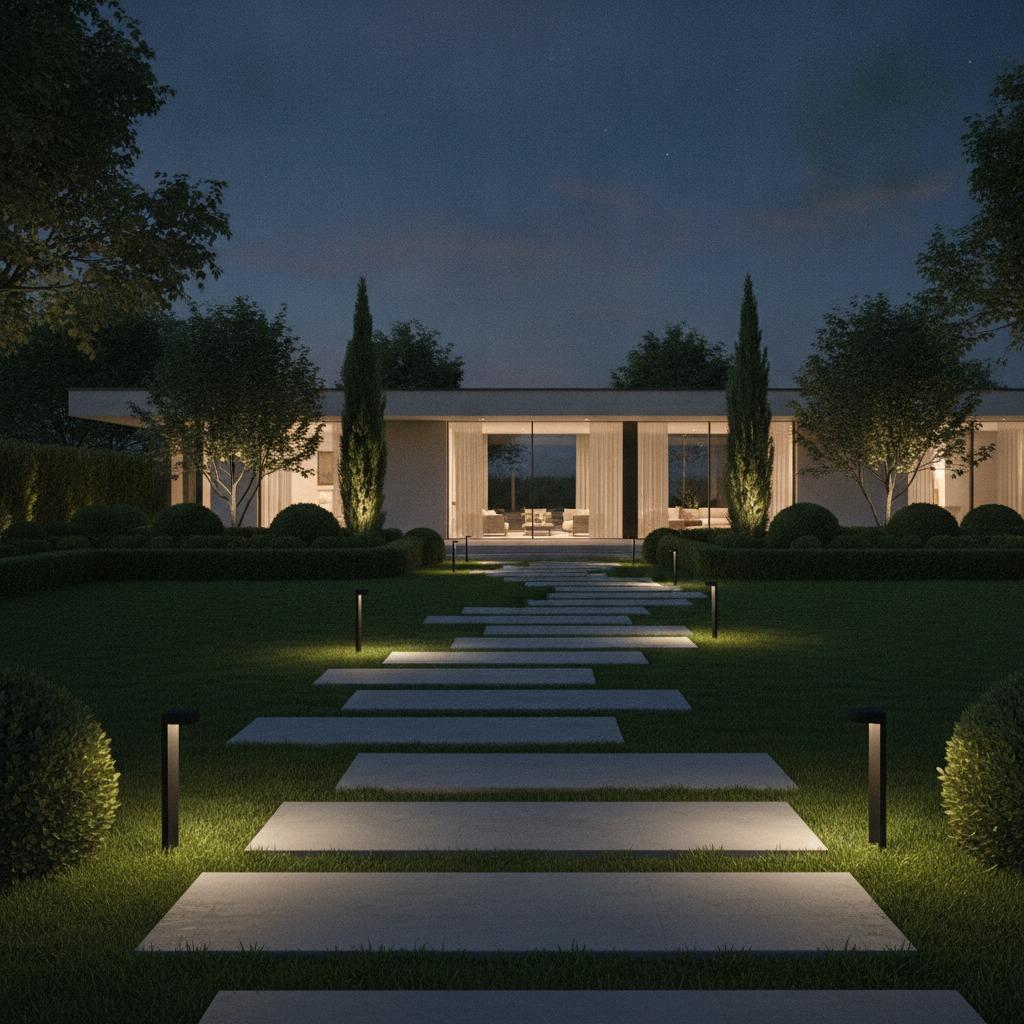
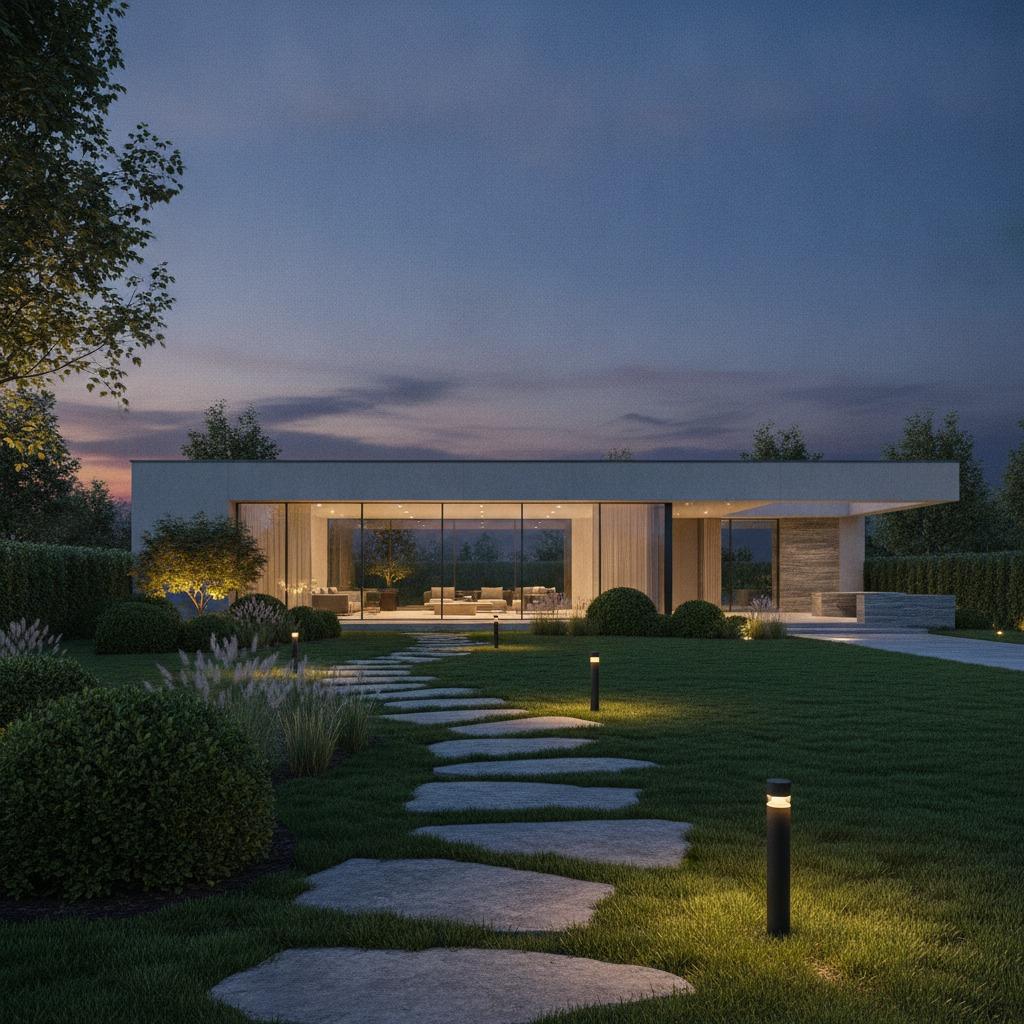
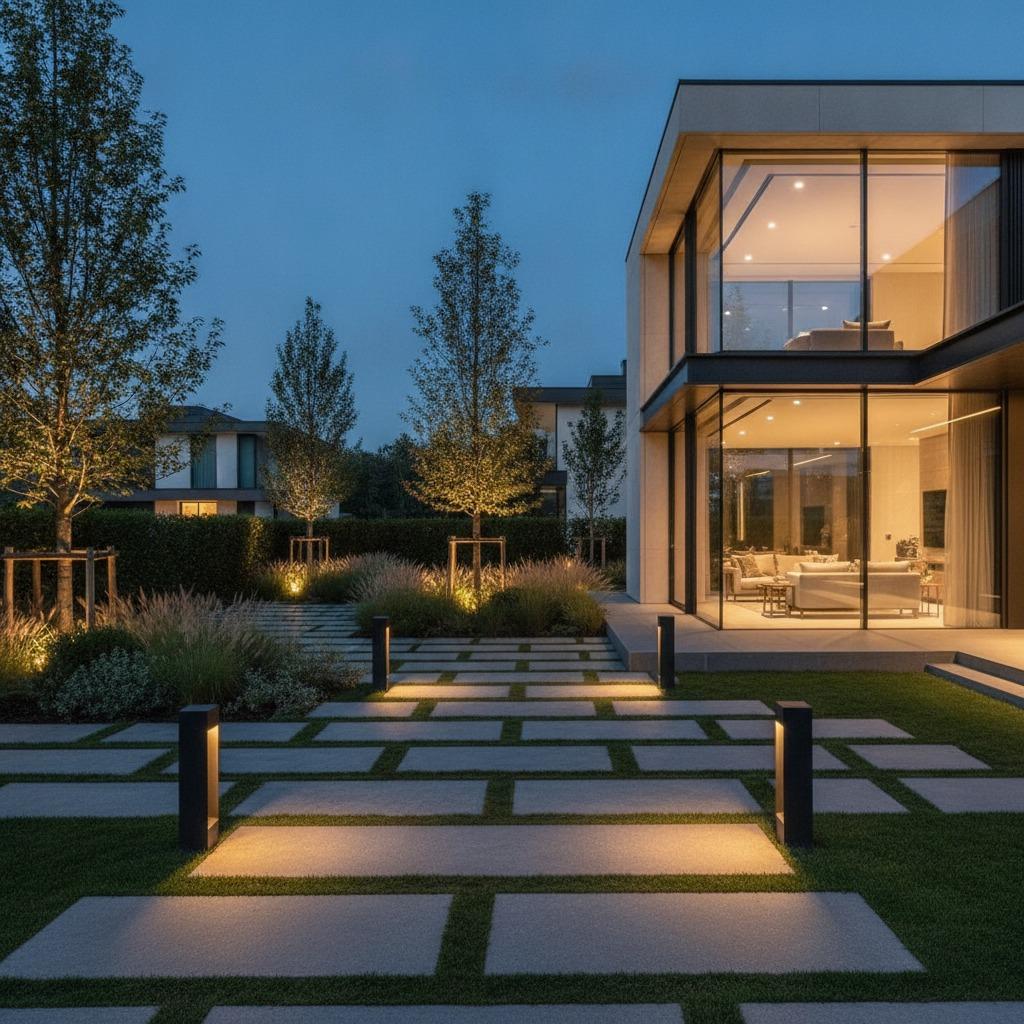
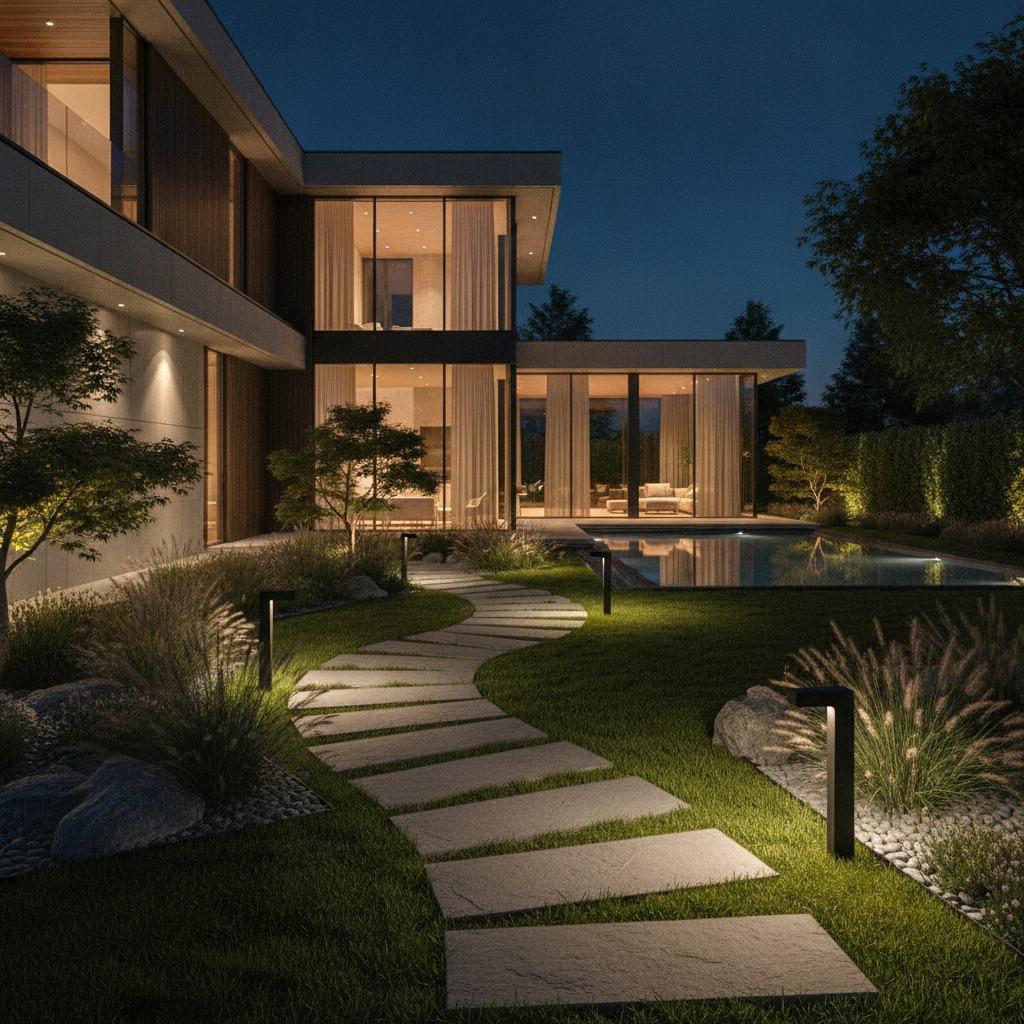
The visible product type here is a low-profile outdoor path light, sometimes grouped with landscape bollard lights. It is meant for walkways, garden paths, driveway edges, hotel grounds, office landscapes, and residential front yards. The form is practical: a slim vertical post, a horizontal hood, and a downward-facing light source that reduces glare while improving visibility on the ground.
That downward distribution is not a decorative detail. It is the difference between lighting the path and lighting people’s eyes. In exterior circulation areas, that matters for comfort and safety. Buyers often ask for “more brightness,” but in many cases they actually need better control of where the light goes.
Key Features Buyers Should Look For
The product shown has a modern geometric shape, with a dark matte or satin-like finish and repeated modular installation along the path. From a sourcing perspective, that suggests a design built for visual consistency and exterior exposure. The housing appears metal-looking, likely made through metal fabrication with a formed or extruded body and a powder-coated finish, although the exact material cannot be confirmed from the image alone.
For buyer evaluation, the important points are straightforward:
- Low-profile height that stays discreet in landscaped spaces
- Directional downward lighting for path visibility and wayfinding
- Clean linear geometry that fits contemporary architecture
- Repeated installation format for longer runs along paths or hardscape edges
- Outdoor suitability, meaning the fixture must tolerate weather, cleaning, and seasonal wear
These are not abstract features. They affect how a project looks after six months, not just on opening day.
Solar, LED, and the Real Job of the Fixture
Many buyers search for a solar garden light manufacturer because they want lower wiring effort and easier placement in landscaping. Others are comparing LED solar lawn lights with hardwired options and trying to decide where solar actually makes sense. The answer depends on site conditions, usage expectations, and how much control the project team wants over installation.
Solar fixtures can reduce trenching and simplify layout, which is useful for retrofit projects or areas where running power is expensive. But buyers should stay realistic. Solar performance depends on sun exposure, shading, and the reliability of the energy storage and control components inside the fixture. If the site is heavily shaded or the lighting schedule is strict, a solar option may need careful testing before full rollout.
That is why product selection should not stop at the outer shell. Ask how the light is assembled, how the housing is sealed, and whether the manufacturer can support consistent module-to-module appearance. For landscape lighting, visual consistency is often as important as raw output.
Selection Criteria That Save Trouble Later
When comparing outdoor solar lawn lights, buyers should think in terms of application, not brochure language. A hotel walkway, for example, may need a different balance of brightness, beam control, and style than a private garden path. A commercial campus may care more about repeatability and maintenance access than about one decorative sample unit.
Practical selection criteria include:
- Beam direction: downward or shielded distribution is usually better for paths
- Housing quality: the exterior shell should resist corrosion and finish degradation
- Design consistency: multiple units should look identical when installed in a row
- Site fit: the fixture height and footprint should match the landscape scale
- Maintenance reality: if replacement access is awkward, the design should be simple and robust
A small caution here: some products look sleek in a catalog but become awkward once installed in real paving, mulch, or planted borders. A slightly plain design with good proportions often ages better than a dramatic one with fragile details.
Common Mistakes in Sourcing Solar Lawn Lights
One common mistake is overemphasizing shape and underestimating performance under real weather. Another is assuming all solar fixtures are interchangeable because they appear similar from a distance. They are not. Differences in housing, assembly quality, and illumination control can change the outcome a great deal.
Buyers also sometimes request a price-driven sample review without defining the actual use case. That can lead to selecting a product that looks acceptable on a desk but fails in a long path installation. For exterior safety lighting, the project team should evaluate the fixture in context: spacing, ground surface, surrounding plants, and how the light reads after dark.
What to Ask a Manufacturer Before You Commit
Before choosing a solar lawn light manufacturer, ask for enough detail to judge production consistency and outdoor suitability. You do not need marketing language; you need practical answers. How is the housing made? What finish process is used? How does the manufacturer ensure repeatability across batches? Can the design support a uniform look across a long run of lights?
It also helps to ask whether the supplier has experience serving landscape, residential, or commercial exterior projects. That context matters because path lighting is rarely a one-off object. It is part of a site system, and the fixture has to cooperate with paving, planting, and pedestrian flow.
Buyer Takeaway
If you are comparing a solar lawn light manufacturer with broader outdoor lighting suppliers, focus on the fixture’s real job: safe path illumination, visual order, and outdoor durability. The best choice is not the flashiest product. It is the one that fits the site, holds its finish, and installs cleanly in repeated runs.
For teams specifying landscape and circulation lighting, that means asking better questions up front and rejecting vague claims. If you need a contemporary path-light format with clean geometry and downward light control, start with suppliers that can explain their manufacturing approach, not just show attractive renders. That single step can save a project from preventable disappointment.