
Why the split type solar street light keeps showing up in project specs

The split type solar street light is no longer treated as a niche option for remote roads and park paths. It has become a serious choice for buyers who want outdoor lighting that is easier to place, easier to service, and less dependent on trenching or fixed utility access. For engineering teams, sourcing managers, and landscape contractors, that matters because the lighting decision is no longer just about brightness. It is about installation cost, maintenance access, site flexibility, and how well the system fits the actual terrain.
That is especially true in outdoor projects where the visual result matters as much as the electrical one. A split solar format separates the panel from the lamp body, which can help when the light needs to sit in a shaded area while the panel is mounted where it can see the sun. In practice, that arrangement can solve problems that make integrated units awkward or ineffective. It also gives buyers more room to design around trees, walls, roof edges, and uneven exposure.
What buyers are really comparing
Before choosing a split type solar street light, most buyers are not comparing just the fixture. They are comparing the whole operating setup: panel placement, battery access, lamp head design, pole arrangement, and the long-term service plan. A good specification should answer a few practical questions.
Does the site get enough sunlight where the panel can be installed?
Can the lamp body deliver the coverage pattern the project needs without wasting light?
How easy is it to replace a battery or check wiring later?
Will the fixture look appropriate in a public street, a garden path, or a hospitality property?
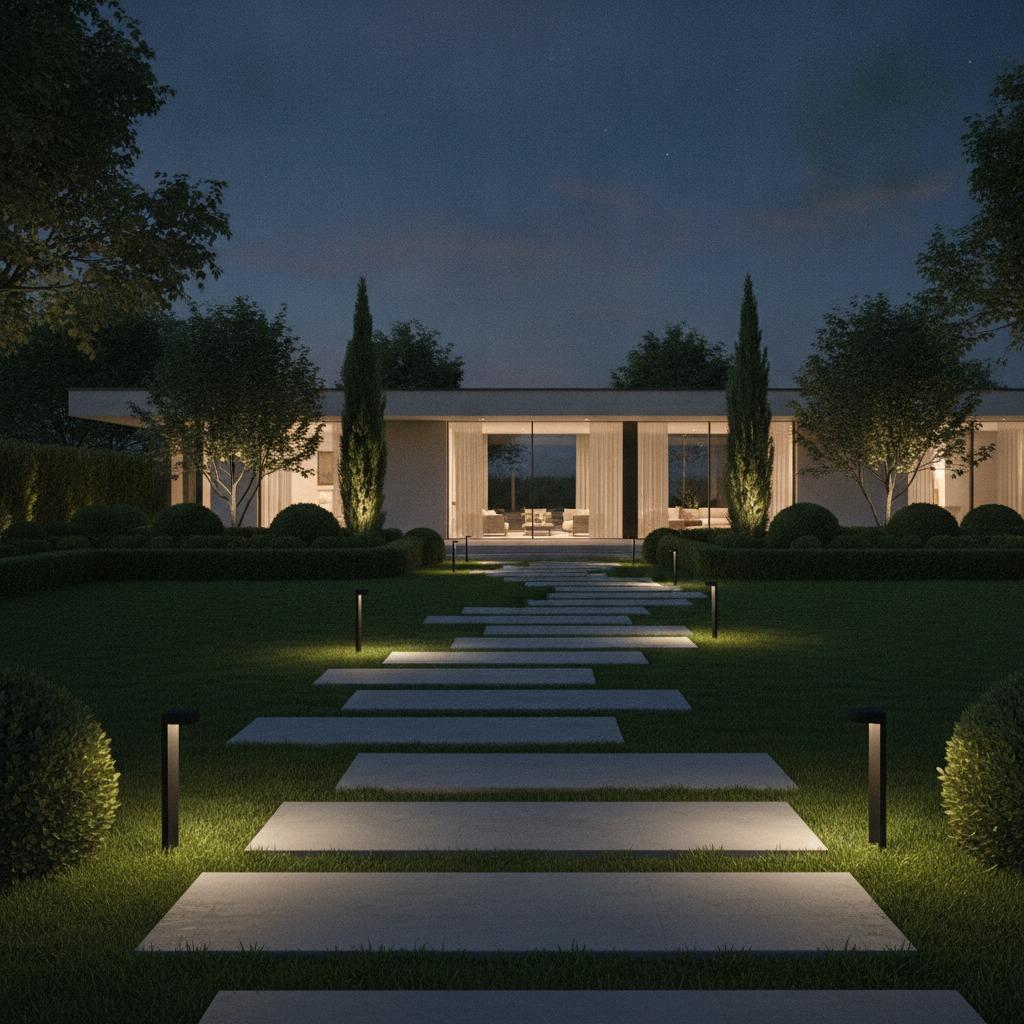
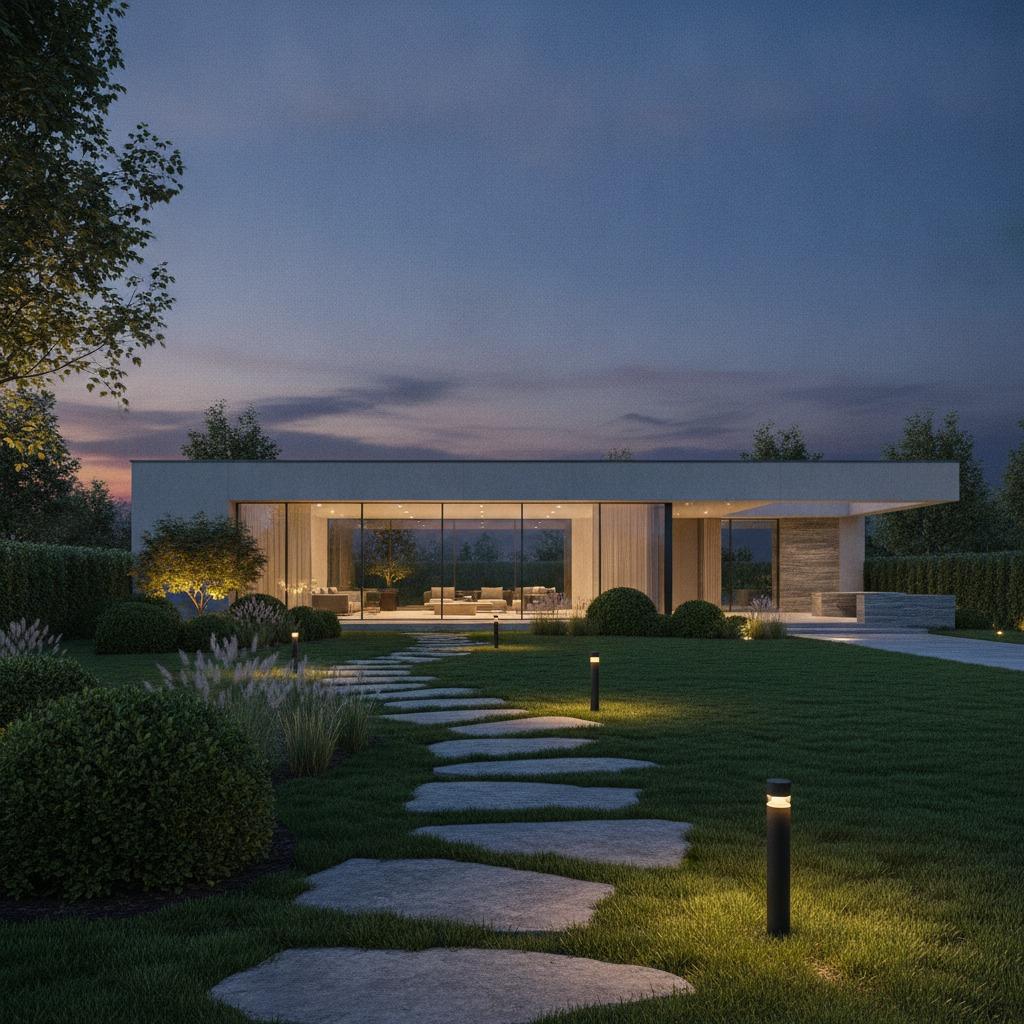
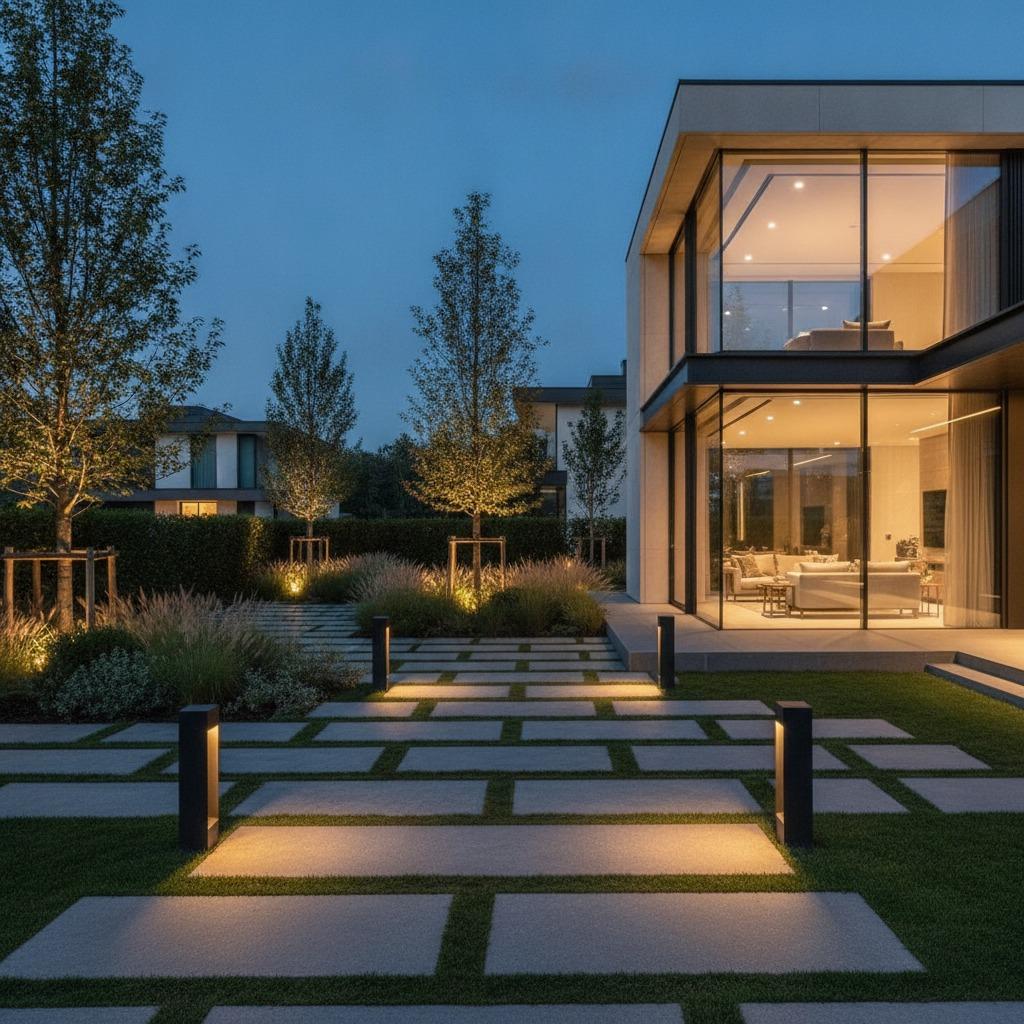
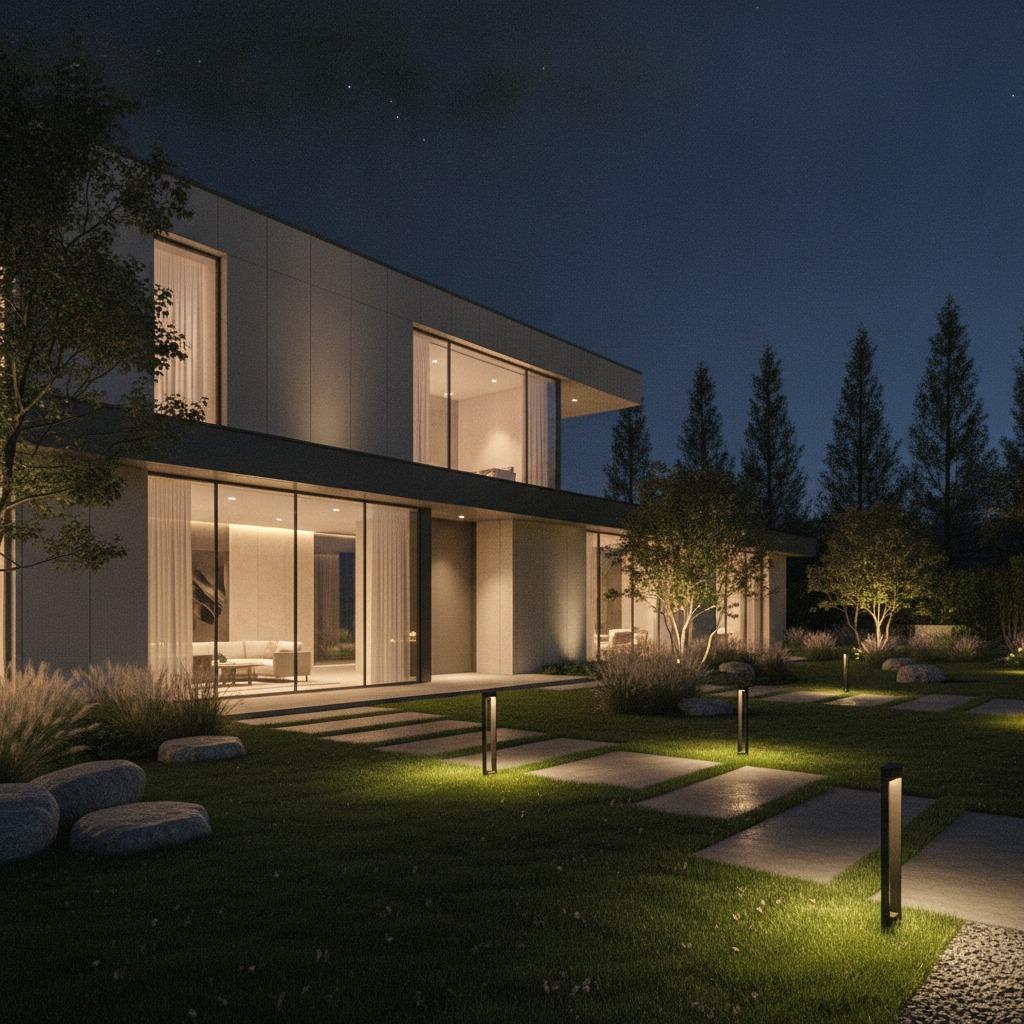
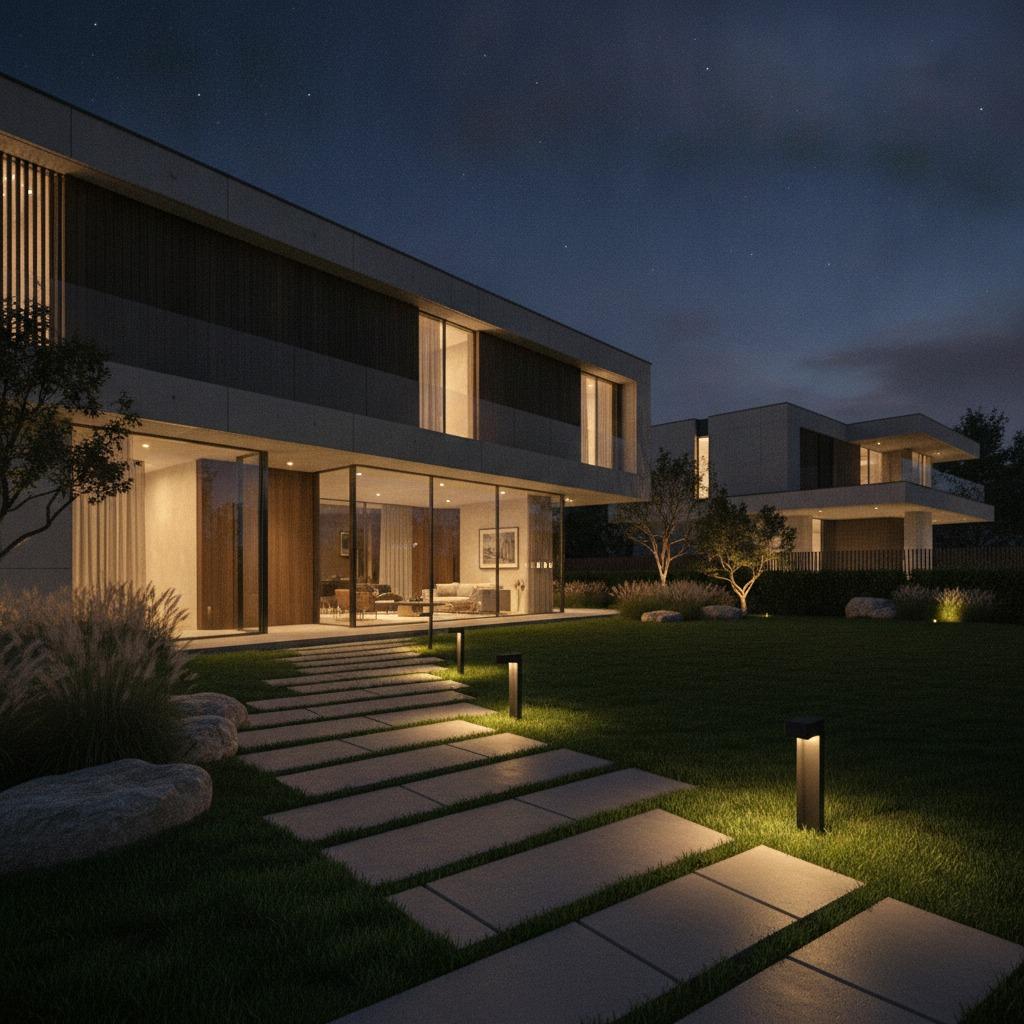
That last point is often underestimated. Outdoor lighting is functional, but it is also visible architecture. On landscaped properties, buyers frequently want a unit that does not look bulky or industrial. The product information provided here describes compact upright bollard-style lights used for garden beds, stepping-stone paths, patio edges, and planting areas. That is not the same thing as a highway luminaire, and the buyer should not force one category to do the other’s job.
Where this lighting format fits best
A split solar system is usually strongest where the site has mixed exposure and a need for distributed lighting. That includes residential gardens, villa courtyards, hotel landscaping, resort walkways, restaurant patios, and contractor packages for outdoor development. In those environments, multiple units can be laid out to guide movement and improve nighttime ambiance without a complicated power run.
The product details here point to a low-level accent and safety light rather than a high-pole road fixture. That is useful, because it clarifies the decision. If you need path guidance, edge definition, and decorative uplighting around plants or hardscape, this category makes sense. If you need long-distance roadway illumination, you are in a different product class.
Selection criteria that matter in the real world
1. Panel placement and solar exposure
If the panel cannot see enough sun, the system fails before the fixture design even matters. On shaded sites, the split format can help, but only if the panel is mounted intelligently. Buyers should think about seasonal shading, not just noon-time brightness.
2. Fixture form and visual fit
The described product has a dark cylindrical or post-style body with a lantern-like top and clear diffuser area. That kind of profile works well when a project wants discrete guidance lighting rather than a loud visual statement. For hospitality and residential use, that restraint is often a selling point.
3. Serviceability
A split architecture is often chosen because it can make maintenance easier. That does not remove service work; it simply relocates it to a more accessible layout. Buyers should still ask how the battery, wiring, and lamp module are handled during upkeep.
4. Weather tolerance
Outdoor lights live a hard life. Rain, dust, heat, standing water, and corrosion all show up eventually. Because the supplied data does not confirm exact IP ratings or material grade, a careful buyer should request those details rather than assume them.
Common mistakes buyers make
The biggest mistake is treating every solar light as interchangeable. A split type solar street light and a compact garden bollard are not built for the same job, even if both use LEDs and sit outdoors. Another common error is specifying the fixture before checking site sun exposure. That can lead to underperforming lights and a frustrated end user.
A more subtle problem is over-lighting. Some projects do not need aggressive brightness; they need rhythm, spacing, and visual comfort. In pathways and landscaped zones, too much glare can actually make the area feel less premium.
Working with a supplier or manufacturer
When you talk to a split solar street light supplier or a split solar street light manufacturer, ask for the details that affect deployment, not just marketing language. Panel orientation, component access, housing construction, and outdoor suitability are all worth clarifying. If the supplier is serving contractor or wholesale channels, ask how the product is packaged for project consistency across multiple units. Matching lights matter more than buyers often admit; a mixed batch can be very noticeable once installed across a courtyard or pathway.
For sourcing teams, the most useful quote is not the shortest one. It is the one that lets you compare like with like. Otherwise you are pricing a mystery.
What to do next
If your project needs outdoor lighting for gardens, walkways, patios, or landscape accents, start by mapping the site: sun exposure, spacing, service access, and the visual role of the fixture. Then match the product style to the application instead of the other way around. A split type solar street light can be a practical answer, but only when the installation reality supports it.
If you are preparing a project brief, request product photos, mounting details, and full electrical and weatherproofing specifications before you approve a sample or place a bulk order.