
Choosing a commercial LED lighting supplier for office projects
A commercial LED lighting supplier is not just a place to buy fixtures; for office projects, it is often the difference between a clean install that disappears into the ceiling and a space that looks bright on day one but causes glare, patchy light, or maintenance headaches later. In open-plan offices, reception areas, meeting rooms, and corridors, the lighting choice affects how people work, how the interior reads on camera, and how often the facilities team gets called back after handover.
The office products most buyers are considering tend to be simple on the surface: flat recessed panel lights for broad ambient illumination and slim linear LED fixtures for modern ceiling layouts. That simplicity can be deceptive. The real question is not whether the luminaire turns on, but whether the supplier can support a fit-out with consistent product, sensible integration, and enough commercial discipline to keep the project moving.
What office lighting buyers are actually deciding
For an office retrofit or tenant improvement, the buyer is usually weighing three things at once: visual quality, installation practicality, and supply reliability. The lighting has to cover desks evenly, avoid creating distracting shadows, and fit the architectural language of the space. At the same time, the purchasing team may need coordinated delivery across several zones, which is where a dependable LED lighting distributor or LED lighting wholesaler can be more valuable than a one-off product seller.
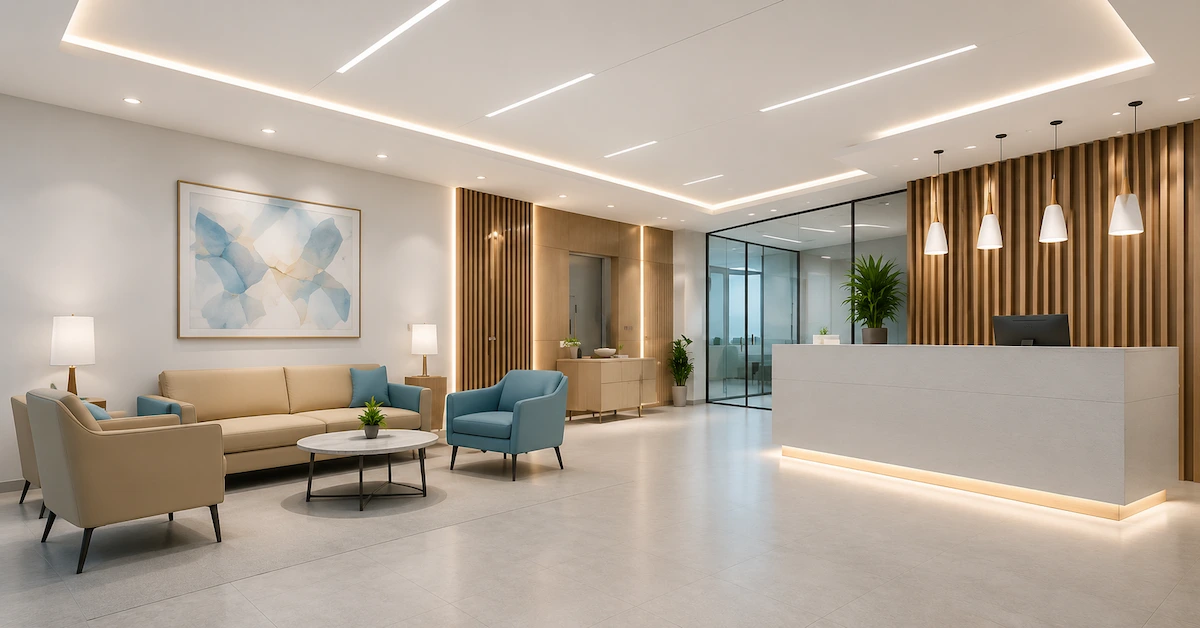
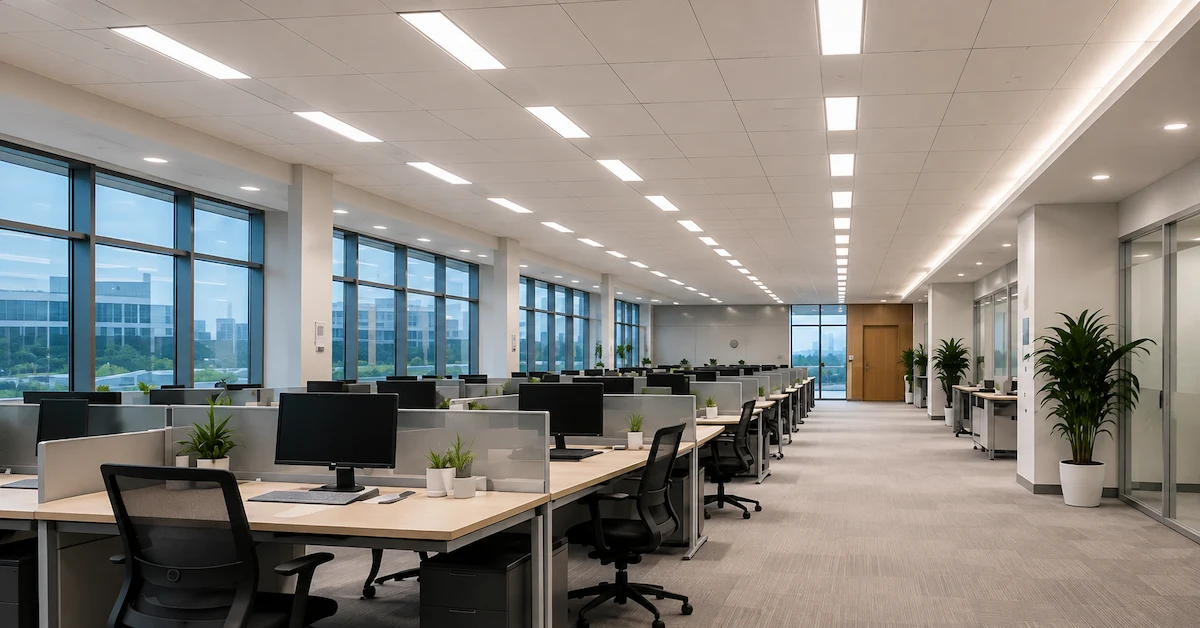
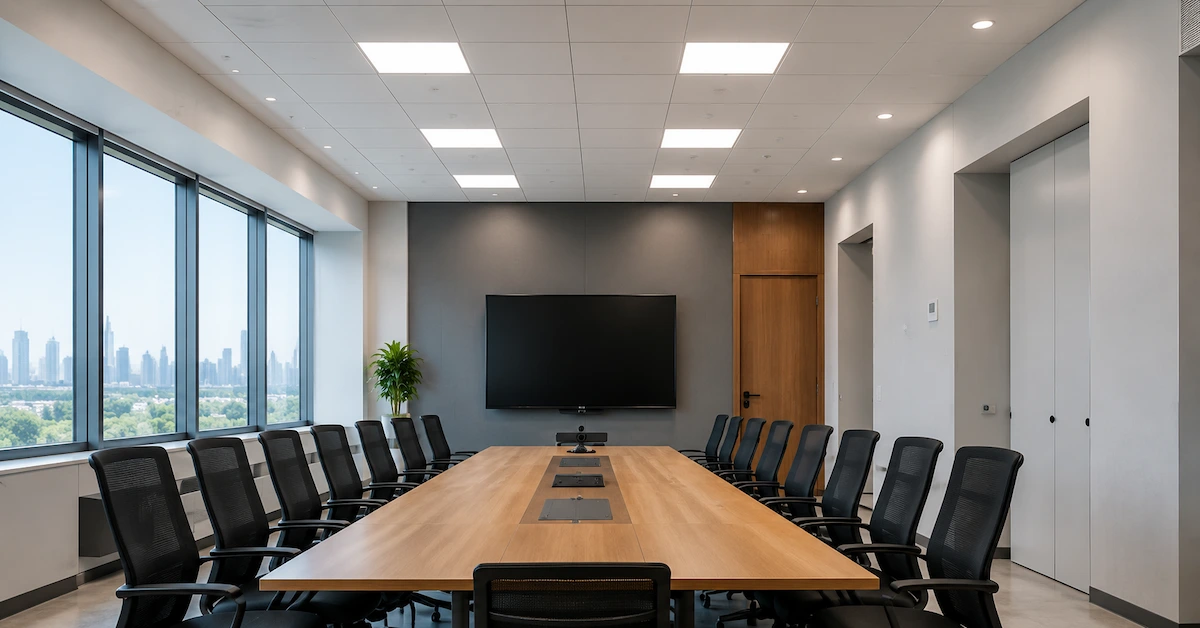
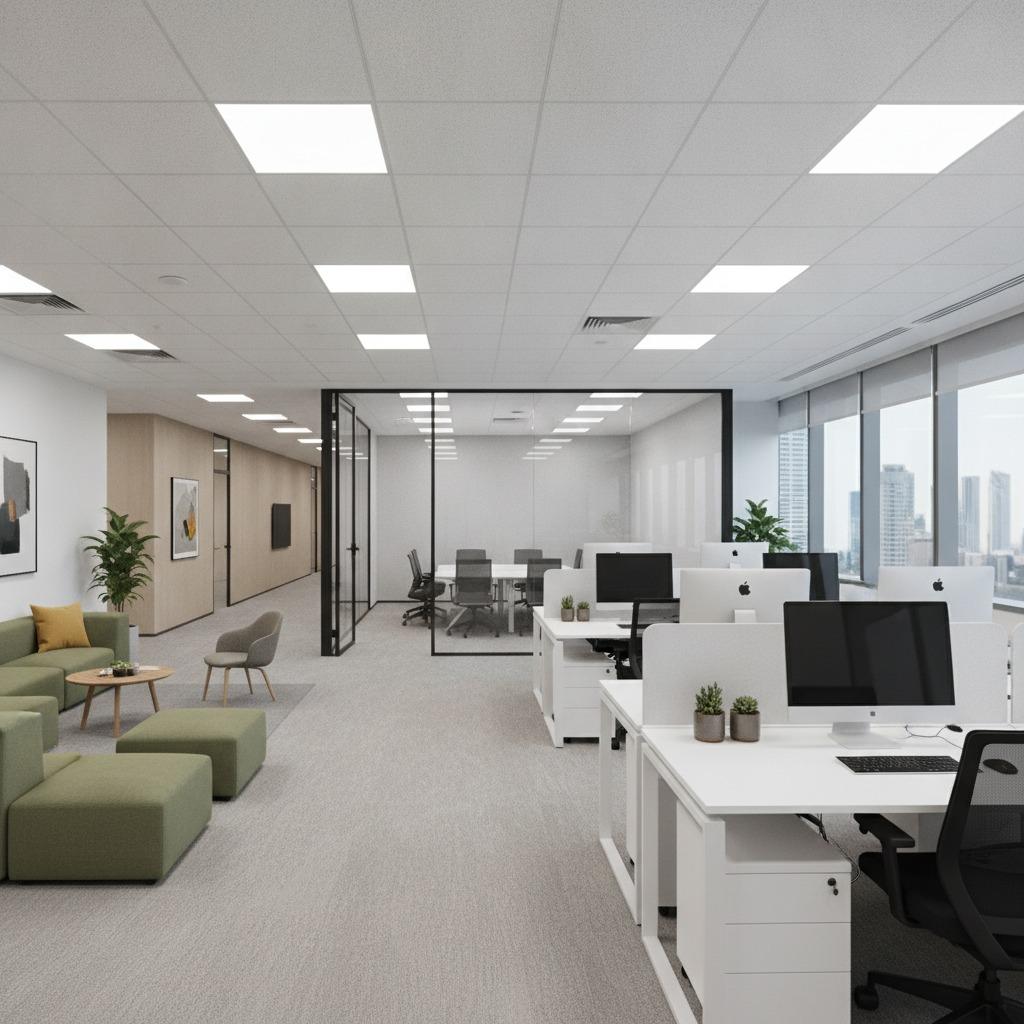
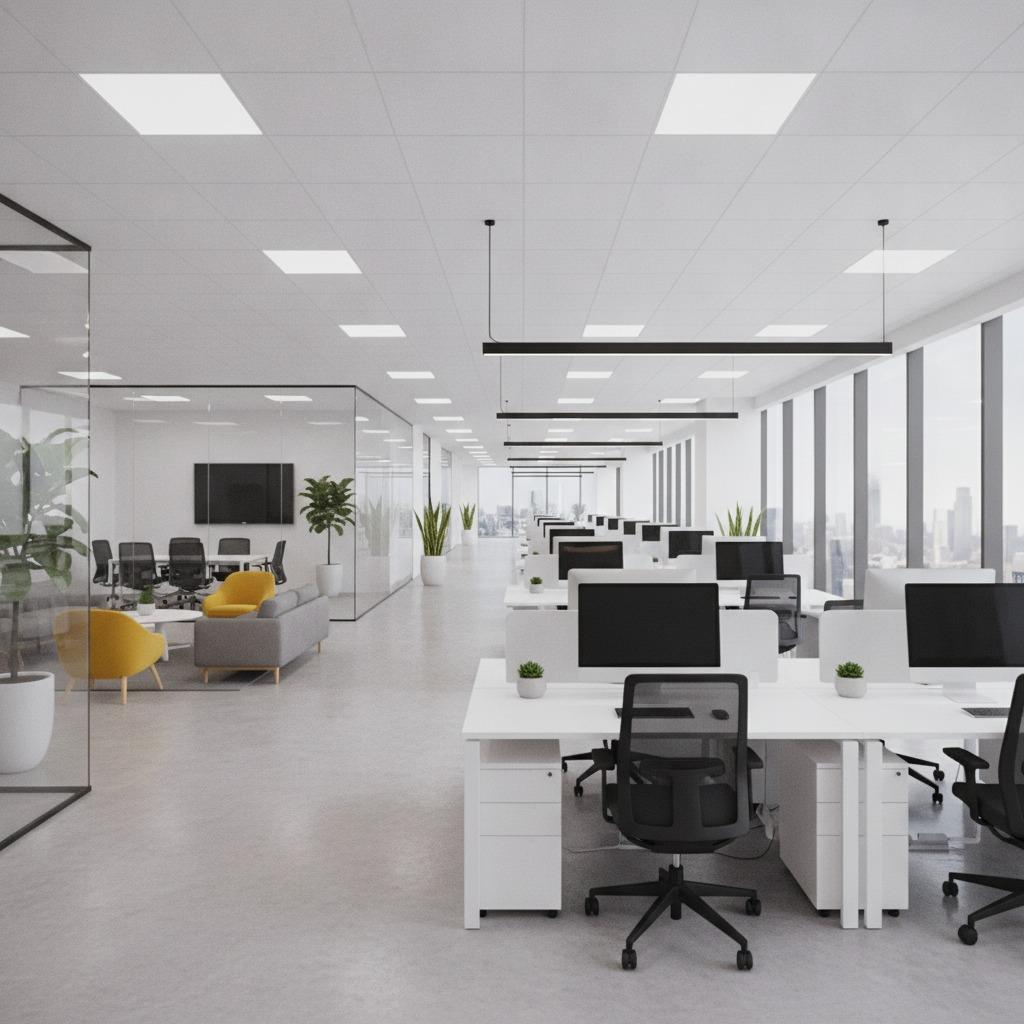
In this category, the fixture form factor matters. White recessed panel lights bring a low-profile, uncluttered ceiling appearance and are often used for general ambient light. Slim black linear fixtures can add rhythm to the ceiling and suit collaboration areas, corridors, or contemporary open offices. The best projects usually combine both rather than forcing one product type to do everything.
Quick reference: what to compare before you place an order
Fixture type and ceiling integration
Panel lights are often chosen when the brief calls for a quiet ceiling and even light distribution. Linear LED fixtures work better when the design wants stronger geometry or a more deliberate architectural line. If the ceiling grid, suspension detail, or recess depth is still changing, confirm compatibility early. This is the sort of detail that can slow a project down more than anyone expects.
Application fit
Open workstations, meeting rooms, glass-partition offices, reception desks, and corridor runs do not all need the same light pattern. A commercial LED lights manufacturer may offer several families, but the buyer still needs to match the luminaire to the room use rather than buying one style across the whole plan. That is a common shortcut, and it rarely ages well.
Supply consistency
For larger rollouts, consistency matters as much as appearance. A commercial LED lights manufacturer or industrial LED lighting supplier should be able to support repeat orders without awkward visual differences between batches. Even when the design is straightforward, a scattered mix of suppliers can create problems with finish, mounting details, or replacement planning.
Why supplier quality matters more in commercial interiors
Commercial office lighting is installed in front of tenants, architects, and often a skeptical facilities team. If fixtures arrive late, differ slightly from the approved sample, or do not suit the ceiling detail, the whole fit-out feels less controlled. That is why many buyers prefer a LED commercial lighting supplier that can speak clearly about product structure, mounting approach, and the intended office application.
Good suppliers also help reduce uncertainty. They may not have every answer at the quoting stage, and they should not pretend to. But they should be able to explain whether a product is intended for recessed ceiling use, where a slim linear housing is appropriate, and how the fixture family is typically applied in commercial interiors. That is more useful than glossy product language with no practical detail behind it.
Common mistakes office buyers make
The first mistake is buying purely by appearance. A flat white panel and a slim black line may both look good in a render, but the final effect depends on spacing, ceiling height, room depth, and how the furniture is arranged below. The second mistake is assuming every LED lighting supplier can support office work. Some are essentially trading companies; others are closer to an installation partner; a few are genuine specialists in commercial interiors. The fit between your project and the supplier model matters.
Another frequent issue is over-specifying too early. Buyers sometimes ask for exact performance numbers before the layout has stabilized, then discover that the actual ceiling plan needs a different form factor. In a practical office fit-out, the sequence should usually be design first, fixture family second, detailed specs third. Skipping that order can lock you into the wrong product.
Practical advice for sourcing teams
If you are comparing a commercial LED lighting supplier against a broader LED lighting wholesaler, look beyond unit price. Ask how they handle office retrofits, whether they can support both recessed panels and linear fixtures, and how they manage repeat supply for phased projects. If the supplier only talks in generic catalog language, keep moving.
For sourcing managers, one useful check is whether the supplier understands the difference between an open-plan workstation area and a quieter meeting room. That sounds basic, but it often separates a serious partner from a generic reseller. The same applies if you are dealing with a LED lighting distributor: you want someone who can help translate the architectural brief into an installable product set, not just send a quotation.
Engineers and project teams should also ask about installation constraints early. Integrated LED fixtures are usually chosen for clean appearance and efficient ceiling use, but they still need the right mounting condition, access planning, and coordination with other services. On a crowded ceiling, those details are where projects lose time.
FAQ for office lighting buyers
Are panel lights always the best choice for offices?
Not always. Panel lights are strong for broad ambient coverage, but linear fixtures can improve ceiling rhythm and suit collaboration zones or corridors. Most office interiors benefit from a mix.
Should I buy from a specialist or a general trader?
If the project is a straightforward one-room retrofit, a general source may be enough. For multi-zone office fit-outs, a specialist commercial LED lights supplier is usually easier to work with because the product and application are better aligned.
Do I need to worry about future replacement?
Yes, especially in commercial buildings where phased maintenance is normal. Even if the initial order is small, think about whether the product family can be repeated later without obvious visual mismatch.
Next step for buyers and project teams
If your project involves office ceilings, open work areas, or a renovation with both recessed panels and slim linear fixtures, start with a supplier who understands commercial interiors rather than one who only sells lighting in the abstract. A good commercial LED lighting supplier should be able to help narrow the fixture type, explain how the products suit the space, and support a clean handover without unnecessary drama. That is usually what matters most once the ceiling is open and the install crew is on site.