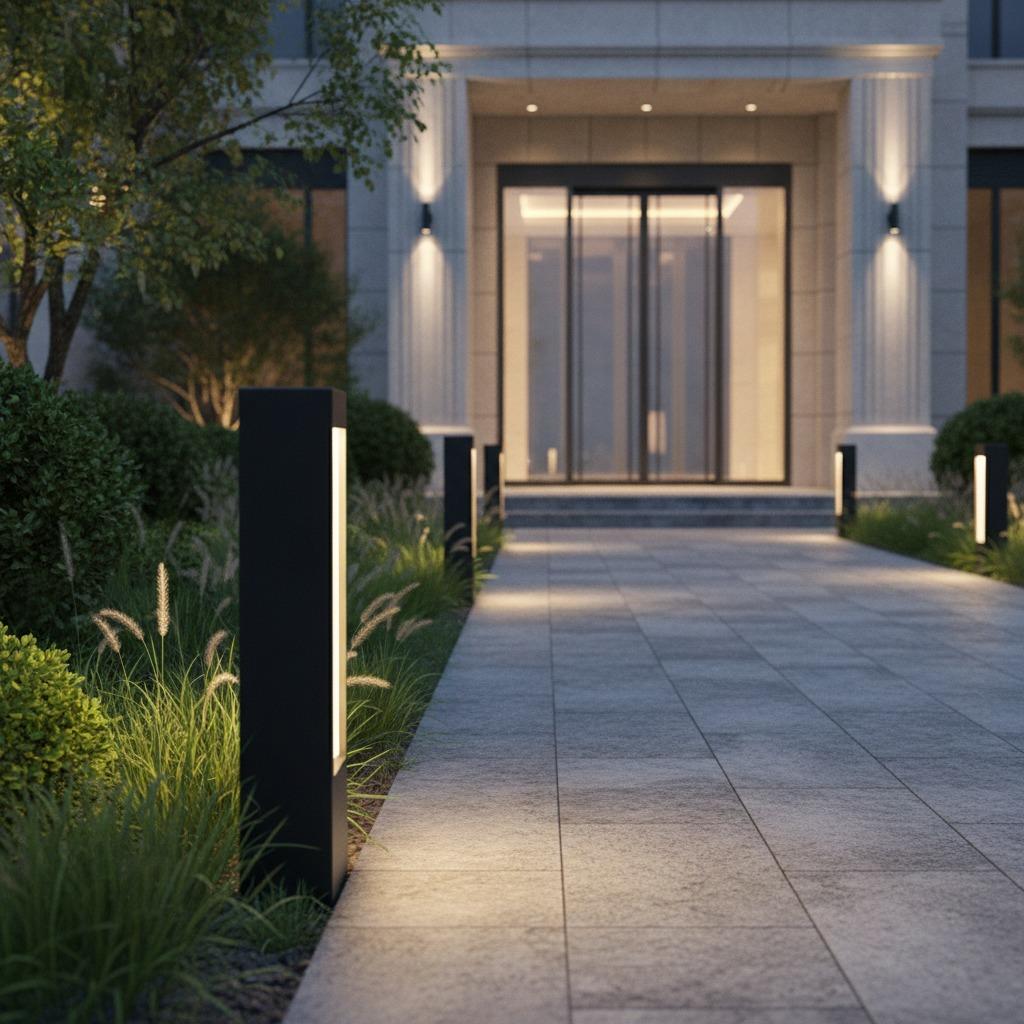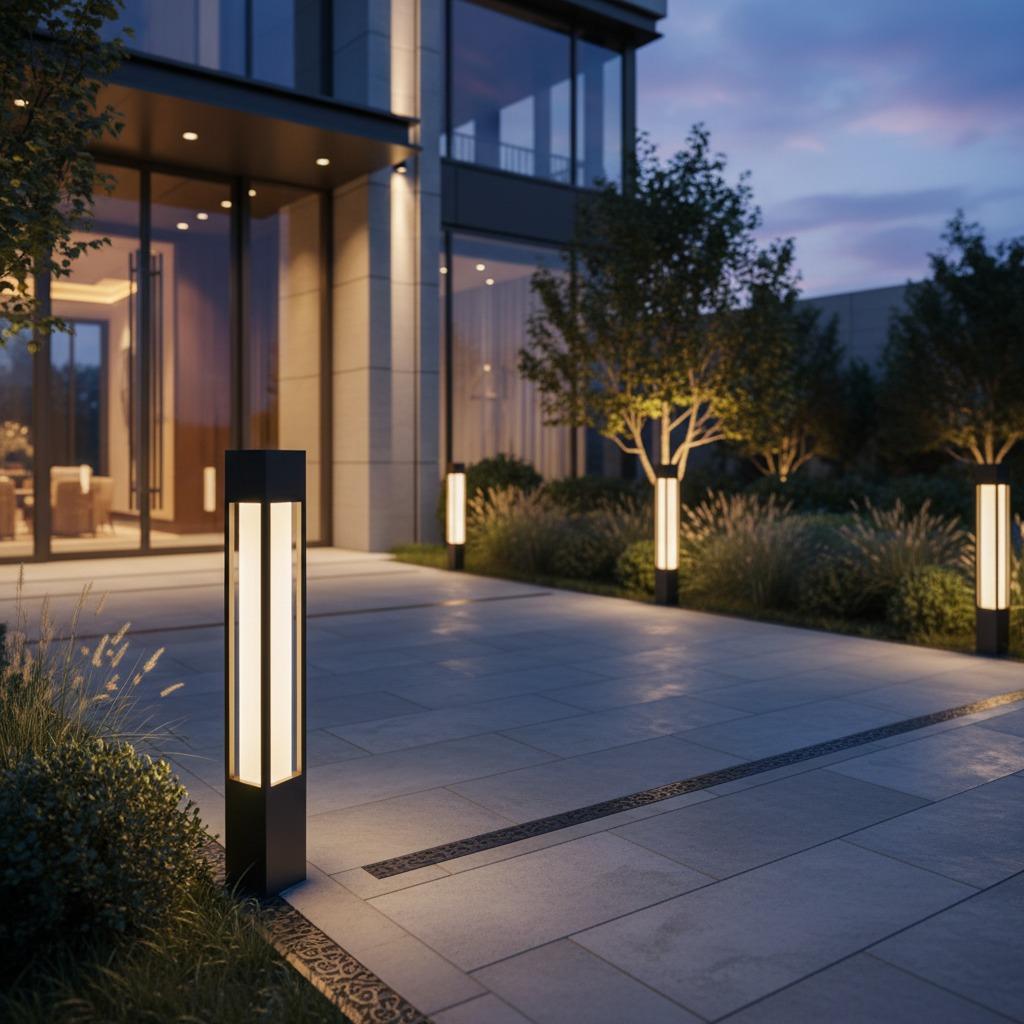

Choosing an ODM LED lighting supplier allows lighting brands, distributors, importers, contractors, and project companies to develop customized lighting products without designing every mechanical, optical, and electrical component from the beginning. Instead of starting with only a buyer-provided drawing, an ODM partner can offer an existing product platform, engineering knowledge, design resources, and manufacturing capability that can be adapted for a specific market.
This approach can reduce development time and simplify product launches. It is especially useful for buyers who need outdoor LED garden lights, post lights, courtyard lights, park lights, wall lamps, solar garden lights, or commercial outdoor lighting under their own brand.
However, ODM cooperation is not simply adding a logo to an existing fixture. A reliable partner should help the buyer evaluate application conditions, product positioning, structure, light distribution, color temperature, waterproof protection, packaging, certification needs, and production feasibility.
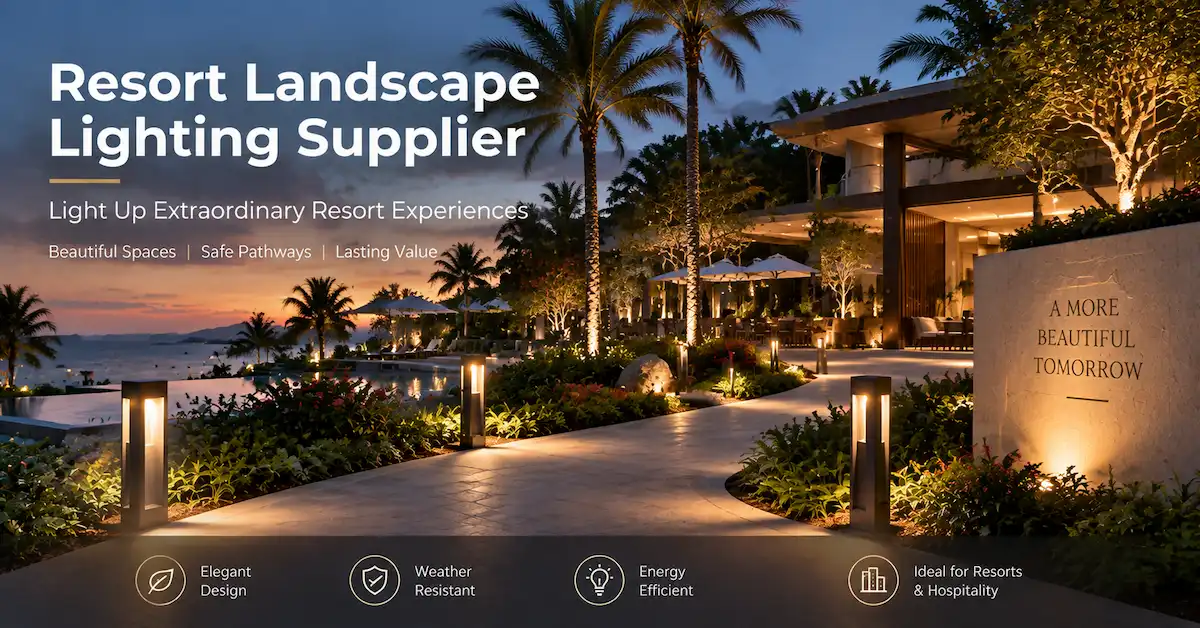
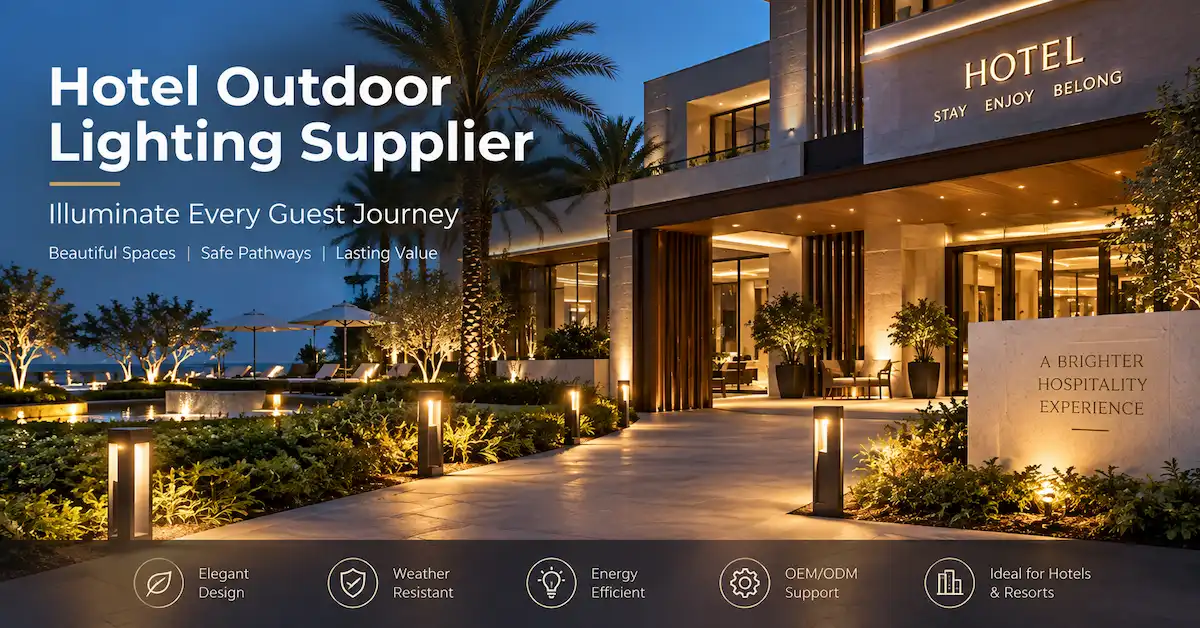
CDZM Lighting supports global B2B buyers with outdoor LED lighting and solar lighting products for gardens, parks, pathways, residential communities, hotels, resorts, commercial landscapes, and public projects.

Quick Answer: What Makes a Reliable ODM LED Lighting Supplier?
A reliable ODM LED lighting supplier should combine product design, engineering, manufacturing, quality control, customization, and export support. The supplier should already have proven product platforms that can be adjusted for different applications, markets, and brand requirements.
For overseas buyers, the most important capabilities include:
- Existing outdoor lighting designs that can be modified
- Structural, optical, and electrical engineering support
- Product sampling and prototype validation
- Waterproof and outdoor reliability testing
- Custom colors, specifications, branding, and packaging
- Stable mass production and batch consistency
- Clear communication about cost, lead time, and technical limitations
- Support for long-term repeat orders
The best ODM partner does not simply agree to every request. It explains which changes are practical, how those changes affect cost and performance, and what should be tested before mass production.
ODM vs OEM LED Lighting: What Is the Difference?
OEM and ODM are often used together, but they describe different cooperation models.
| Cooperation Model | Who Develops the Main Design? | Typical Buyer Situation | Main Advantage |
|---|---|---|---|
| OEM | Buyer provides drawings, specifications, or a mature design | Established lighting brand with its own engineering files | Higher control over the original design |
| ODM | Supplier provides or develops the product platform | Distributor or brand needs a faster customized launch | Shorter development time and lower initial engineering burden |
| Private Label | Supplier provides a nearly finished standard product | Buyer mainly needs branding and packaging | Fastest route to market |
| Project Customization | Buyer and supplier modify products for a specific installation | Contractor or developer has application requirements | Better fit for project conditions |
An OEM project may begin with complete buyer drawings. An ODM project often begins with a target market, application, appearance preference, performance requirement, and budget.
For many distributors and growing lighting brands, ODM is practical because it provides more differentiation than simple private labeling while requiring less development work than a completely new OEM design.
Who Benefits Most from ODM LED Lighting Services?
Lighting Distributors
Distributors may want a product series that is not identical to common catalog models. ODM support can help them adjust:
- Product finish
- Housing color
- Wattage
- Color temperature
- Packaging
- Market positioning
- Product combinations
This makes it easier to build a more recognizable local product line.
Importers and Regional Wholesalers
Importers often need products adapted to local voltage, climate, installation habits, and price levels. They may also require multilingual packaging, product labels, manuals, or certification documents.
Emerging Lighting Brands
New brands may have a clear market idea but no internal engineering department. An ODM partner can provide a starting platform and help turn the idea into a manufacturable product.
Engineering Contractors
Contractors may need modifications for a hotel, park, residential community, commercial plaza, or landscape project. Typical changes include mounting dimensions, light output, color temperature, finish, or solar configuration.
Commercial Developers
Developers may want lighting fixtures that match a property’s architectural identity. ODM cooperation can help coordinate appearance, outdoor durability, lighting atmosphere, and project quantity.
What Can Be Customized in an ODM Lighting Project?
ODM customization can range from simple visual changes to deeper structural development.
Product Appearance
Common appearance changes include:
- Housing color
- Surface finish
- Decorative details
- Lamp cover pattern
- Fixture proportions
- Product family styling
These changes are useful for brands that need visual differentiation without creating a completely new structure.
Lighting Performance
The supplier may adjust:
- Rated wattage
- Lumen output
- Color temperature
- Beam distribution
- LED source
- Driver configuration
- Dimming or sensor options
The final configuration should be selected according to installation height, spacing, target area, visual comfort, and local electrical conditions.
Outdoor Protection
Outdoor products may need adjustments involving:
- Sealing structure
- Gaskets
- Cable entry
- Drainage design
- Surface treatment
- Corrosion resistance
- UV-resistant lamp covers
These details are particularly important for gardens, parks, coastal environments, humid regions, and commercial projects with high maintenance costs.
Branding and Packaging
ODM branding options may include:
- Product logo
- Nameplate
- Carton design
- Inner packaging
- Product manual
- Barcode
- Model naming
- Marketing images
- Private label documentation
Packaging should protect the product during international shipping while presenting a consistent brand image.
Outdoor Lighting Products Suitable for ODM Development
| Product Type | Common ODM Changes | Typical Applications |
| LED Garden Light | Finish, wattage, lamp cover, color temperature | Villas, hotels, pathways, gardens |
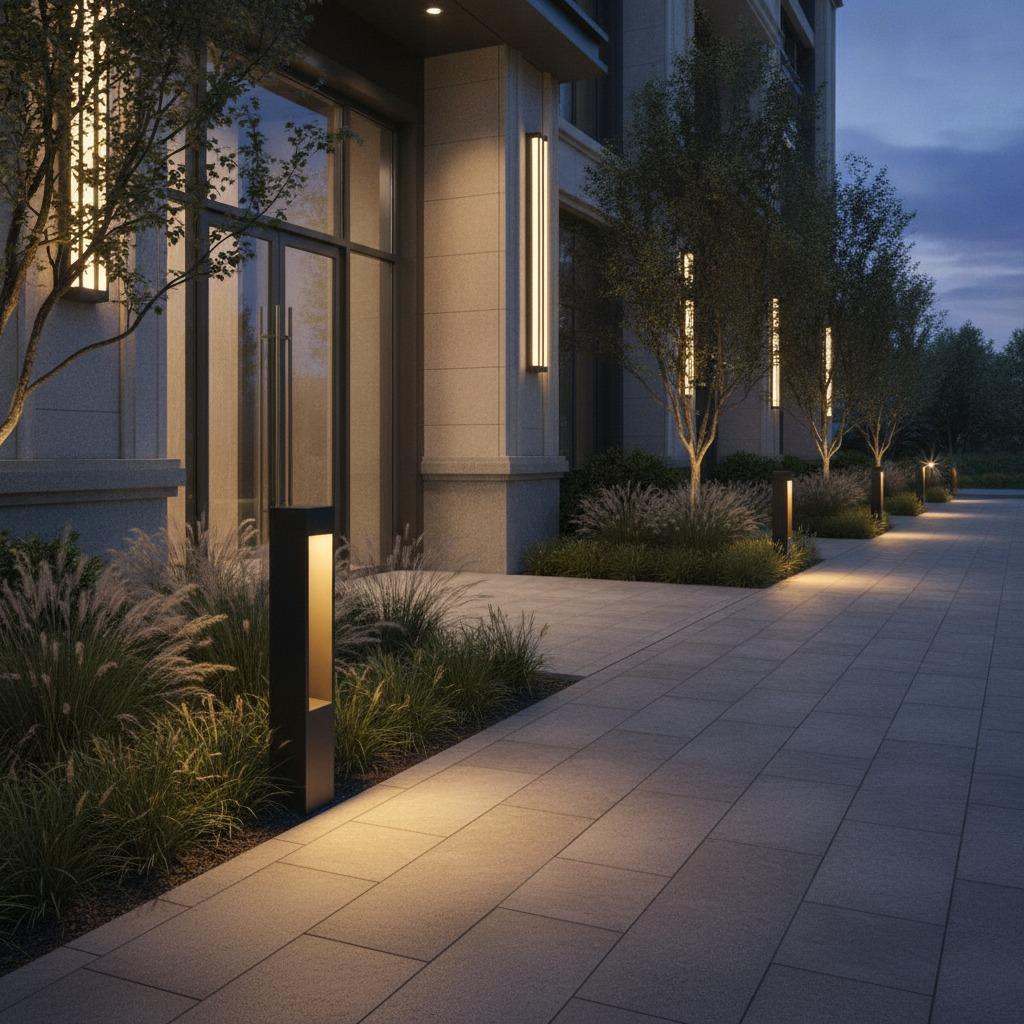
| LED Post Light | Housing style, mounting size, light distribution | Communities, parks, commercial landscapes |
| LED Courtyard Light | Decorative design, output, surface color | Residential projects, resorts, courtyards |
| LED Park Light | Optical layout, power, pole connection | Public parks, plazas, parking areas |
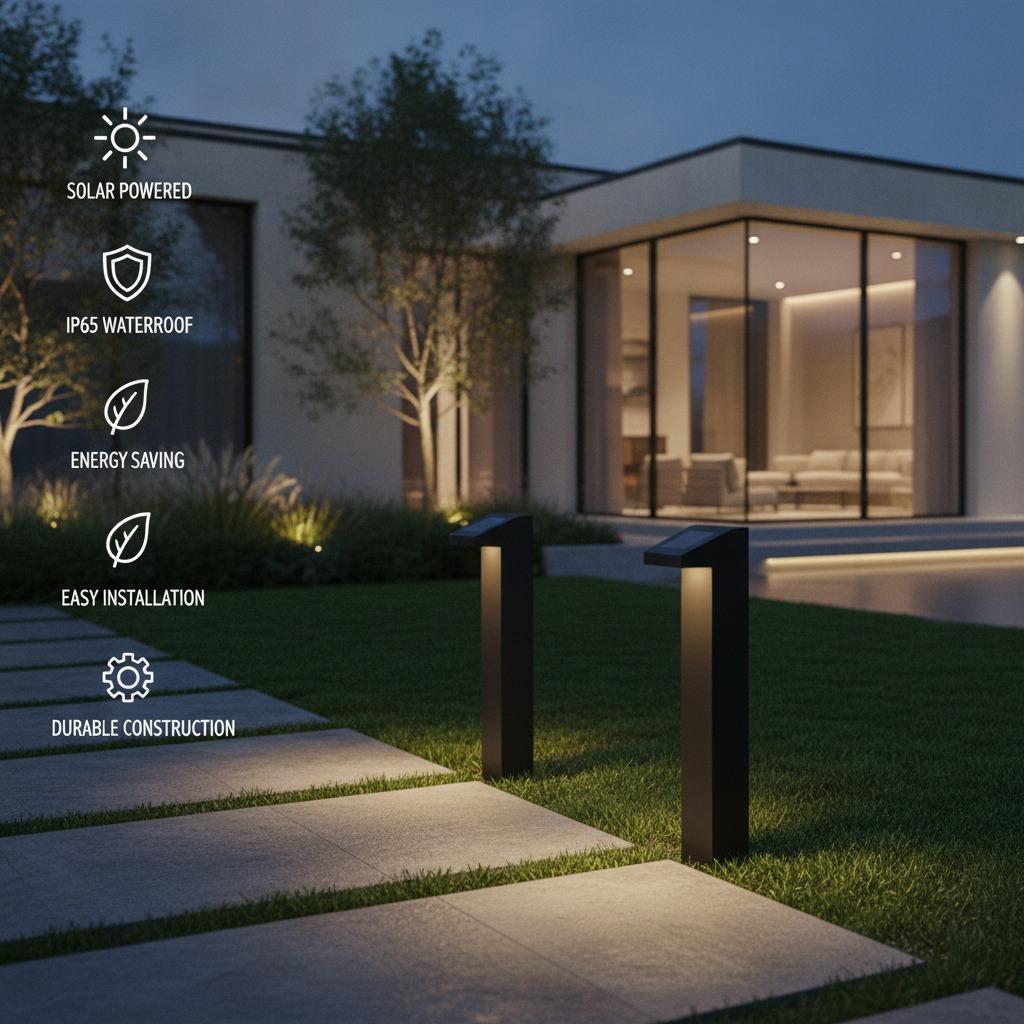
| Bollard or Lawn Light | Height, finish, beam direction | Walkways, lawns, entrances |
| Outdoor Wall Lamp | Shape, up/down beam, sensor options | Facades, gates, corridors |
| Solar Garden Light | Panel, battery, controller, working mode | Off-grid gardens, resorts, pathways |
| Commercial Outdoor Light | Output, structure, project finish | Commercial plazas, office parks, public areas |
Buyers can review existing starting platforms on the CDZM products page before discussing modifications.
How to Evaluate an ODM LED Lighting Supplier
Review Existing Product Platforms
A capable supplier should have relevant standard products that can serve as a development base. Starting from an existing platform can reduce tooling cost, development uncertainty, and lead time.
Ask whether the proposed platform has already been tested for:
- Outdoor exposure
- Heat dissipation
- Waterproof protection
- Electrical safety
- Optical performance
- Installation stability
Check R&D and Engineering Capability
ODM development requires more than assembly. The supplier should understand how one change affects the rest of the fixture.
For example:
- Increasing wattage may require better thermal management.
- Changing the lamp cover may alter light distribution.
- Modifying the housing may affect waterproof sealing.
- Adding a sensor may change internal space and driver selection.
- Changing a solar battery may affect runtime and charging balance.
A supplier with engineering capability should identify these relationships before approving a design.
Confirm Sample Development Procedures
A professional ODM process normally includes:
- Requirement discussion
- Existing-platform selection
- Feasibility evaluation
- Specification confirmation
- Drawing or rendering review
- Sample production
- Performance testing
- Buyer approval
- Pilot or mass production
- Final inspection and shipment
The buyer should not approve mass production based only on a visual rendering. Physical samples should be checked for appearance, installation, light effect, electrical operation, and outdoor protection.
Examine Quality Control
Important ODM lighting tests may include:
| Test | Purpose |
| Incoming Material Inspection | Confirms housing, cover, driver, LED, and accessory quality |
| Integrating Sphere Test | Checks luminous output and color performance |
| Aging Test | Identifies early electrical or thermal failure |
| Waterproof Test | Verifies sealing for outdoor applications |
| Electrical Safety Test | Checks insulation and operational safety |
| Temperature Test | Evaluates heat management |
| Appearance Inspection | Confirms finish and branding consistency |
| Packaging Inspection | Reduces shipping damage |
| Final Function Test | Confirms each unit operates before shipment |
The testing plan should reflect the actual customization. A modified product may need renewed validation even when it is based on an existing model.
Common ODM Purchasing Risks
Customization Without Technical Validation
A visual change may affect waterproofing, optics, heat dissipation, or assembly. Every meaningful modification should receive an engineering review.
Unclear Product Ownership
Buyers should clarify the use of drawings, molds, logos, packaging files, and exclusive designs before development begins.
Incomplete Specifications
Verbal agreements are not enough. The final product specification should clearly state:
- Material
- Dimensions
- Wattage
- Voltage
- Color temperature
- IP rating
- Finish
- Installation method
- Packaging
- Branding
- Testing requirements
Approving Only One Sample
A perfect sample does not automatically guarantee stable mass production. Buyers should ask how the supplier controls components, finish, LED color, assembly, and testing across the full batch.
Ignoring Minimum Order and Tooling Logic
Some changes can be made with a relatively low quantity, while structural changes may require molds, tooling, or higher production volumes. The supplier should clearly explain these commercial requirements.
Cost Factors in ODM LED Lighting Projects
ODM project cost depends on the depth of customization.
| Cost Factor | Possible Impact |
| Existing product platform | Usually lowers development cost |
| New mold or tooling | Increases initial investment |
| Special finish or color | May increase MOQ or processing cost |
| Custom driver or LED source | Affects component cost and validation |
| Packaging design | Adds artwork and printing cost |
| Certification or testing | Adds laboratory and documentation cost |
| Sample revisions | Extends time and development expense |
| Order volume | Influences unit price and material purchasing |
Buyers should compare total development value, not only the first quotation. A slightly higher initial cost may be justified if it improves reliability, market differentiation, and repeat-order stability.
Why CDZM Is Suitable for ODM Outdoor Lighting Projects
CDZM Lighting combines an existing outdoor lighting product portfolio with manufacturing, R&D, and project support. Its product categories include LED garden lights, courtyard lights, park lights, post lights, lawn lights, outdoor wall lamps, solar garden lights, solar street lights, and commercial outdoor lighting.
For ODM customers, CDZM can support:
- Selection of an existing product platform
- Appearance and surface-finish adjustments
- Wattage and color-temperature configuration
- Outdoor structural and waterproof considerations
- Solar system options for suitable products
- Branding and packaging customization
- Sample development and confirmation
- Quality testing before shipment
- Stable production for repeat B2B orders
- Product matching for garden, park, hotel, residential, and commercial applications
The value of working with CDZM is not limited to applying a private label. Buyers can discuss how the product should fit their target market, installation environment, product positioning, and long-term supply plan.
More outdoor lighting sourcing and technical guidance is available through the CDZM blog.
What Information Should Buyers Provide?
To receive a useful ODM proposal, prepare:
- Target market and customer type
- Required product category
- Application environment
- Preferred design style
- Installation height and method
- Wattage or brightness target
- Color temperature
- Input voltage
- IP protection requirement
- Local climate conditions
- Order forecast
- Target price range
- Branding and packaging needs
- Certification requirements
- Launch schedule
Providing this information helps the supplier evaluate feasibility and recommend the closest existing platform.
FAQ
1. What is an ODM LED lighting supplier?
An ODM LED lighting supplier develops or provides an existing lighting design that buyers can modify and sell under their own brand. The supplier normally supports engineering, sampling, manufacturing, quality control, and packaging.
2. What is the difference between OEM and ODM lighting?
In OEM cooperation, the buyer usually provides the main product design or complete specifications. In ODM cooperation, the supplier provides the design platform and adapts it to the buyer’s market and branding needs.
3. Can an ODM supplier create an exclusive lighting product?
Yes, depending on the development scope, tooling investment, order quantity, and exclusivity agreement. Buyers should clarify design ownership and market exclusivity before development.
4. Which LED lighting products are suitable for ODM?
Garden lights, courtyard lights, post lights, park lights, bollard lights, wall lamps, solar garden lights, solar street lights, and commercial outdoor lights can all be suitable for ODM development.
5. Does ODM always require a new mold?
No. Many ODM projects start from an existing product platform and use changes in finish, specifications, optical configuration, branding, or packaging. A new mold is needed only when structural customization requires it.
6. How long does ODM LED lighting development take?
The timeline depends on customization depth, tooling, sample revisions, testing, and certification. Simple platform modifications are usually faster than completely new structural development.
7. What should be tested before mass production?
Buyers should verify appearance, dimensions, installation, light output, color temperature, electrical performance, heat management, waterproof protection, branding, and packaging.
8. Can CDZM support private label and ODM outdoor lighting?
Yes. CDZM supports outdoor LED and solar lighting buyers with product-platform selection, specification adjustments, branding, packaging, sample confirmation, quality control, and project-based product matching.
Conclusion
Choosing the right ODM LED lighting supplier helps brands, distributors, importers, and project buyers shorten product development, reduce technical risk, and launch differentiated outdoor lighting products with more reliable manufacturing support.
The right partner should combine design platforms, engineering knowledge, outdoor product experience, sample validation, quality control, branding support, and stable mass production. CDZM Lighting supports ODM development for garden, landscape, solar, and commercial outdoor lighting products. To discuss a new product line, private label program, or customized project requirement, use the CDZM contact page to submit your application, specifications, quantity, and launch plan.