
Why buyers keep asking for a better outdoor LED lighting manufacturer
Choosing an outdoor LED lighting manufacturer is rarely just a matter of picking a fixture that looks good in a catalog. For engineers, sourcing managers, and project teams, the real question is whether the supplier can deliver outdoor LED lights that hold up to weather, repeated use, and the visual standards of a site plan. That matters most on paths, drives, and shared walkways, where commercial outdoor LED lighting has to do three jobs at once: guide movement, support safety, and fit the architecture.
The outdoor path light or bollard light is a good example. It sits low to the ground, creates a clear line of light, and often disappears into the landscape during the day. At night, it becomes part of the site’s wayfinding system. If the fixture is poorly made, the result is usually obvious: uneven output, early corrosion, warped housings, or maintenance calls that should never have been needed in the first place.
What this product type is really doing on site
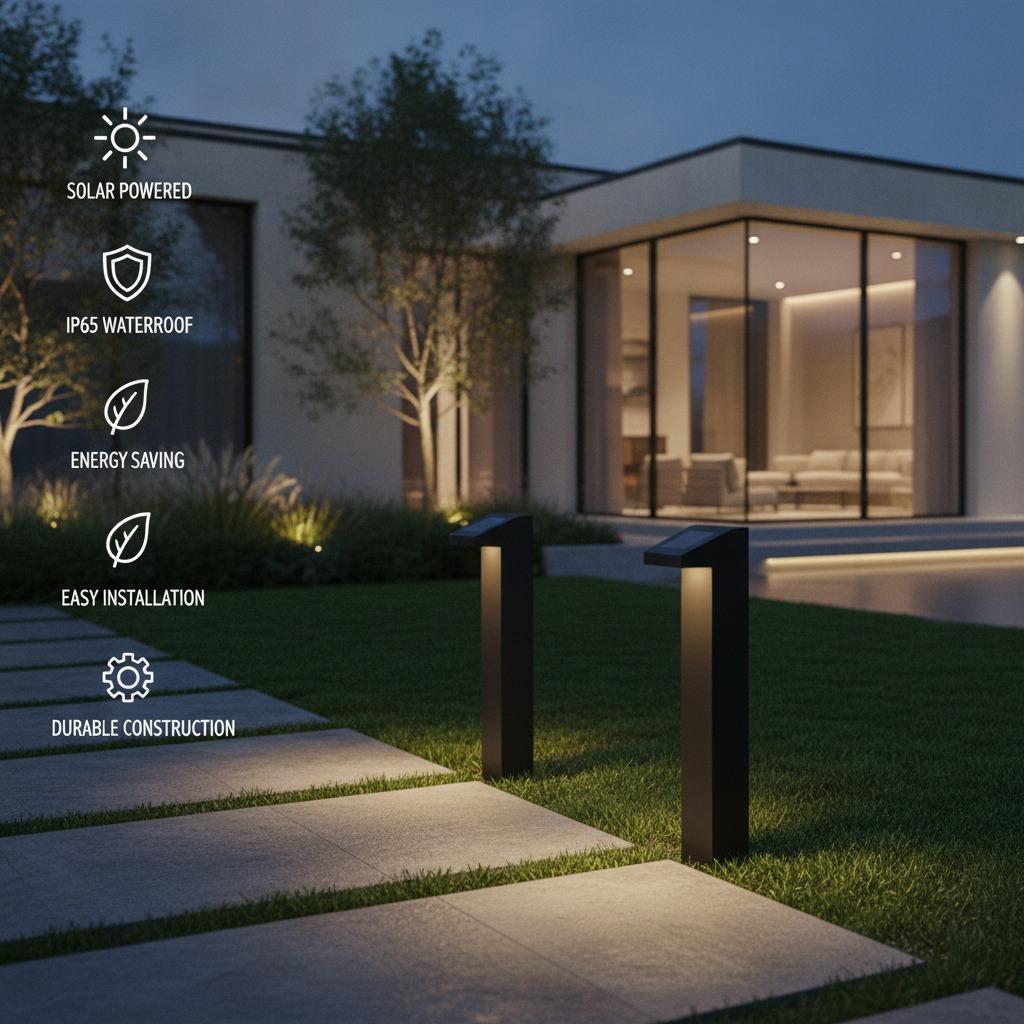
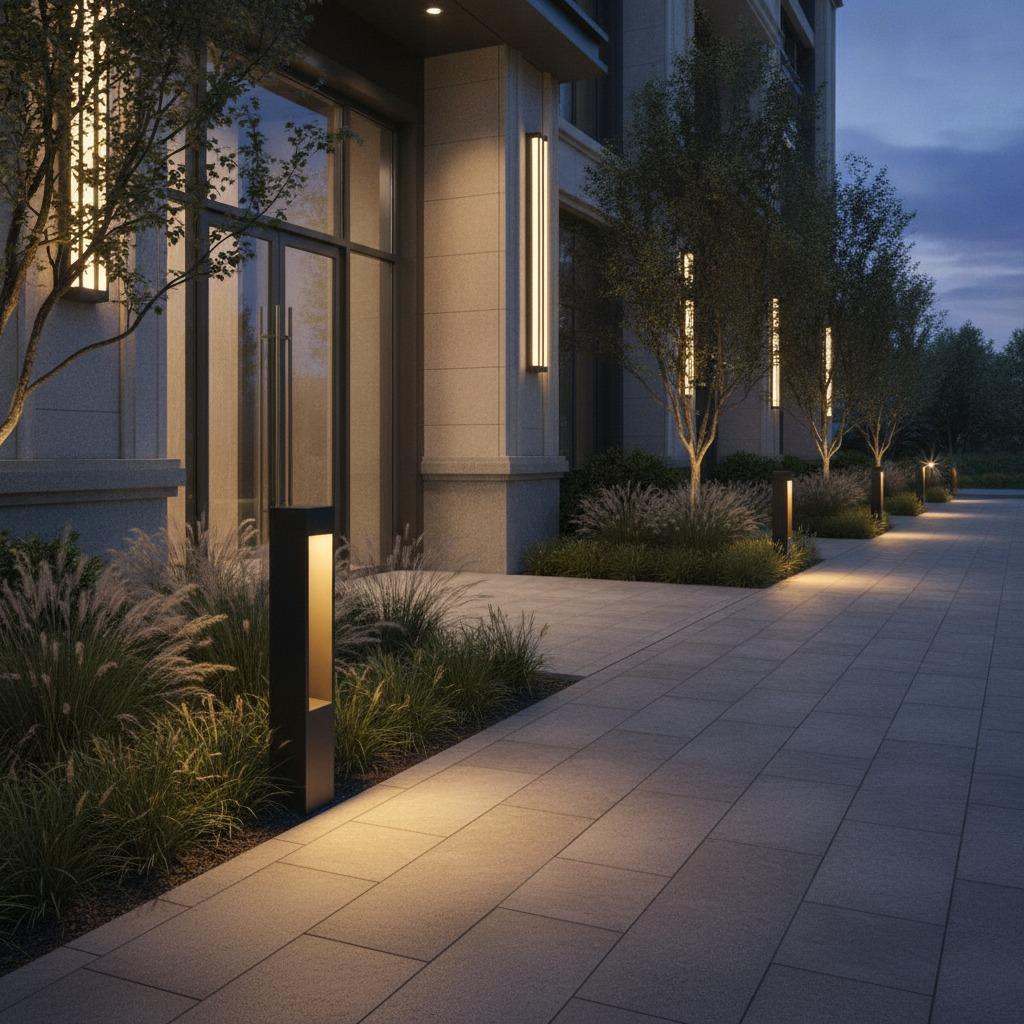
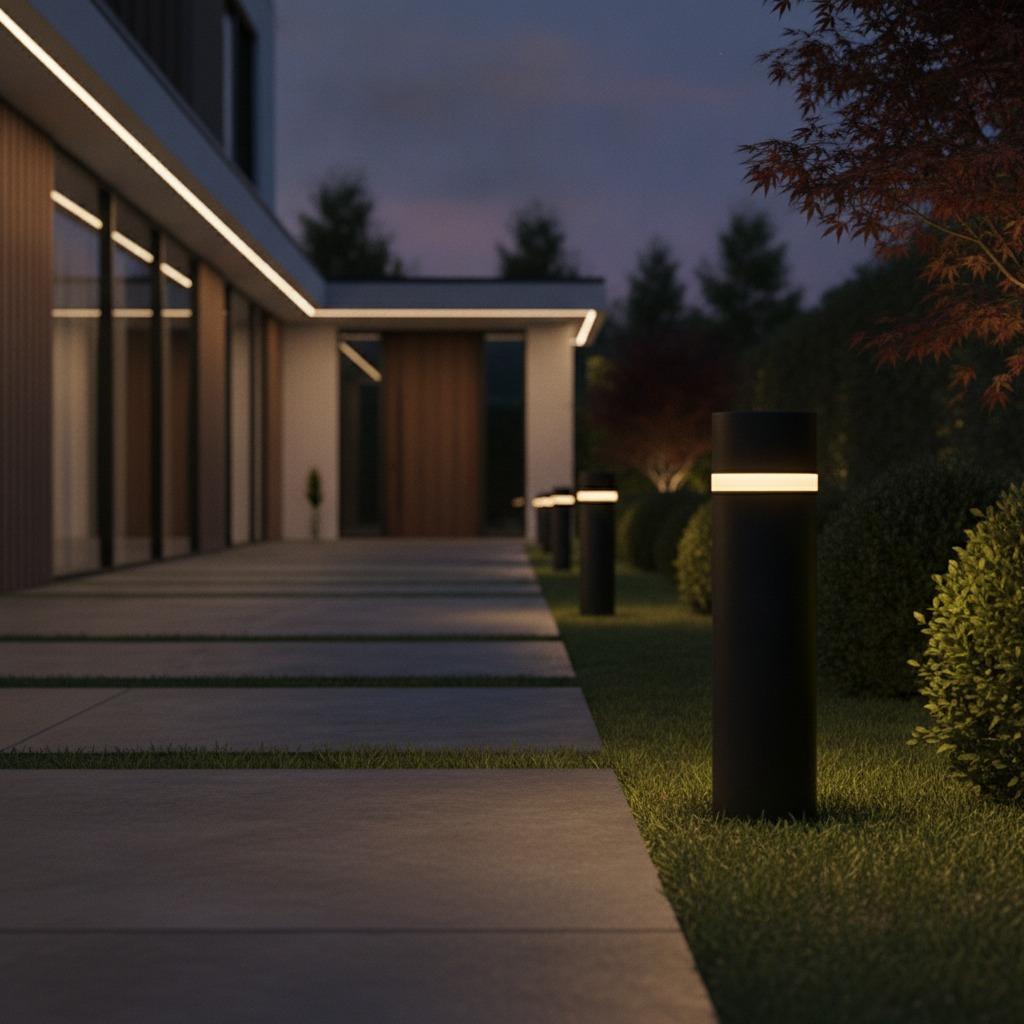
The bollard-style fixture described here uses a slim cylindrical body, a flat top, and a horizontal illuminated band near the upper section. That shape is not only aesthetic. It helps produce low-level lighting that is useful along a paved path without throwing glare into pedestrians’ eyes. In landscape and walkway work, that is often more valuable than maximum brightness.
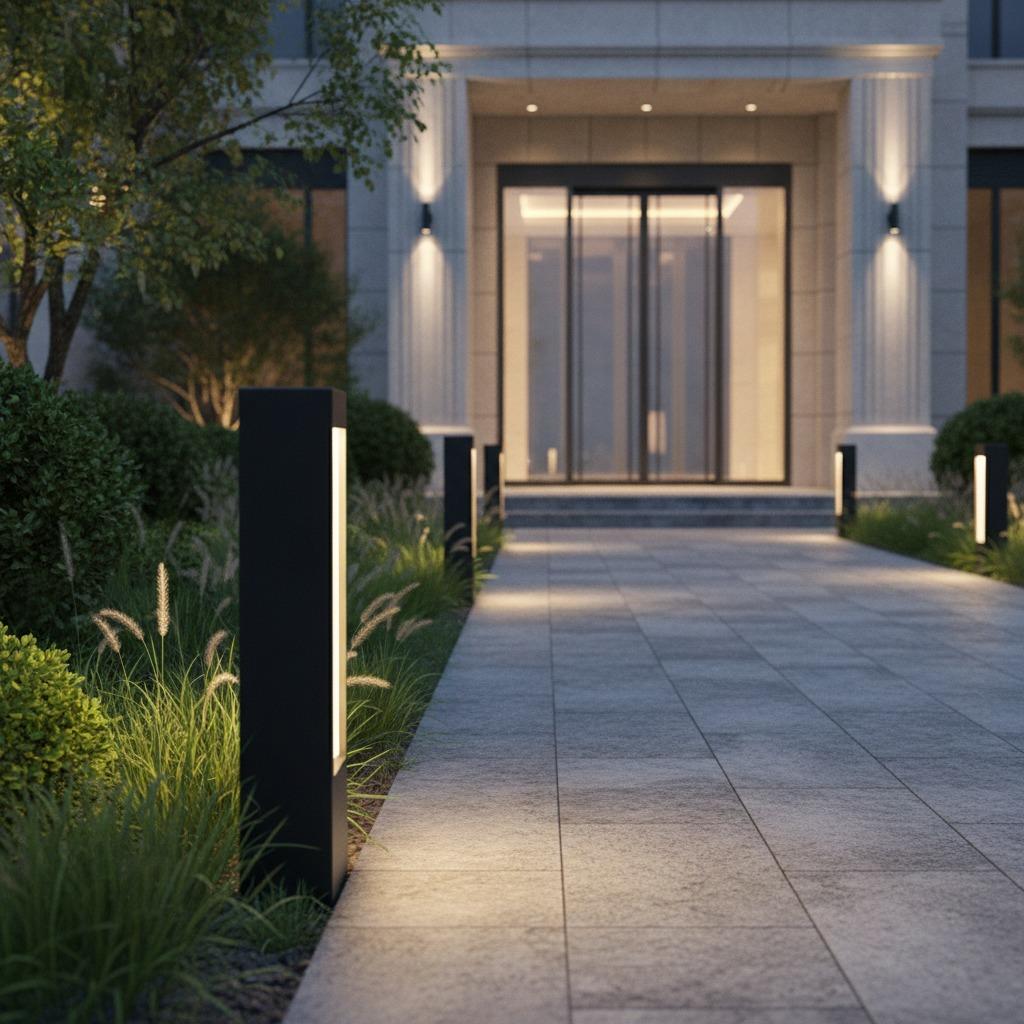
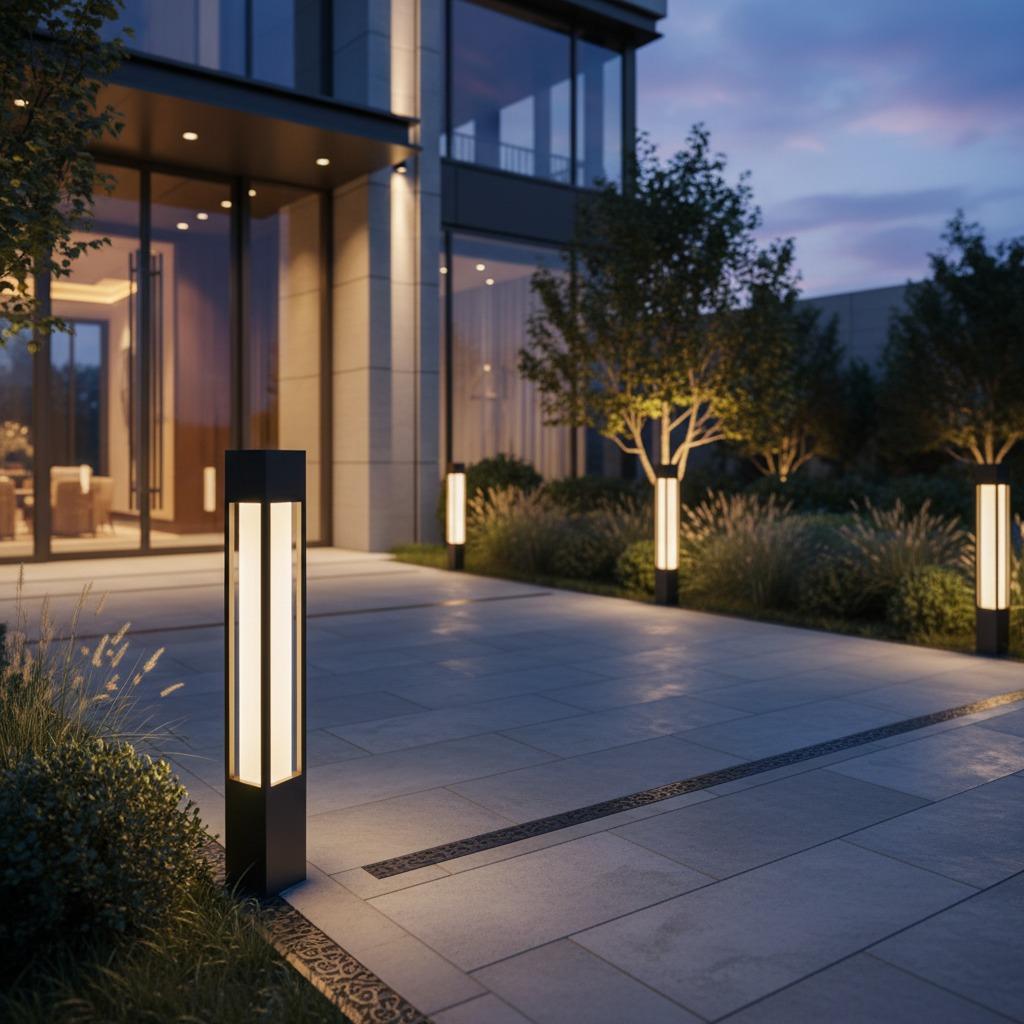
These fixtures are commonly used for residential driveways, garden paths, hotel or resort walkways, commercial landscape lighting, perimeter paths, and exterior architectural zones. A repeated line of bollards can create a consistent visual rhythm, which is one reason designers like them. Buyers, on the other hand, tend to care about whether that rhythm can be maintained over time without a patchwork of mismatched replacements.
Key takeaways before you compare suppliers
When reviewing an outdoor LED lighting manufacturer, it helps to separate appearance from build quality. A clean silhouette and a frosted or opal-looking diffuser are useful, but they do not tell the whole story. What matters more is whether the housing is suitable for long-term outdoor exposure, whether the optical output is even, and whether the fixture is practical to install and maintain.
The product description here suggests a dark matte or satin-finished metal housing, likely aluminum or powder-coated metal, paired with a translucent diffuser. That is a common and sensible approach for outdoor LED lighting because it balances durability, visual restraint, and light diffusion. Still, details such as exact material grade, corrosion resistance, wattage, and ingress protection are not verified here, so those should be confirmed during sourcing.
What a serious supplier should be able to explain
Housing and finish
For outdoor LED lighting, the housing is not a cosmetic afterthought. It is the first line of defense against moisture, dirt, UV exposure, and physical wear. A fabricated metal light fixture should be able to justify its material choice, surface finish, and coating process. If a manufacturer cannot clearly describe those basics, that is a warning sign.
Optics and light distribution
The visible horizontal light band suggests a controlled distribution, which is exactly what path lighting needs. Uniformity matters because hot spots can look harsh while dark gaps undermine safety. For commercial outdoor LED lighting, consistency across multiple units is often more important than chasing a single dramatic output number.
Installation and maintenance
Even a good-looking bollard can become a headache if the mounting method is awkward or if service access is poor. Buyers should ask how the fixture is fixed at ground level, how wiring is handled, and whether the LED source is integrated or replaceable. The image-based product information points to an integrated LED module as a likely design, but that is not confirmed, so it is worth checking before purchase.
Common mistakes buyers make with outdoor LED lights
The most common mistake is specifying by appearance alone. A sleek bollard can be attractive in daylight and still fail on the project if its output is too harsh, too weak, or uneven across a long path. Another frequent issue is ignoring environmental exposure. A fixture for a sheltered courtyard and one for an open coastal walkway are not the same buying decision, even if they look similar in a brochure.
There is also a tendency to under-plan replacement strategy. If the site needs a long run of matching landscape lighting, the buyer should ask whether future orders will match the same finish, lens appearance, and body profile. That sounds obvious, but in practice it is where many projects drift.
How to evaluate an outdoor LED lighting manufacturer
Start with the questions that affect the life of the installation: materials, finish system, optical consistency, outdoor suitability, and support for repeat orders. Then move to the details that affect the user experience: glare control, spacing, visual comfort, and how the fixture looks when grouped along a path. A good supplier will not oversell any one point. They will help you balance performance, aesthetics, and maintenance risk.
For project teams buying outdoor LED lights for hotels, campuses, residential communities, or public-facing properties, the best supplier is usually the one that can talk clearly about both production and application. That means real answers about the fixture body, diffuser, mounting, and outdoor performance, not just polished marketing language.
Buyer-facing checklist for path and bollard lighting
Before you commit, verify the following: whether the fixture is truly outdoor-rated; whether the material and finish suit the local environment; whether the light output is comfortable for pedestrians; whether the design supports repeated installation along a route; and whether the manufacturer can supply consistent units over time. If any of those answers are vague, pause and ask again.
For landscape projects, this kind of caution saves money later. The fixture in this category is modest in scale, but it has an outsized effect on how a site feels after dark. That is why sourcing decisions for LED outdoor lighting should be treated as part technical spec, part visual planning, and part maintenance strategy.
Next step for specifiers and sourcing teams
If you are comparing an outdoor LED lighting manufacturer for walkway, garden, or perimeter applications, request full product data, material details, and installation information before you place the order. A reliable supplier should make it easy to confirm the basics and should be comfortable discussing the tradeoffs in the design. That conversation usually tells you more than a dozen product photos.