
What a solar street light project supplier should actually solve
A solar street light project supplier is not just shipping poles and panels. For engineers, sourcing managers, and project teams, the real job is to deliver a lighting system that can be installed cleanly, perform through changing weather, and fit the site without turning the electrical scope into a long trenching exercise. That matters most on roadway projects, campus roads, residential developments, parks, and industrial access roads, where conventional grid-powered lighting may be expensive to extend or slow to coordinate.
The basic appeal is obvious: a solar street light uses on-site renewable power and avoids much of the underground infrastructure that comes with traditional street lighting. The less obvious part is project risk. If the pole, photovoltaic module, LED luminaire, battery arrangement, and controls are not matched properly, the result can be a system that looks fine on day one and disappoints by the first season change. Buyers usually need help deciding not only what to buy, but what to ask before purchase orders are signed.
Why these projects succeed or fail
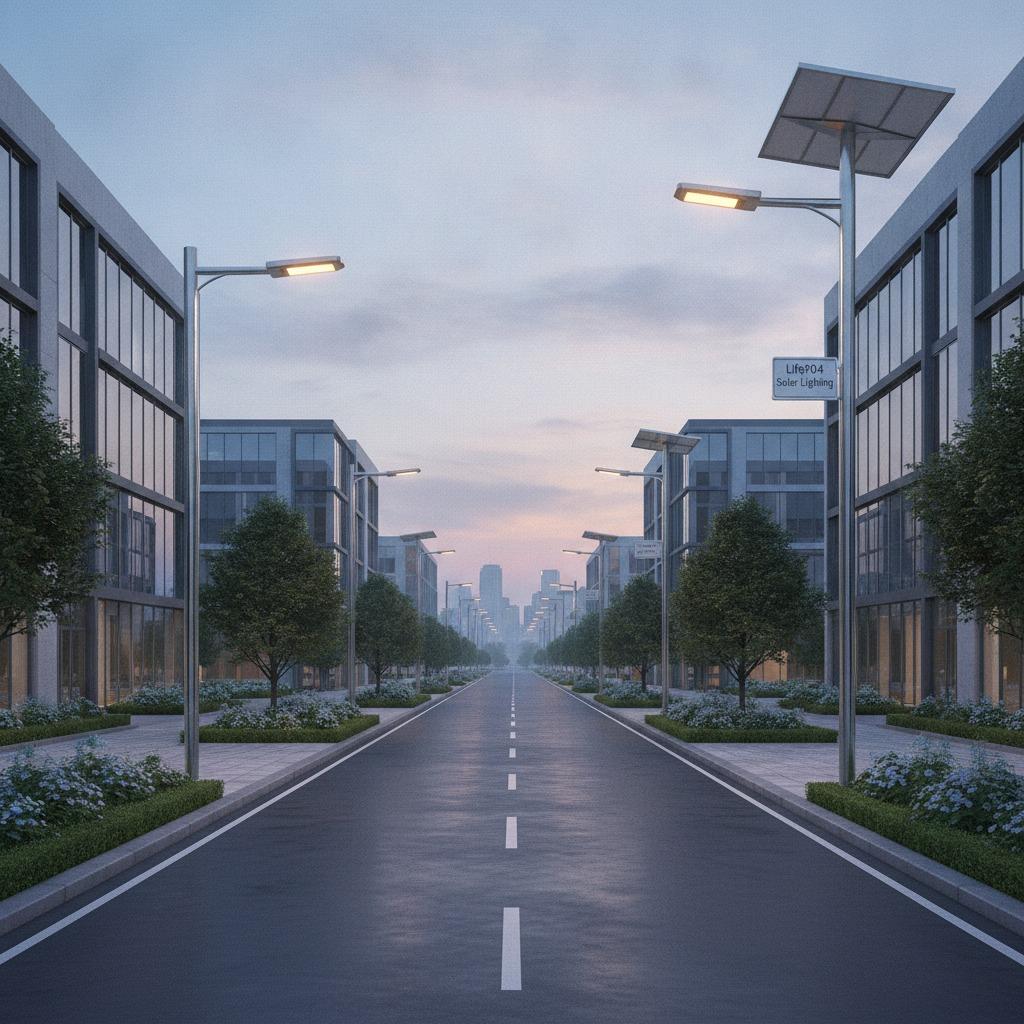
A well-executed solar street lighting project depends on integration. The visible structure in a typical system is simple enough: a metal pole, a mounted solar panel on an angled bracket, and an integrated lamp head projecting light over the roadway. But the hidden details drive reliability. Battery placement, charging logic, dusk-to-dawn control, weather sealing, corrosion resistance, and mounting stability all affect whether the installation is practical over time.
This is where a solar street lighting supplier earns its keep. The supplier should be able to match the lighting concept to the site conditions, not just quote a standard unit. A narrow neighborhood lane and a broad industrial access road are not the same buying problem. Neither are a shaded municipal street and an open campus road with long sun exposure. The system has to reflect those differences.
Quick reference: what buyers should compare
Before talking price or lead time, compare the basics in a structured way:
1. Pole and arm design
The pole must suit the site loads and installation environment. A tall metal pole with a curved cantilever arm may be appropriate for roadway coverage, but the geometry should be checked against mounting spacing and expected wind exposure.
2. Solar panel integration
The panel’s angle and position matter as much as its presence. A panel mounted too flat, or shaded by nearby structures, may underperform even if the lamp head is well designed.
3. Luminaire layout
The lamp head should distribute light where people and vehicles actually move. In road projects, illumination that looks bright from a distance can still leave poor coverage on the pavement edges.
4. Controls and autonomy
Even when not fully specified upfront, controls deserve attention. Dusk-to-dawn switching, dimming, or motion sensing can be useful, but only if they fit the application. Not every site needs the same control scheme, and over-specifying can make procurement more expensive than it needs to be.
What a capable manufacturer or supplier should provide
A solar street light manufacturer should be able to support more than product shipment. In practice, that means helping define the right system format for the project: roadway lights, campus lights, park lights, or residential development lighting. For a project team, that support can reduce rework at installation and limit surprises when units arrive on site.
In outdoor lighting equipment manufacturing, the important questions are practical ones. How is the metal pole assembled? How is the photovoltaic module integrated into the structure? Is the luminaire housing suited to outdoor exposure? If the vendor cannot explain the system clearly, that is a warning sign, even if the brochure looks polished.
Another practical point: avoid treating all solar street light products as interchangeable. Two systems that look similar in a photograph can be very different in battery arrangement, electronic design, or serviceability. And because those details are often hidden, buyers should insist on enough documentation to compare systems fairly.
Common mistakes on solar street lighting projects
One common mistake is buying by appearance alone. A roadway photo can be persuasive, especially when multiple identical units are neatly installed along a street, but the image does not tell you the panel wattage, runtime, or maintenance plan. Those matter more than the clean look of the installation.
Another mistake is ignoring the site itself. A project in an open subdivision has a very different solar profile from one near trees, tall buildings, or frequent seasonal shade. A solar street light project supplier should ask about the site before recommending the hardware, not after.
A third issue is underestimating maintenance access. If batteries, wiring, or fixtures are hard to reach, routine service becomes slow and costly. That is the kind of detail that can annoy an operations team for years.
Buyer advice: what to ask before you commit
Use a short but disciplined checklist:
- What site types is the system intended for?
- How is the pole and arm constructed?
- How is the panel positioned for solar exposure?
- What documentation is available for the lighting layout?
- What maintenance access should be planned?
- Are the units meant for municipal roads, parks, or private developments?
If the supplier also acts as a solar street light manufacturer, ask how much of the system is produced in-house versus integrated from outside components. That is not a deal breaker, but it helps clarify responsibility if questions come up later.
FAQ for project teams
Are solar street lights only for off-grid sites?
No. They are often used where grid extension is costly, but they can also make sense on sites where trenching is undesirable or where phased installation is easier.
What applications fit this kind of system best?
New developments, residential roads, parks, campus roads, business parks, and industrial access roads are common use cases.
What should I avoid assuming from product photos?
Do not assume performance specs, battery size, certification status, or runtime from appearance alone. A good product image shows structure, not the full engineering story.
Next step for sourcing teams
If you are comparing suppliers, start by narrowing the site conditions and the lighting purpose. Then ask each solar street lighting supplier to explain the complete system, not just the visible pole-and-panel assembly. That approach saves time, exposes weak offers early, and usually leads to a better-fit project rather than the cheapest-looking quote.