
Why split type solar street light projects deserve a closer look
When buyers compare a split type solar street light against other outdoor lighting options, they are usually trying to solve a practical problem rather than chase a trend: how to light paths, gardens, courtyards, and project sites without adding hardwired complexity. In landscape work, that decision affects not only installation time, but also maintenance planning, visual consistency, and long-term operating cost. For sourcing teams, the real question is whether the lighting format suits the site, the climate, and the way the project will actually be used after handover.
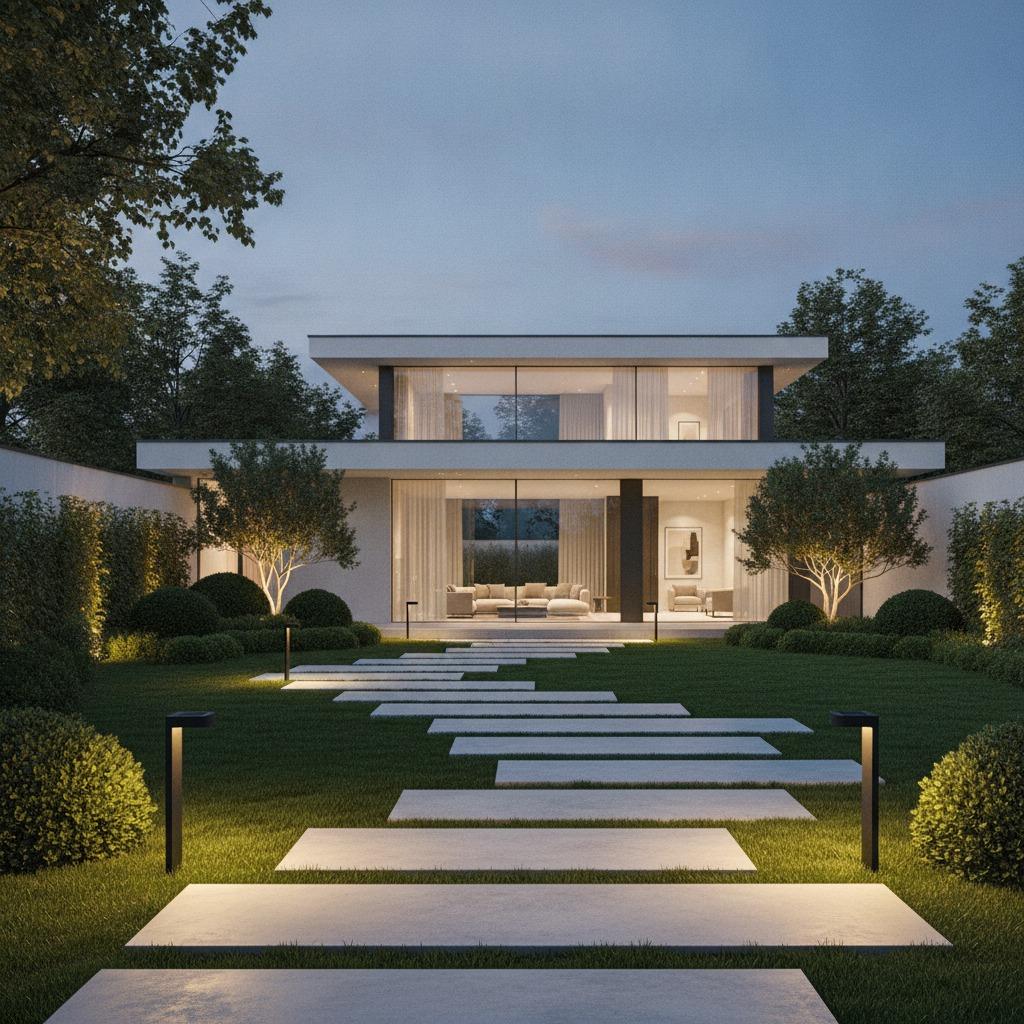
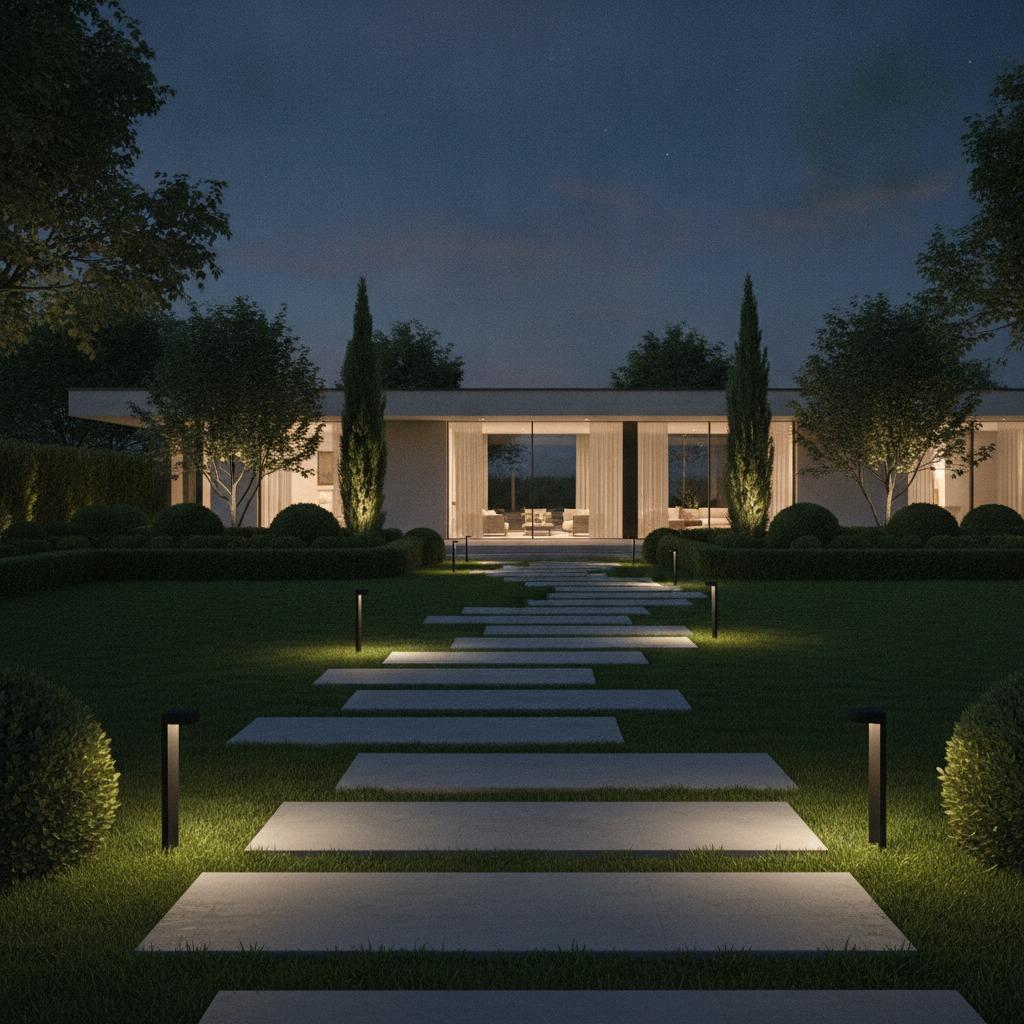
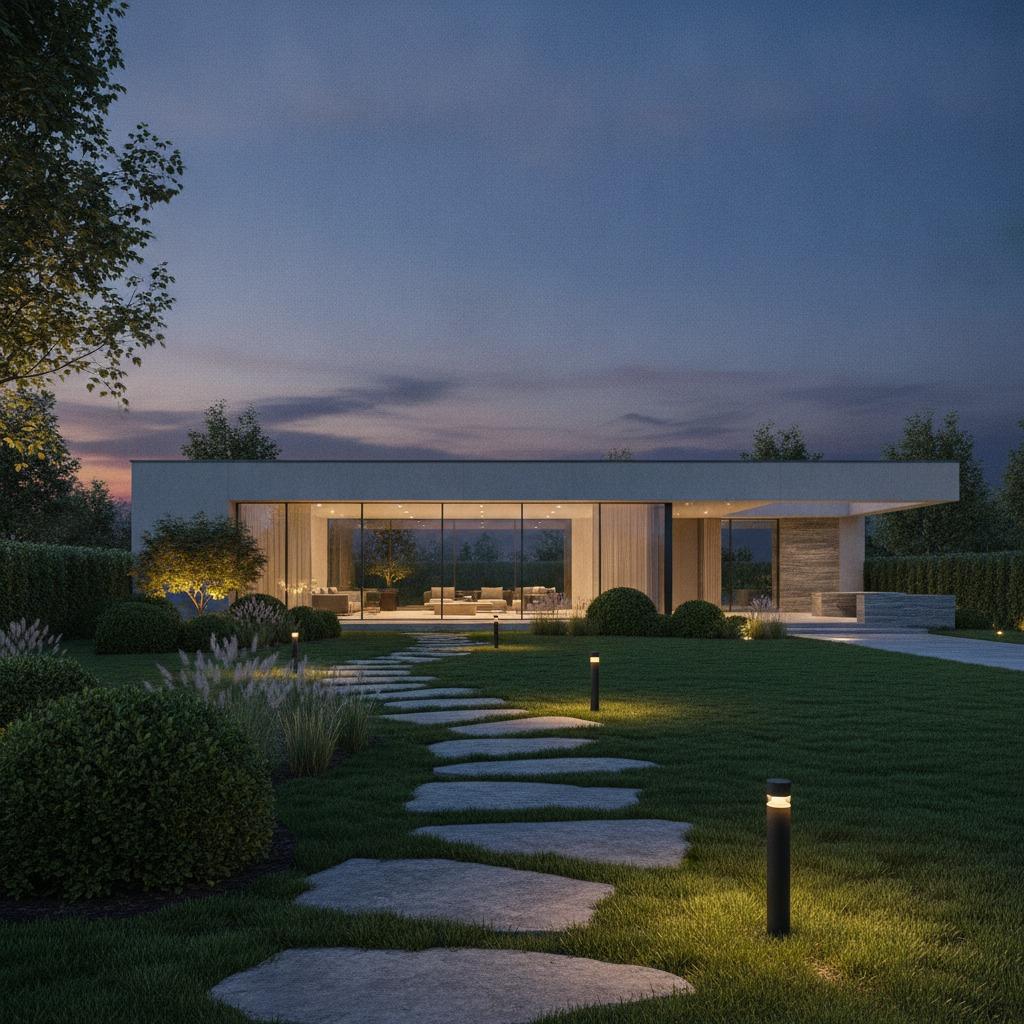
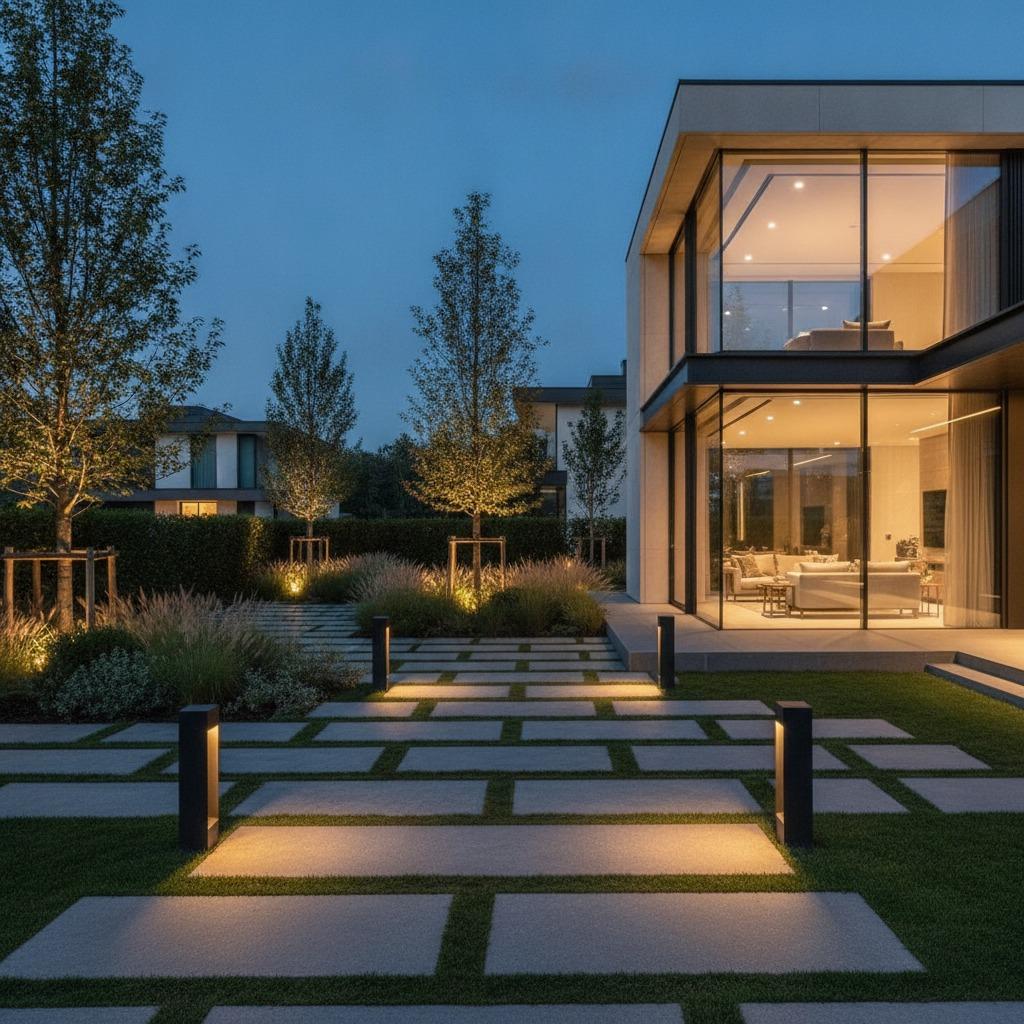
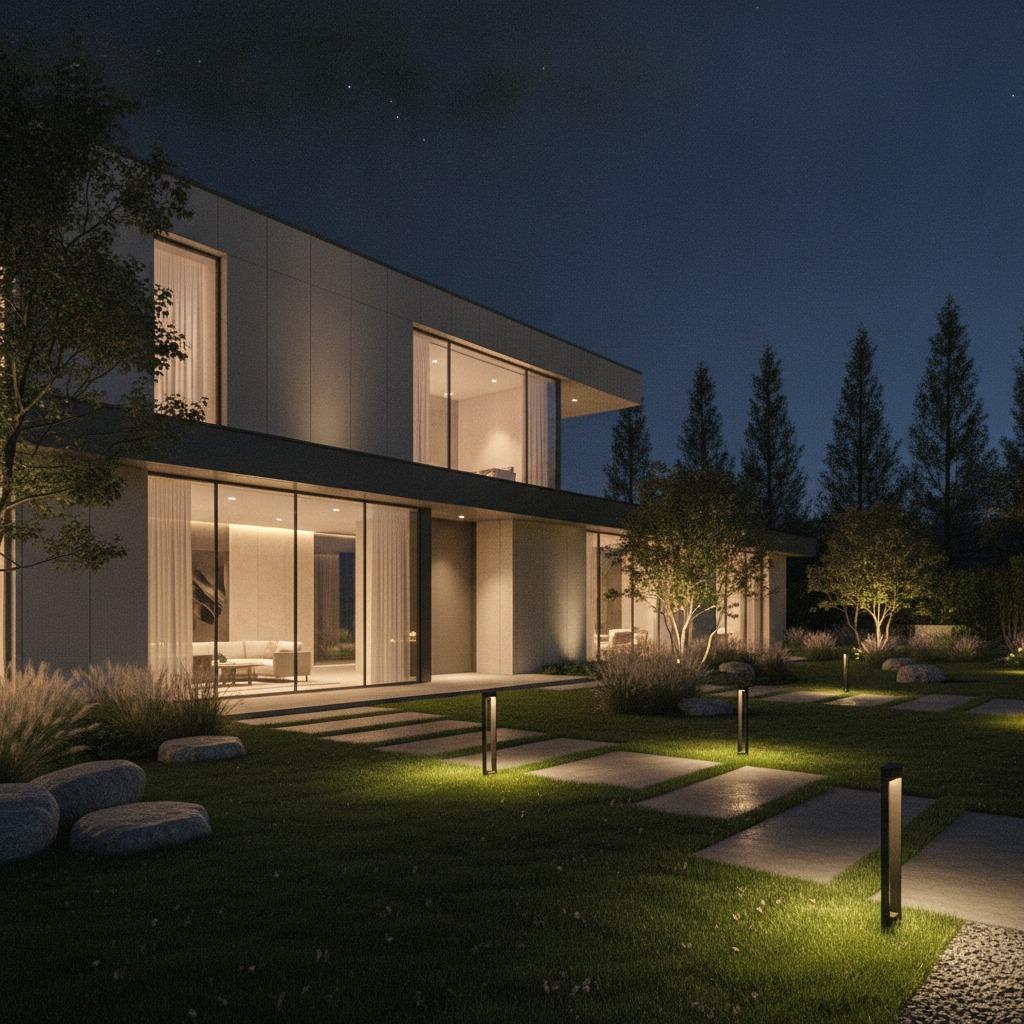
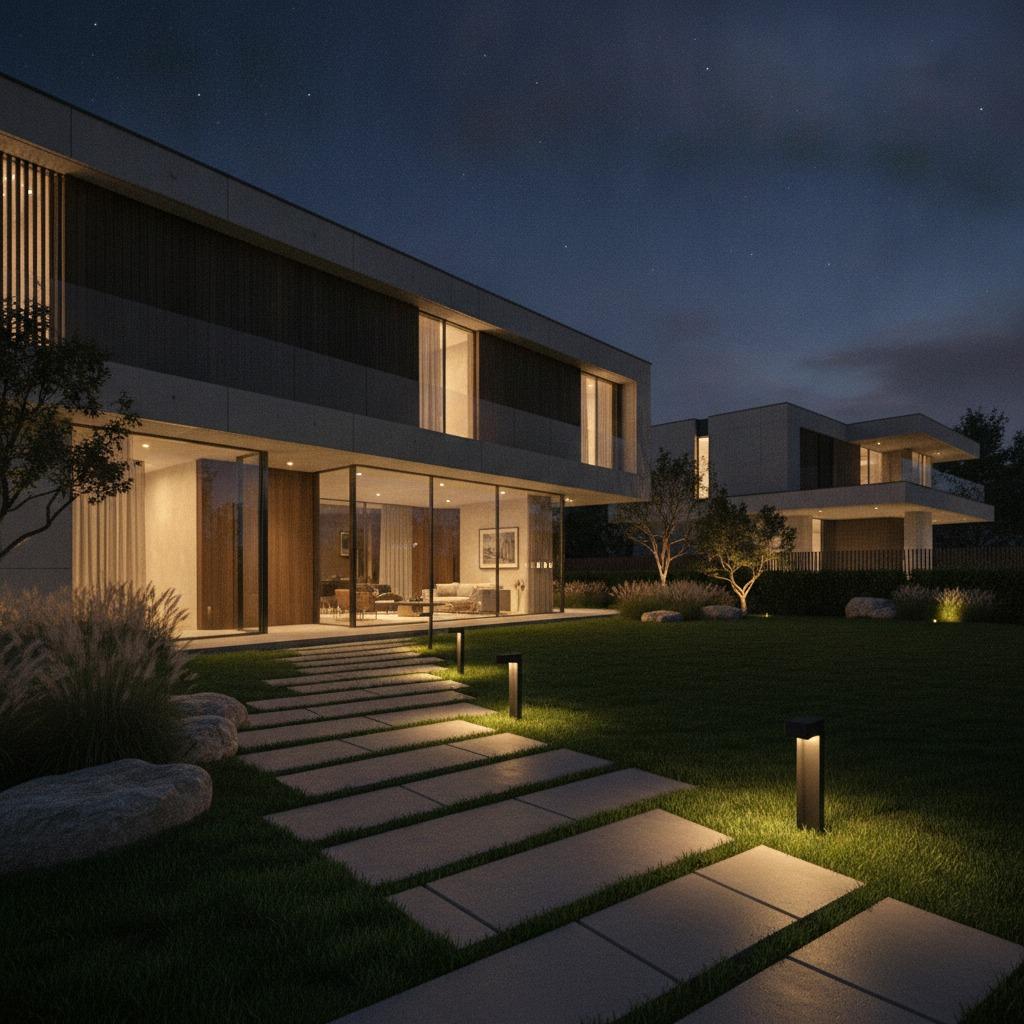
That is especially true in outdoor environments where pathway lights, bollards, and low-level accent fixtures are expected to do more than simply switch on at night. They need to define edges, support safe movement, and still look presentable during the day. The product style described here—a compact post-style light with a dark finish, lantern-like top, and translucent diffuser—fits that brief well for garden beds, stepping-stone paths, patio borders, and resort walkways. It is not the same conversation as a utility pole streetlight, and buyers should not treat it as if it were.
What this lighting style is usually used for
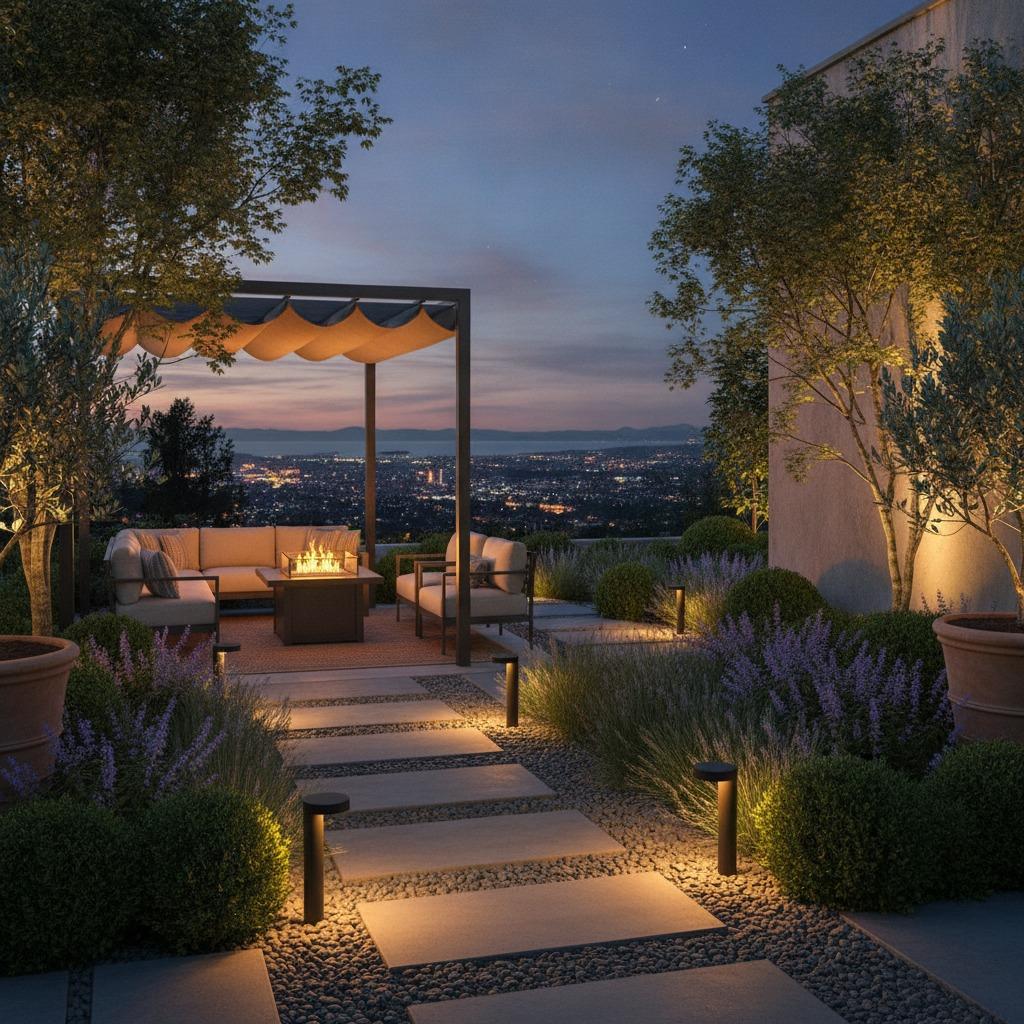
In practical terms, the visible product category points to outdoor LED garden and pathway lighting used for landscape illumination. The fixtures are short and compact, with a vertical post base and enclosed light head. That makes them suitable for low-level accent lighting where the goal is to guide the eye and define outdoor space, not flood it with brightness.
For residential gardens, villa courtyards, hotel landscapes, resort walkways, and restaurant terraces, that matters a lot. Guests do not want harsh glare on a dinner terrace or a path that feels overlit. They want enough light to see the route, the planting, and the edge of the space. A warm white appearance is often preferred in these settings because it feels less clinical and blends better with planting and stonework. In project work, that is often worth more than a technical specification sheet full of numbers that do not match the site mood.
Split configuration versus integrated outdoor lighting
A split type solar street light, in the broader sense, separates the solar panel from the lamp head and battery enclosure. That split arrangement is common where panel placement needs to be optimized for sun exposure while the light itself stays where illumination is needed. For landscape and pathway projects, the appeal is straightforward: more flexibility in placement and, in many cases, better adaptation to shaded areas.
Buyers often compare a split solar street light manufacturer on installation flexibility, product consistency, and project support rather than on appearance alone. If the site has tree cover, pergolas, building shadows, or irregular path geometry, a split design can be easier to work with than a one-piece fixture. The tradeoff, of course, is that more components usually mean more to coordinate during installation. That is fine when the project is planned properly; it becomes a nuisance when the site team is expecting a simple drop-in fixture.
Key takeaways for buyers and project teams
Match the fixture to the site, not the catalog photo
Landscape lighting is visual, but procurement should still be grounded in site conditions. Path width, planting height, shade patterns, and mounting surface all influence whether a fixture will perform as intended. A compact bollard-style lamp may look ideal on a render, yet prove too low for one project and just right for another.
Check the parts you cannot see
The provided product details do not confirm LED type, wattage, voltage, or weatherproof rating, so those items should be verified before purchase. That caution matters more than it sounds. Outdoor fixtures live a hard life: moisture, dust, irrigation spray, cleaning chemicals, and temperature swings all take a toll. If those basics are vague, the procurement risk rises quickly.
Plan for visual consistency
One of the stronger selling points in the supplied product description is the coordinated look across multiple fixtures. That is not a small thing. In hospitality and residential landscaping, uneven fixture styling can make even a well-built space feel patched together. A consistent dark finish, lantern-like top, and uniform silhouette help the landscape read as one designed environment rather than a collection of separate purchases.
How to evaluate a split solar street light supplier or manufacturer
When comparing a split solar street light supplier, ask for clear product documentation, application guidance, and project examples that resemble your own site conditions. A capable split solar street light manufacturer should be able to explain installation method, maintenance access, and how the product behaves in real outdoor use. If the answer is only a stock photo and a short brochure, keep looking.
It also helps to separate the commercial discussion into two tracks: fixture appearance and system reliability. The first gets the client’s approval. The second protects the project after the ribbon is cut. Buyers sometimes over-focus on finish color or lens shape and under-focus on what happens after six months outdoors. That is where problems start.
Common mistakes in outdoor lighting procurement
The first mistake is assuming every outdoor light labeled for landscape use is suitable for the same job. A pathway marker, a decorative bollard, and a solar street light serve different purposes, even if they appear similar in a product gallery. The second mistake is buying on appearance alone and leaving performance questions for later. In outdoor lighting, “later” is usually too late.
Another familiar issue is ignoring maintenance access. A fixture that looks neat on day one can become annoying if it is difficult to clean, service, or replace. For project teams, that should be part of the conversation from the start.
Practical buying advice
If your project needs soft, directional illumination for garden beds, stepping-stone paths, or terrace edges, the described product style is a reasonable candidate. If the brief involves taller coverage, emergency-level brightness, or roadway-style lighting, it is the wrong category. That distinction sounds obvious, but it is where many sourcing mistakes begin.
For buyers searching for a split type solar street light solution, the best next step is to request full technical data, mounting details, and confirmation of outdoor durability before committing to a bulk order. For landscape projects, ask for images or samples that show the fixture at night, not just in daylight. That is often the difference between a product that sells in theory and one that works on site.
FAQ
Is this type of fixture only for residential use?
No. The same general style is commonly used in hotels, resorts, restaurant terraces, and commercial landscape projects where low-level ambient lighting is desired.
Why does warm white matter?
Warm white tends to complement plants, stone, and timber better than harsher light temperatures. It is also more comfortable in leisure spaces.
What should I confirm before ordering?
Confirm the LED specification, power source, mounting method, weather resistance, dimensions, and whether the lens and housing materials suit the application.
Next step
If you are sourcing for a path lighting project, start with the site conditions and the client’s visual expectations, then work back to the fixture specification. That approach reduces rework and keeps the procurement conversation focused on what will actually be installed and maintained. For a split type solar street light project, that discipline is usually what separates a clean handover from a costly revision.