
Why buyers keep searching for split type solar street light options
When engineers, landscape contractors, and sourcing teams look for a split type solar street light, they are usually trying to solve two problems at once: lighting performance and installation flexibility. The split format matters because the panel and lamp are separated, which can help with positioning in sun-exposed areas and reduce the compromises that come with all-in-one fixtures. In practical terms, that can make a project easier to plan across courtyards, paths, edges of planting beds, and other outdoor spaces where fixed mounting conditions are not ideal.
The search intent here is not just “what is it?” It is closer to “which version makes sense for my site, and what should I watch for before I buy?” That is a more useful question, especially for buyers comparing a split solar street light manufacturer against a split solar street light supplier that may simply stock catalog items.
What the product is usually used for
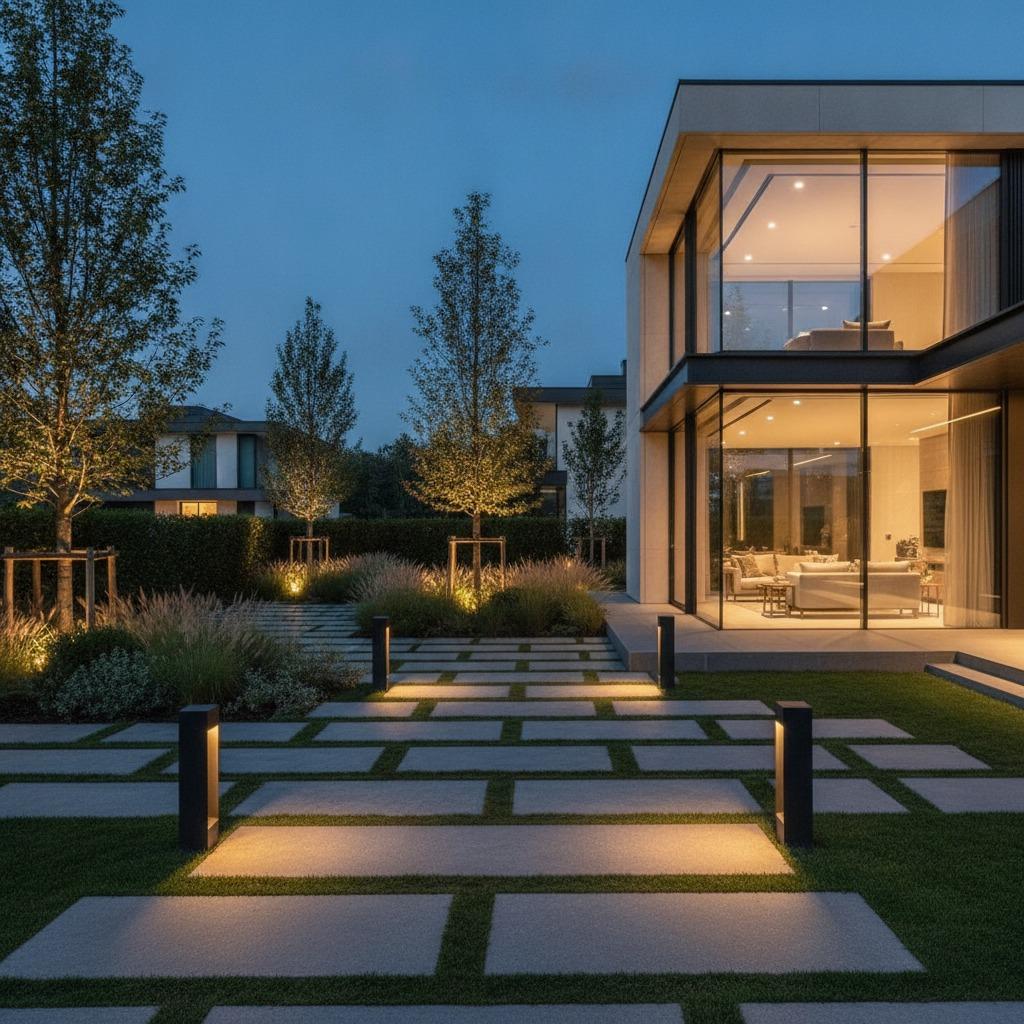
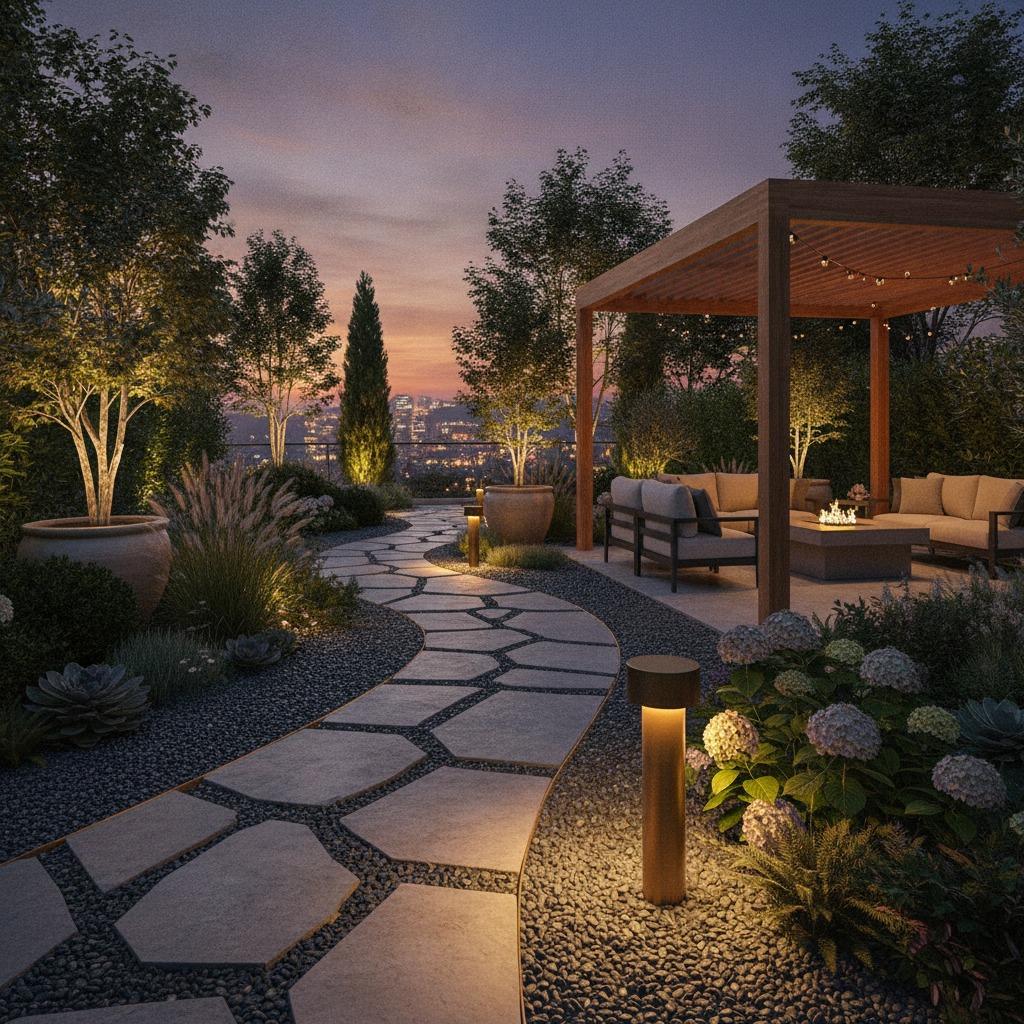
The product information available points to outdoor LED garden and pathway lighting, with a low-profile bollard-like form used for landscape and patio illumination. That is important, because buyers sometimes lump all outdoor lights together. In reality, a garden border light and a street-oriented split solar fixture do not serve exactly the same purpose, even if both are placed outdoors and both help people move safely after dark.
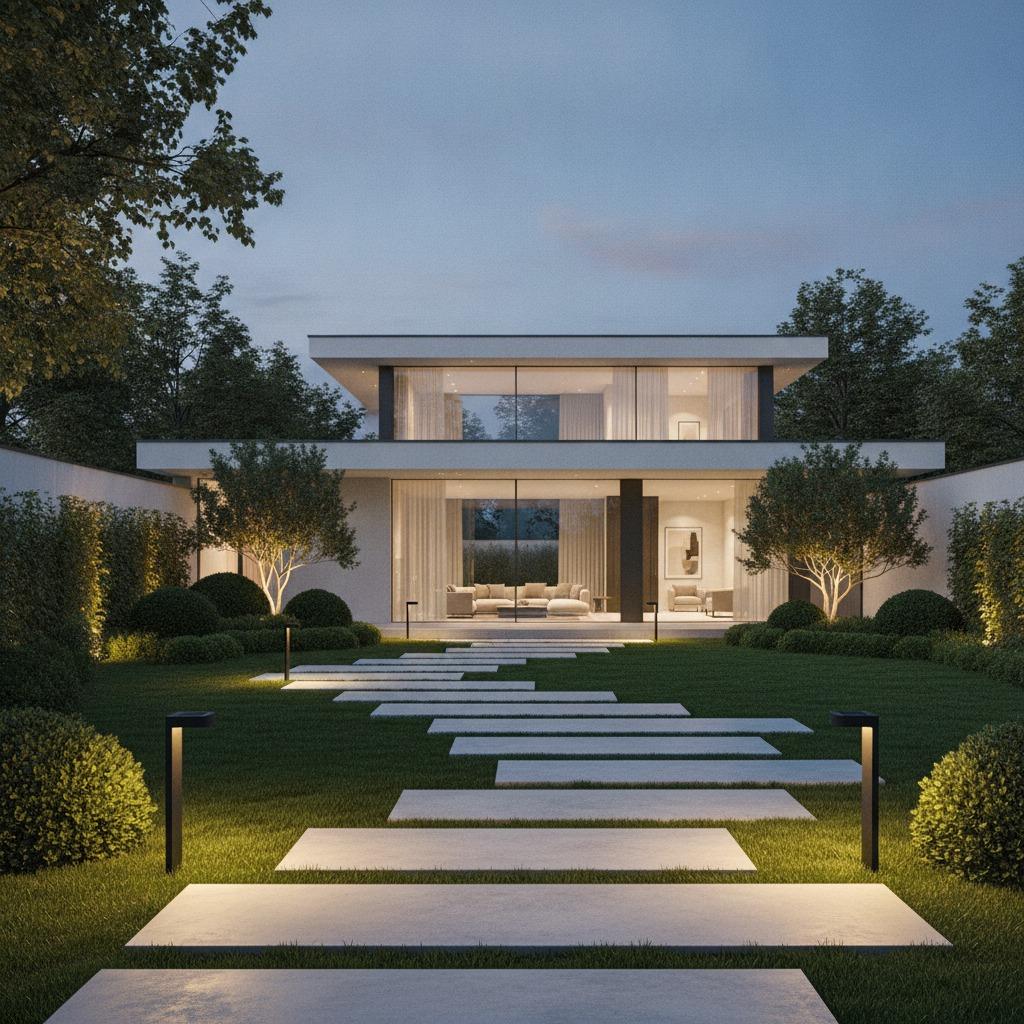
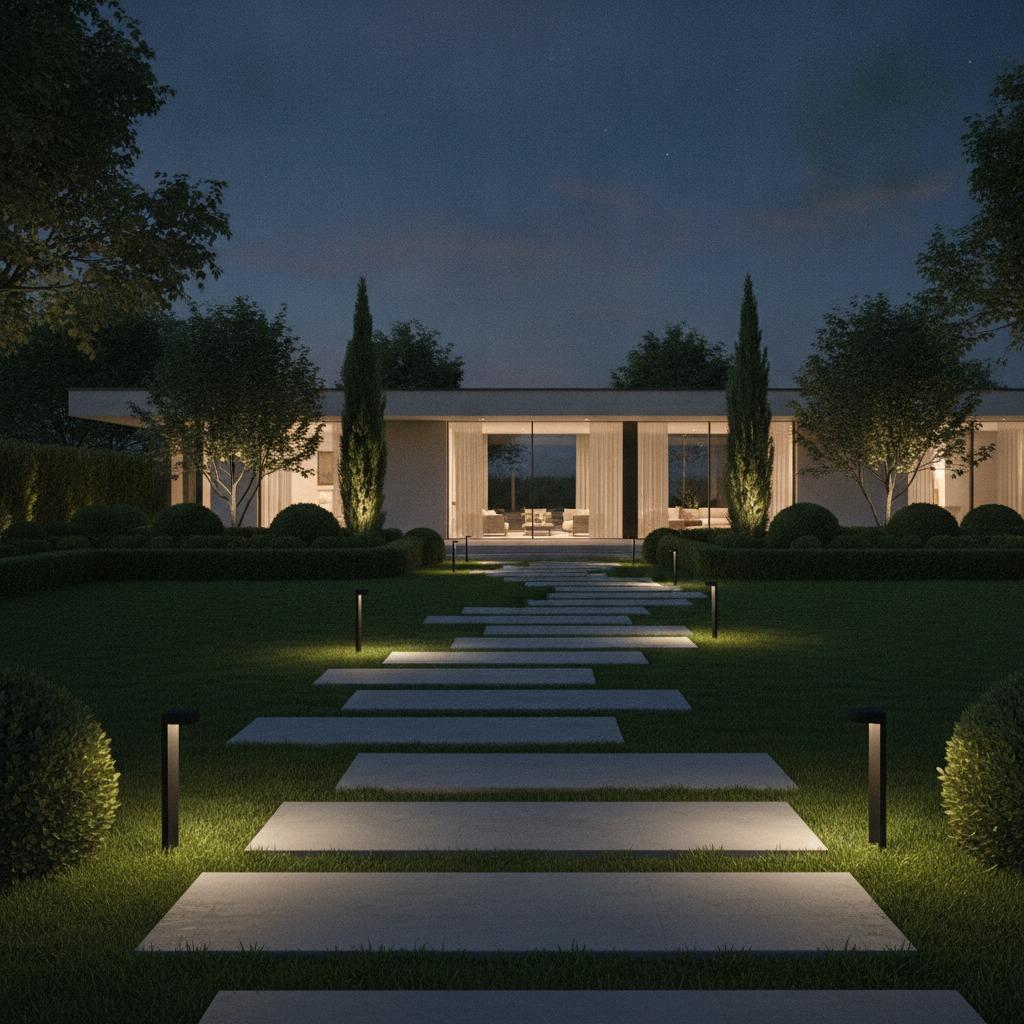
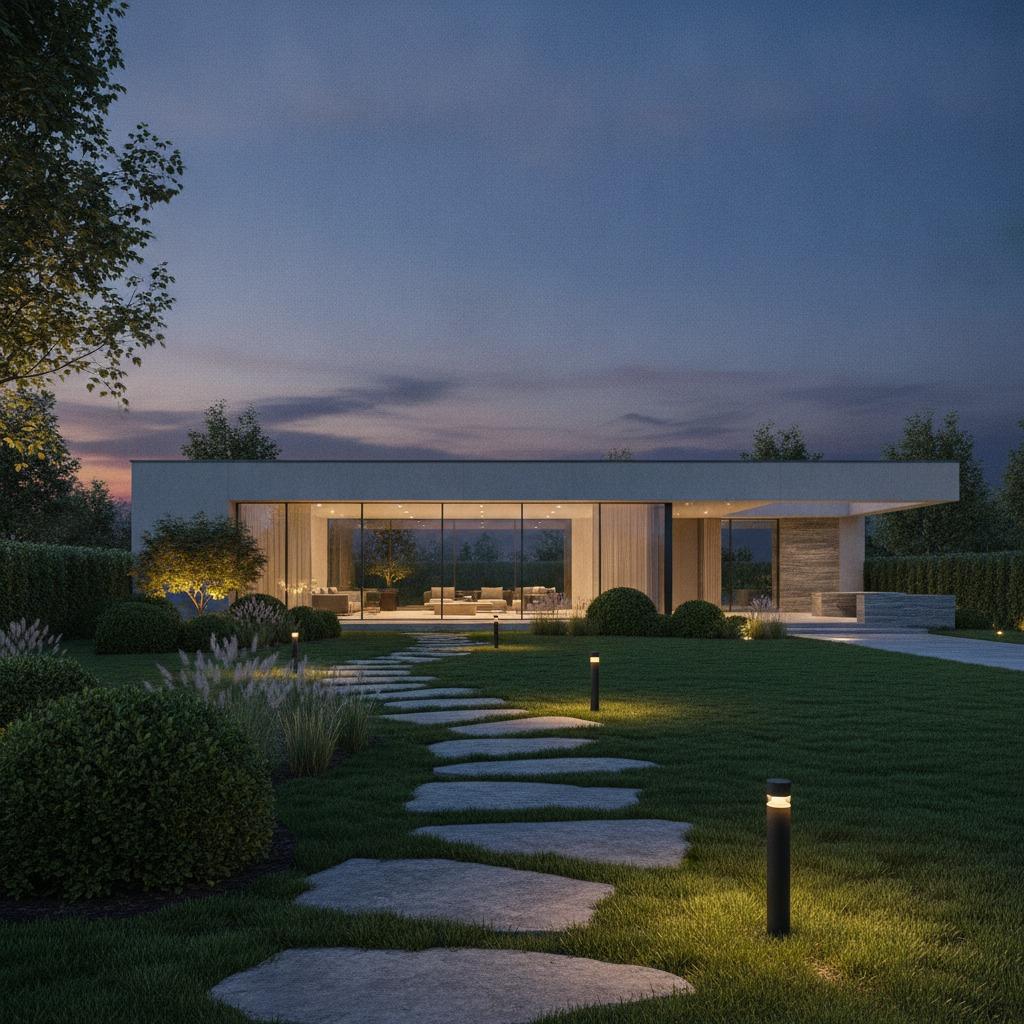
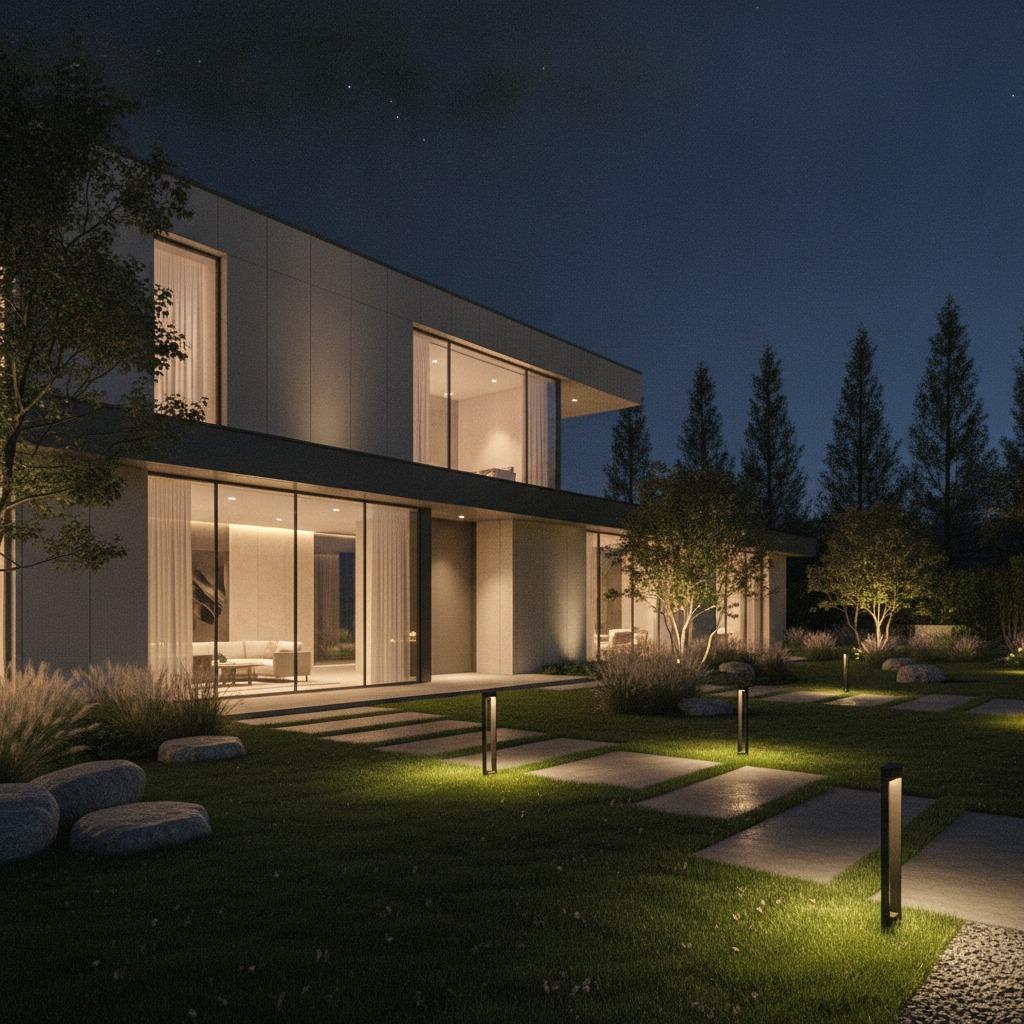
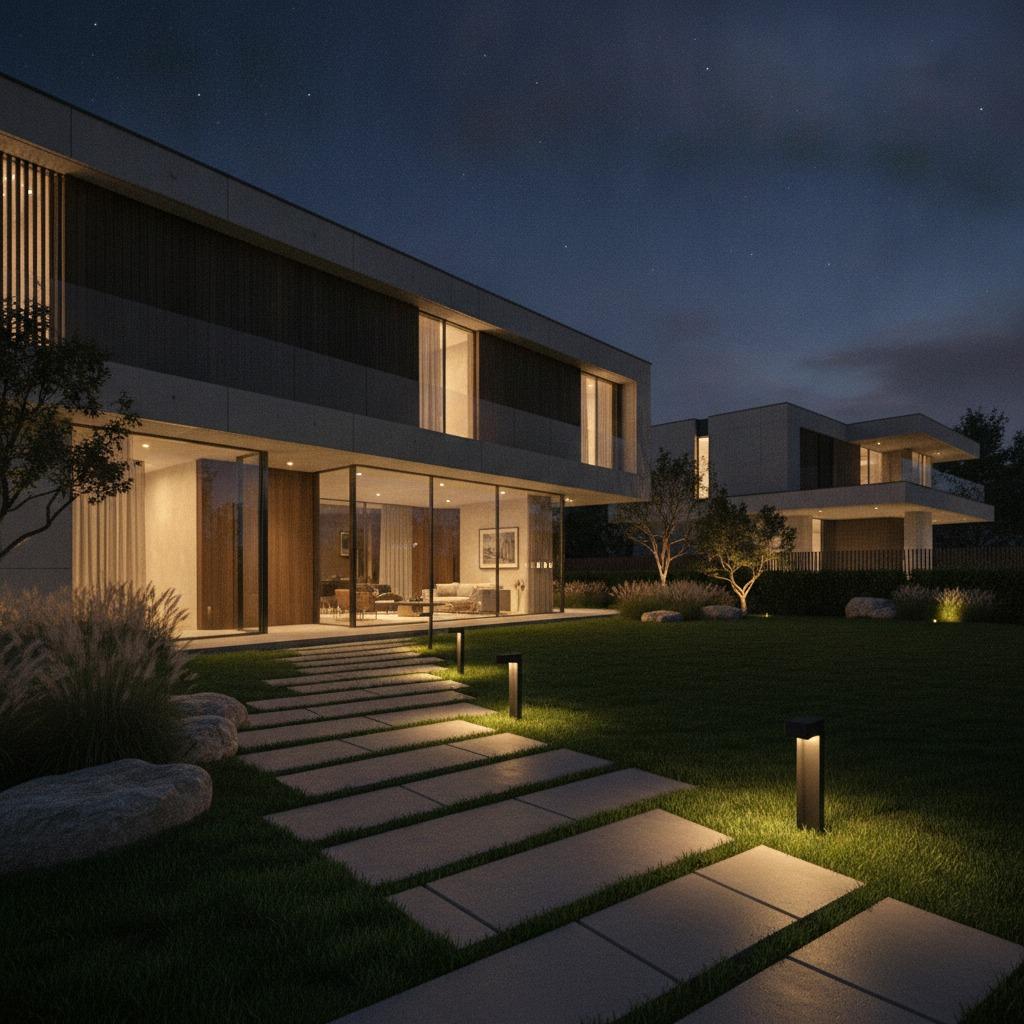
For landscape projects, the visible design cues matter: a dark housing, a compact upright body, and a translucent top section that gives a warm white glow. Multiple units placed at intervals create layered lighting rather than harsh brightness. That is often the difference between a space that feels lit and one that feels overexposed.
Quick reference: where split solar lighting tends to fit best
Good fit
Residential gardens
Villa courtyards
Hotel and resort walkways
Terraces and patio edges
Commercial landscaping around paving and planting beds
Less suitable when
You need exact optical control for road-level traffic lanes
The site has poor sun exposure and no allowance for panel placement
A project demands verified electrical and photometric data before specification
That last point is worth saying plainly. A lot of outdoor lighting mistakes begin when buyers assume “solar” automatically means “simple.” It does not. Site exposure, spacing, runtime expectations, and maintenance access all affect the outcome.
What buyers should compare before choosing a supplier
If you are evaluating a split type solar street light, start with the basics that actually affect project success.
First, confirm the intended application. A fixture designed for decorative pathway use may not be the right choice for a wider circulation route. Second, ask how the split configuration is handled in the product line. Some designs separate the panel for better sun placement, while others emphasize easier fixture placement. Third, check whether the supplier can support OEM or wholesale project needs, not just retail packaging.
A split solar street light supplier should be able to discuss material options, housing finish, and outdoor durability in a straightforward way. If the product family is meant for landscaping, the details around appearance and integration with the environment matter almost as much as raw output. Dark housings, compact geometry, and a warm light tone can help the installation blend into a garden or resort setting instead of dominating it.
Common mistakes that create trouble later
One common mistake is buying on appearance alone. A fixture may look suitable in a rendered scene but fail to work well in a real garden if spacing, ground conditions, or solar access are not considered.
Another is over-specifying where the application is inherently decorative. Buyers sometimes chase the highest numbers on paper when what they really need is consistent low-level illumination along a border or path. That tends to lead to unnecessary cost and a harsher visual result.
A third mistake is not separating lighting categories early. Landscape bollard lights, architectural accent lights, and street-style solar products can overlap in appearance, but their job is different. Mixing those categories creates confusion in procurement and, later, in maintenance.
Practical buyer advice for sourcing teams
If you are shortlisting a split solar street light manufacturer, ask for clear product definitions and actual use-case guidance. The manufacturer should be able to explain whether the fixture is better suited to garden paths, villa surroundings, or broader outdoor circulation areas. If they cannot clearly separate product intent from general marketing language, treat that as a warning sign.
Also, pay attention to what is not stated. The available product details do not confirm wattage, lumen output, IP rating, voltage, certification, or mounting method, so those need direct verification during sourcing. That is not a flaw in the concept; it is simply the point where professional procurement begins.
For project buyers, the best decision is often the one that balances appearance, spacing, and maintainability rather than chasing a one-size-fits-all solar fixture.
FAQ
Is a split type solar street light always better than an integrated model?
Not always. Split designs can offer more placement flexibility, but the better option depends on site layout, sun exposure, and maintenance preferences.
Can these lights be used in landscape projects?
Yes, when the product is designed for outdoor path or garden use. The visible product style here suggests landscape and patio applications rather than heavy roadway duty.
What should I ask a supplier first?
Ask for the intended application, the available housing and finish details, and the verified electrical and environmental specifications before you compare price.
Next step for buyers
If you are building a shortlist, define the site first, then evaluate whether the supplier can support the lighting effect you actually want. The right split type solar street light is not the brightest item in a catalog; it is the one that fits the ground, the sun, and the project brief without creating a maintenance headache six months later.